



Qué es un rack de sentadillas: Cómo elegir el adecuado para tu gimnasio en casa
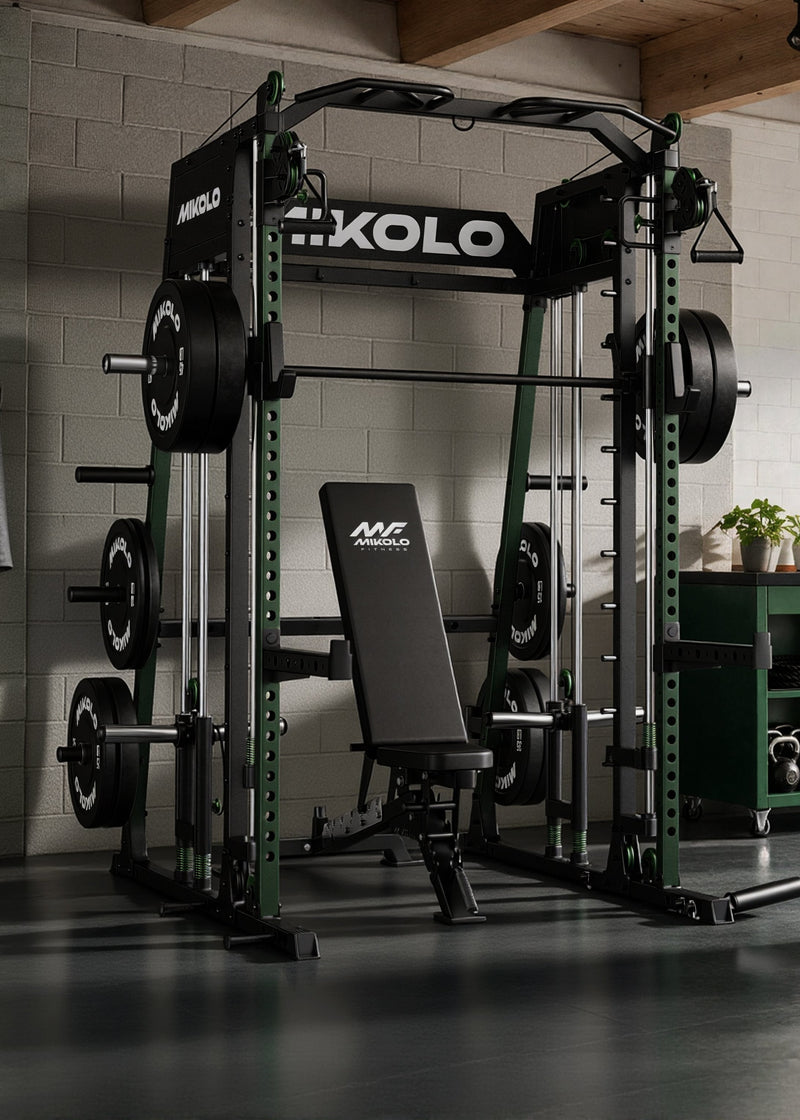
Si estás montando un gimnasio en casa, elegir el rack de sentadillas adecuado puede resultar abrumador. Hay soportes para sentadillas, semiracks, racks de potencia y racks plegables, y todos parecen similares al principio.Pero la verdadera pregunta es sencilla: ¿cuál se adapta realmente a tu entrenamiento?En esta guía, desglosaremos cada tipo de rack de sentadillas y te ayudaremos a elegir la configuración adecuada según tu espacio, presupuesto y objetivos de entrenamiento. Qué es un rack de sentadillas (y por qué es importante) Un rack de sentadillas está diseñado para sostener una barra a alturas ajustables para que puedas realizar de forma segura ejercicios como sentadillas, press de banca y press de hombros. Pero para la mayoría de los usuarios de gimnasios en casa, se convierte en mucho más que eso. Un buen rack de sentadillas: Te permite entrenar con peso sin un compañero de levantamiento Te mantiene seguro cuando fallas una repetición Soporta el entrenamiento de fuerza de cuerpo completo Por eso suele ser la primera pieza importante de equipo en la que la gente invierte. Principales tipos de racks de sentadillas 1 Soportes para sentadillas Compacto y de nivel básico Los soportes para sentadillas son la opción más sencilla, utilizando dos postes separados en lugar de un marco completo. Ideal para: Principiantes, espacios muy pequeños, levantamiento ligero a moderado Desventaja: estabilidad y seguridad limitadas 👉 La mayoría de los usuarios terminan actualizando una vez que comienzan a levantar más peso. 2 Medios racks Opción equilibrada Los medios racks proporcionan un marco más resistente e incluyen brazos de seguridad para mayor seguridad. Ideal para: Levantadores intermedios, gimnasios en casa con espacio moderado, usuarios que desean estabilidad sin una jaula completa Son un término medio sólido, pero aún no son la opción más segura para el levantamiento pesado en solitario. 3 Racks de potencia Mejor para seguridad y uso a largo plazo Los racks de potencia (jaulas completas) son la solución más completa. Te rodean con cuatro postes e incluyen barras de seguridad ajustables en todos los lados. Por qué destacan: Máxima seguridad para el entrenamiento en solitario, alta capacidad de peso, expandible con accesorios 👉 Si estás construyendo un gimnasio en casa serio, esta suele ser la mejor inversión.Por ejemplo, un sistema como un rack de potencia con sistema de cables te ofrece: barras de seguridad integradas, estación de dominadas y opciones de entrenamiento con cables. Esto convierte un solo rack en una estación de entrenamiento de cuerpo completo en lugar de solo una configuración de sentadillas. 4 Racks de sentadillas plegables Ideal para espacios limitados Los racks plegables se montan en la pared y se pliegan cuando no se usan. Ideal para: Gimnasios en garajes, espacios compartidos, configuraciones minimalistas Inconvenientes: Menor capacidad de peso, requiere instalación en la pared Squat Rack vs Power Rack: ¿Cuál es la diferencia? Mucha gente usa estos términos indistintamente, pero no son lo mismo. Característica Squat Rack Power Rack Estructura Abierta Cerrada Seguridad Limitada Protección completa Estabilidad Moderada Alta Mejor para Entrenamiento ligero Levantamiento pesado 👉 Si entrenas solo, un rack de potencia es casi siempre la opción más segura. Cómo elegir el rack de sentadillas adecuado En lugar de complicar demasiado las cosas, adapta tu rack a tu situación: ✔ Espacio pequeñoOpta por algo compacto: un rack plegable o un soporte funciona si el espacio es reducido. ✔ Configuración equilibradaMedio rack: una buena combinación de tamaño y estabilidad. ✔ Entrenamiento serioRack de potencia: opta por una configuración completa como una máquina Smith y rack de potencia todo en uno. Este tipo de sistema combina: máquina Smith + sistema de cables + rack de potencia — para que puedas entrenar de forma segura mientras también amplías tus opciones de ejercicio. ¿Qué puedes hacer con un rack de sentadillas? Un rack de sentadillas soporta el entrenamiento de cuerpo completo: 🦵 Parte inferior del cuerpo Sentadillas · Zancadas 💪 Parte superior del cuerpo Press de banca · Press de hombros 🏋️ Espalda Dominadas · Remos Con la configuración adecuada, puedes construir un programa de entrenamiento completo a su alrededor. Si estás utilizando un sistema con cables (como muchas configuraciones de rack de potencia para entrenamiento funcional), también puedes añadir: jalones al pecho, remos con cable y movimientos de aislamiento. Consideraciones finales: ¿Qué rack de sentadillas vale la pena? Si recién estás comenzando, una configuración básica puede funcionar. Pero si quieres algo que: crezca con tu entrenamiento te mantenga seguro reemplace múltiples máquinas 👉 entonces un rack de potencia o un sistema todo en uno es la elección más inteligente a largo plazo. En lugar de actualizar más tarde, comienzas con una configuración que puede manejar todo desde el primer día.
Dejar un comentario
Este sitio está protegido por hCaptcha y se aplican la Política de privacidad de hCaptcha y los Términos del servicio.