Plate Loaded vs Cable Leg Extension Machines: Pros and Cons

If you've been building a serious home gym lately, you've probably noticed something:

There are now two very different styles of leg extension and leg curl machines on the market.

Some use a traditional plate-loaded design. Others rely on a cable and pulley system.

And depending on who you ask, each side claims theirs is "better."

The truth?

Both styles can work well — but they create very different training experiences.

And once you understand how resistance actually feels during a set, choosing the right machine becomes much easier.

Because when it comes to lower-body isolation work, the goal isn't just moving weight.

It's getting your quads and hamstrings to work hard through every rep.

Why This Debate Matters More Than Ever

A few years ago, most home gym owners focused almost entirely on:

  • squat racks

  • barbells

  • adjustable benches

Now the conversation has changed.

More lifters are realizing that quality leg training needs more than compounds alone.

Squats and RDLs are great. But eventually most people hit the same problem:

Their leg development starts lagging behind because they're missing:

  • direct quad isolation

  • controlled hamstring work

  • high-rep fatigue training

  • joint-friendly accessory volume

That's why leg extension and prone leg curl machines are becoming far more common in serious home gyms.

But before buying one, it's important to understand how plate-loaded and cable systems actually differ in real-world training.

What Is a Plate-Loaded Leg Extension Machine?

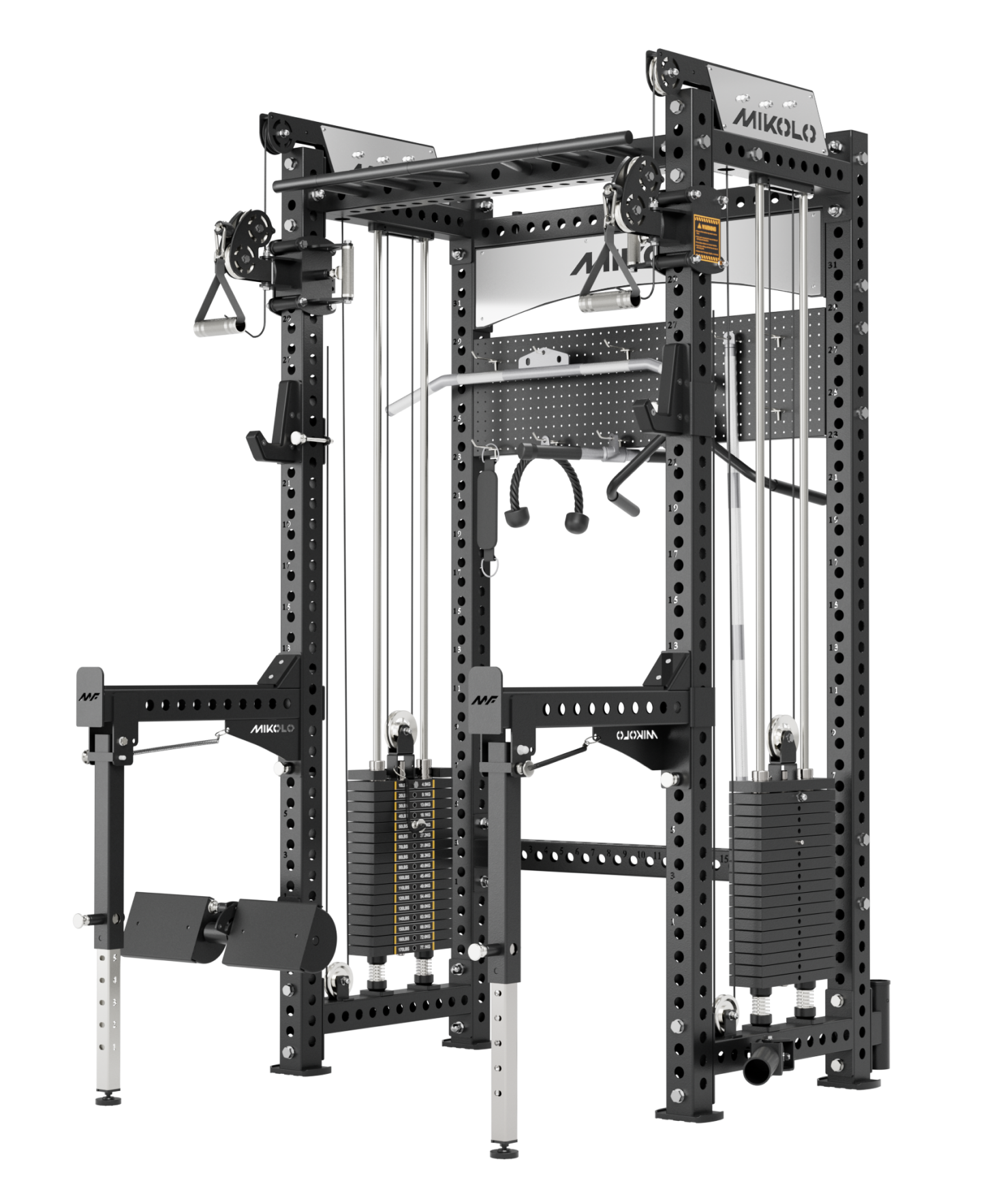
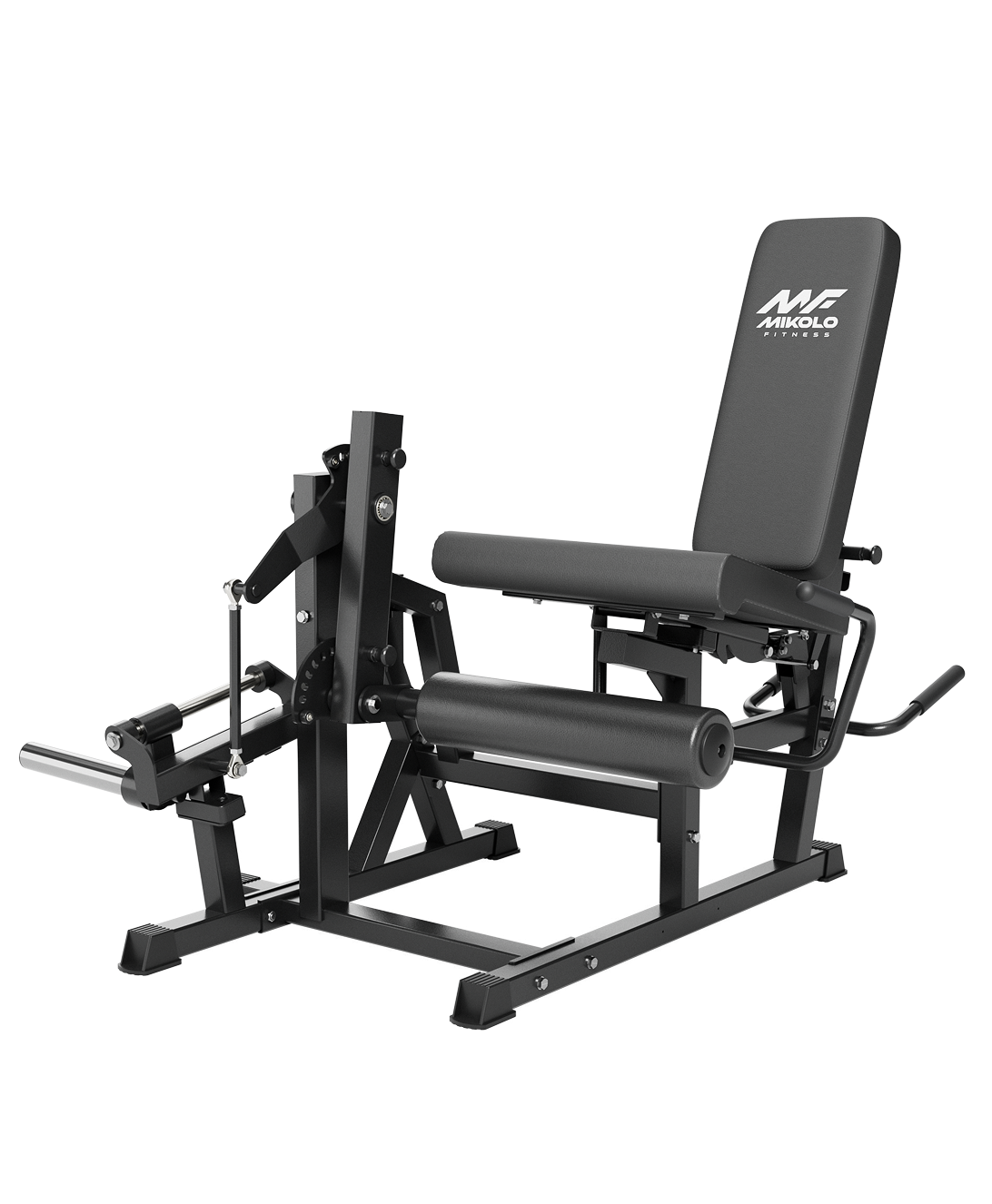
A plate-loaded machine uses Olympic weight plates as resistance.

Instead of pulling from a weight stack, the movement is driven directly by loaded plates attached to lever arms.

This style has been around for decades, especially in strength-focused gyms.

And honestly, a good plate-loaded machine still delivers one of the most satisfying training experiences for lower-body isolation work.

Pros of Plate-Loaded Leg Machines

1. More Direct Resistance Feel

This is usually the first thing experienced lifters notice.

Plate-loaded machines tend to feel more "connected" to the movement.

The resistance feels immediate and mechanical in a good way — especially during hard quad contractions.

A lot of lifters describe it as:

  • more aggressive

  • more raw

  • more engaging

Compared to some cable systems that can feel slightly muted.

2. Better for Heavy Training

If your training style includes:

  • lower rep sets

  • controlled overload

  • high-intensity leg work

plate-loaded setups usually excel here.

The leverage-driven movement often creates a stronger feeling of resistance during challenging sets.

That's one reason many advanced lifters still prefer plate-loaded leg extensions for hypertrophy-focused training.

3. Simpler Long-Term Maintenance

Fewer pulleys. Fewer cables. Fewer moving parts.

That simplicity matters in a home gym.

Cable systems can absolutely work well, but over time they may require:

  • cable replacements

  • pulley maintenance

  • tension adjustments

A well-built plate-loaded machine is usually more straightforward mechanically.

4. More Natural for Progressive Overload

Adding plates is simple, familiar, and fast.

For many lifters, plate-loaded training also creates a more psychological connection to progression.

You see the plates adding up. You feel the weight increase.

And that matters more than people think.

Cons of Plate-Loaded Machines

Of course, not every plate-loaded machine feels good.

This is where design matters a lot.

Poorly designed models often suffer from:

  • inconsistent resistance

  • tension dropping near lockout

  • awkward leverage

  • uncomfortable joint positioning

  • "dead spots" during the rep

This is why some cheaper leg extension machines feel great for the first half of the movement… then suddenly lose all challenge near the top.

And when tension disappears, the training effect changes too.

What Is a Cable Leg Extension Machine?

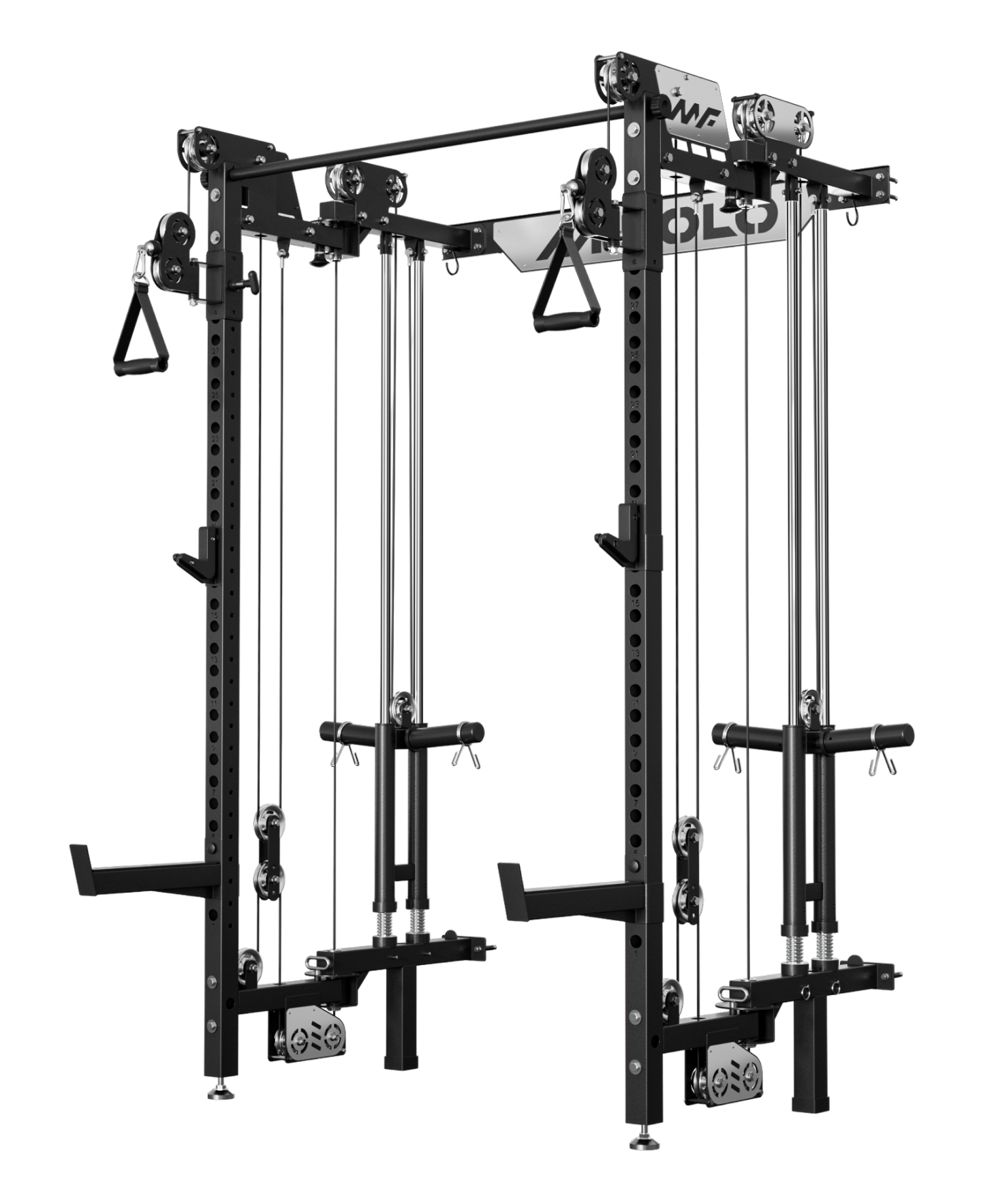
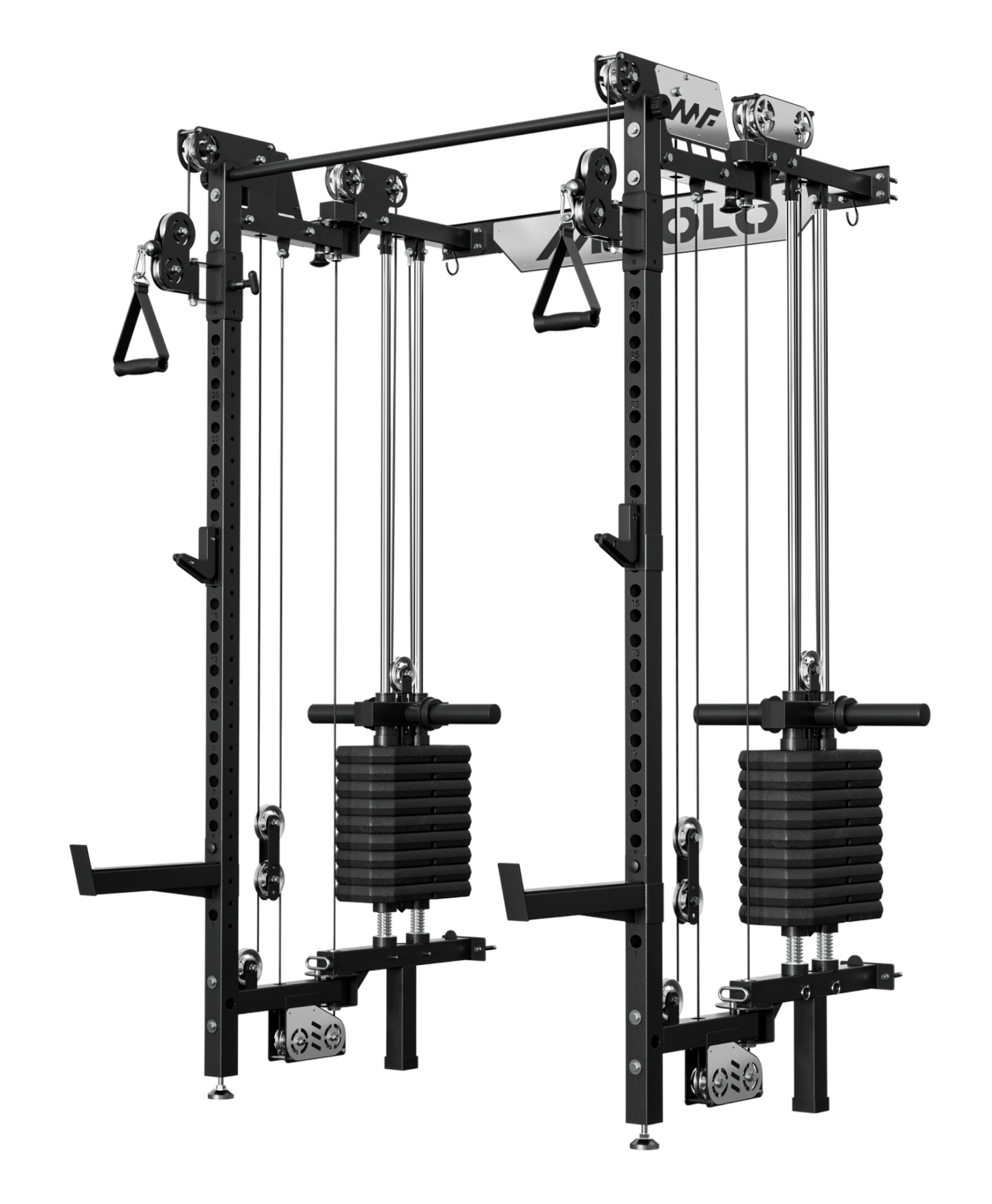
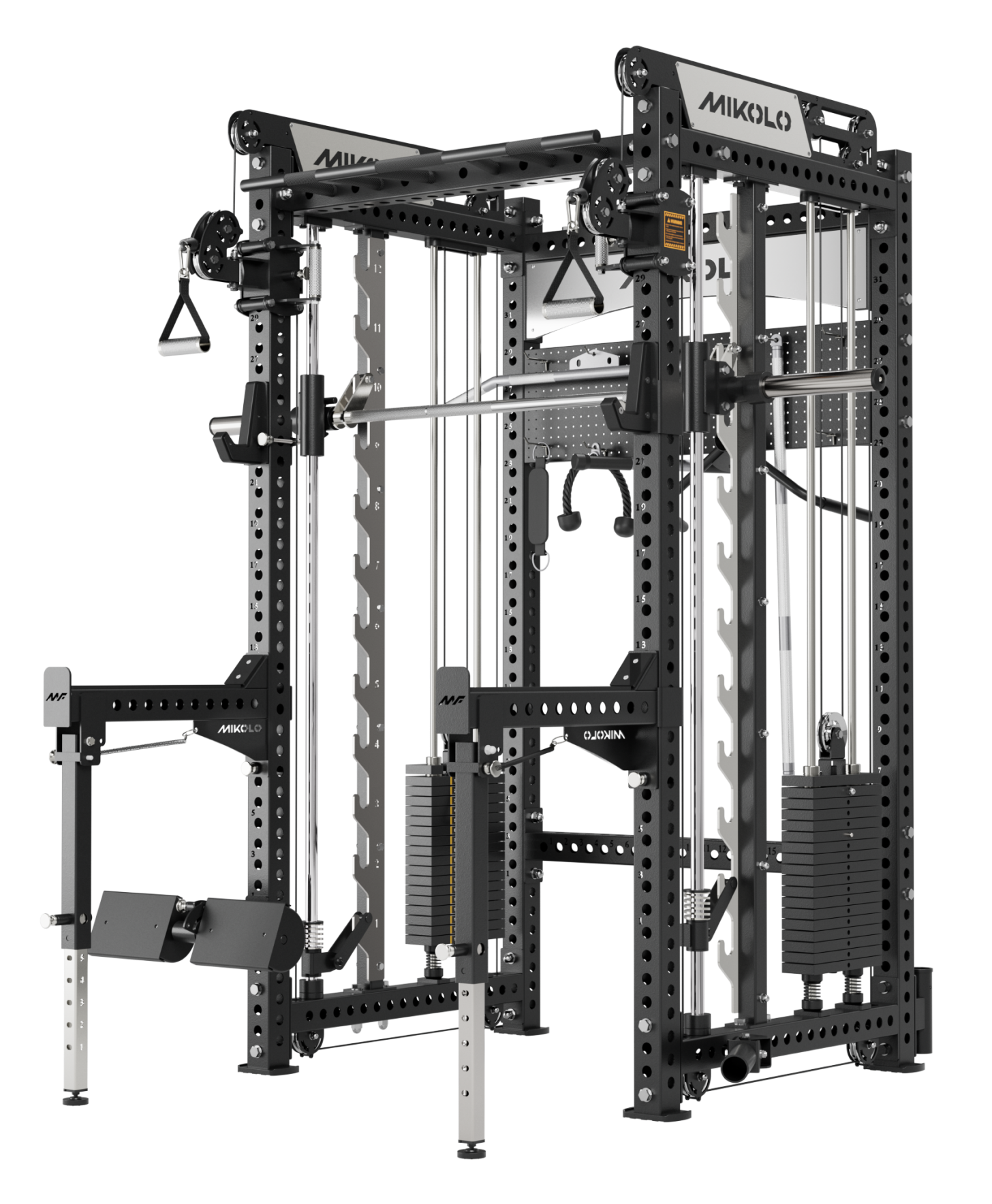
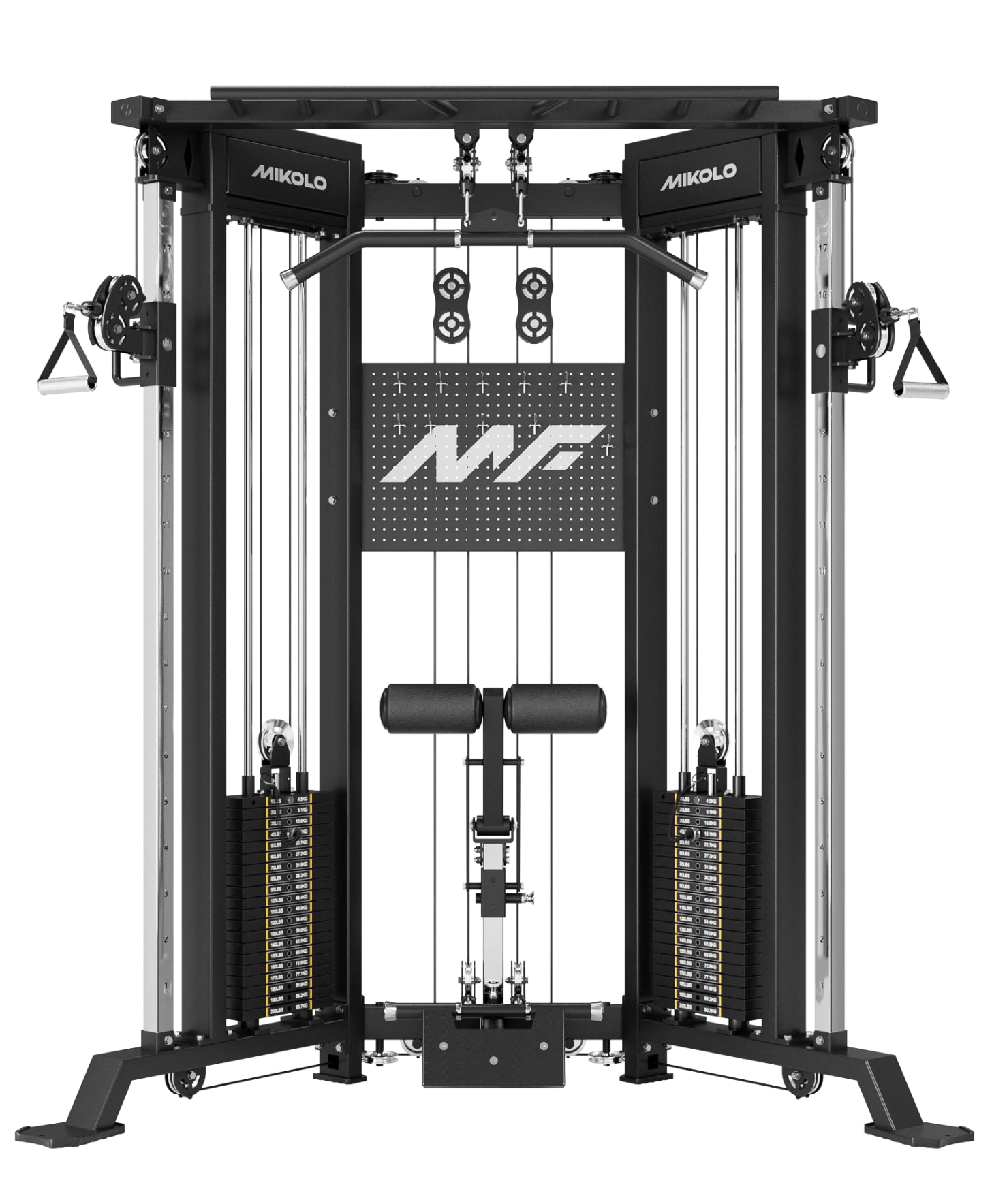
Cable-based machines use pulleys and cable systems to create resistance instead of direct lever loading.

These designs have become increasingly popular in compact home gyms because they often:

  • save space

  • integrate with functional trainers

  • allow quick weight changes

Some modern selectorized systems also feel very smooth during movement.

Pros of Cable Leg Machines

1. Smooth Movement Pattern

Cable systems are often praised for their fluid feel.

The movement can feel:

  • lighter on the joints

  • more controlled

  • very consistent

For beginners or casual users, this can make the machine feel approachable immediately.

2. Faster Weight Adjustments

Selectorized cable systems allow quick changes between sets.

That's especially convenient for:

  • drop sets

  • supersets

  • multiple users

without constantly moving plates around.

3. More Compact Setups

Many cable-based leg extensions integrate into all-in-one gym systems.

If space is extremely limited, that can be a major advantage.

Especially for garage gyms or apartment training spaces.

Cons of Cable Leg Machines

The downside?

Some cable systems lose the strong muscular feedback that makes isolation work feel effective.

Depending on the design, they can sometimes feel:

  • overly smooth

  • less connected

  • less challenging during peak contraction

And for experienced lifters chasing hard quad or hamstring fatigue, that difference becomes noticeable quickly.

Another issue is that certain cable systems reduce resistance too much during parts of the range of motion.

The movement stays smooth — but not necessarily demanding.

And those aren't always the same thing.

Which One Builds More Muscle?

Honestly, both can build muscle extremely well.

The bigger factor is how well the machine maintains meaningful tension throughout the movement.

That's what really matters for:

  • hypertrophy

  • effective reps

  • muscular fatigue

  • contraction quality

A poorly designed plate-loaded machine can feel terrible.

A well-designed cable system can feel excellent.

But many experienced lifters still lean toward plate-loaded designs for serious lower-body isolation because they often provide:

  • stronger peak contractions

  • more direct resistance

  • better training feedback

  • a more aggressive quad and hamstring stimulus

Especially during hard sets close to failure.

Why Resistance Quality Matters More Than the System Itself

This is where smarter machine design changes everything.

The real goal isn't simply:

  • plate-loaded or

  • cable

The goal is creating resistance that actually matches how the body produces force during the movement.

That's why newer machines like the NOVA™ focus heavily on:

  • resistance consistency

  • smoother leverage transitions

  • improved contraction feel

  • better tension through peak contraction

Instead of relying purely on heavy load alone.

In real training, that translates to:

  • less unloaded "dead space"

  • stronger top-end contraction

  • more controlled reps

  • more productive quad and hamstring work

And honestly, that's what most serious home gym lifters are after.

Better reps.

Not just bigger machines.

Which One Is Better for a Home Gym?

It depends on your priorities.

If you want:

  • compact convenience

  • quick adjustments

  • lighter overall feel

a cable system may fit your setup well.

But if your focus is:

  • hypertrophy

  • hard training

  • stronger muscle contractions

  • direct resistance feel

  • long-term progression

many lifters still prefer a high-quality plate-loaded setup.

Especially when the machine is designed to maintain better tension throughout the movement instead of losing resistance near the top.

Final Thoughts

The debate between plate-loaded and cable leg machines isn't really about which one is universally superior.

It's about training feel.

Because the best machine is the one that keeps your muscles working hard from the first rep to the last.

That means:

  • consistent tension

  • smooth mechanics

  • strong contractions

  • controlled resistance

  • minimal dead spots

And once you train on a machine that delivers all of those together, the difference becomes obvious pretty quickly.

Not just in how the movement feels.

But in how your legs respond to the work.


Reading next

Leave a comment

This site is protected by hCaptcha and the hCaptcha Privacy Policy and Terms of Service apply.

Articles & Guides

View all

What Is a Squat Rack: How to Choose the Right One for Your Home Gym

If you're setting up a home gym, choosing the right squat rack can feel overwhelming. There are squat stands, half racks, power racks, and folding racks—and they all seem similar at first.But the...

What Do Preacher Curls Work: Complete Guide to Target Muscles and Benefits

Preacher curls are a go-to move for building bigger, stronger arms. Whether you’re using a preacher curl bench, dumbbells, or a cable machine setup, this exercise is designed to isolate your biceps...

Smith Machine Guide: Benefits, Exercises & Best Options for Home Gym

The Smith machine is a staple in many gyms—a barbell fixed on steel rails, moving only up and down in a straight path. Unlike free weights, it guides your motion and comes with built-in safety hook...