












The incline dumbbell fly is one of the most effective and underrated movements for sculpting the upper chest. While exercises like incline bench press often take center stage, the incline fly and its variations offer a unique stretch and contraction that isolates the pectorals in a way pressing simply can’t.
What Is the Incline Dumbbell Fly?
The incline dumbbell fly is a chest isolation exercise performed on an incline bench, typically set between 30–45 degrees. Unlike pressing exercises where the triceps and shoulders assist heavily, the fly motion stretches and contracts the pecs through a wide arc, putting more focus on the chest—especially the clavicular (upper) portion.
Muscles Worked in the Incline Fly
Primarily, the upper pectorals (pectoralis major, clavicular head) are targeted. Secondary muscles include:
-
Anterior deltoids (front shoulders)
-
Serratus anterior
-
Biceps (as stabilizers)
The wider range of motion and fly pattern create a deeper stretch, which can stimulate muscle growth in a different way than compound lifts.
How to Perform the Incline DB Fly Correctly
-
Set up your bench to a 30–45° incline.
-
Grab a pair of dumbbells and lie back, feet flat on the floor.
-
Start with the dumbbells above your chest, palms facing each other, with a slight bend in your elbows.
-
Lower the dumbbells in an arc, feeling a deep stretch across your chest.
-
Stop when your elbows are level with your torso, or just below.
-
Squeeze your chest and bring the dumbbells back up in the same arc.
Common Variations
-
Incline DB Fly Press: Mixes pressing and fly mechanics—great for adding time under tension.
-
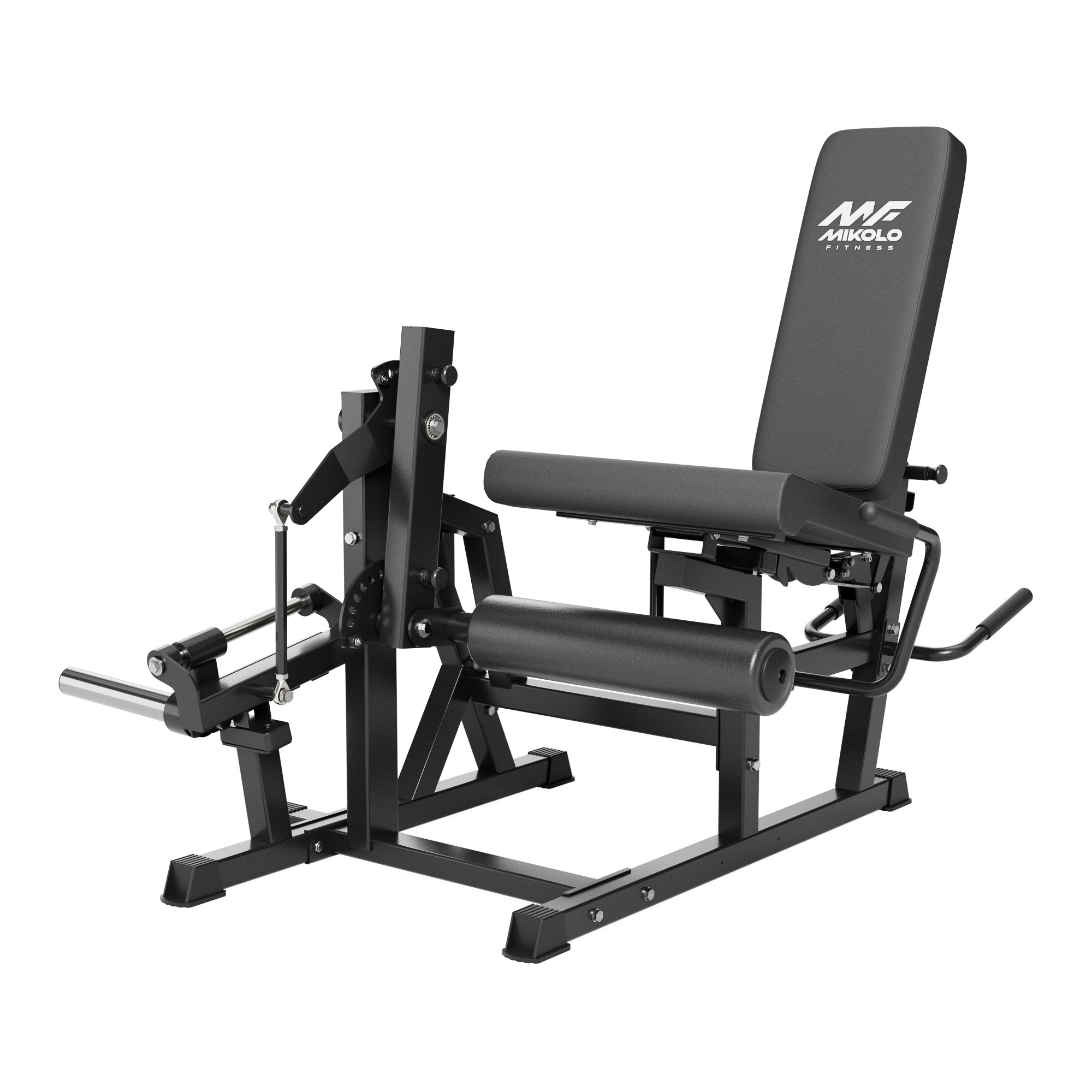
Incline Pec Flys (machine-based): Good for beginners or burnout sets at the end of a workout.
-
Low Incline Dumbbell Fly: Targets a blend of upper and mid-chest.
-
Incline Fly with Close Press: Adds a pressing motion at the top to maximize contraction.
Key Tips for Better Form
-
Maintain a slight bend in the elbows—don’t turn it into a wide press.
-
Avoid going too heavy. This is about control, not ego.
-
Don’t bounce or rush—control the eccentric (lowering) phase.
-
Keep your wrists aligned over your elbows to prevent strain.
Personal Insight: What Made the Difference
When I first incorporated incline dumbbell flyes into my routine, I treated them like a filler between pressing sets. But once I slowed them down and focused on tension and form—especially with a low incline and moderate weight—I noticed a sharper line develop in my upper chest. For anyone struggling with a flat or underdeveloped chest, especially in the upper region, this movement can be a game changer.
When and How to Add Them
Add 3–4 sets of 10–15 reps after your main incline press or chest movement. Incline flies work best as a hypertrophy (muscle-building) tool, so think form, stretch, and squeeze, not maximum load.
Final Thoughts
The incline dumbbell fly may not move the most weight in the gym, but in terms of chest development and muscle engagement, it punches well above its weight. Whether you’re doing incline chest flys with dumbbells, machines, or a fly-press hybrid, this movement deserves a permanent spot in your routine—especially if upper chest development is your goal.


Leave a comment
This site is protected by hCaptcha and the hCaptcha Privacy Policy and Terms of Service apply.