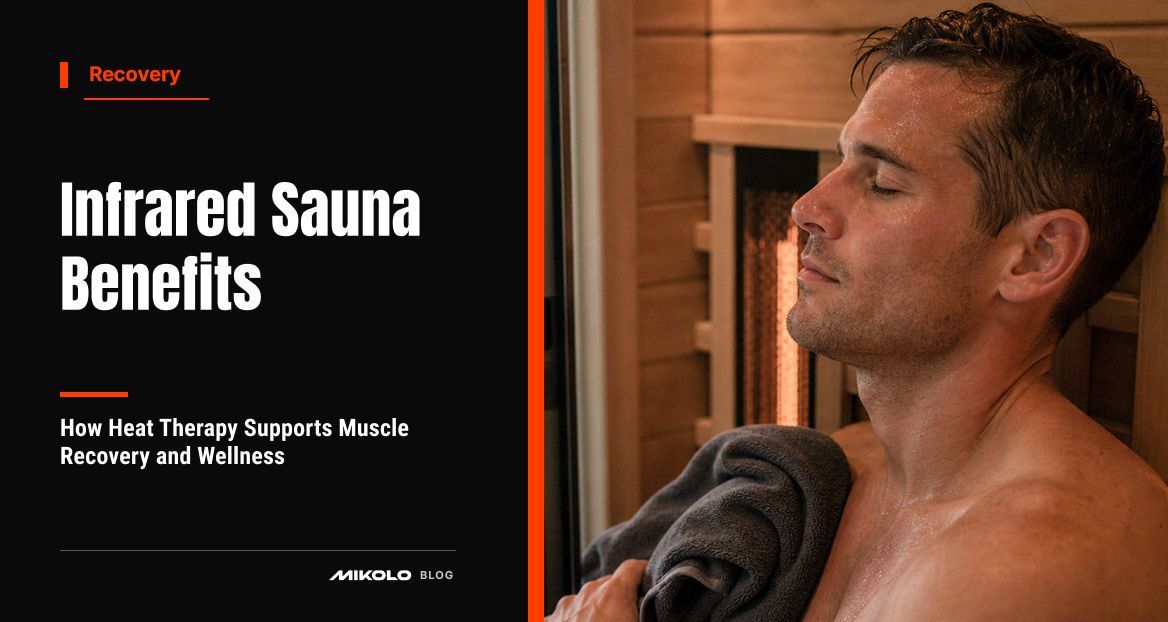
Infrared saunas have become increasingly popular among fitness enthusiasts, athletes, and home gym owners looking for better ways to recover after training. Unlike traditional saunas that heat the surrounding air first, infrared saunas use infrared light to create radiant heat that warms your body more directly at a lower temperature.
For people who regularly lift weights or perform high-intensity workouts, recovery is just as important as training. While an infrared sauna cannot replace proper nutrition, sleep, or a well-designed training program, it can be a practical addition to a home gym recovery routine.
But are infrared saunas truly worth adding to your fitness space, or are they simply another wellness trend? Understanding how infrared heat works and what benefits are actually supported by research can help you make a smarter decision.
Quick Summary: Are Infrared Saunas Worth It for a Home Gym?
An infrared sauna can be a valuable recovery tool for home gym owners who want to add relaxation and heat therapy to their routine.
Potential benefits include:
- Helping reduce feelings of muscle stiffness after workouts
- Supporting circulation through natural heat responses
- Promoting relaxation and stress relief
- Creating a dedicated recovery routine at home
What infrared saunas cannot do:
- They do not replace exercise or proper nutrition
- They are not a shortcut for fat loss
- They do not "remove toxins" from your body better than your natural detoxification systems
For most fitness enthusiasts, the biggest value of an infrared sauna comes from consistent recovery habits rather than dramatic results from a single session.
Infrared Sauna vs Traditional Sauna: What's the Difference?
The biggest difference between infrared saunas and traditional saunas is how heat is delivered.
Traditional saunas heat the surrounding air, which then warms your body. This usually requires higher temperatures, often around 150°F–195°F depending on the sauna type.
Infrared saunas use infrared panels to produce radiant heat that is absorbed by your body. Because the air temperature does not need to reach the same levels, many users find infrared sessions more comfortable and easier to tolerate.
| Feature |
Traditional Sauna |
Infrared Sauna |
| Heating Method |
Heats the surrounding air |
Uses infrared panels to create radiant heat |
| Temperature Range |
Higher temperatures (150°F–195°F) |
Lower temperatures (120°F–150°F) |
| Heat Experience |
Hot air environment |
More gentle, direct warming sensation |
| Warm-Up Time |
Usually longer |
Typically faster |
| Home Gym Suitability |
Requires more heat tolerance and space planning |
Often easier to integrate into home wellness spaces |
For home gym owners, infrared saunas are often appealing because they provide a convenient recovery option without requiring extremely high temperatures or complicated installation.
How Infrared Sauna Supports Muscle Recovery
One of the main reasons athletes and lifters use infrared saunas is to support recovery after demanding workouts.
During exercise, muscles experience temporary stress and fatigue. Recovery depends on many factors, including sleep, hydration, nutrition, mobility work, and managing training volume.
Heat exposure may support this process by increasing blood flow and helping the body relax after physical activity.
Supports Circulation
When your body is exposed to heat, blood vessels naturally expand through a process called vasodilation. This helps regulate body temperature and increases circulation.
For active individuals, improved circulation may support the delivery of oxygen and nutrients involved in normal recovery processes after training.
Helps Reduce Muscle Stiffness
Many users include infrared sauna sessions after strength training because the warmth can help loosen tight muscles and create a feeling of relaxation.
While infrared sauna use is not a direct treatment for muscle soreness, it can be a useful addition to a broader recovery routine.
Supports Relaxation and Sleep
Recovery is not only physical. Stress and poor sleep can negatively affect training performance.
A quiet sauna session can provide a dedicated period of relaxation after a busy day. The cooling process after heat exposure may also help some people transition into a more restful state before sleep.
Infrared Sauna Benefits: Separating Facts From Common Claims
Infrared saunas are often marketed with many different health claims. Understanding what is realistic is important.
Can Infrared Saunas Burn Calories?
Heat exposure does increase heart rate because your body works to regulate temperature. This means you may burn more calories during a sauna session than while sitting in a normal environment.
However, the calorie expenditure is still much lower than actual exercise.
An infrared sauna should be viewed as a recovery and wellness tool—not a replacement for strength training, cardio, or a balanced diet.
Do Infrared Saunas Detox Your Body?
"Sweating out toxins" is one of the most common sauna claims, but it is often exaggerated.
Your liver and kidneys perform the majority of the body's detoxification processes. Sweat contains small amounts of certain substances, but sweating is not the primary way your body removes unwanted compounds.
The more practical benefits of sweating include temperature regulation, relaxation, and the refreshed feeling many people experience after a sauna session.
What to Look For in a Home Infrared Sauna
If you are considering adding an infrared sauna to your home gym, focus on quality, safety, and long-term usability.
Low-EMF Design
Because infrared saunas use electrical heating components, EMF levels can vary between models.
Look for manufacturers that provide transparent information about testing and electrical design rather than relying only on marketing claims.
Quality Wood Construction
The sauna interior is exposed to repeated heat cycles, so material quality matters.
Common premium sauna materials include:
- Canadian Hemlock
- Western Red Cedar
These woods are popular because of their durability, stability, and ability to handle repeated temperature changes.
Carbon Heating Panels
Modern infrared saunas commonly use carbon heating technology because it provides more even heat distribution across a larger surface area.
For home users, consistent comfort is often more important than simply achieving the highest temperature possible.
Proper Size and Installation Requirements
Before purchasing, consider where the sauna will be placed.
Compact one-person and two-person infrared saunas are popular choices for:
- Garage gyms
- Home fitness rooms
- Basements
- Wellness spaces
Always check the required electrical setup and available space before installation.
Is an Infrared Sauna Worth Adding to Your Home Gym?
For strength athletes, home gym owners, and fitness enthusiasts, an infrared sauna can be a practical addition to a recovery-focused lifestyle.
It works best as part of a complete approach that includes:
- Consistent training
- Proper nutrition
- Quality sleep
- Mobility and recovery work
An infrared sauna is not a replacement for hard work in the gym, but it can create a more complete training environment by giving you a dedicated space to relax and recover.
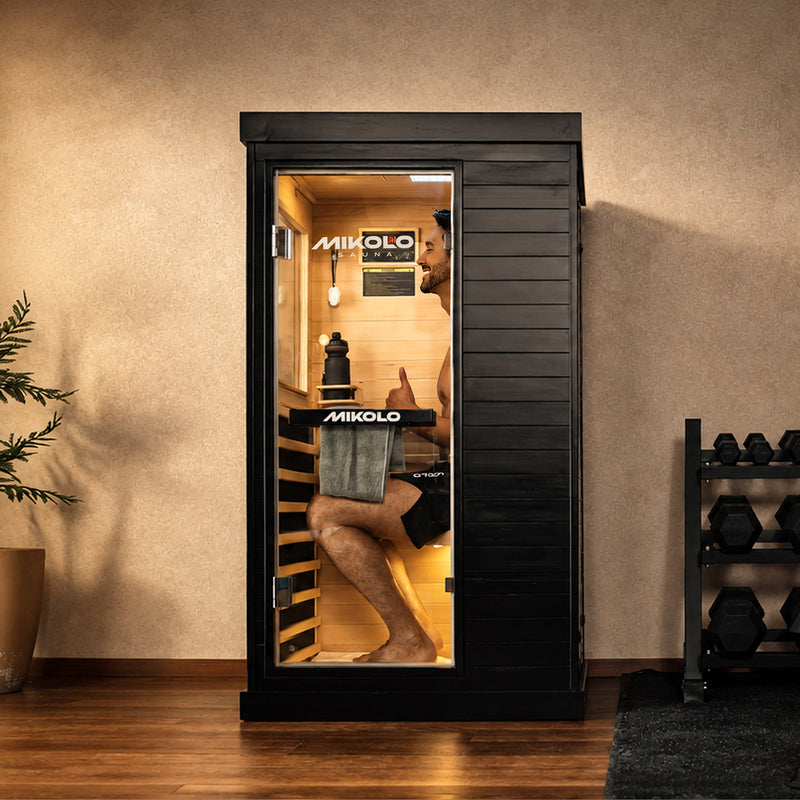
If you are building a home gym focused on both performance and wellness, explore the Mikolo Far Infrared Sauna. Designed with premium materials and carbon heating technology, it provides a comfortable recovery experience that fits naturally into a modern home fitness setup.
Frequently Asked Questions
How often should a beginner use an infrared sauna?
Beginners can start with 2–3 sessions per week for around 10–20 minutes. As your body adapts, session length can gradually increase based on comfort and hydration.
Can infrared sauna help with muscle recovery after lifting?
Infrared sauna sessions may support recovery by promoting relaxation, circulation, and reducing feelings of stiffness after exercise. However, they should be combined with proper sleep, nutrition, and training management.
Is it better to use an infrared sauna before or after a workout?
Most people use infrared saunas after workouts as part of their recovery routine. A short session before training may help some users feel warmer and more relaxed, but it should not replace an active warm-up.
When should you leave an infrared sauna?
If you experience dizziness, headache, nausea, unusual discomfort, or excessive fatigue, leave the sauna, cool down, and drink water.























Leave a comment
This site is protected by hCaptcha and the hCaptcha Privacy Policy and Terms of Service apply.