If you've spent time in a commercial gym, you've probably seen a hack squat machine. It looks a little different from a barbell squat, but the basic idea is familiar: bend your knees and hips, lower your body, then drive back up.
So, what is a hack squat?
A hack squat is a machine-based squat where your back and shoulders stay supported while you push a weighted sled along a fixed track. Because the machine guides the load, you don't have to balance a barbell on your back or control it from side to side.
That makes the hack squat a popular way to train the legs, especially the quads, while taking some of the balance and stabilization demands out of the movement.
For home gym owners, there's another reason to pay attention to hack squats: some machines combine the movement with a leg press, giving you more lower-body training options without buying two large pieces of equipment.
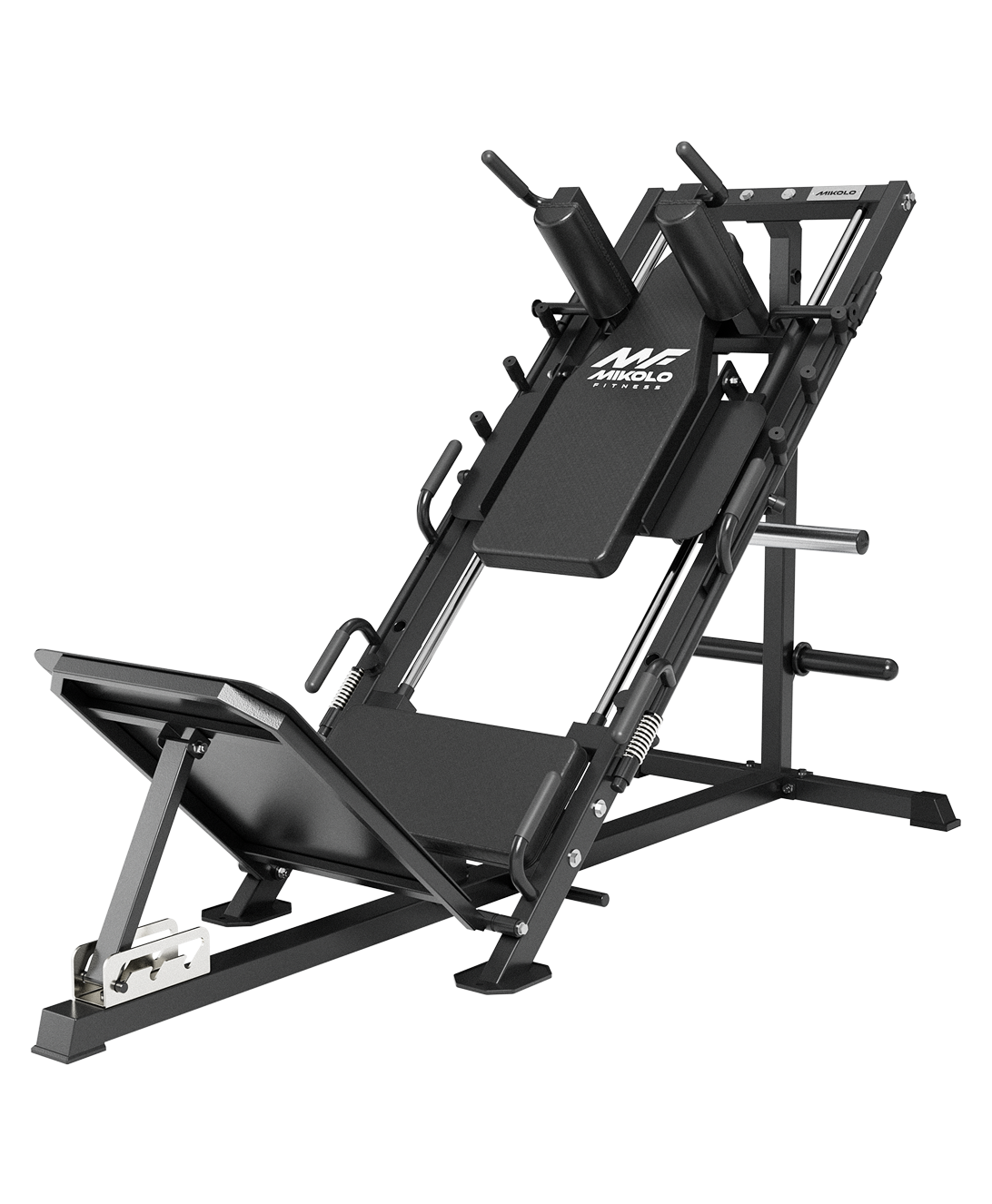
A typical hack squat machine has a back pad, shoulder pads, a footplate, and a sled that moves along rails.
You step onto the platform, position your shoulders and back against the pads, and unlock the safety mechanism. From there, you bend your knees and hips to lower the sled before pushing it back up.
The machine controls the path of the weight. That's the biggest difference between a hack squat and a barbell squat.
With a barbell squat, you have to stabilize the weight yourself. Your legs do the heavy lifting, but your core, upper back, and other muscles also work to keep the bar in position.
A hack squat removes much of that balancing work. You can concentrate more on your lower body and less on keeping the weight steady.
Machine design still matters, though. The angle of the rails, footplate position, back-pad angle, and available range of motion can all change how a hack squat feels.
The quadriceps are the main muscles trained by the hack squat, but they aren't working alone.
Your quads extend the knee as you drive the sled upward. If you use a stance that allows comfortable knee travel, the movement can feel especially demanding on the front of your thighs.
That's one reason hack squats are commonly used for quad-focused leg training.
Glutes and Adductors
Your glutes help extend the hips as you stand back up. The adductors, including the adductor magnus, also contribute to the movement.
A deeper squat and different foot positions can change how much you feel these muscles working.
Hamstrings and Calves
Your hamstrings assist with hip extension and help control the descent. Your calves help keep your ankles stable and your feet planted on the platform.
Your core still has to work, but the machine does much of the stabilization for you.
Since your back and shoulders are supported, a hack squat generally requires less trunk stability than a free-weight squat. That can be useful when your main goal is to challenge your legs rather than your balance.
The exact setup depends on the machine, but the basic movement is straightforward.
1. Set your feet. Place your feet flat on the platform, roughly around shoulder width to start. Keep your back and shoulders firmly against the pads.
2. Release the safety. Make sure you're properly positioned before unlocking the sled. Take a breath and brace your midsection.
3. Lower the sled. Bend your knees and hips and lower the weight under control. Keep your back and hips supported against the pads.
4. Drive back up. Push through your feet and extend your knees and hips. Keep your feet planted and avoid bouncing out of the bottom.
You don't need to force a specific depth. Go as deep as you can while maintaining control, good positioning, and a comfortable range of motion.
And don't let the machine's ability to hold a lot of weight tempt you into loading more than you can handle. A controlled 10-rep set is worth more than a sloppy 5-rep set just because there are more plates on the machine.
It can change where you feel the movement, but there's no magic foot position that isolates one muscle.
A lower foot position usually means more knee travel and can make the hack squat feel more quad-dominant.
A higher position reduces knee travel and may shift relatively more work toward the hips and glutes.
A narrower stance often feels more quad-focused, while a wider stance can bring the adductors into the movement more.
Start with the position that feels stable and comfortable. Your body proportions and the machine itself matter more than copying someone else's exact stance.
"The main advantage is simple: you can train your legs hard without having to balance a free weight."
A few other benefits stand out.
-
More stability: The back and shoulder pads support you throughout the movement.
-
Strong quad focus: The machine works well for lower-body training when quad development is a priority.
-
Less balance demand: You can focus on knee and hip extension without spending as much effort controlling the load.
-
Easy to progress: Plate-loaded machines make it straightforward to add resistance as you get stronger.
-
Useful for solo training: A machine with properly designed safety stops can be convenient when you're training at home by yourself.
That doesn't make hack squats a replacement for barbell squats. They simply solve a different training problem.
Both exercises use a squat pattern, but the experience is very different.
|
Hack Squat |
Barbell Squat |
| Weight path |
Guided |
Self-controlled |
| Back support |
Yes |
No |
| Balance demand |
Lower |
Higher |
| Core demand |
Lower |
Higher |
| Main focus |
Lower body |
Full-body stabilization + lower body |
A barbell squat makes you control the entire load. That's part of what makes it valuable.
A hack squat gives you more support, which can make it easier to focus on your legs and accumulate lower-body training volume.
You can use both in the same training program. One doesn't have to replace the other.
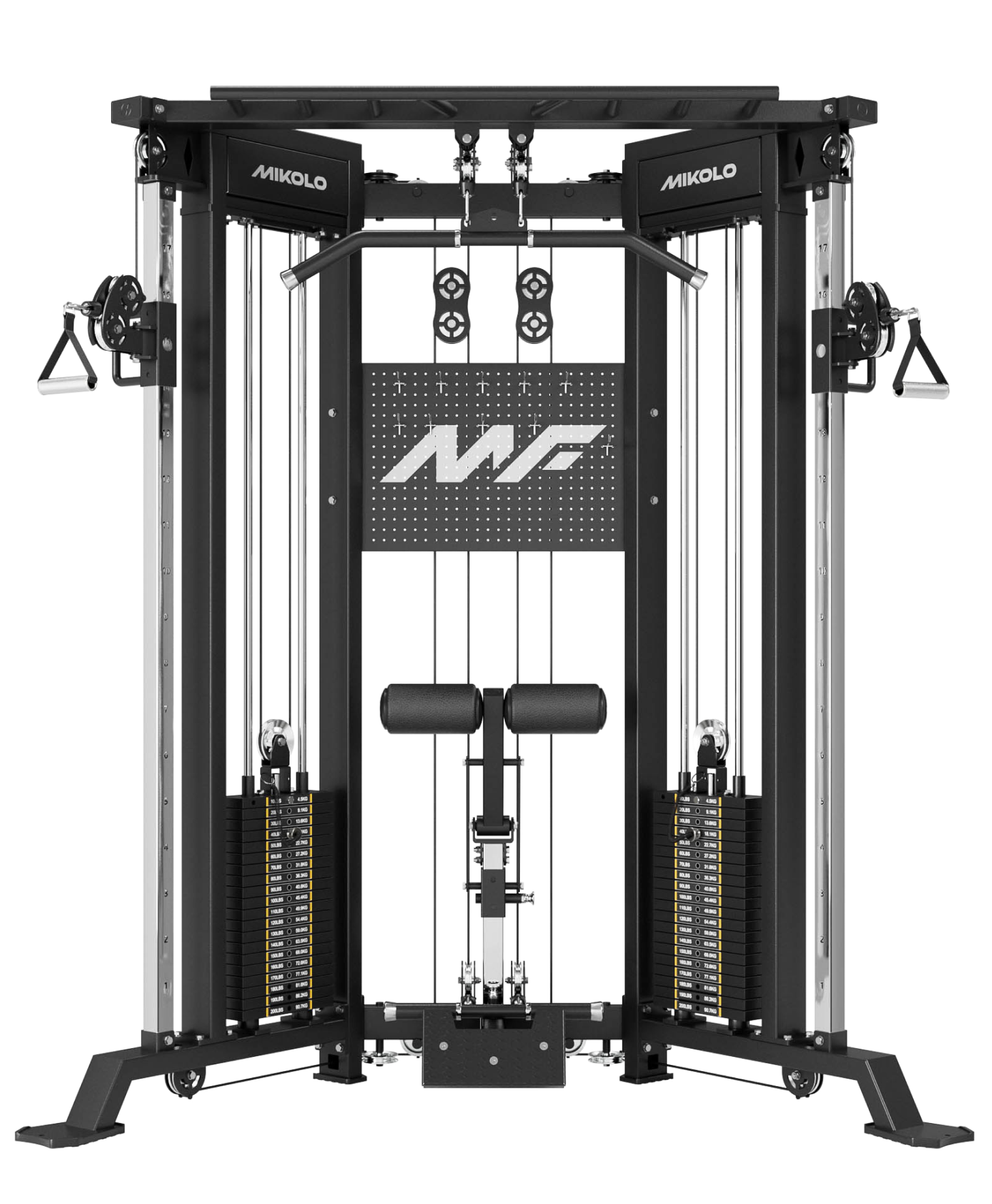
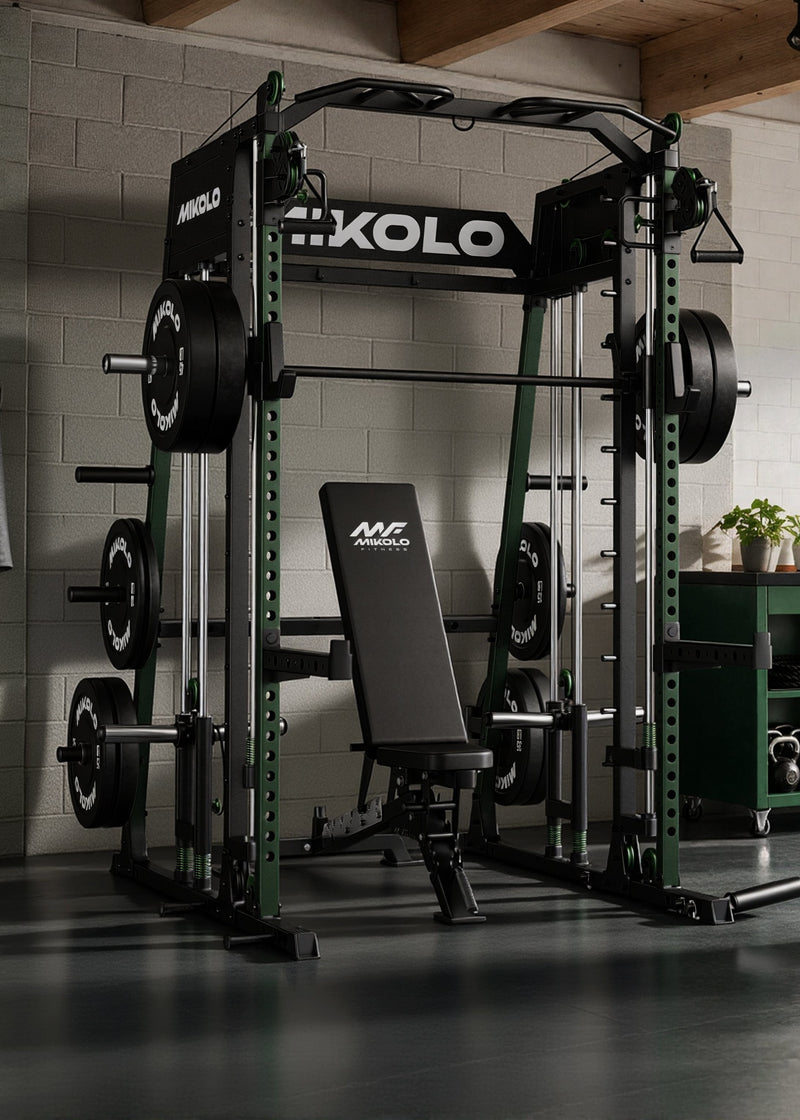
If you like the stability of guided training but want a broader range of exercises, a MIKOLO Smith Machine can also give you a fixed bar path for squats, presses, and other movements.
The leg press is another popular machine for lower-body training, but the setup is different.
On a hack squat, your torso stays supported while you squat against the sled. On a leg press, you're usually seated or reclined and press the platform away from you.
The leg press gives you plenty of support and is well suited to heavy lower-body work. The hack squat feels more like a squat and tends to put more emphasis on the knee-extension side of the movement.
For a commercial gym, having both machines isn't unusual.
For a home gym, however, floor space changes the equation.
Can You Combine a Hack Squat and Leg Press?
If you're building a home gym, buying a separate machine for every exercise isn't always practical.
That's where a combination machine can make sense.
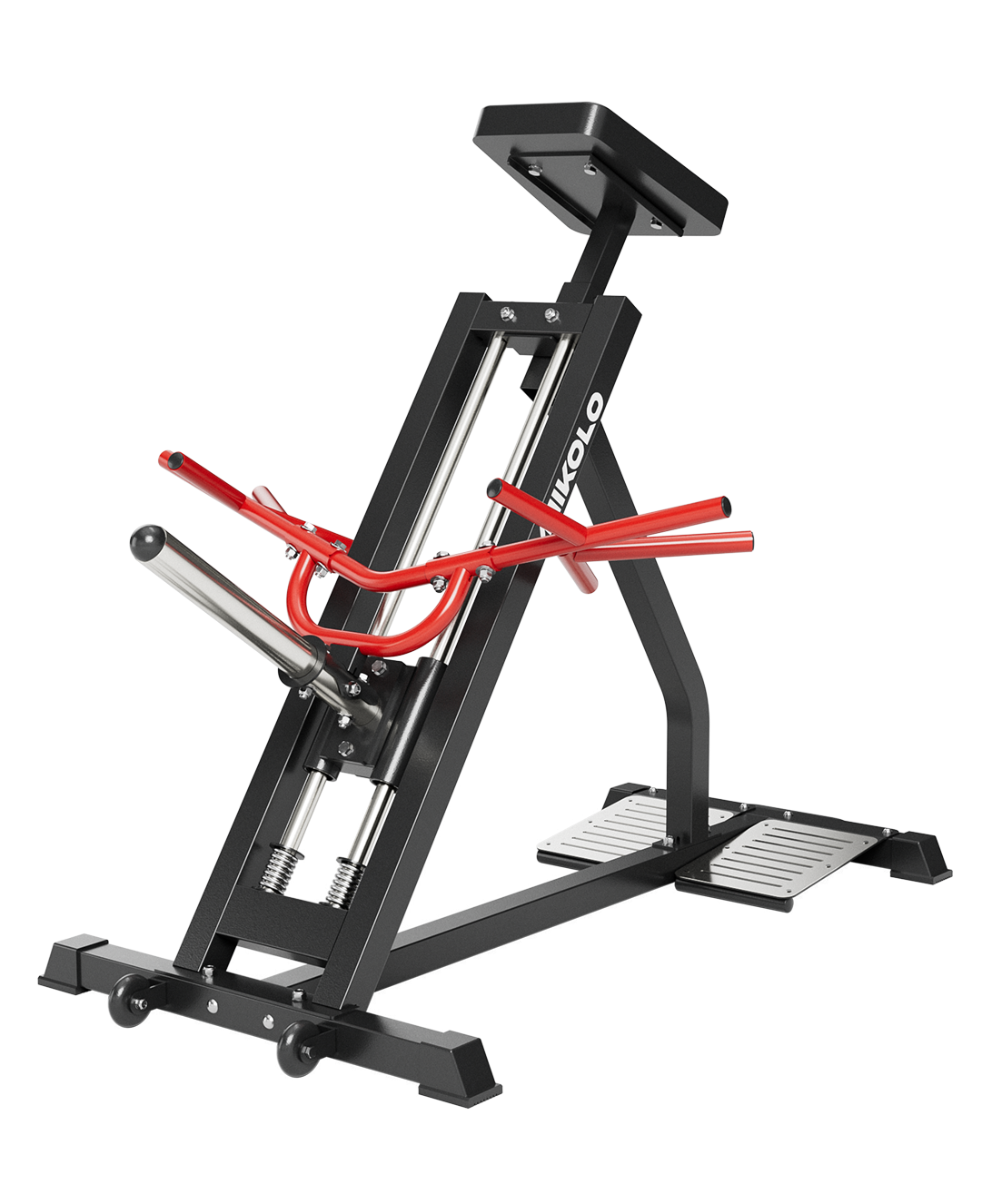
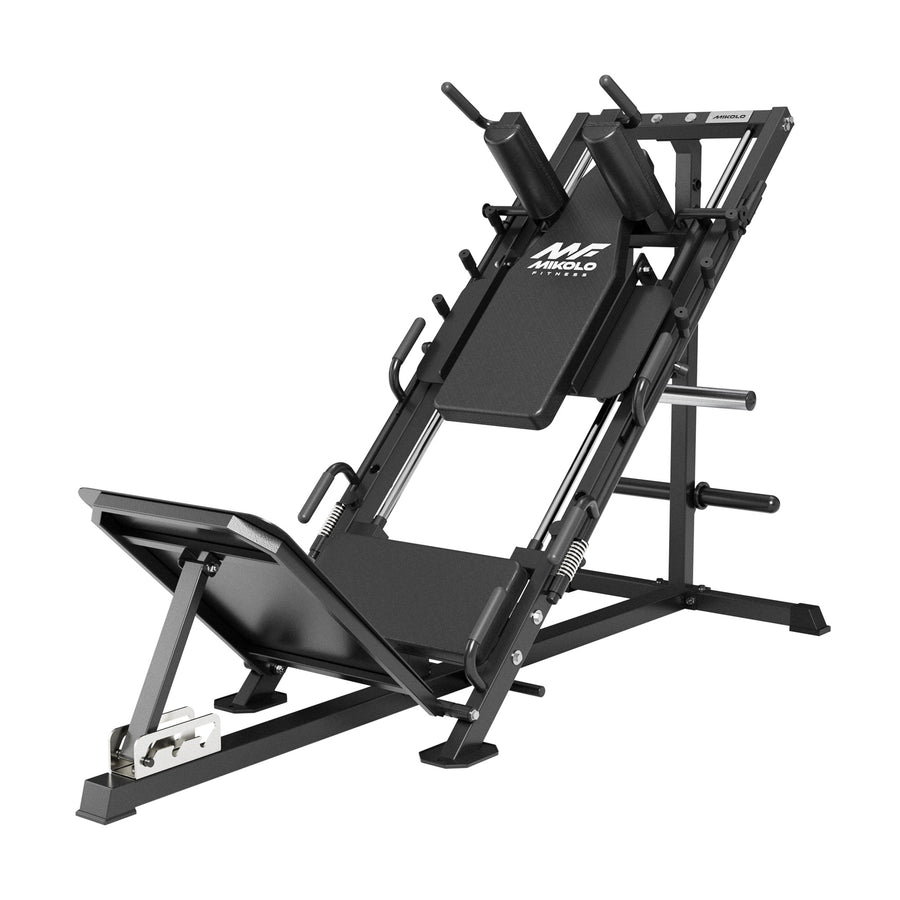
The MIKOLO DD10 2-in-1 Leg Press Hack Squat Machine combines both movements in one machine. It also supports reverse hack squats and single-leg leg presses, giving you more ways to train your lower body without adding another large machine.
The DD10 has an 18.8-square-foot footprint, adjustable footplates, and a 45° design. It's built for users around 4'9" to 6'3" and uses a plate-loaded sled. That makes it particularly relevant for home gyms where floor space is limited but lower-body training is still a priority.
The advantage isn't just having more exercises on paper. It's having one piece of equipment that can handle different parts of a leg workout without taking up the space of two separate machines.
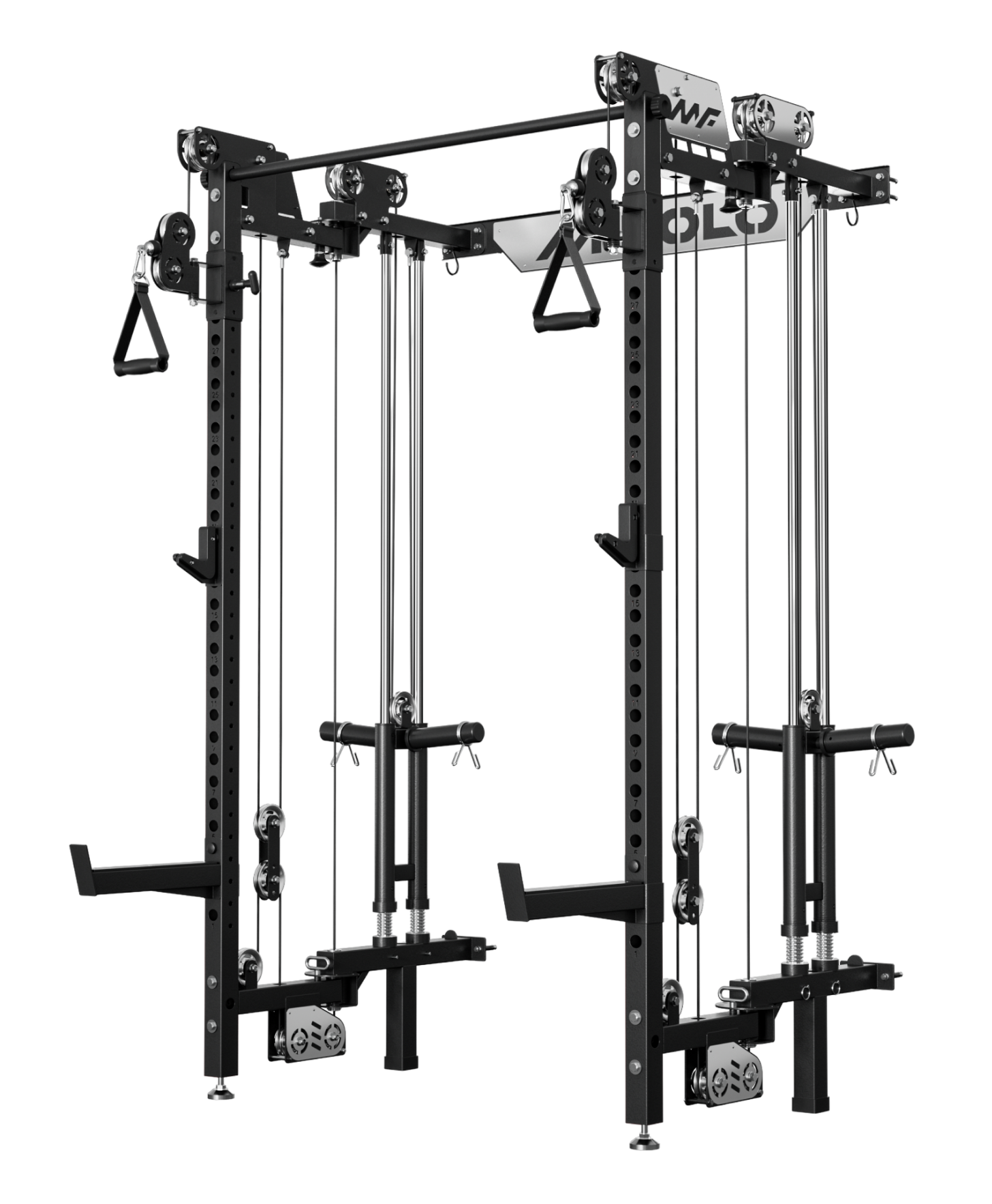
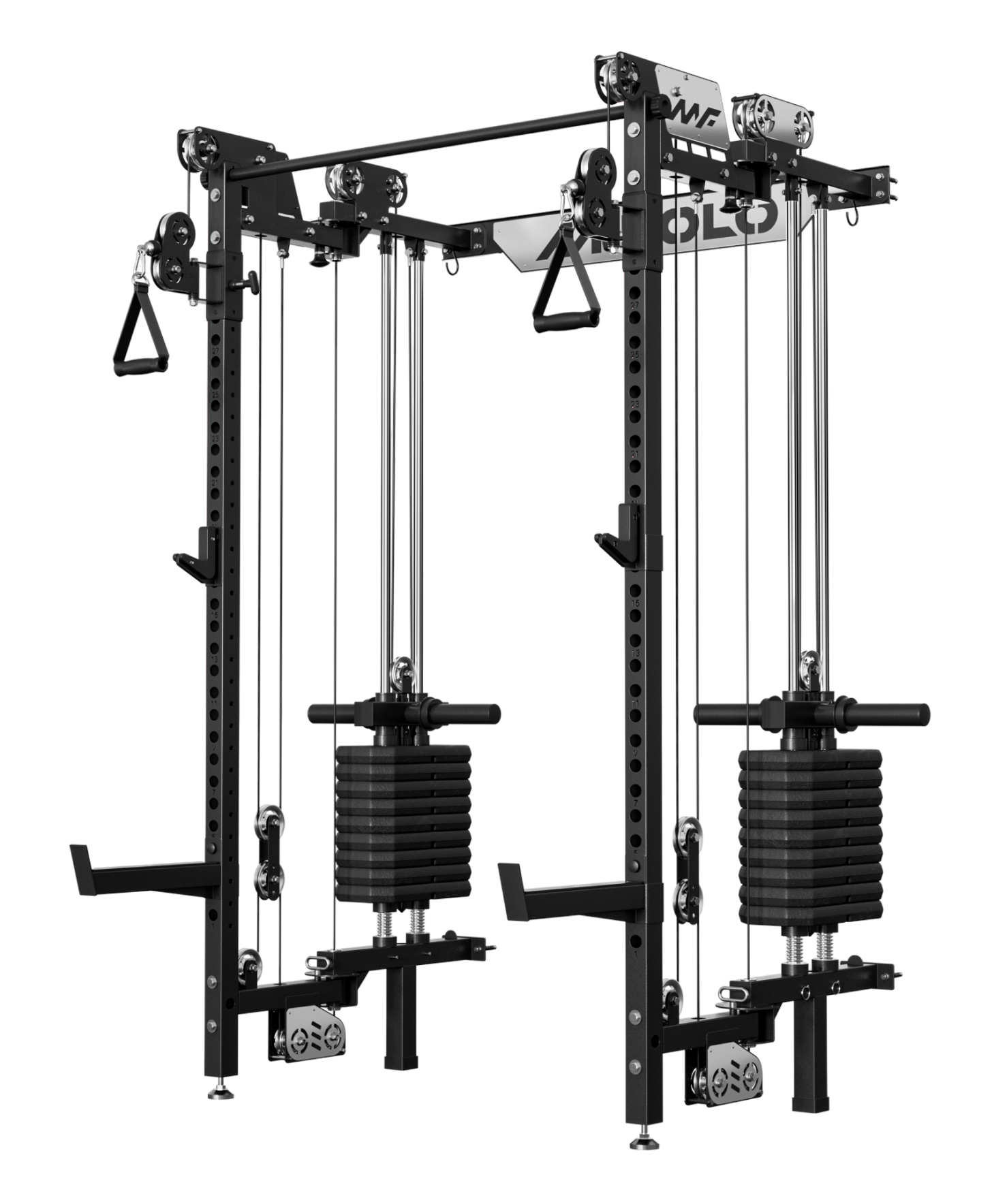
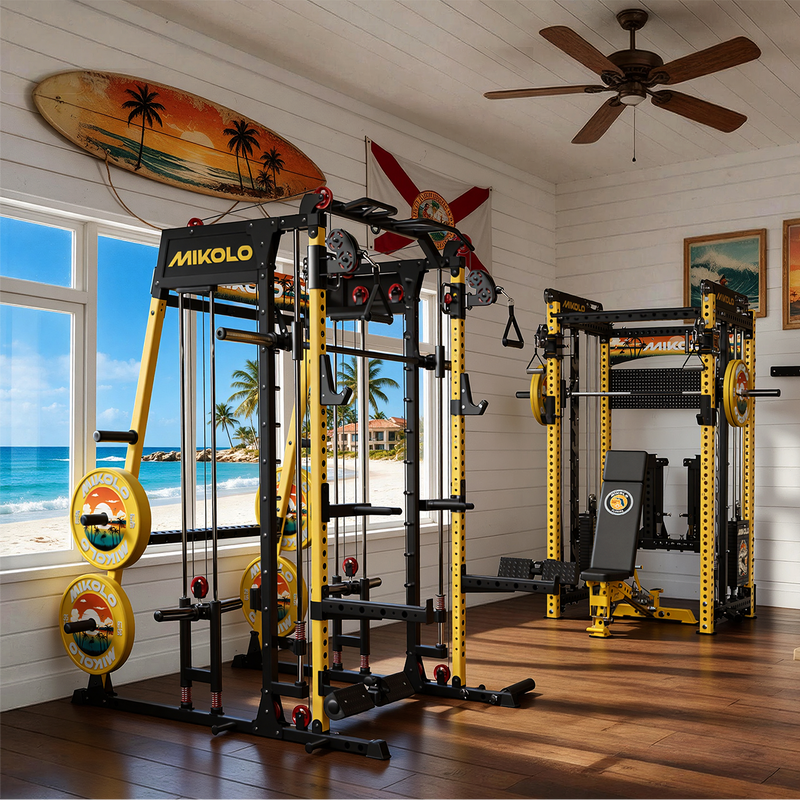
If you're building out the rest of your home gym, MIKOLO's Power Racks and Smith Machines can cover many of the compound and cable-based movements that complement lower-body machine work.
You don't need a dedicated machine to train your quads.
- A Smith machine squat is one practical option because the bar follows a guided path. It doesn't provide the same back support as a hack squat, but it can give you a similar feeling of controlled resistance.
- A Bulgarian split squat is another effective choice. All you need is a dumbbell or kettlebell and somewhere to place your rear foot.
For a simpler setup, try goblet squats. They're easy to learn and work well in smaller home gyms.
These exercises aren't exact copies of the hack squat. They simply give you other ways to train the same general lower-body movement pattern.
What is a hack squat?
A hack squat is a machine-based squat where your back and shoulders are supported while you move a weighted sled along a guided track. It primarily trains the quads while also working the glutes, adductors, hamstrings, and calves.
Is a hack squat the same as a squat?
No. A barbell squat requires you to balance and stabilize the weight yourself. A hack squat uses a guided sled and provides upper-body support.
Are hack squats good for building quads?
Yes. The hack squat is particularly useful for quad-focused training because the machine provides stability while your legs move the load.
Are hack squats good for beginners?
They can be. The machine provides more support than a barbell squat, which can make the movement easier to learn. Start with a light load and learn the machine's safety system before increasing the weight.
Can a hack squat replace a leg press?
Not completely. Both train the lower body, but the body position and movement mechanics are different. A 2-in-1 machine such as the MIKOLO DD10 lets you perform both exercises on the same machine.
A hack squat is a guided squat exercise that lets you train your lower body with more support and less balance demand than a traditional barbell squat.
It's mainly a quad exercise, but your glutes, adductors, hamstrings, and calves all contribute. Small changes in foot position can also change how the movement feels.
For a home gym, the biggest consideration is often space. If you want both hack squats and leg presses without buying two separate machines, the MIKOLO DD10 2-in-1 Leg Press Hack Squat Machine is designed around that exact use case.
The goal isn't to own every piece of equipment. It's to build a setup that gives you the training options you actually use.


















Leave a comment
This site is protected by hCaptcha and the hCaptcha Privacy Policy and Terms of Service apply.