Looking to build a powerful back? This article explores the best barbell exercises for back development. These exercises will boost your strength, improve your posture, and promote muscle growth. Find out how to effectively target your back muscles with barbell movements.
Key Takeaways
-
Understanding back muscle anatomy enhances training effectiveness by allowing targeted workouts for muscles like the trapezius, rhomboids, and latissimus dorsi.
-
Barbell back exercises, particularly compound movements, increase muscle mass and strength, making them essential for a well-rounded workout routine.
-
Proper technique, exercise variety, and training volume are crucial for maximizing the benefits of barbell back workouts and preventing injuries.
Understanding Back Muscle Anatomy
Understanding the anatomy of your back muscles is key to effective training. The back comprises multiple layers of muscles, each playing a significant role in movement, posture, and stability. Identifying which muscles are engaged during specific exercises allows for more targeted and effective workouts, leading to better results.
Barbell back exercises primarily target major muscle groups. These include the trapezius, rhomboids, and latissimus dorsi. These muscles are responsible for supporting posture, enabling movement, and assisting with breathing. A well-developed back not only contributes to overall strength and fitness but also enhances aesthetics and core stability.
Categorizing back muscles into three layers—superficial, intermediate, and intrinsic—helps in understanding their distinct roles in movement and stability. This section explores the key muscles in the back, their functions, and their importance in workout routines.
Latissimus Dorsi
The latissimus dorsi, often referred to as the “lats,” is the largest muscle in the upper body. It spans from the mid-to-lower back to the scapula and is crucial for shoulder movement and stability. When you engage in exercises that target the latissimus dorsi, you’re not just working on one muscle; you’re enhancing the functionality of your entire upper body.
Knowing the role of the latissimus dorsi in shoulder extension, medial rotation, and upper arm adduction maximizes the effectiveness of back workouts. The upcoming sections will explore specific barbell exercises that target the latissimus dorsi to ensure balanced muscle growth.
Trapezius Muscles
The trapezius muscles are broad, flat, and diamond-shaped, extending from the neck to the middle of the back. These muscles are essential for stabilizing and moving the scapula, contributing significantly to shoulder and neck motion. When you perform exercises like the barbell shrug, you’re specifically targeting the trapezius muscles, which play a pivotal role in upper back strength.
Barbell back exercises that target the trapezius muscles, such as the snatch, are crucial for developing overall muscle mass and ensuring proper posture. Incorporating these exercises into your routine enhances muscle hypertrophy and improves upper back muscle functionality.
Erector Spinae
The erector spinae muscles run along the length of the spine, from the base to the skull. These muscles are critical for extending the spine and maintaining proper posture during physical activities. A strong and stable back requires engaging the erector spinae in your workouts.
Exercises like the deadlift and good morning specifically target the erector spinae, promoting spinal health, posture, and stabilization. Focusing on these muscles ensures a strong and resilient posterior chain, reducing injury risk and enhancing performance.
Benefits of Barbell Back Exercises
Numerous benefits make barbell back exercises a staple in any effective workout routine. These exercises significantly enhance muscle mass and strength, providing a foundation for overall muscle endurance and stability. Incorporating barbell exercises into your back workouts can lead to comprehensive training benefits, engaging multiple muscle groups at once.
One of the primary advantages of barbell back exercises is their ability to activate key back muscles like the trapezius, promoting proper posture and reducing the risk of muscular imbalances. Consistently performing these exercises leads to significant improvements in muscle hypertrophy and overall strength.
Recognizing the benefits of barbell back exercises can motivate their incorporation into your routine. Whether you’re aiming for muscle growth, improved posture, or enhanced strength, these exercises can help you achieve your fitness goals more efficiently.
Compound Movements
Compound movements, such as barbell exercises, are essential for a more efficient workout. These exercises engage several muscle groups at once, providing comprehensive training benefits. For example, the deadlift works the entire posterior chain, serving as a foundational exercise for back strength.
Barbell bent over rows are another excellent compound exercise, challenging not only the back but also the glutes and core. These movements offer muscle-sculpting benefits, making them essential for any back workout routine.
Incorporating compound exercises into your training maximizes results and helps achieve a well-rounded physique.
Increased Load Capacity
Barbells allow for lifting heavier weights, which is crucial for maximizing muscle growth and hypertrophy. Exercises like the T-bar row enable lifters to shift heavier weights safely, contributing to significant strength gains. Lifting heavier loads with barbells leads to significant strength improvements and muscle growth.
Heavy compound movements like the barbell deadlift boost overall back development, making them essential for any serious lifter. Incorporating exercises that leverage heavier weights, such as Pendlay rows, increases mechanical stress and enhances muscle growth. Focusing on increased load capacity can elevate your back workouts to the next level.
Foundation Building
Building a solid foundation through barbell training is essential for achieving a well-rounded athletic physique. A strong foundation improves performance in various athletic pursuits and reduces the risk of injury. The barbell deadlift is widely regarded as the best exercise for developing back muscles. It effectively targets and strengthens that area.
Foundational exercises like the barbell deadlift lead to significant strength gains and muscle growth when incorporated into your routine. Building a strong foundation enhances overall athletic performance and helps achieve fitness goals more effectively.
Top Barbell Exercises for Back
Barbell exercises are among the best for developing back muscles due to their capacity to engage multiple muscle groups and promote strength gains.
The best barbell back exercises include:
-
Deadlifts
-
Romanian deadlifts
-
Barbell rows
-
Rear delt rows
Each of these exercises targets different aspects of the back. Consistently incorporating these exercises into your routine leads to significant improvements in back strength and hypertrophy.
These exercises are fundamental for building a strong and resilient back. Understanding their benefits and proper execution can enhance your workout routine and yield better results. The following sections will delve into each top barbell exercise, offering tips for proper form and execution.
Barbell Deadlift
The barbell deadlift is a competitive lift in powerlifting, renowned for its effectiveness in building overall strength. One of the main benefits of the barbell deadlift is its ability to build upper body strength. Establishing a heavy 3-rep max for the barbell deadlift can fire up the nervous system and prime the back muscles for growth.
To maintain optimal form during the deadlift, avoid letting the hips shoot up too early and excessive rounding of the lower back. Adding pauses during the deadlift can introduce isometric work for the lower back, helping to identify strong positions.
In summary, the barbell deadlift is essential for building strength, provided proper form is maintained for maximum effectiveness.
Bent Over Barbell Row
Bent over rows enhance mid and upper back development while promoting scapular movement. In the close grip row, the primary movement is to row the weight upwards in an arc towards your hips. For the Meadows row, draw your elbow back, pulling the bar towards your hips.
Bent over rows are effective for strengthening the rear deltoids and rhomboids. They also target the middle traps, lats, and biceps. Using a narrow grip during bent over row barbell rows keeps elbows close, making lats work harder.
Incorporating these variations targets different muscles, promoting balanced muscle growth.
Pendlay Row
The Pendlay row is a variation of the barbell row that emphasizes explosive power and requires the bar to be lifted from the ground each rep. During the Pendlay row, you should squeeze your shoulder blades, enhancing muscle contraction. Weightlifters can benefit from performing Pendlay rows, as it helps build strength and explosive power.
A key characteristic of the Pendlay row’s execution is that it starts with the barbell on the ground. This ensures that each rep is performed with strict form, maximizing the benefits of the exercise. Pendlay rows enhance back strength and overall lifting performance when incorporated into your routine.
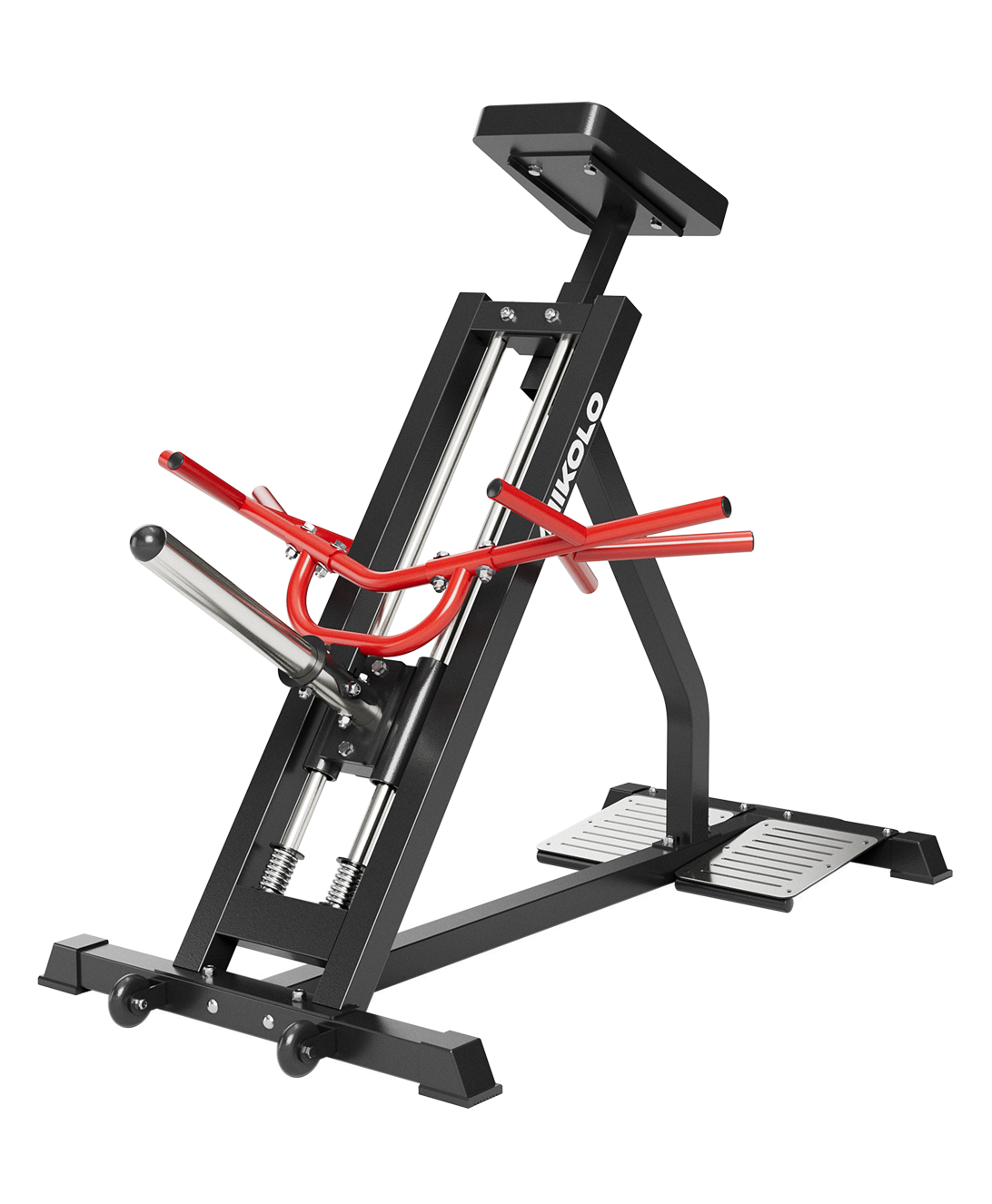
T-Bar Row
The T-bar row puts less stress on the lower back, enabling safer workouts. This exercise is excellent for targeting the upper back muscles, promoting muscle growth and strength. Using a T-bar row allows lifting heavier weights with less injury risk, making it a valuable addition to your routine.
Incorporating T-bar rows into your back workouts can help you achieve balanced muscle development and improve your overall strength. This exercise benefits those looking to minimize lower back strain while effectively targeting the upper back.
Barbell Shrug
The primary focus of the standard barbell shrug is to target the upper trapezius muscles. The barbell shrug targets the upper trapezius and shoulder girdle, contributing to overall upper body strength. A slightly wider grip, considering shoulder width, is recommended for the Standard Barbell Shrug to enhance its effectiveness.
Incorporating barbell shrugs develops a stronger and more defined upper back. This exercise is essential for anyone looking to improve their shoulder and neck stability, contributing to better overall posture and reduced risk of injury.
Snatch Grip Deadlift
The snatch grip deadlift utilizes a wide, snatch-style grip, challenging the upper back and maintaining a rigid thoracic spine. This exercise is excellent for building upper back strength while keeping the scapula in place.
Incorporating the snatch grip deadlift enhances back strength and overall lifting performance. This exercise is particularly beneficial for those looking to target the upper back and improve their grip strength using an overhand grip.
Good Morning
The good morning exercise primarily targets the glutes, hamstrings, and lower back through isometric contractions. In the good morning exercise, the bar is positioned across the shoulders, requiring a neutral spine to ensure safety and effectiveness.
When performing the good morning exercise, it’s crucial to maintain a neutral spine and avoid rounding the back to ensure safety. Incorporating this exercise strengthens the lower back and posterior chain, contributing to overall back strength and stability.
Chest Supported Barbell Row
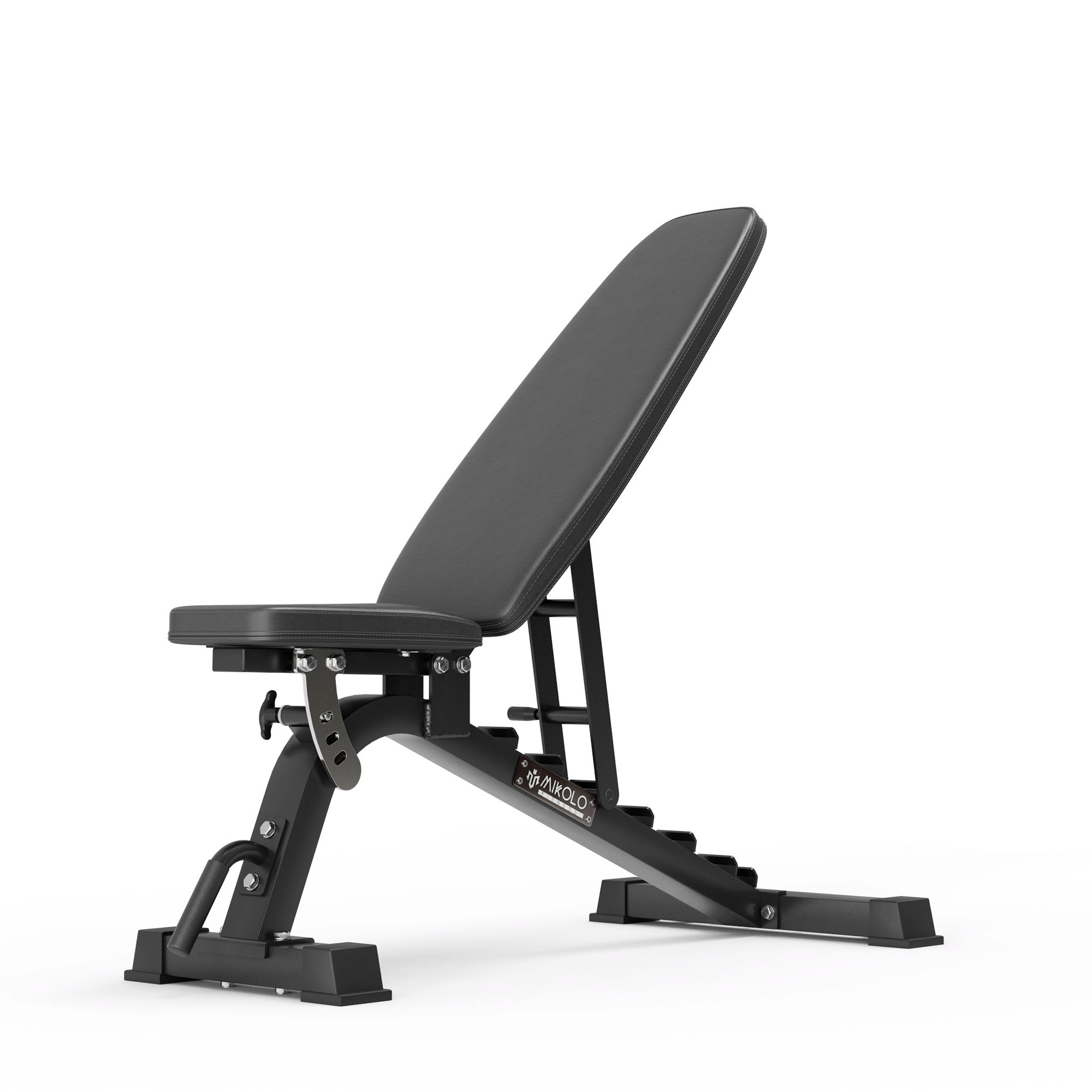
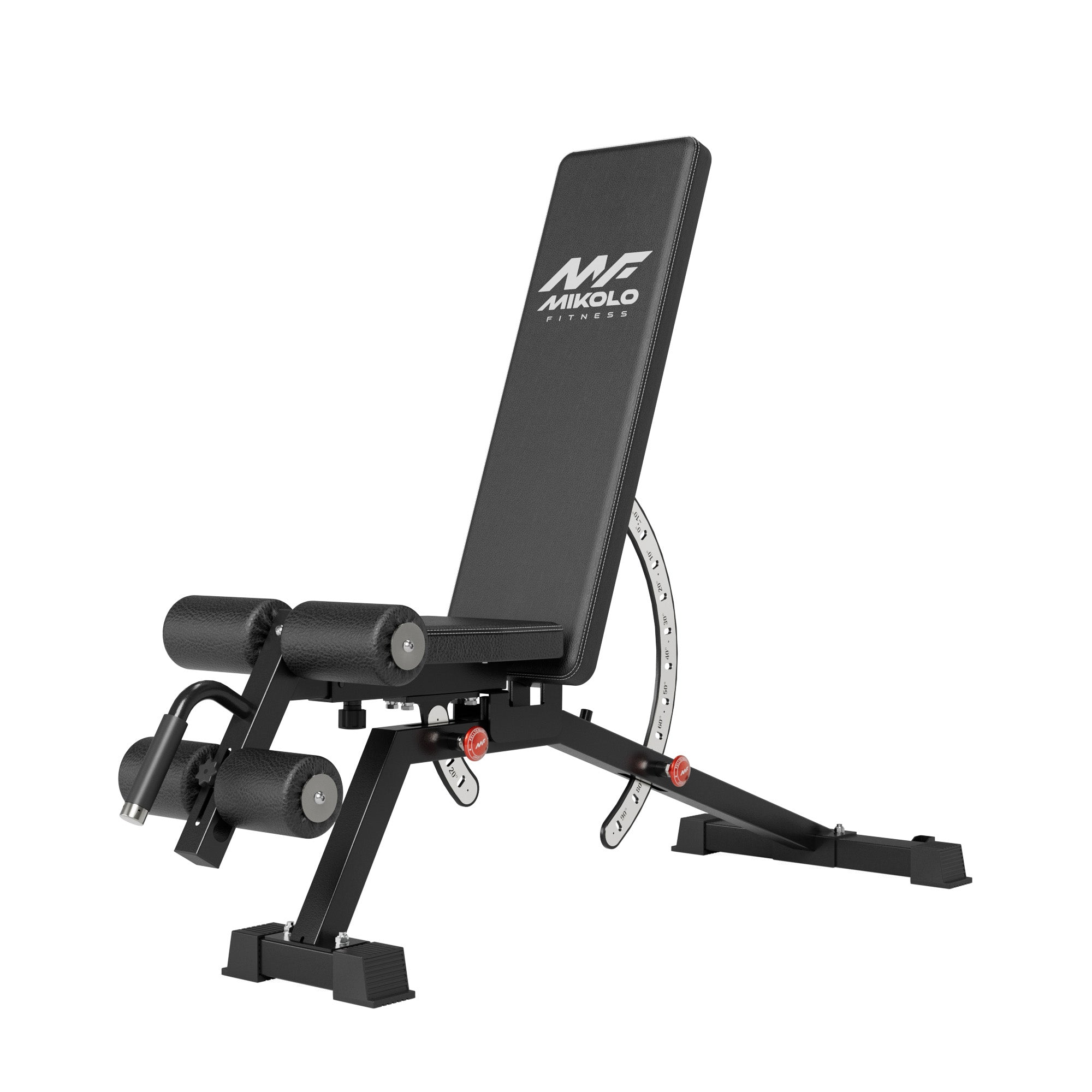
The chest-supported barbell row isolates the upper back while minimizing strain on the lower back. This row variant is performed face down on a bench with the chest on the pad, ensuring that the lower back remains supported throughout the movement.
Chest-supported barbell rows effectively target the upper back muscles without compromising the lower back when incorporated into your routine. This makes it an excellent option for those looking to build upper back strength while reducing the risk of lower back injuries.
Essential Training Variables for Barbell Back Workouts
To maximize the benefits of barbell back workouts, it’s essential to consider several key training variables. These include proper technique, exercise variety, and training volume. Focusing on these variables ensures effective workouts and achievement of desired results.
A mix of vertical and horizontal exercises is crucial to effectively train back muscle fibers in different planes. Additionally, developing a wide, thick, V-tapered back requires a comprehensive approach that includes training both the larger and smaller muscles of the back.
Proper Technique
Proper technique is paramount when performing barbell exercises to prevent injuries and maximize gains. Beginners should focus on their form and technique, which can be achieved by practicing movements with lighter weights. Using lighter weights initially helps beginners focus on safety and refining their techniques.
Improper technique during barbell exercises can result in serious injuries, particularly to the lower back. Mastering technique is crucial for maximizing gains and preventing injuries when performing barbell exercises on the back.
Maintaining proper form ensures that workouts are safe and effective.
Exercise Variety
Incorporating a range of exercises is essential to adequately engage different muscles in the back. A varied workout routine helps prevent plateaus and ensures comprehensive development of the back muscles. Including different barbell exercises like rows, deadlifts, and shrugs targets various muscle groups, promoting balanced muscle growth.
Exercise variety also helps maintain proper form by preventing overuse injuries. Rotating exercises allows specific muscle groups to recover while still working on other areas. This approach promotes overall muscle endurance and growth, ensuring that your back workouts are effective and sustainable.
Training Volume
The ideal weekly set range for muscle growth is between 12 to 20 sets per muscle. For back muscles, training twice a week with a total of 20 sets is optimal for muscle hypertrophy. This allows for adequate recovery time while ensuring sufficient stimulus for muscle growth.
When planning your back workouts, aim for rep ranges between 1-8 reps per set. Adjusting training volume and intensity prevents excessive global fatigue and maximizes gains in back strength and size. By incorporating these guidelines into your routine, you can achieve significant improvements in muscle mass and strength.
Sample Barbell Back Workout Plans
To help you get started, we’ve provided sample workout plans for both beginners and advanced lifters. These plans are designed to target all the muscles of the back effectively and promote overall strength and muscle growth. Remember, back muscle workouts should be performed 1-2 times per week for optimal results.
It’s important to allow for recovery time between workouts, with back muscles requiring 48-72 hours to regenerate and grow. Following these sample plans ensures effective back muscle training while allowing for adequate rest and recovery.
Beginner Barbell Back Workout
Beginners should start with lower weights and prioritize safety. This approach helps avoid injury and maximize gains by ensuring that you learn the movements properly. A sample beginner workout might include exercises like the barbell deadlift, bent-over barbell row, and T-bar row.
Focusing on proper form and using lighter loads helps develop a strong foundation for future progress. Consider hiring a trainer to help you learn the correct technique and ensure that you’re targeting multiple muscles effectively.
This beginner workout routine will help you build strength and confidence as you progress in your fitness journey.
Advanced Barbell Back Workout
For advanced lifters, an intense workout plan designed to maximize back muscle mass and strength is essential. This typically includes compound movements such as barbell deadlifts, bent-over barbell rows, and T-bar rows. Aim for a training volume of 15 to 25 total sets per week for back exercises, allowing for adequate recovery.
Effective exercises for advanced lifters include the Pendlay row, barbell shrugs, and snatch grip deadlifts, among others. Focusing on exercise variety, intensity, and proper form maximizes gains in back workouts, leading to significant improvements in muscle mass and strength.
This advanced workout routine will challenge your limits and help you reach your fitness goals.
Summary
In summary, barbell exercises are essential for building back strength and size. Understanding the anatomy of back muscles and the benefits of barbell training can help you achieve your fitness goals more effectively. By incorporating top barbell exercises like deadlifts, rows, and shrugs into your routine, you can target multiple muscle groups and enhance your overall strength and muscle mass.
Remember to focus on proper technique, exercise variety, and appropriate training volume to maximize your results. Whether you’re a beginner or an advanced lifter, these guidelines and sample workout plans can help you build a strong, resilient back. Stay consistent, challenge yourself, and watch your back muscles grow.
Frequently Asked Questions
How often should I perform back workouts?
You should perform back workouts 1-2 times per week, ensuring a recovery period of 48-72 hours between sessions for optimal results.
What are the best barbell exercises for back strength?
For optimal back strength, focus on deadlifts, bent-over barbell rows, Pendlay rows, T-bar rows, and barbell shrugs. These exercises effectively target and build back muscles.
How can I ensure proper form during barbell exercises?
To ensure proper form during barbell exercises, start with lighter weights to focus on mastering your technique, and consider hiring a trainer for personalized guidance. This approach will help prevent injuries and build a solid foundation for strength training.
What is the ideal training volume for back muscle growth?
For optimal back muscle growth, aim for 12 to 20 sets per week, ideally training twice a week totaling around 20 sets. This volume effectively stimulates muscle development.
Why is exercise variety important in back workouts?
Exercise variety in back workouts is crucial for effectively engaging different muscles and preventing plateaus. It also ensures proper form and minimizes the risk of overuse injuries.



























Leave a comment
This site is protected by hCaptcha and the hCaptcha Privacy Policy and Terms of Service apply.