













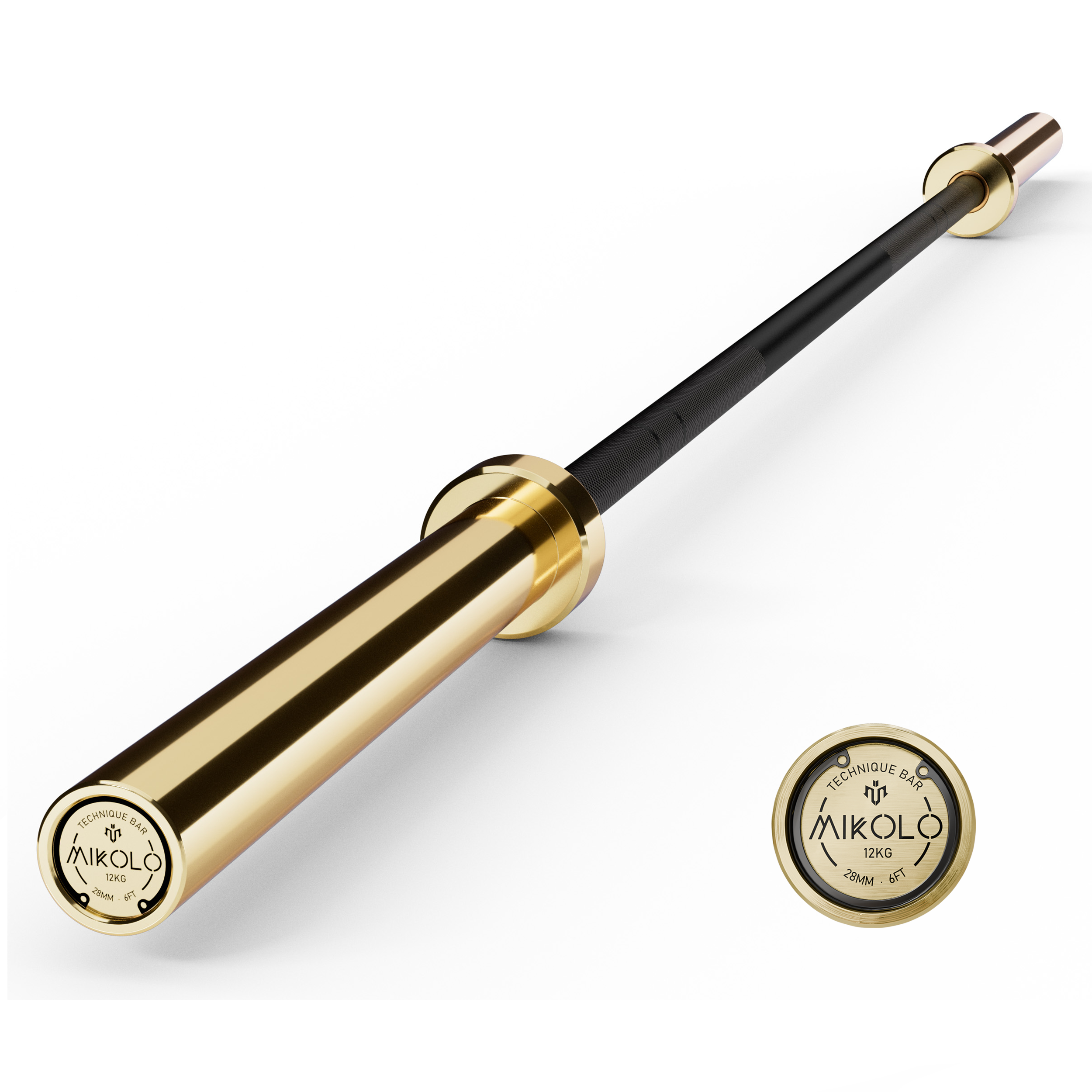


Barbell squats are more than just a staple in strength programs—they’re one of the most effective full-body movements you can do with a barbell. Whether you're chasing strength, size, or athletic performance, understanding which muscles bar squats work helps you train with better intention—and better results.
What Muscles Do Barbell Squats Work?
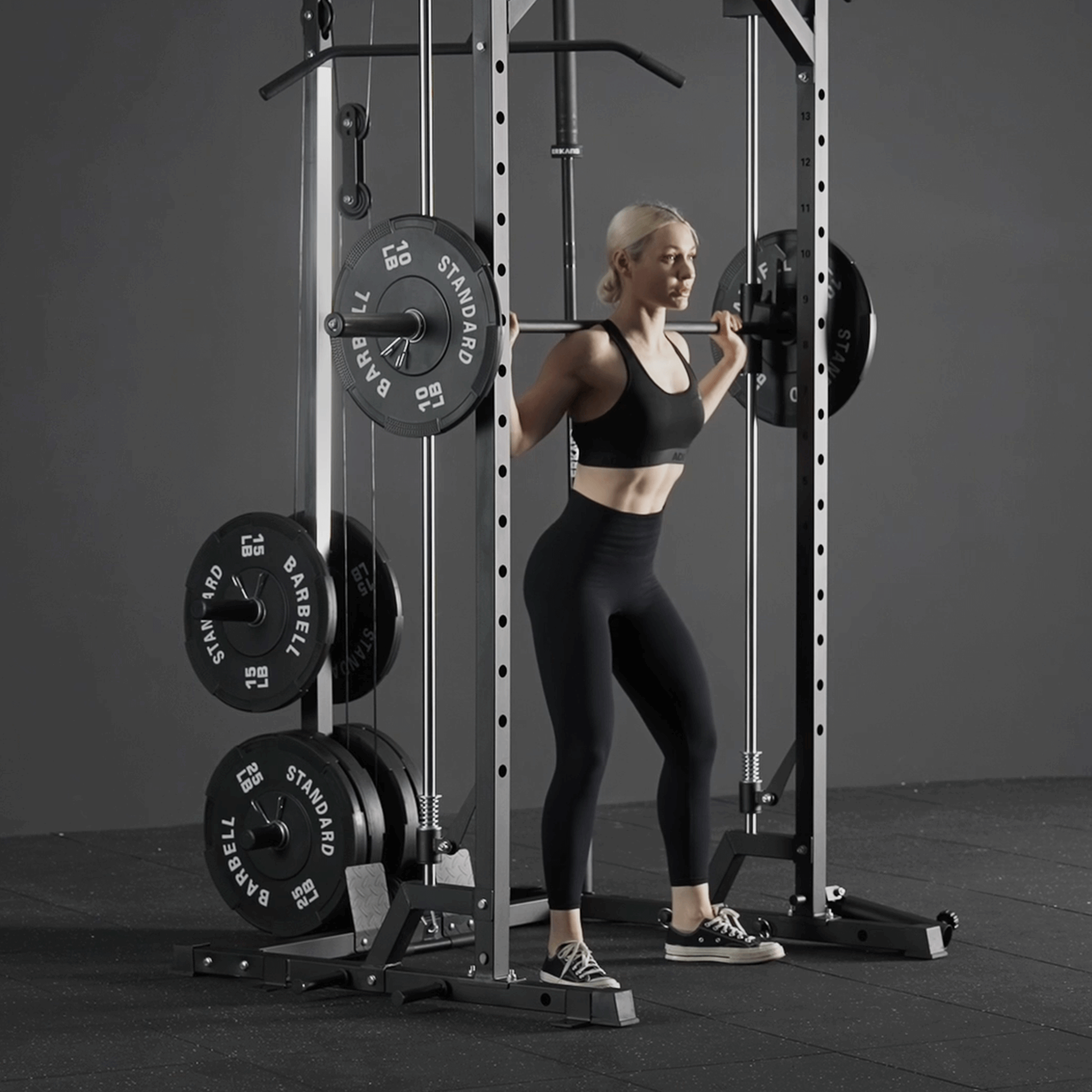
The barbell back squat, commonly referred to simply as a "bar squat," targets multiple major muscle groups across the lower and upper body:
1. Quadriceps (Front of the thighs)
Your quads are the prime movers in a squat. As you descend, they lengthen under tension, and on the way back up, they powerfully contract to extend the knee.
2. Glutes (Buttocks)
The gluteus maximus is heavily recruited to drive your hips upward and forward during the ascent phase. If your squat is deep and controlled, your glutes are working hard.
3. Hamstrings (Back of the thighs)
Though not the main movers, your hamstrings assist with hip extension and help stabilize your knees—especially at the bottom of the squat.
4. Adductors (Inner thighs)
Often overlooked, the adductors help with hip stabilization and are deeply engaged as you push your knees outward to maintain alignment under heavy loads.
5. Erector Spinae (Lower back)
Barbell squats work your back indirectly. Your spinal erectors are key stabilizers, especially in the back squat, where the barbell rests across your upper traps. These muscles contract isometrically to prevent spinal collapse.
6. Core Muscles (Abs and Obliques)
A tight core supports your spine during the lift. The deeper transverse abdominis, rectus abdominis, and obliques brace your midsection to protect your lower back.
7. Upper Back (Trapezius, Rhomboids)
To hold the bar securely and maintain posture, your upper back muscles—including the traps and rhomboids—are constantly engaged. This is especially true for heavy squats, where poor upper-back tightness can lead to forward collapse.
Do Barbell Squats Work the Back?
Yes, but in a different way than most people think. Barbell squats don’t “build” the back like a row or a deadlift would. Instead, they train your back to resist collapse under load. This is particularly valuable for athletes, powerlifters, and anyone needing functional strength.
The erector spinae (the deep muscles along the spine) work isometrically throughout the squat to keep the spine rigid and safe. If you've ever felt a sore lower back after squatting, it could be either a sign of these stabilizers being worked—or a form issue to address.
Personal Insight: What Squats Taught Me About My Back
I remember a phase early in my training when I plateaued on my squat numbers. My legs felt strong, but the bar kept folding me forward under heavier loads. The culprit? A weak upper back and undertrained spinal erectors. Once I started incorporating paused squats, good mornings, and rows to strengthen my back, my squats improved dramatically—not just in weight, but in control and posture. That experience taught me: a strong squat isn’t just about legs—it’s about the integrity of your entire posterior chain.
Why Technique Matters
Muscle activation in a squat is heavily influenced by form. A high-bar squat tends to emphasize the quads more, while a low-bar back squat shifts more work onto the hips and posterior chain. Foot stance, depth, tempo, and bracing all play roles in how muscles are recruited.
Final Thoughts
Bar squats are a full-body movement. Yes, they build strong, muscular legs—but they also challenge your core, stabilize your spine, and improve upper-back endurance. If you want to develop functional, balanced strength, the barbell back squat belongs in your program.
Train smart, stay tight, and respect the details—your body will thank you.


Leave a comment
This site is protected by hCaptcha and the hCaptcha Privacy Policy and Terms of Service apply.