Need to stay fit without disturbing neighbors? Quiet exercise equipment for apartment is the solution. This article highlights the best quiet cardio and strength options for apartment living.
Key Takeaways
-
Quiet cardio machines like the Niceday Elliptical and LEIKE Exercise Bike are perfect for apartment living, offering effective workouts without disturbing neighbors.
-
Silent strength training options, including adjustable dumbbells and resistance bands, allow for muscle building in small spaces without noise.
-
Low-impact exercises and equipment, such as glute bridges and the LEIKE Exercise Bike, ensure you can maintain fitness while minimizing noise in your apartment.
Top Quiet Cardio Machines for Apartments
Cardio workouts are great for cardiovascular health, but traditional machines can be noisy. Luckily, there are quiet cardio machines perfect for apartment living. These machines offer all the benefits of a workout without the noise, ideal for small spaces and shared environments.
Among the best options are the Niceday Elliptical Machine, LEIKE Exercise Bike, and an exercise machine like the WalkingPad Folding Treadmill P1. Each of these machines offers unique features that cater to different fitness needs, ensuring you can find the perfect fit for your home gym.
Here are more details about these top quiet cardio machines.
Niceday Elliptical Machine
The Niceday Elliptical Machine is perfect for apartment living. Its quiet operation means you won’t disturb neighbors, even during intense sessions. The compact size fits well in homes with limited space, offering a full-body workout without taking up much room.
One of the standout features of the Niceday Elliptical is its maximum weight capacity of 400 pounds, making it accessible for a wide range of users. Additionally, its design allows for multitasking, such as watching your favorite shows while exercising, thanks to its quiet operation. This machine is truly a versatile piece of exercise equipment that can fit seamlessly into any home gym.
Overall, the Niceday Elliptical Machine is an excellent choice for those looking to incorporate low-impact cardio into their home workouts. Its efficient and quiet design, along with broad usability, make it a top choice for apartment living.
LEIKE Exercise Bike
The LEIKE Exercise Bike is another great option for those seeking quiet cardio equipment. It’s designed for low-impact workouts, minimizing joint stress and suitable for all fitness levels. Its compact, foldable design fits even the smallest spaces, making it practical for home gyms.
One of the key features of the LEIKE Exercise Bike is its adjustable seat, allowing users of different heights to find a comfortable riding position. This bike is not only quiet but also versatile, providing an effective cardiovascular workout without the noise typically associated with traditional exercise bikes. It’s an ideal piece of gym equipment for maintaining fitness in a quiet workout environment.
WalkingPad Folding Treadmill P1
For those who prefer running or walking as their primary form of exercise, the WalkingPad Folding Treadmill P1 offers a quiet and convenient solution. This best compact treadmill is designed to be easily stored under furniture when not in use, making it perfect for apartment living. Its advanced belt drive system operates quietly, ensuring you can work out without disturbing neighbors.
The WalkingPad Folding Treadmill P1 supports a user weight of up to 220 pounds and has a rated portability of 4.5 out of 5, making it both durable and easy to move around. Designed specifically for apartment dwellers, it focuses on compactness and quiet operation, making it one of the best compact treadmills with a compact footprint for limited spaces.
Overall, the WalkingPad Folding Treadmill P1 is an excellent choice for anyone looking to incorporate cardiovascular exercise into their home workouts. Its quiet operation and space-saving design make it a practical and effective solution for apartment living.
Silent Strength Training Equipment
Strength training is an essential component of any fitness routine, but traditional weights and machines can be noisy and disruptive. Fortunately, there are silent strength training equipment options that allow you to build muscle and strength without disturbing your neighbors. These tools are perfect for apartment living, providing effective workouts in a quiet workout environment.
Some of the best options for silent strength training include adjustable dumbbells, resistance bands, and the Hyperwear Hyper Vest Elite Weight Vest. Each of these pieces of equipment offers unique benefits and can be easily incorporated into your home gym. Here’s a closer look at these silent strength training tools.
Adjustable Dumbbells
Adjustable dumbbells are versatile and space-saving, perfect for strength training in apartments. They allow easy weight changes, catering to various fitness levels. Their exceptionally sturdy compact design ensures easy storage in small spaces, making them ideal for apartment dwellers.
Brands like NÜOBELL and REP QuickDraw offer adjustable dumbbells with weight options ranging from 5 to 80 pounds, providing plenty of options for different exercises. These dumbbells are not only versatile but also durable, ensuring they can withstand regular use without taking up much space. They offer a full-body workout experience, enhancing your home gym setup.
Overall, adjustable dumbbells are a fantastic addition to any home gym, offering a quiet and efficient way to perform strength training exercises. Their space-saving design and broad weight range make them suitable for various fitness goals and apartment living.
Resistance Bands
Resistance bands are another excellent option for silent strength training. These versatile tools can be used for a variety of exercises, targeting different muscle groups and providing effective workouts without generating excessive noise. They are compact and easy to store, making them perfect for small living spaces.
Brands like Living.Fit and Fringe Sport offer resistance bands in multiple resistance levels, catering to different fitness needs and preferences. These resistance band are also latex-free, making them suitable for those with allergies or sensitivities.
Using resistance bands in your routine can boost strength training while keeping the noise down.
Hyperwear Hyper Vest Elite Weight Vest
The Hyperwear Hyper Vest Elite Weight Vest is designed for bodyweight workouts, adding resistance to enhance the effectiveness of your exercises without adding noise. This vest operates silently, making it an excellent choice for apartment dwellers looking to intensify their workouts without disturbing neighbors.
The vest features side laces that allow for fit adjustment, providing personalized comfort during workouts. Whether you’re performing push-ups, squats, or other bodyweight exercises, the Hyperwear Hyper Vest Elite adds an extra challenge while maintaining a quiet workout atmosphere. It’s a valuable addition to any home gym setup.
Quiet Core Workout Tools
Core workouts are essential for building stability and strength, but noisy equipment can be a nuisance in an apartment setting. Fortunately, there are quiet core workout tools that allow you to target your core muscles effectively without disturbing your neighbors. These tools are ideal for apartment living, offering a quiet environment for core exercises.
Top options for quiet core workouts include yoga mats, medicine balls, and foam rollers. Each offers unique benefits and fits easily into your home gym.
Yoga Mats
High-quality yoga mats are essential for performing floor exercises in a quiet and comfortable manner. These mats enhance stability and grip, allowing for better performance during various exercises. They also provide appropriate cushioning and support, minimizing the risk of injury during workouts.
A quality yoga mat can significantly reduce noise, making it ideal for shared spaces. Whether doing core exercises, stretching, or yoga, a high-quality mat ensures a quiet and effective workout.
Medicine Balls
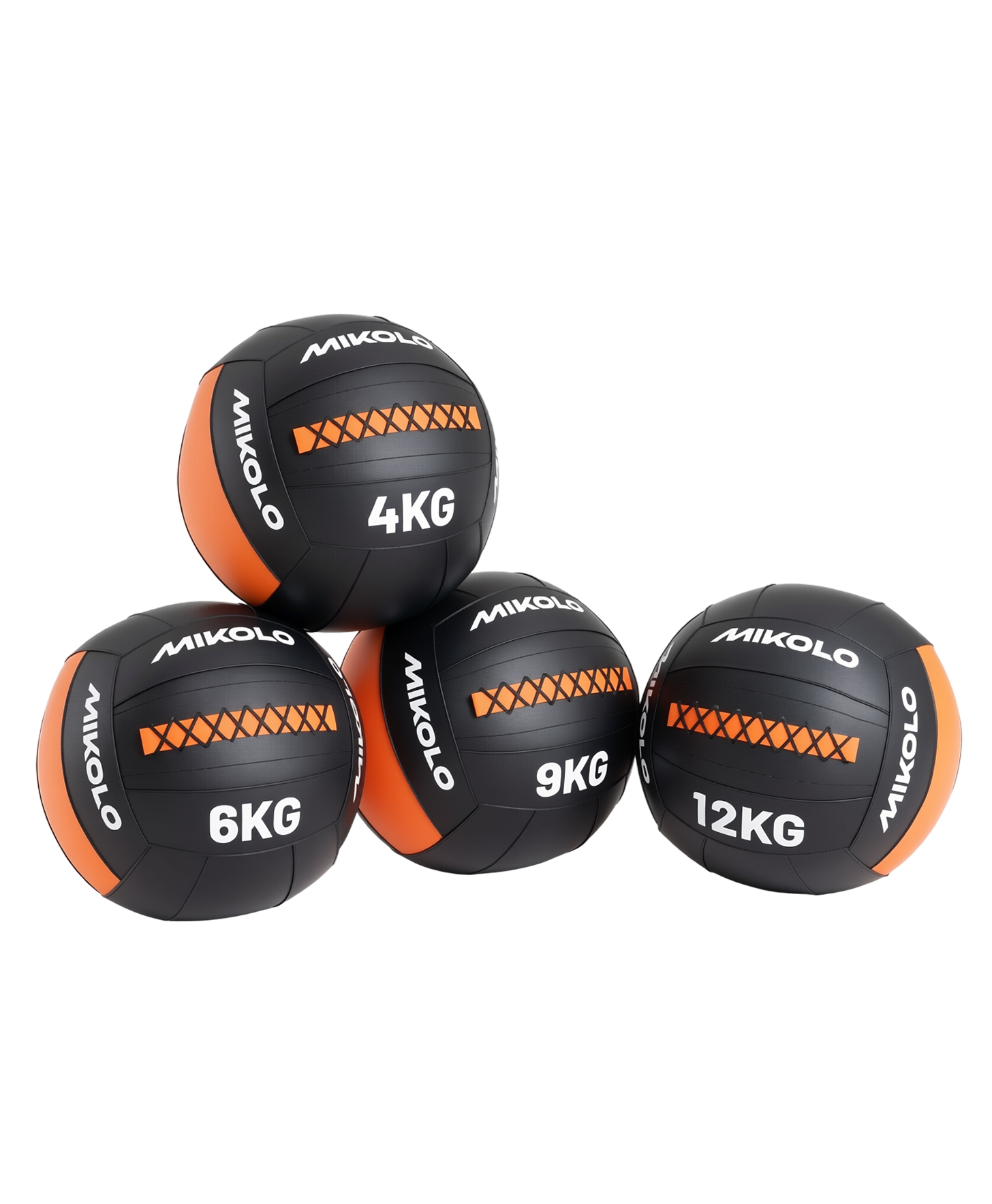
Medicine balls are versatile tools that can be used for a variety of core exercises without generating loud impact sounds. They promote strength and coordination, allowing for dynamic movements that engage multiple muscle groups. Medicine balls are relatively silent, making them suitable for apartment workouts.
Using medicine balls in your routine can enhance core strength and overall fitness. They are ideal for targeting core muscles while keeping the workout quiet.
Foam Roller
Foam rollers are effective tools for self-massage and muscle recovery. They help maintain muscle health, enhance flexibility, and improve blood circulation. Foam rollers are compact and quiet, making them ideal for use in small living spaces.
A foam roller can alleviate muscle soreness and promote recovery quietly. Its compact design ensures easy storage, making it a practical addition to any home gym.
Upper Body Workouts Without Disturbance
Maintaining upper body strength is crucial, but noisy equipment can be a significant drawback in an apartment setting. Fortunately, there are quiet upper body workout tools that allow you to build strength without causing excessive noise. These tools are perfect for apartment living, providing effective workouts in a quiet workout environment.
The Perfect Fitness Multi-Gym Doorway Pull-Up Bar is a great option for quiet upper body workouts. Other good choices include the Seated Triceps Dip Station and Lateral Raise Bands. Each of these tools offers unique benefits and can be easily incorporated into your home gym. Let’s explore these quiet upper body workout tools in more detail.
Perfect Fitness Multi-Gym Doorway Pull-Up Bar
The Perfect Fitness Multi-Gym Doorway Pull-Up Bar is great for performing various upper body exercises quietly. It facilitates pull-ups, chin-ups, dips, and push-ups, offering a full-body workout. Its versatile design fits any standard doorway without permanent installation.
The pull-up bar supports a maximum weight capacity of 300 pounds, making it suitable for a wide range of users. Whether you’re looking to build upper body strength or perform a full body workout, the Perfect Fitness Multi-Gym Doorway Pull-Up Bar is a valuable addition to any home gym.
Seated Triceps Dip Station
The Seated Triceps Dip Station is designed for quiet operation, making it an ideal choice for apartment living. This compact piece of equipment allows for effective upper body workouts without causing excessive noise. Its compact design makes it suitable for small living areas.
Using the Seated Triceps Dip Station can help strengthen your arms and upper body while maintaining a quiet workout environment. It’s a practical and efficient tool for those looking to build upper body strength in a shared living space.
Lateral Raise Bands
Lateral raise bands are a fantastic option for shoulder workouts, providing resistance without the noise associated with traditional weights. These bands are specifically designed to enhance shoulder exercises, offering effective resistance while being easy to store. Their space-saving design makes them perfect for small living spaces, allowing you to perform multiple exercises without clutter.
Using lateral raise bands in your routine can build shoulder strength and stability quietly. They are an efficient way to maintain an upper body workout in an apartment.
Low-Impact Lower Body Exercises
Lower body exercises are crucial for building strength and stability, but high-impact workouts can be noisy and hard on the joints. Low-impact exercises are a great alternative, providing effective workouts while minimizing noise and reducing the risk of injury. These exercises are perfect for apartment living, allowing you to maintain your fitness routine without disturbing your neighbors.
Among the best low-impact lower body exercises are glute bridges with resistance bands, Bulgarian split squats, and using the LEIKE Exercise Bike. These exercises offer unique benefits and can be easily incorporated into your home workout routine. Here are more details about these low-impact exercises.
Glute Bridges with Resistance Bands
Glute bridges with resistance bands are a highly effective way to strengthen the glutes and lower back while keeping your workout quiet. Adding resistance bands to glute bridges increases the tension and engagement of the muscles, making the exercise more challenging and beneficial. Adding resistance bands also helps keep workouts noise-free, perfect for apartment living.
Performing glute bridges with resistance bands can enhance the effectiveness of your lower body workouts, providing a fantastic workout without the noise. This exercise is a great addition to any home gym setup, offering a quiet and efficient way to build lower body strength.
Bulgarian Split Squats
Bulgarian split squats are an excellent exercise for building leg strength and improving balance. This exercise focuses on unilateral movement, enhancing stability and strength in the legs while being quiet and controlled. The controlled nature of Bulgarian split squats ensures that you can perform them without causing noise disturbances, making them suitable for apartment living.
Bulgarian split squats can improve leg stability and reduce injury risk. They are a great addition to any home gym for quietly building lower body strength.
LEIKE Exercise Bike
The LEIKE Exercise Bike is an excellent option for low-impact cardio workouts, providing a quiet and joint-friendly way to maintain fitness. This bike features adjustable resistance settings, making it suitable for users of varying fitness levels. Its low-impact functionality ensures minimal stress on joints, making it a safe choice for users of all ages.
The LEIKE Exercise Bike helps achieve cardiovascular fitness goals without joint injury. Its quiet operation and adjustable features make it a valuable addition to any home gym.
Enhancing Your Apartment Workout Experience
Creating an effective and enjoyable workout space in an apartment requires careful consideration of noise levels, small space, and equipment. Compact and versatile training tools can significantly improve your workout experience, allowing you to maximize your living space while maintaining a quiet workout environment. Using the right equipment and strategies can help you create a home gym that meets your fitness goals without compromising your living environment.
Among the best ways to enhance your apartment workout experience are using Amazon Basics Foam Interlocking Exercise Gym Floor Mat Tiles, investing in portable equipment storage solutions, and following tips from certified personal trainers. These strategies can help you create a functional and enjoyable workout space. Here are more details about these tips.
Amazon Basics Foam Interlocking Exercise Gym Floor Mat Tiles
Amazon Basics Foam Interlocking Exercise Gym Floor Mat Tiles are designed to reduce noise and protect floors, making them ideal for apartment living. These mat tiles effectively absorb impact noise, ensuring that your workouts remain quiet and your floors stay intact. By providing a cushioned surface, these mat tiles help prevent floor damage from heavy equipment or during exercises.
These mat tiles reduce noise and can serve as yoga mats, providing additional functionality. Adding them to your home gym setup can enhance your workout experience, offering a quiet and supportive surface for various exercises.
Portable Equipment Storage Solutions
Efficient storage solutions are crucial for maximizing limited space in apartments. Using wall-mounted storage solutions can help you keep your workout equipment organized and easily accessible. These storage solutions are designed to save space and keep your living area clutter-free, ensuring that you can enjoy a functional and tidy home gym setup in minimal space.
Using portable equipment storage solutions in your home gym helps maintain a neat and organized space. This maximizes your living area and enhances your workout experience, making it easier to stay motivated.
Certified Personal Trainer Tips
Certified personal trainers’ tips can help fitness professionals create an effective and enjoyable workout routine in your apartment. Prioritizing noise reduction helps maintain a peaceful environment, ensuring you can exercise without disturbing neighbors. Certified trainers can provide additional guidance tailored to your needs.
When selecting exercise equipment, consider how it aligns with your fitness goals, budget, and living space. Before purchasing equipment, check warranty, return policies, and look for free trial periods to ensure you’re making the best investment for your needs. Reading reviews can provide valuable insight into the effectiveness and suitability of the equipment, helping you make informed decisions.
By incorporating these tips, you can create a home gym that meets your fitness goals and enhances your apartment living experience.
Summary
In summary, maintaining a fitness routine in an apartment is entirely possible with the right equipment and strategies. Quiet exercise equipment, such as the Niceday Elliptical Machine, LEIKE Exercise Bike, and WalkingPad Folding Treadmill P1, ensures you can enjoy effective workouts without disturbing your neighbors. Silent strength training tools, including adjustable dumbbells, resistance bands, and the Hyperwear Hyper Vest Elite Weight Vest, provide versatile and quiet options for building strength.
Incorporating quiet core workout tools like yoga mats, medicine balls, and foam rollers, along with efficient storage solutions and tips from certified personal trainers, can significantly enhance your apartment workout experience. By following these recommendations, you can create a functional and enjoyable home gym that meets your fitness goals while maintaining a peaceful living environment.
Frequently Asked Questions
What are the best quiet cardio machines for apartments?
If you're looking to enjoy a great workout without disturbing your neighbors, the Niceday Elliptical Machine, LEIKE Exercise Bike, and WalkingPad Folding Treadmill P1 are excellent choices. They provide effective cardio while being super quiet!
How can I store my workout equipment in a small apartment?
To make the most of your small apartment, try wall-mounted storage solutions and opt for compact, space-saving workout equipment. This way, you can keep your gear organized and still have room to move around.
Are resistance bands effective for strength training?
Absolutely, resistance bands are great for strength training! They provide adjustable resistance and can be used for a wide range of exercises, making them perfect even in small spaces.
What are some low-impact lower body exercises suitable for apartments?
Glute bridges with resistance bands and Bulgarian split squats are perfect low-impact exercises for your lower body that won't disturb your neighbors. Plus, you can also consider using a quiet exercise bike for a great workout!
How can I reduce noise during my apartment workouts?
To keep noise down during your apartment workouts, invest in quality yoga mats and foam floor tiles, and opt for quieter equipment. These simple changes can really make a difference!





















Leave a comment
This site is protected by hCaptcha and the hCaptcha Privacy Policy and Terms of Service apply.