Looking to purchase wholesale workout equipment for your gym or home fitness setup? This article outlines the best packages and brands available, helping you find cost-effective solutions to meet all your fitness needs.
Key Takeaways
-
Purchasing wholesale workout equipment offers significant cost savings, streamlined setup, and access to premium brands, enhancing gym profitability.
-
Key packages from leading brands like Life Fitness, Precor, and Hammer Strength provide comprehensive solutions for both strength training and cardiovascular health.
-
Customization options, including colors and branding, enable gyms to create a unique identity while meeting specific space and functional requirements.
Wholesale Workout Equipment Packages
Wholesale workout equipment packages are carefully curated to meet the diverse needs of both commercial gyms and home fitness environments. These packages often include a mix of strength and cardio equipment, tailored to provide comprehensive workout solutions for various fitness goals. Purchasing these packages wholesale allows gym owners to enhance business efficiency by cutting operational costs and boosting profit margins.
Leading brands such as Life Fitness, Precor, and Stairmaster offer popular cardio machines at wholesale prices. These packages cater to both large commercial gyms and smaller home setups, ensuring that all users have access to high-quality fitness equipment.
Here are three standout wholesale gym equipment packages that can elevate any fitness facility.
Life Fitness & Hammer Strength Package
The Life Fitness and Hammer Strength package is an extensive offering that combines state-of-the-art strength training and cardio equipment. This package is ideal for both commercial gyms and home fitness environments, providing versatile workout experiences that cater to a wide range of fitness levels.
Specialized machines for muscle building and conditioning, along with various cardio options, make this package comprehensive for users. Known for their durability and performance, Life Fitness and Hammer Strength equipment guarantee reliable and long-lasting use.
Precor & Cybex Commercial Package
The Precor and Cybex commercial package includes high-quality machines designed specifically for gym settings. These machines cater to both strength and cardiovascular training, ensuring a well-rounded fitness experience for users.
Precor and Cybex equipment, known for their durability and reliable performance, are ideal for high-traffic commercial gyms, ensuring consistent and effective workouts for all members.
Mixed Brand Functional Trainer Package
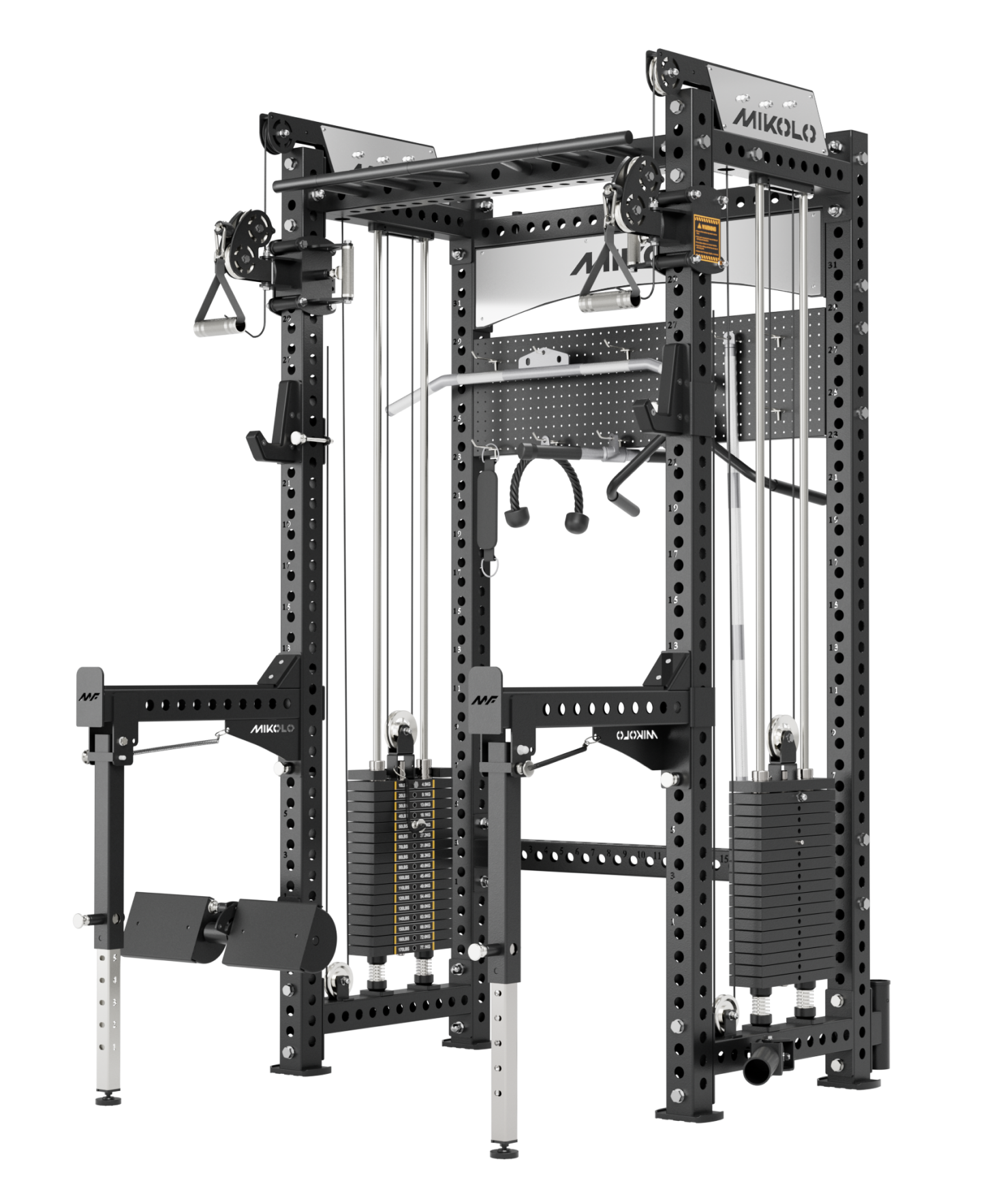
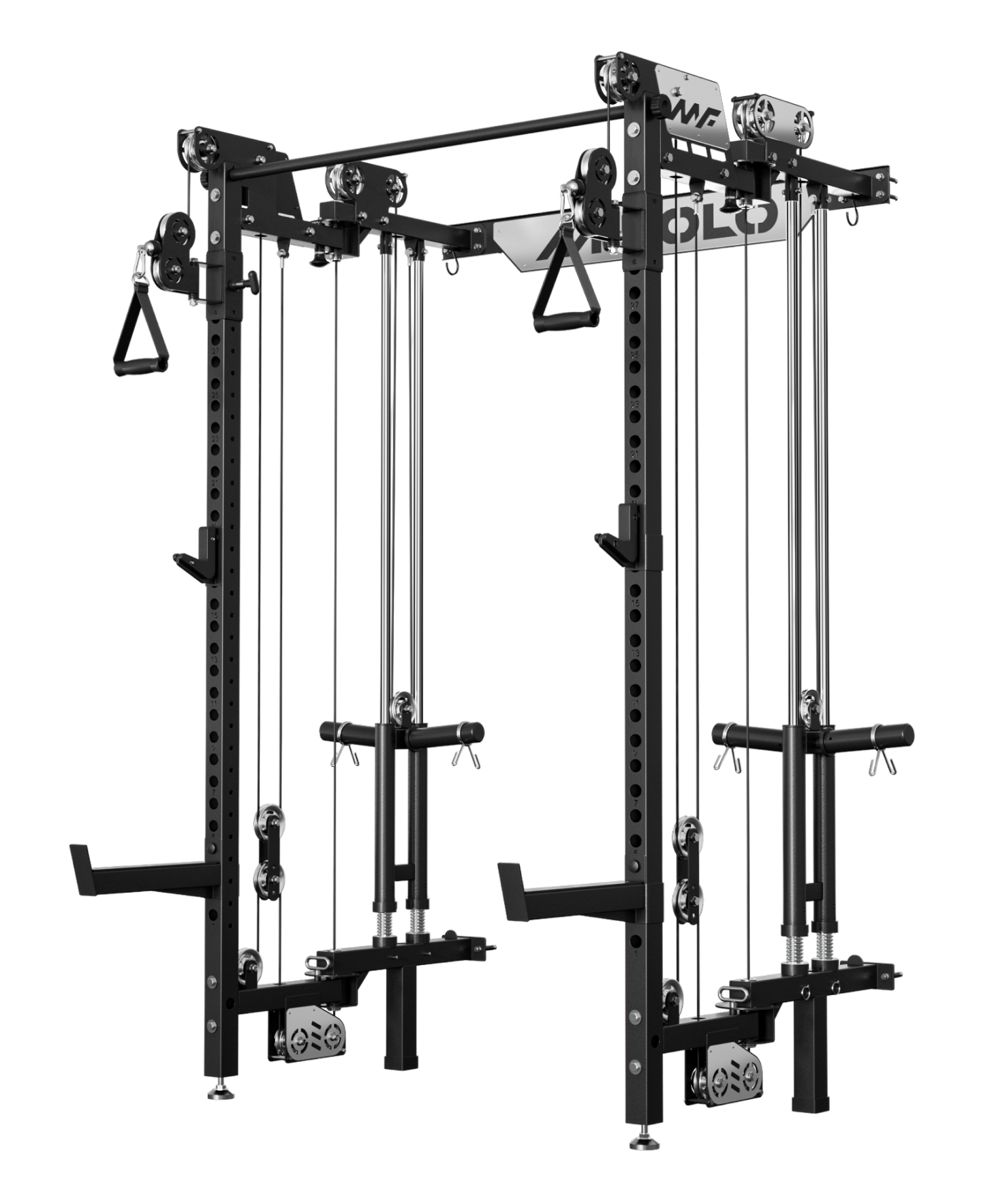
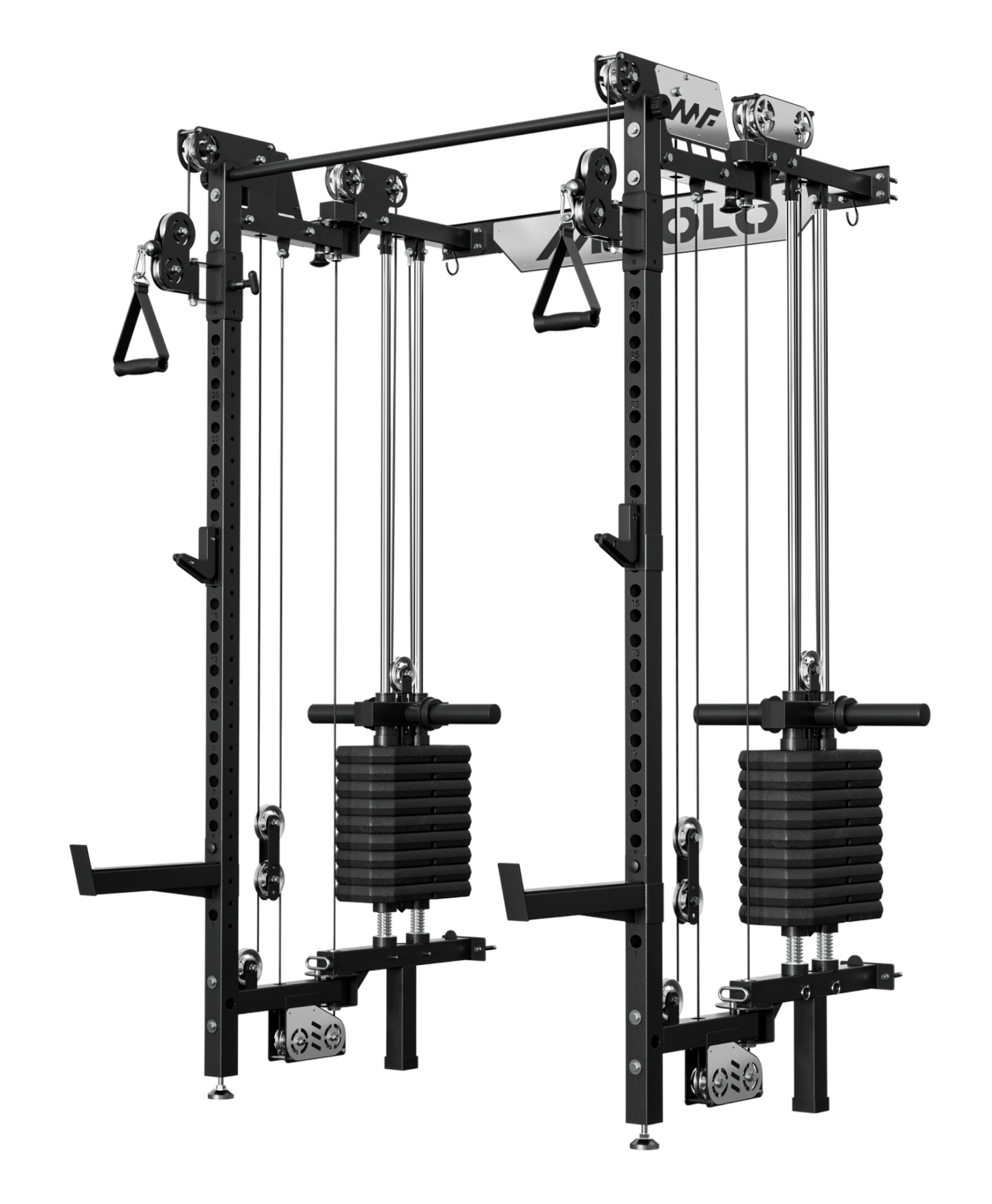
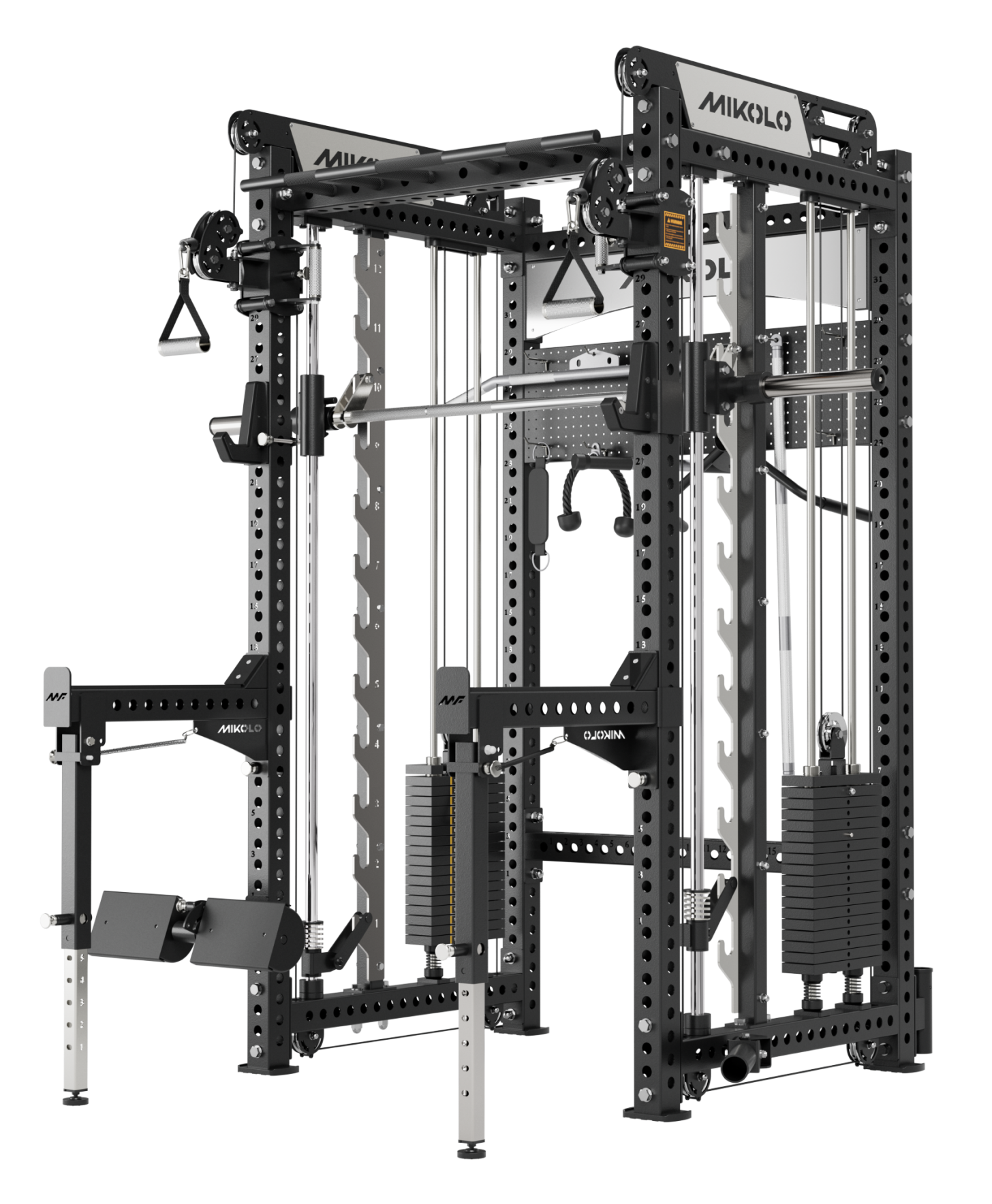
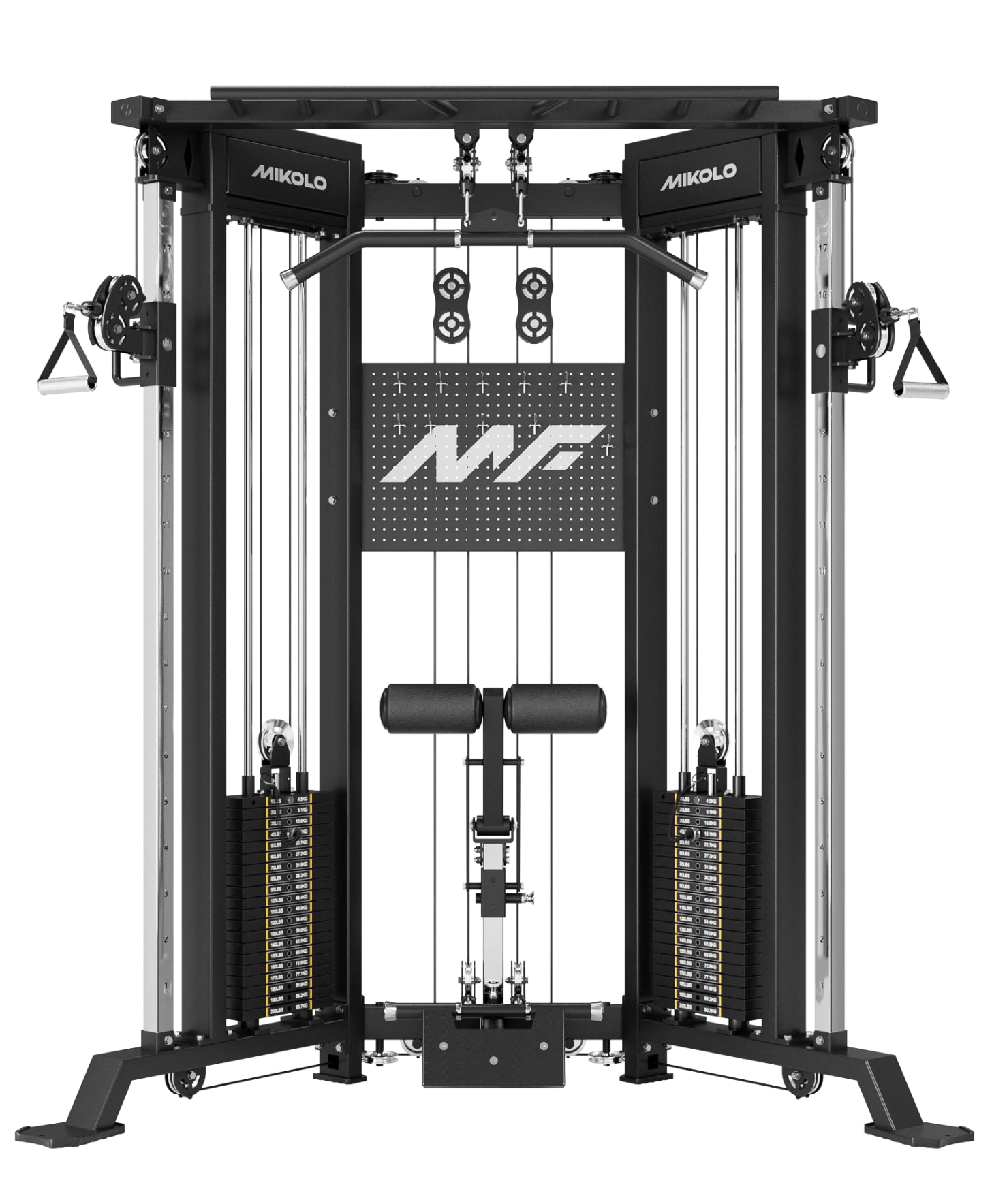
Functional trainers are essential for a diverse range of exercises, allowing users to perform everything from strength training to flexibility workouts. The mixed brand functional trainer package offers versatility for various exercise routines, making it suitable for both individual and group training.
Top brands supply high-quality functional trainers, ensuring that gym owners can provide reliable and effective workout equipment. Investing in a mixed brand functional trainer package guarantees diverse options to accommodate different fitness goals.
Benefits of Buying Wholesale Workout Equipment
Before:
Choosing wholesale workout equipment offers several key benefits that can enhance the profitability and efficiency of gyms. One of the primary advantages is significant cost savings. Bulk purchasing allows gyms to save on costs and ensure they have the necessary tools for a variety of fitness programs. Additionally, buying used or refurbished equipment can further reduce costs while still offering quality options for gym owners. Establishing relationships with reliable suppliers can lead to better pricing, access to warranties, and assurance of equipment quality.
After:
Choosing wholesale workout equipment offers several key benefits that can enhance the profitability and efficiency of gyms:
-
Significant cost savings through bulk purchasing.
-
Ensuring gyms have the necessary tools for a variety of fitness programs.
-
The option to buy used or refurbished equipment to further reduce costs while still offering quality options.
-
Establishing relationships with reliable suppliers for better pricing, access to warranties, and assurance of equipment quality.
Another benefit is the streamlined setup process. Wholesale workout equipment suppliers often utilize multiple warehouse locations to ensure quick and reliable inventory access. Coordinated shipping, delivery, and professional installation services simplify the setup process, allowing gym owners to focus on providing a quality experience for their clients.
Lastly, buying wholesale provides access to premium brands, enabling gyms to offer high-quality equipment from leading manufacturers at reduced rates.
Cost Savings
Purchasing workout equipment in bulk typically results in lower unit prices, enhancing profit margins when the products are sold at retail rates. Bulk purchasing also offers price stability, protecting buyers from fluctuations in market costs and ensuring consistent pricing over time. Additionally, wholesale buying reduces shipping expenses, further contributing to overall cost savings.
Gym owners can save significantly on initial startup costs, enabling them to allocate more resources toward marketing and attracting clients.
Streamlined Setup
Setting up a new gym or upgrading existing facilities requires a well-coordinated approach for optimal efficiency. Wholesale suppliers often provide coordinated shipping and delivery services, ensuring smooth and timely arrivals of equipment. Professional installation services assist gym owners with setting up new equipment, ensuring everything is operational and correctly positioned.
This streamlined setup process allows gym owners to focus more on providing a quality experience for their clients.
Access to Premium Brands
Wholesale buying offers opportunities to acquire top-notch fitness equipment at lower prices, enhancing the overall quality of fitness facilities. Leading brands such as Precor and Cybex are known for their long-lasting performance and durability, making them ideal for high-traffic commercial settings.
By purchasing these premium major brands at wholesale rates, gyms can elevate their standard of offerings and attract more clients.
Popular Wholesale Cardio Equipment
Cardio equipment is a staple in any gym, providing essential workouts that improve cardiovascular health and aid in weight loss. Wholesale options for cardio equipment include treadmills, ellipticals, and stationary bikes, which are widely available and cater to both commercial and home fitness needs. These machines are sought after for their effectiveness and versatility, making them a valuable addition to any fitness facility.
Leading manufacturers such as Life Fitness, Precor, and Matrix offer a range of high-quality cardio machines at wholesale prices. These machines often come with advanced features like adjustable inclines, heart rate monitors, and multiple workout programs, enhancing the user experience.
Let’s delve into the specifics of these popular cardio equipment options.
Treadmills
Treadmills are a critical component in both commercial and home gyms, known for their contributions to weight loss and improving cardiovascular health. The best treadmill models for wholesale purchase include a range of commercial-grade machines known for durability and performance. Notable models feature advanced technology such as interactive screens and customizable workout settings.
Popular treadmill brands for wholesale options include Life Fitness, Precor, and Cybex. Key features of top treadmills include adjustable inclines, built-in heart rate monitors, and multiple workout programs.
Ellipticals
Elliptical machines provide a low-impact workout, making them suitable for users looking to minimize joint stress while exercising. Engaging multiple muscle groups, these machines provide a robust cardiovascular workout without the impact of running.
Ellipticals are a popular choice in gyms for their effectiveness and user-friendly design, making them a valuable addition to any fitness facility.
Stationary Bikes
Stationary bikes come in two primary types: upright bikes, which resemble traditional bicycles, and recumbent bikes, designed for a more relaxed seating position. Both types are available at wholesale prices, catering to different user preferences and providing varied workout experiences.
Upright bikes deliver a more intense workout, whereas recumbent bikes offer comfort and support, ideal for users with back issues or those seeking low-impact exercise.
Strength Training Equipment for Wholesale
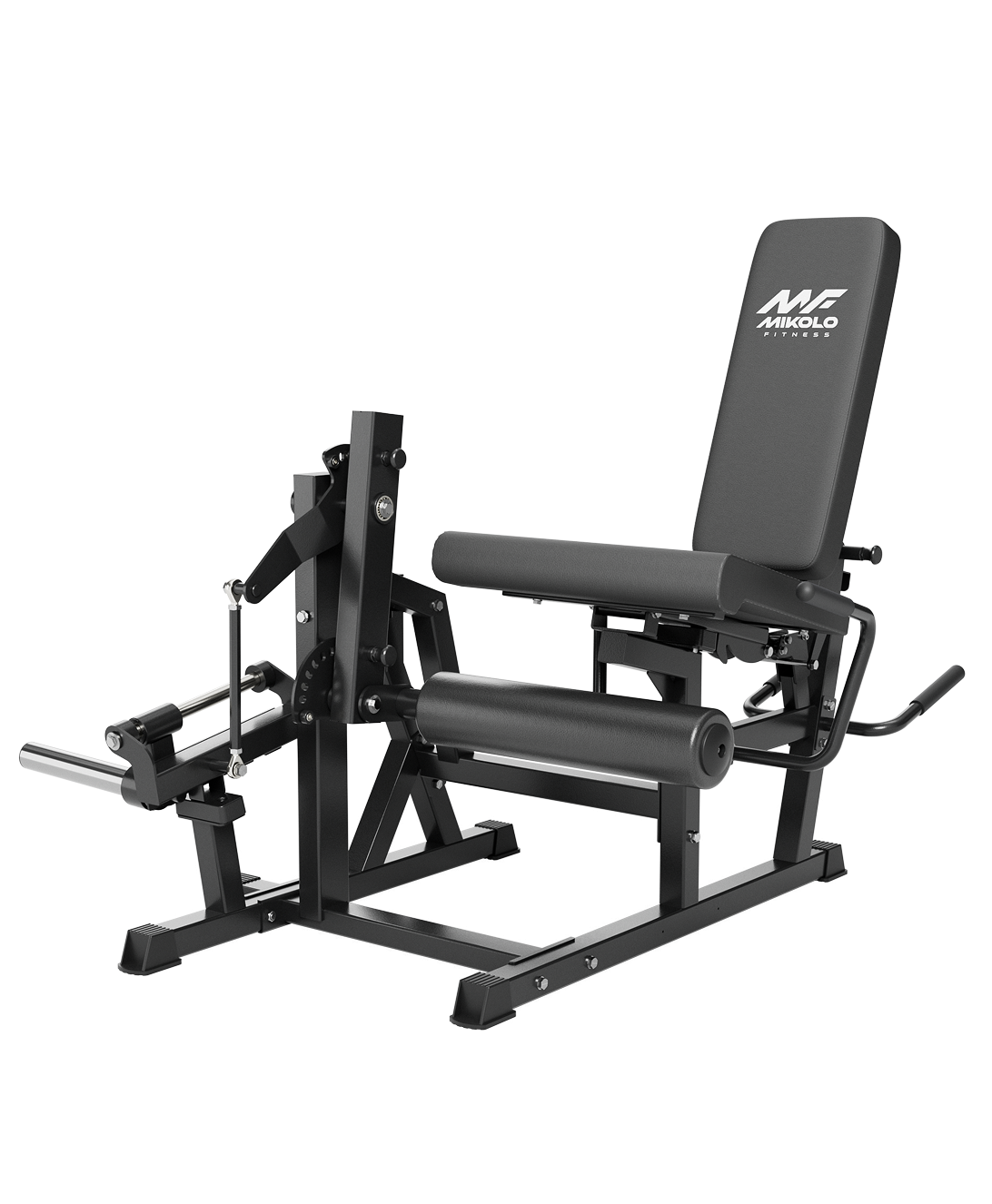
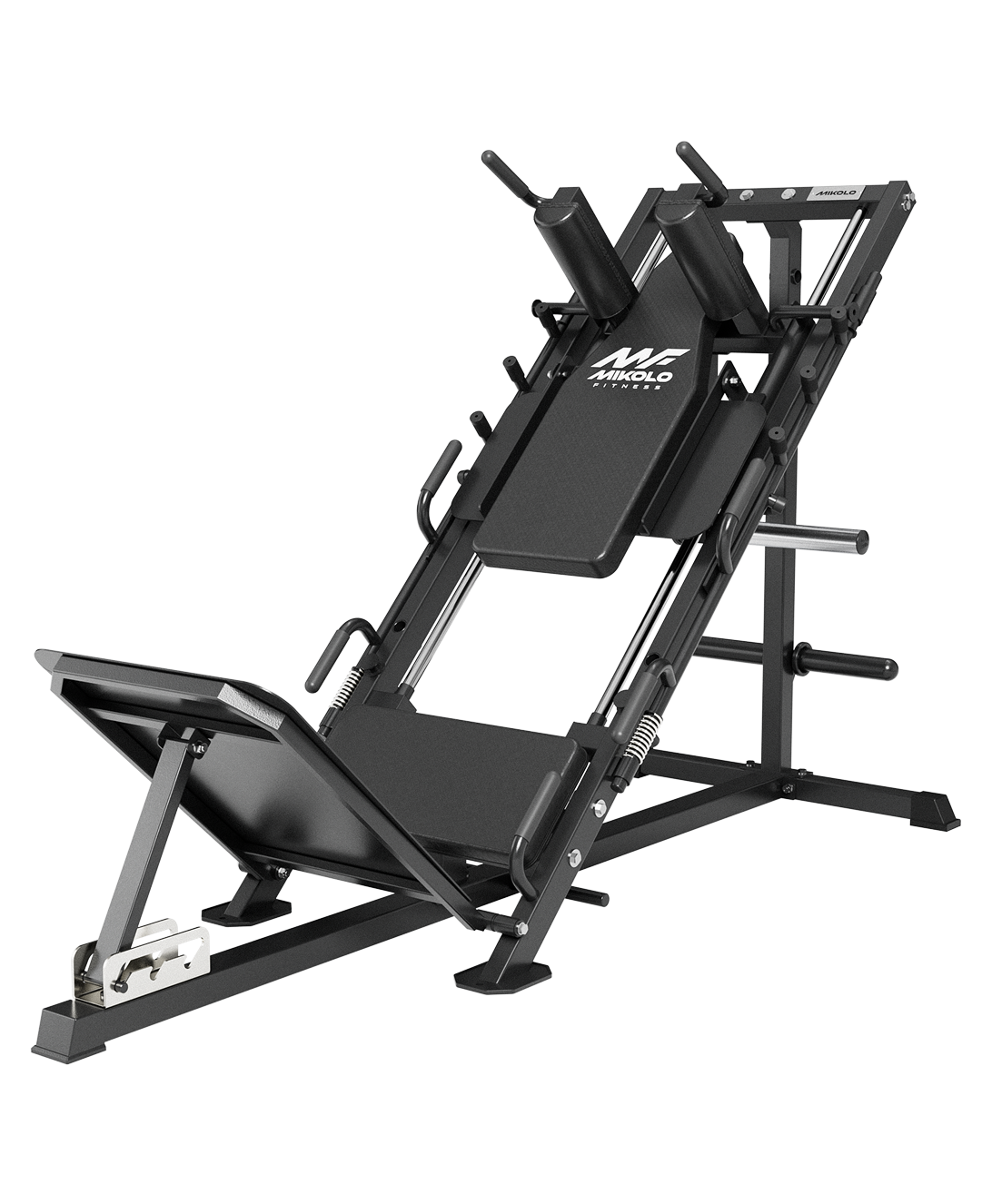
Strength training equipment is essential for building muscle and improving overall fitness. Wholesale options for strength training equipment include durable and high-performance machines from leading brands like Life Fitness and Hammer Strength. These packages are designed to cater to the specific needs of strength training, ensuring users have access to efficient and effective workout tools.
One notable package is the Southern 5000 Circuit, which includes 14 essential pieces of equipment for a comprehensive strength training regimen. This package and others like it provide gyms with the necessary tools to offer a wide range of strength training exercises, catering to various fitness levels and goals.
Smith Machines
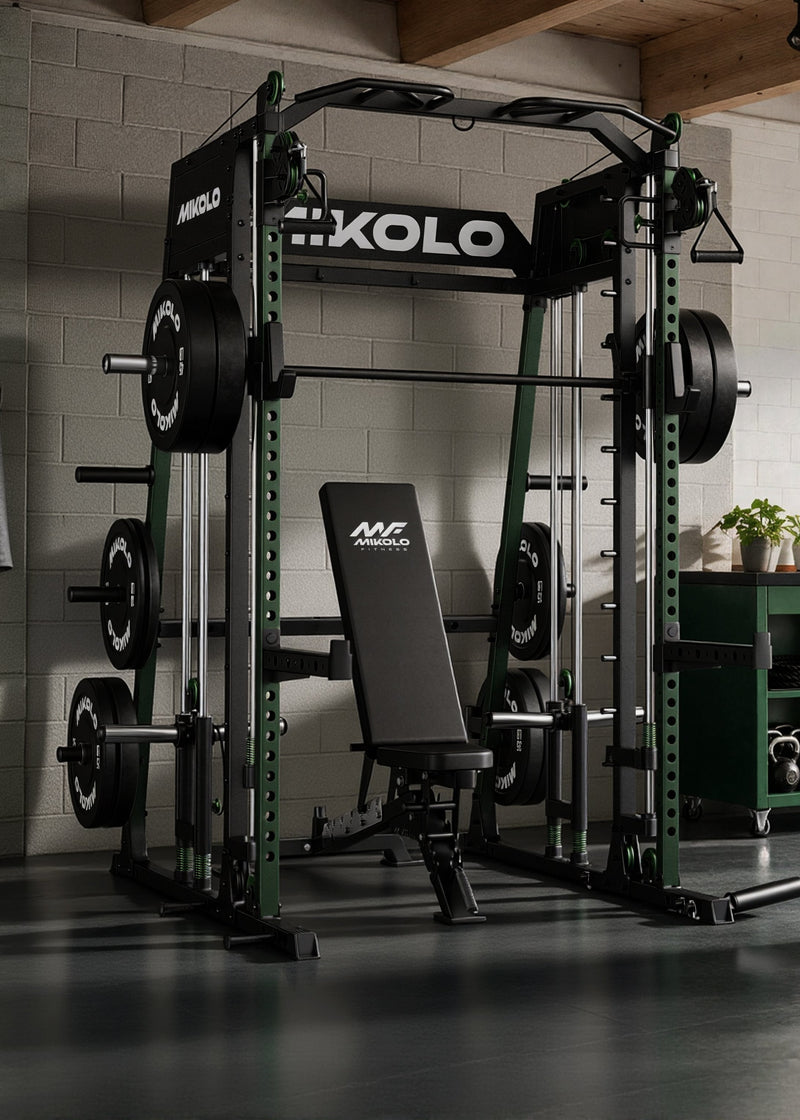
Smith machines are designed to provide safety and stability during weightlifting, featuring a barbell fixed within vertical rails for guided motion. These machines are ideal for users seeking a secure and controlled environment for their lifts, making them a staple in commercial gyms.
Smith machines allow for a variety of exercises, from squats to bench presses, ensuring a versatile workout experience.
Flat Benches
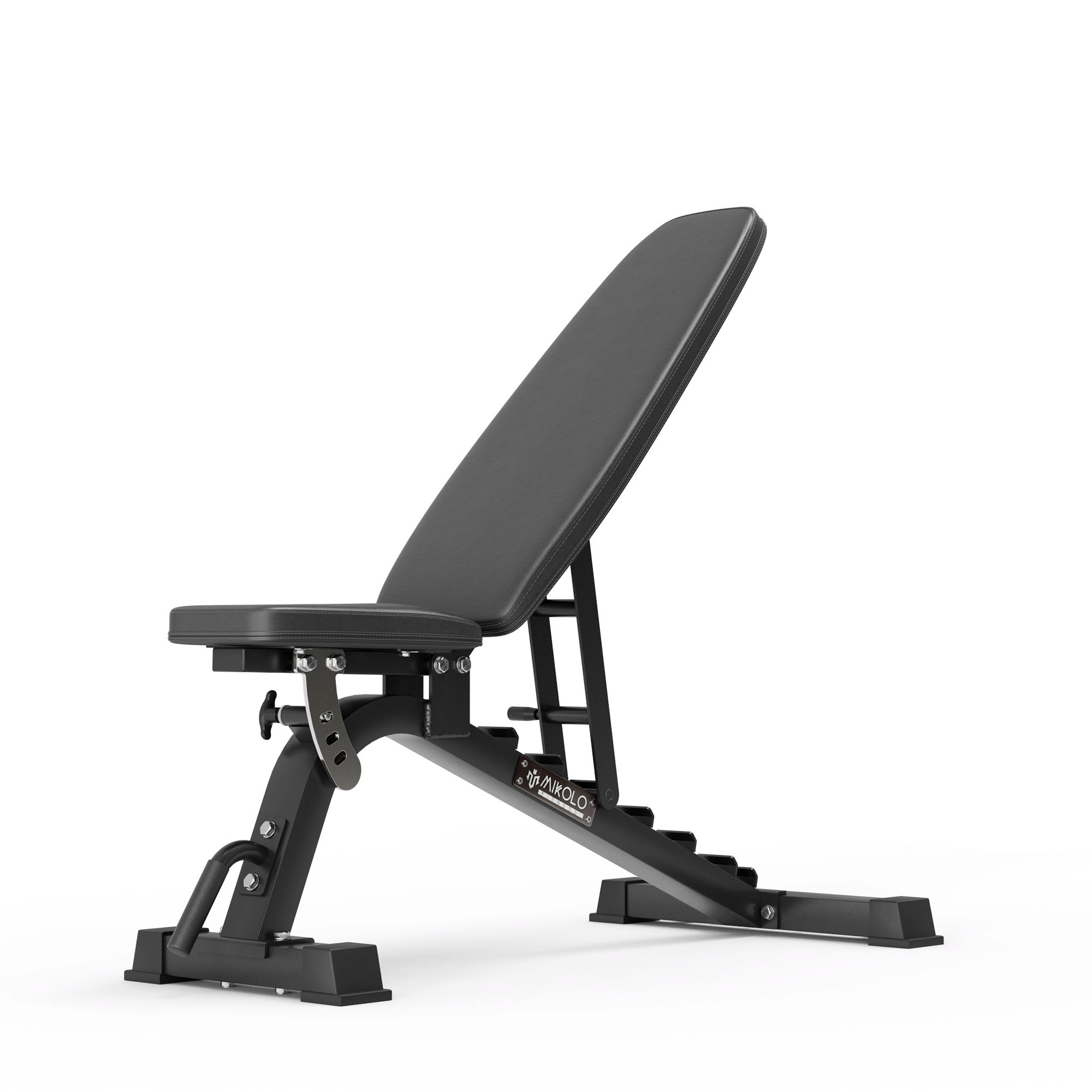
Flat benches are crucial for performing a range of exercises, such as bench presses and dumbbell workouts. These benches offer a stable surface, allowing users to perform movements effectively and safely. Made from durable materials, flat benches are designed to support heavy weights and withstand rigorous use, making them an essential piece of equipment in any gym.
Plate Load Systems
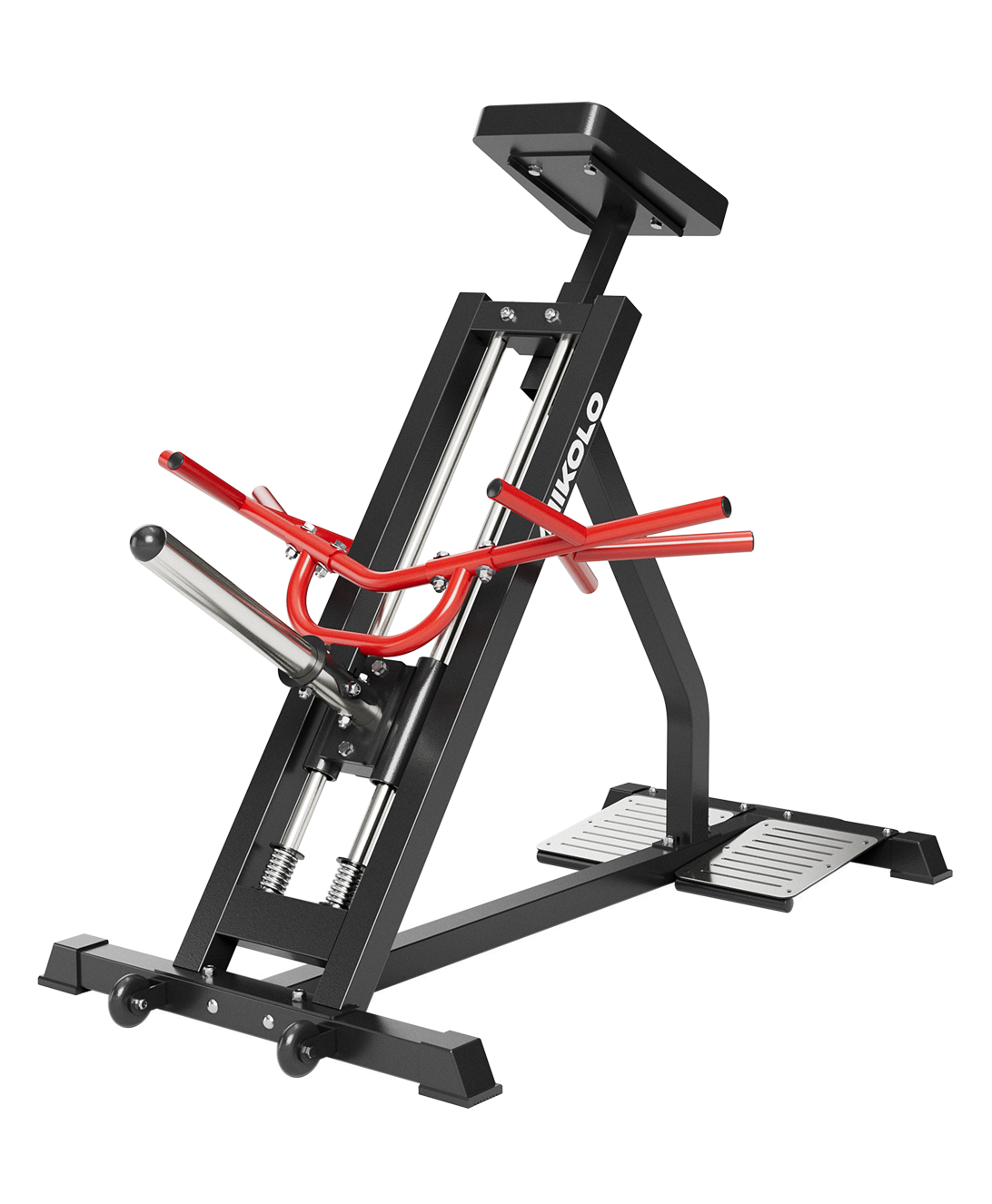
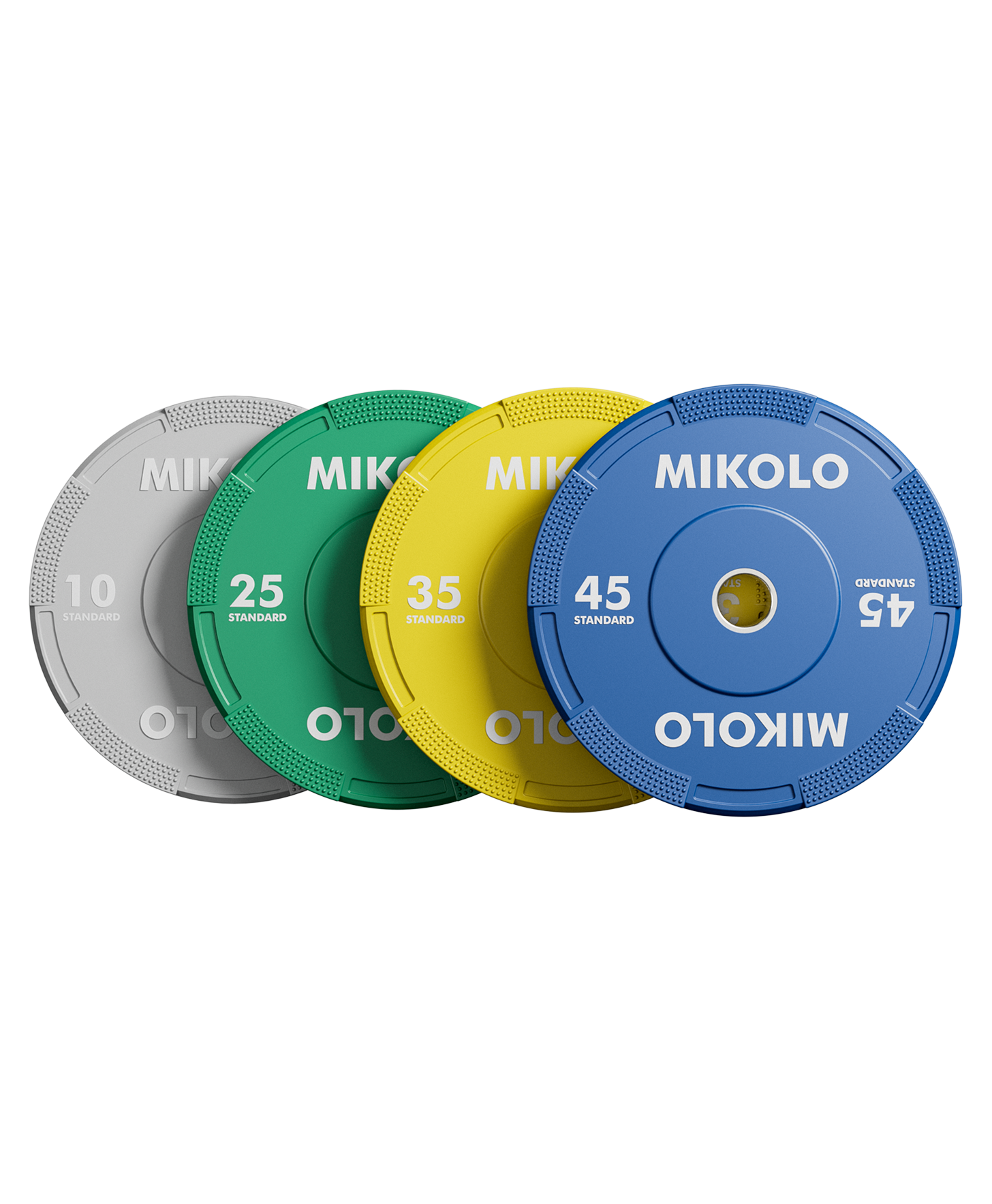
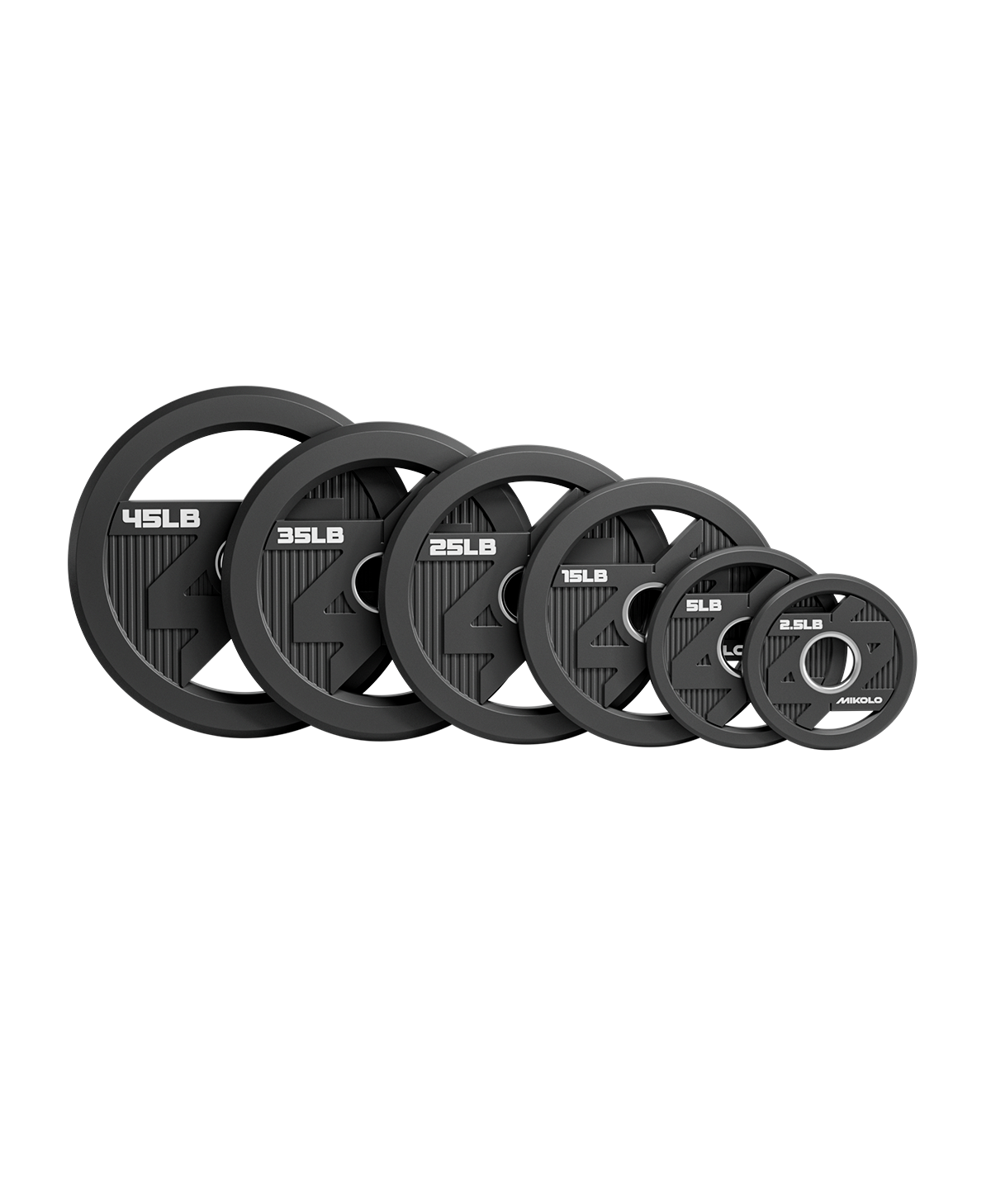
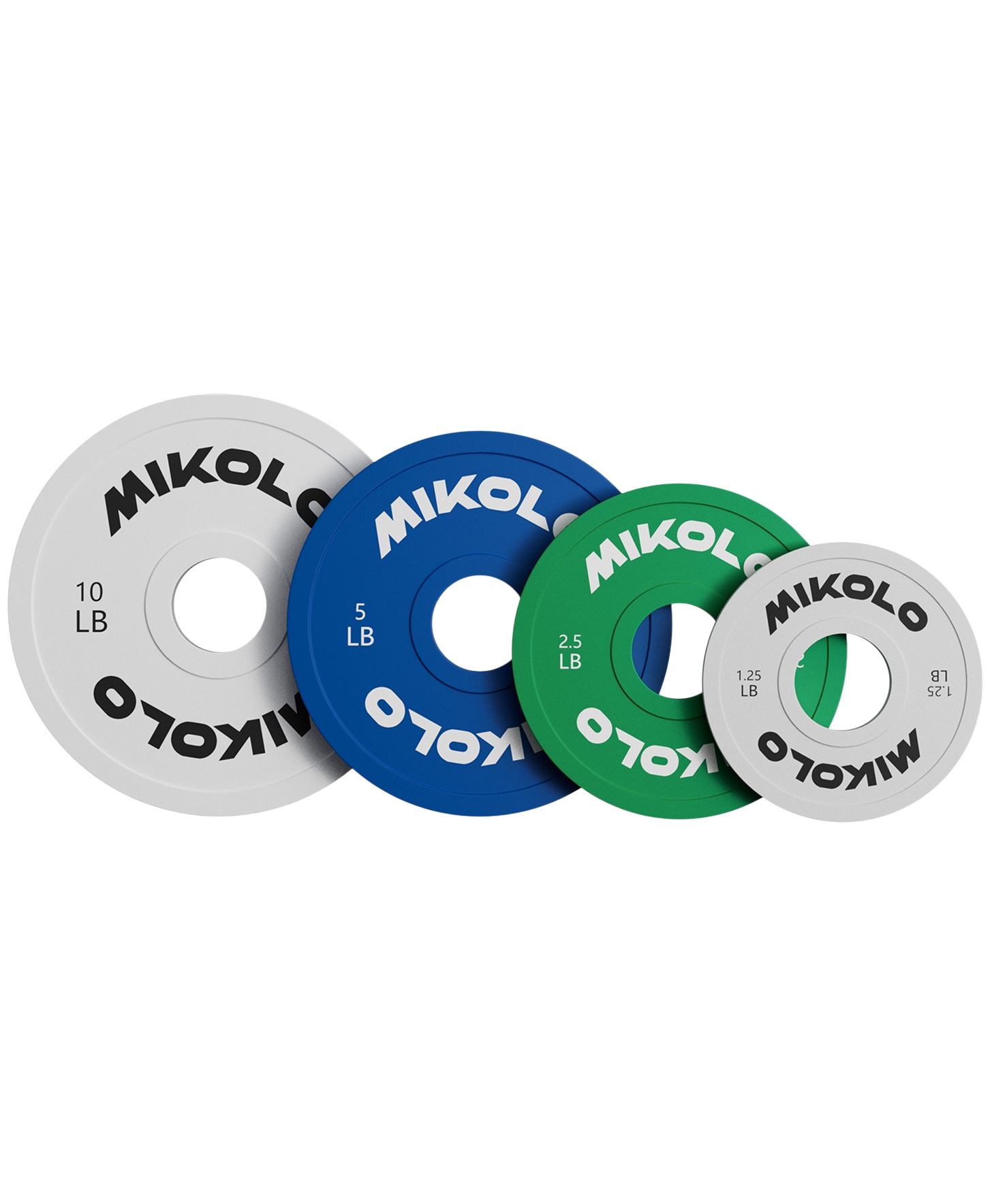
Plate load systems are an essential component in strength training equipment, designed to enhance muscle and overall strength. These systems typically consist of weighted plates that can be adjusted to fit the user’s desired load for various exercises.
Available at wholesale prices, plate load systems provide an affordable option for gyms looking to equip their facilities with versatile and efficient strength training tools.
How to Choose the Right Wholesale Workout Equipment
Selecting the right wholesale workout equipment involves careful consideration of several factors. First, it’s essential to assess your specific needs, including the space available and the type of exercises you want to offer.
Next, budget considerations play a critical role; finding a balance between high-quality equipment and financial constraints ensures long-term investment and safety. Lastly, partnering with reputable suppliers guarantees access to reliable, high-quality equipment and excellent customer support.
Assessing Your Needs
Consider the available space in your gym to optimize layout and usability. Assessing the area allows for better planning of equipment placement, ensuring efficient movement and functionality.
Configuring equipment specifically for workout routines can optimize the space and functionality in gyms, leading to a well-functioning environment for users.
Budget Considerations
When purchasing wholesale workout equipment, it’s crucial to balance high-quality equipment with your financial constraints. Prioritize quality equipment that may have a higher upfront cost but offer better durability and lower long-term expenses.
Safety and durability should be prioritized when considering your budget, supporting a long-term investment in fitness equipment.
Partnering with Reputable Suppliers
Partnering with established suppliers can provide access to high-quality equipment and reliable customer service. Reputable suppliers bring reliability and support, which is crucial for maintenance and support.
The quality and reliability of workout equipment are crucial for the overall success of your fitness industry facility.
Financing Options for Wholesale Workout Equipment
Various financing options are available to help customers manage the cost of purchasing workout equipment in bulk. These methods include monthly payment plans, 0% APR financing, and the choice between leasing and buying equipment.
Considering the total cost of ownership, including maintenance and resale value, is essential for financial decisions.
Monthly Payment Plans
Monthly payment plans can provide affordable ways to buy workout equipment, allowing payments to be spread over time. These plans can range from interest-free installments to options with competitive interest rates for larger purchases, making it easier to manage financial outlays.
0% APR Financing
Interest-free financing options are available, making it easier to manage large purchases without additional costs. 0% APR financing can significantly ease the burden of larger purchases by eliminating financing costs, allowing buyers to make significant investments without accruing interest.
Leasing vs. Buying
Leasing can offer lower upfront costs compared to buying outright, making it an appealing option for those needing flexibility. Purchasing equipment outright may provide long-term savings and the benefit of ownership, ensuring the equipment is paid off and remains an asset.
Weighing the pros and cons of leasing versus buying, based on financial situation and long-term goals, helps in making the best decision for your fitness facility.
Shipping and Delivery Information
Shipping and delivery processes are crucial for ensuring smooth and timely arrivals of wholesale workout equipment. Wholesale purchases often come with coordinated delivery services, simplifying the logistics of setting up new gym facilities. These services ensure that equipment arrives on time and is ready for use, enhancing the efficiency of gym setup.
Domestic Shipping
Estimated delivery times for domestic shipments of workout equipment can vary based on the distance from the warehouse to the delivery location. Shipping costs typically depend on the weight and size of the order, with free shipping available for orders exceeding $35 within the contiguous United States, excluding certain locations like Hawaii and Alaska.
Most domestic shipping services include tracking to monitor the package’s journey.
International Shipping
Shipping to Canada and Puerto Rico incurs extra charges and requires the provision of a contact number for customs processing. Additional charges involved in international shipping must be considered to ensure accurate budgeting and avoid surprises.
Professional Installation Services
Many suppliers of wholesale workout equipment offer professional installation services to ensure proper setup and functionality. Services include equipment assembly, alignment, and safety checks, optimizing performance and ensuring smooth operation of gym equipment.
Customization Options for Wholesale Workout Equipment
Customization options for wholesale gym equipment can enhance the aesthetic and functional appeal of fitness facilities. These options include custom colors, branding and logos, and specialized configurations to meet specific workout requirements and space limitations.
Such customization allows gyms to create a unique atmosphere that reflects their branding and caters to their clients’ needs.
Custom Colors
Many suppliers offer custom color options for gym equipment, allowing for personalized aesthetics. Equipment can be powder-coated in a variety of colors to align with a gym’s branding, with two-tone color options enhancing aesthetic choices.
This customization creates a unique atmosphere that reflects the specific branding themes of the gym.
Branding and Logos
Custom logos and decals can be added to equipment for branding purposes, including custom cage post decals and embroidered logos. Various printing techniques like screen printing and embroidery can integrate logos into weight plates and equipment, creating a unique identity for gyms and enhancing client experience.
Specialized Configurations
Specialized configurations include adapting workout equipment to meet specific exercise needs and fit within unique space parameters. This ability to configure equipment ensures that gyms can maximize utility and provide better-tailored workout experiences for users.
Contact Us for Wholesale Workout Equipment Inquiries
For inquiries about wholesale pricing or commercial equipment, interested parties can send an email to Gronkfitness@gmail.com. Contact forms on the website allow users to submit their name, email, phone number, and a message for inquiries. A response to email inquiries is typically provided within 24 hours, with follow-ups within 48 hours after signing up for wholesale inquiries.
The company prioritizes customer satisfaction and is dedicated to providing excellent service.
Summary
In conclusion, buying wholesale workout equipment offers significant benefits, including cost savings, streamlined setup, and access to premium brands. By choosing the right equipment packages and working with reputable suppliers, gym owners can enhance their facilities and provide top-notch fitness experiences for their clients. With various financing options, shipping services, and customization available, the journey to building a successful fitness facility becomes more manageable. Take the next step towards a thriving gym by investing in high-quality wholesale workout equipment.
Frequently Asked Questions
What are the benefits of buying wholesale workout equipment?
Purchasing wholesale workout equipment provides significant cost savings and access to high-quality brands, which can enhance both the efficiency and profitability of gyms. This approach ensures a streamlined setup for business owners looking to optimize their operations.
What types of cardio equipment are available at wholesale prices?
Treadmills, ellipticals, and stationary bikes are among the popular types of cardio equipment available at wholesale prices, suitable for both commercial and home fitness environments.
How can I choose the right wholesale workout equipment for my gym?
To choose the right wholesale workout equipment for your gym, assess your specific needs and budget, and collaborate with reputable suppliers. This approach will ensure that you select quality equipment that aligns with your facility's objectives.
What financing options are available for purchasing wholesale workout equipment?
Several financing options are available for purchasing wholesale workout equipment, including monthly payment plans, 0% APR financing, and the flexibility to lease or buy. These options facilitate effective cost management for your investment.
Can I customize the workout equipment I purchase wholesale?
Yes, you can customize wholesale workout equipment with options such as custom colors, branding, and specialized configurations to suit your specific needs. This flexibility ensures that the equipment aligns with your brand and space requirements.






















Leave a comment
This site is protected by hCaptcha and the hCaptcha Privacy Policy and Terms of Service apply.