




















What Is a Squat Rack: How to Choose the Right One for Your Home Gym
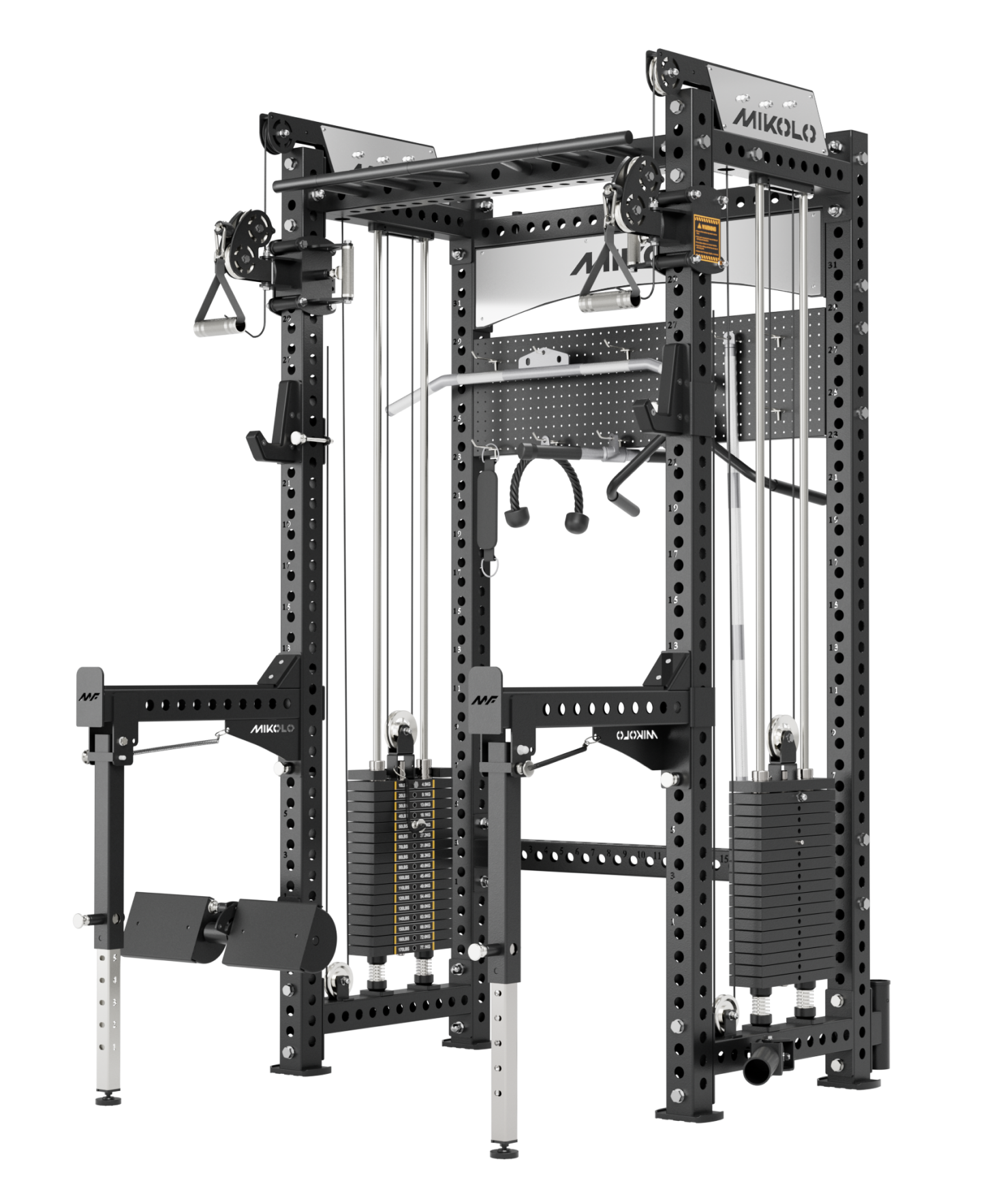
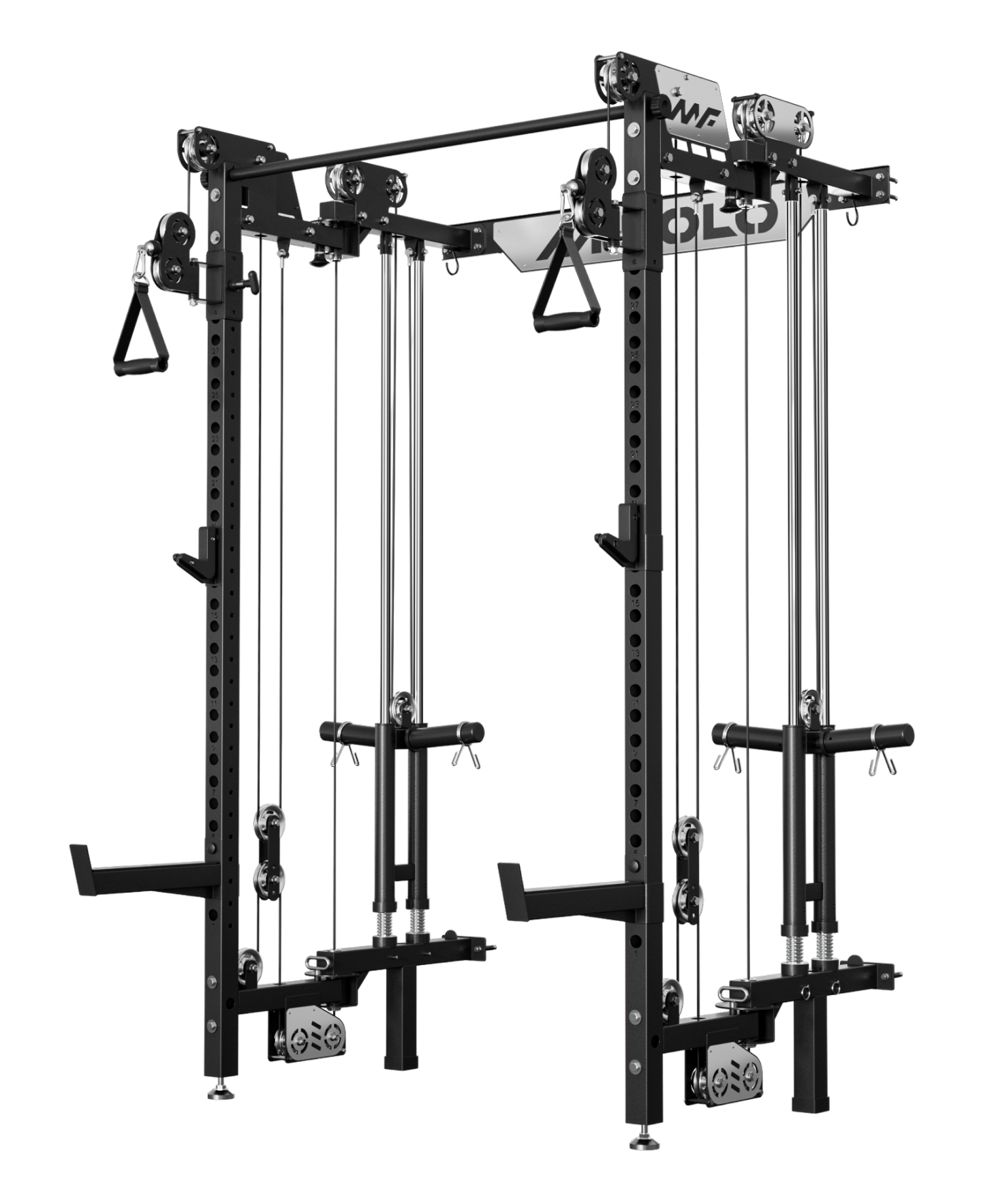
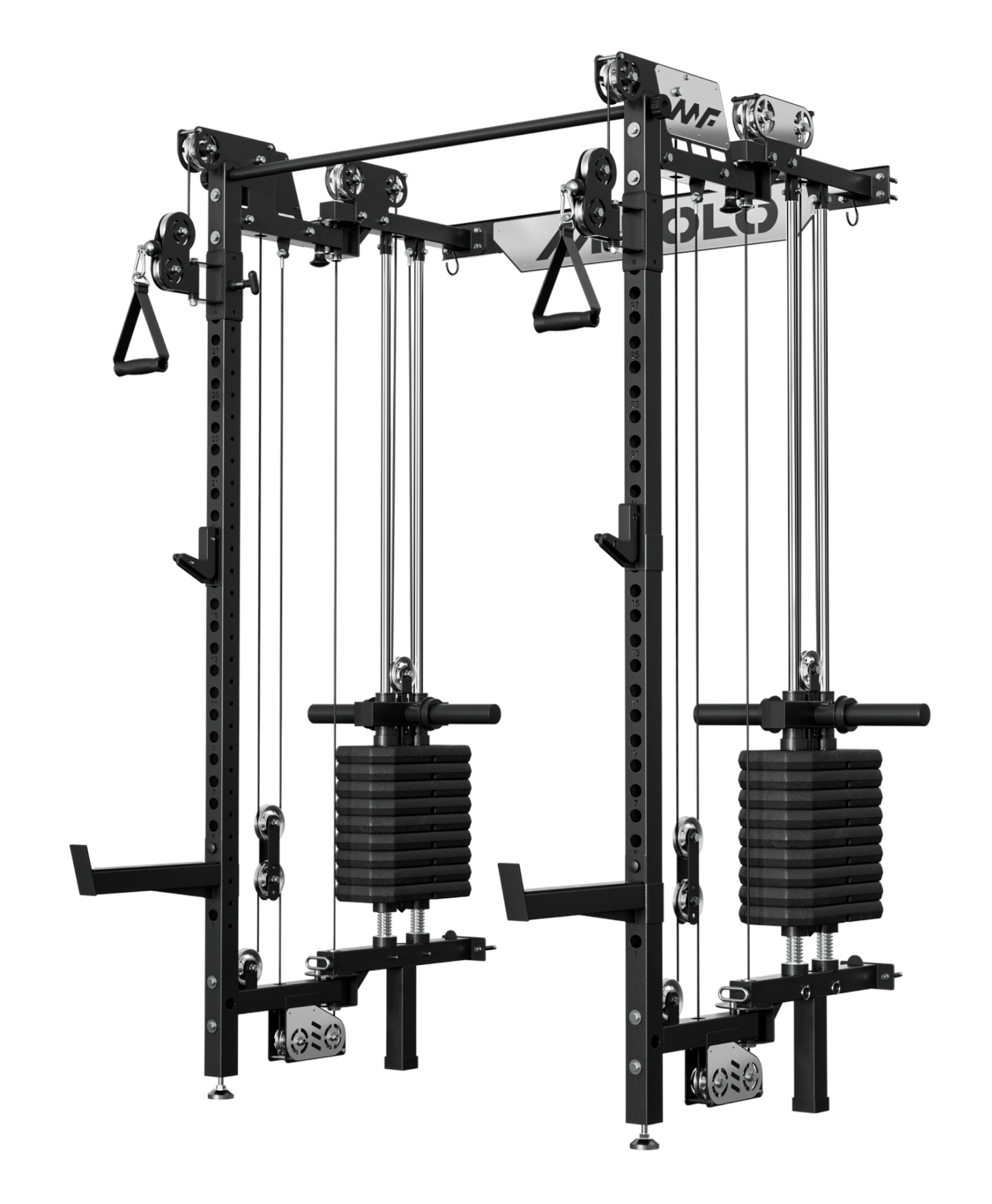
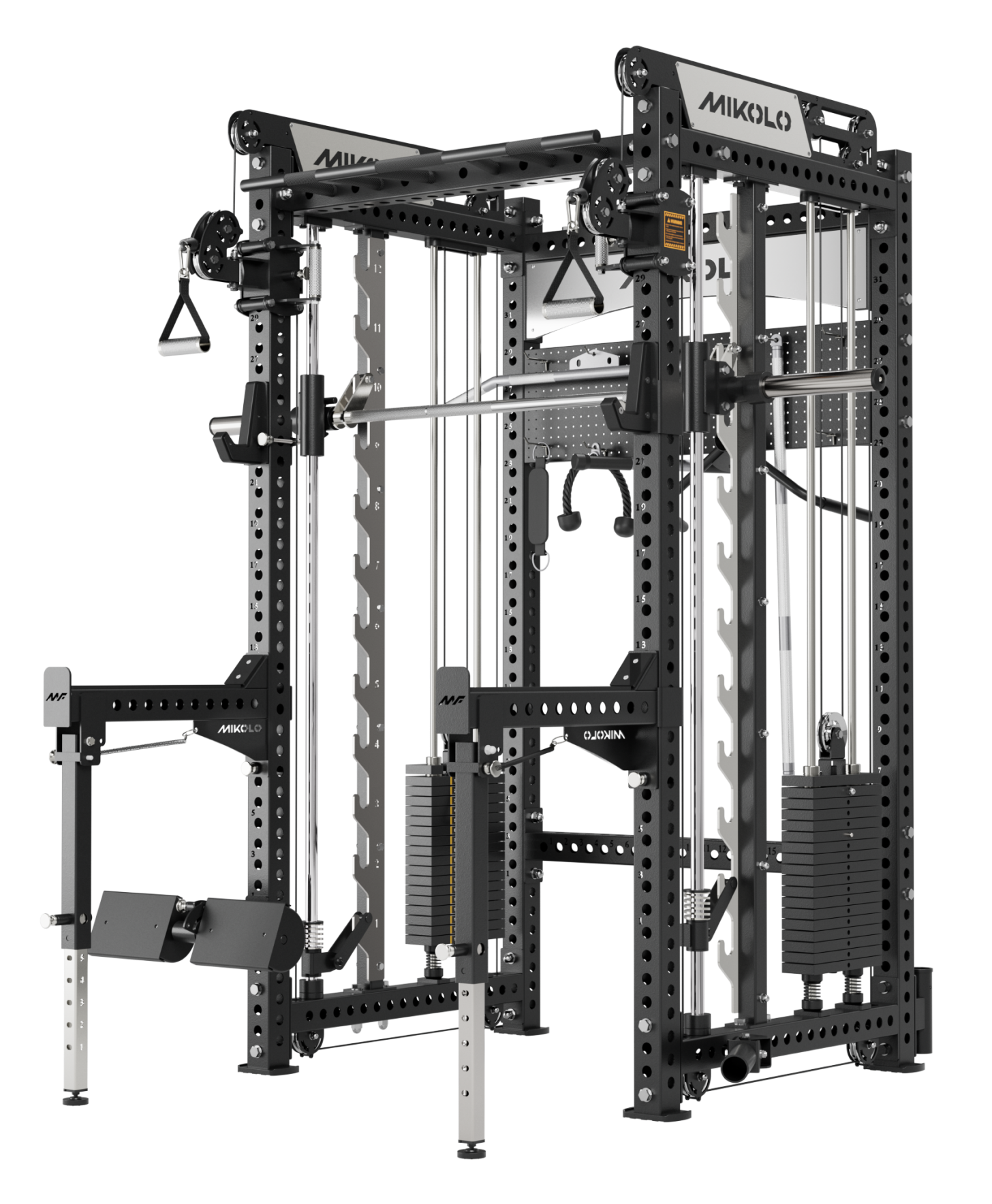
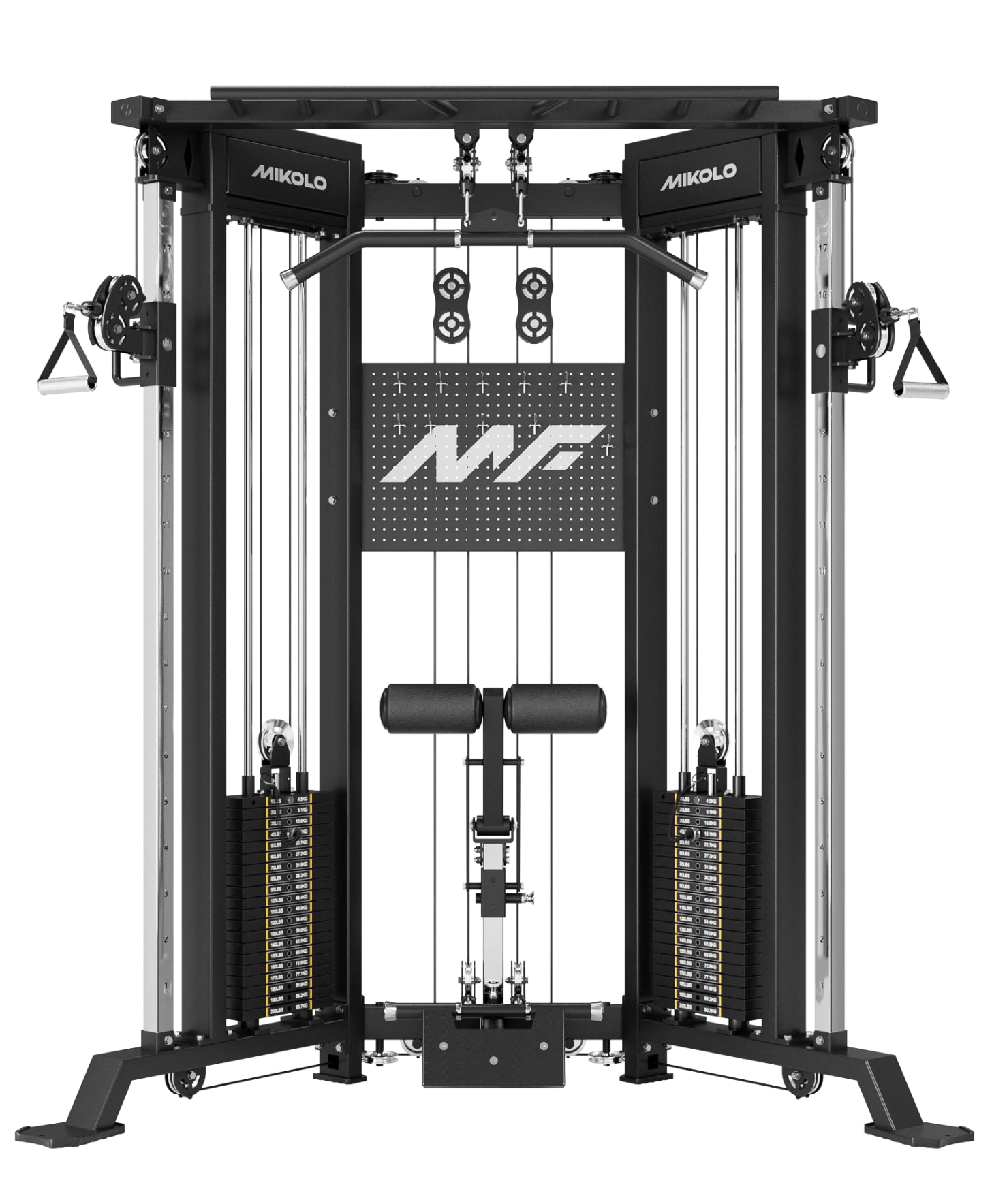
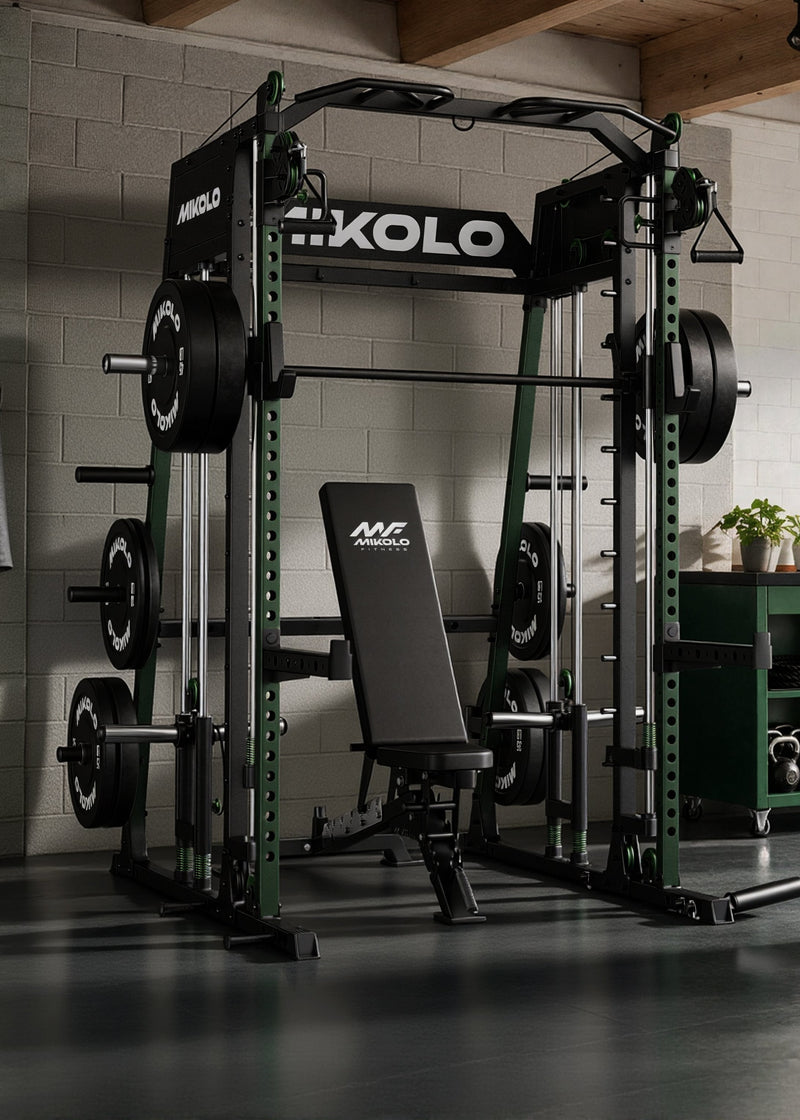
If you're setting up a home gym, choosing the right squat rack can feel overwhelming. There are squat stands, half racks, power racks, and folding racks—and they all seem similar at first.But the real question is simple: which one actually fits your training?In this guide, we’ll break down each type of squat rack and help you choose the right setup based on your space, budget, and training goals. What Is a Squat Rack (and Why It Matters) A squat rack is designed to hold a barbell at adjustable heights so you can safely perform exercises like squats, bench press, and overhead press. But for most home gym users, it becomes much more than that. A good squat rack: Lets you train heavy without a spotter Keeps you safe when you fail a rep Supports full-body strength training That’s why it’s often the first major piece of equipment people invest in. Main Types of Squat Racks 1 Squat Stands Compact & Entry-Level Squat stands are the simplest option, using two separate uprights instead of a full frame. Best for: Beginners, very small spaces, light to moderate lifting Downside: limited stability and safety 👉 Most users eventually upgrade once they start lifting heavier. 2 Half Racks Balanced Option Half racks provide a stronger frame and include spotter arms for added safety. Best for: Intermediate lifters, home gyms with moderate space, users who want stability without a full cage They're a solid middle ground—but still not the safest option for heavy solo lifting. 3 Power Racks Best for Safety & Long-Term Use Power racks (full cages) are the most complete solution. They surround you with four posts and include adjustable safety bars on all sides. Why they stand out: Maximum safety for solo training, high weight capacity, expandable with attachments 👉 If you're building a serious home gym, this is usually the best investment.For example, a system like a power rack with cable system gives you: built-in safety bars, pull-up station, and cable training options. This turns one rack into a full-body training station instead of just a squat setup. 4 Folding Squat Racks Best for Limited Space Folding racks mount to the wall and fold away when not in use. Best for: Garage gyms, shared spaces, minimalist setups Trade-offs: Lower weight capacity, requires wall installation Squat Rack vs Power Rack: What's the Difference? Many people use these terms interchangeably—but they're not the same. Feature Squat Rack Power Rack Structure Open Enclosed Safety Limited Full protection Stability Moderate High Best for Light training Heavy lifting 👉 If you train alone, a power rack is almost always the safer choice. How to Choose the Right Squat Rack Instead of overcomplicating things, match your rack to your situation: ✔ Small spaceGo compact — a folding rack or stand works if space is tight. ✔ Balanced setupHalf rack — good mix of size and stability. ✔ Serious trainingPower rack — go with a full setup like an all-in-one Smith machine & power rack combo. This type of system combines: Smith machine + Cable system + Power rack — so you can train safely while also expanding your exercise options. What Can You Do With a Squat Rack? A squat rack supports full-body training: 🦵 Lower Body Squats · Lunges 💪 Upper Body Bench press · Overhead press 🏋️ Back Pull-ups · Rows With the right setup, you can build an entire training program around it. If you’re using a system with cables (like many functional trainer power rack setups), you can also add: lat pulldowns, cable rows, and isolation movements. Final Thoughts: Which Squat Rack Is Worth It? If you're just starting, a basic setup can work. But if you want something that: grows with your training keeps you safe replaces multiple machines 👉 then a power rack or all-in-one system is the smarter long-term choice. Instead of upgrading later, you start with a setup that can handle everything from day one.
Leave a comment
This site is protected by hCaptcha and the hCaptcha Privacy Policy and Terms of Service apply.