

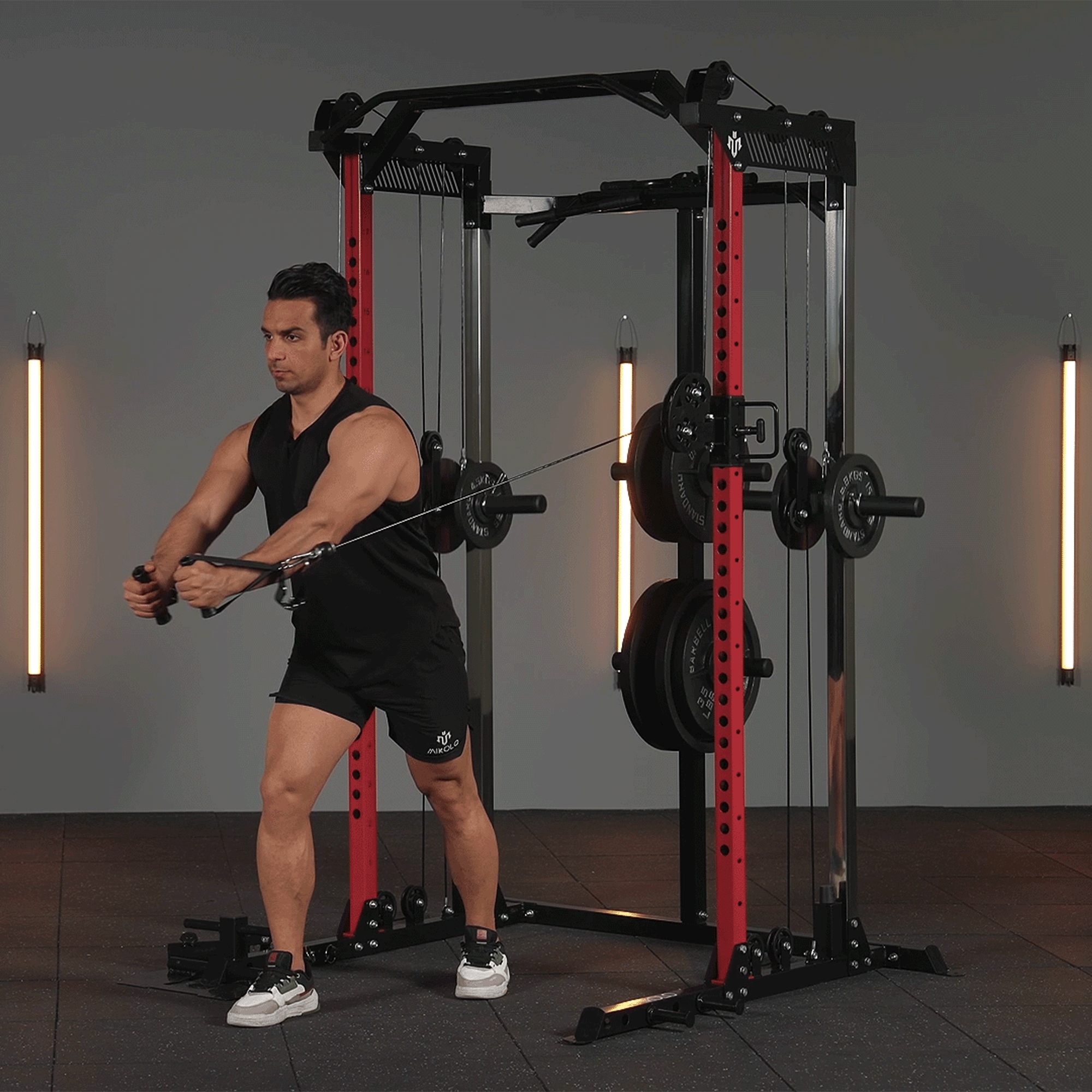


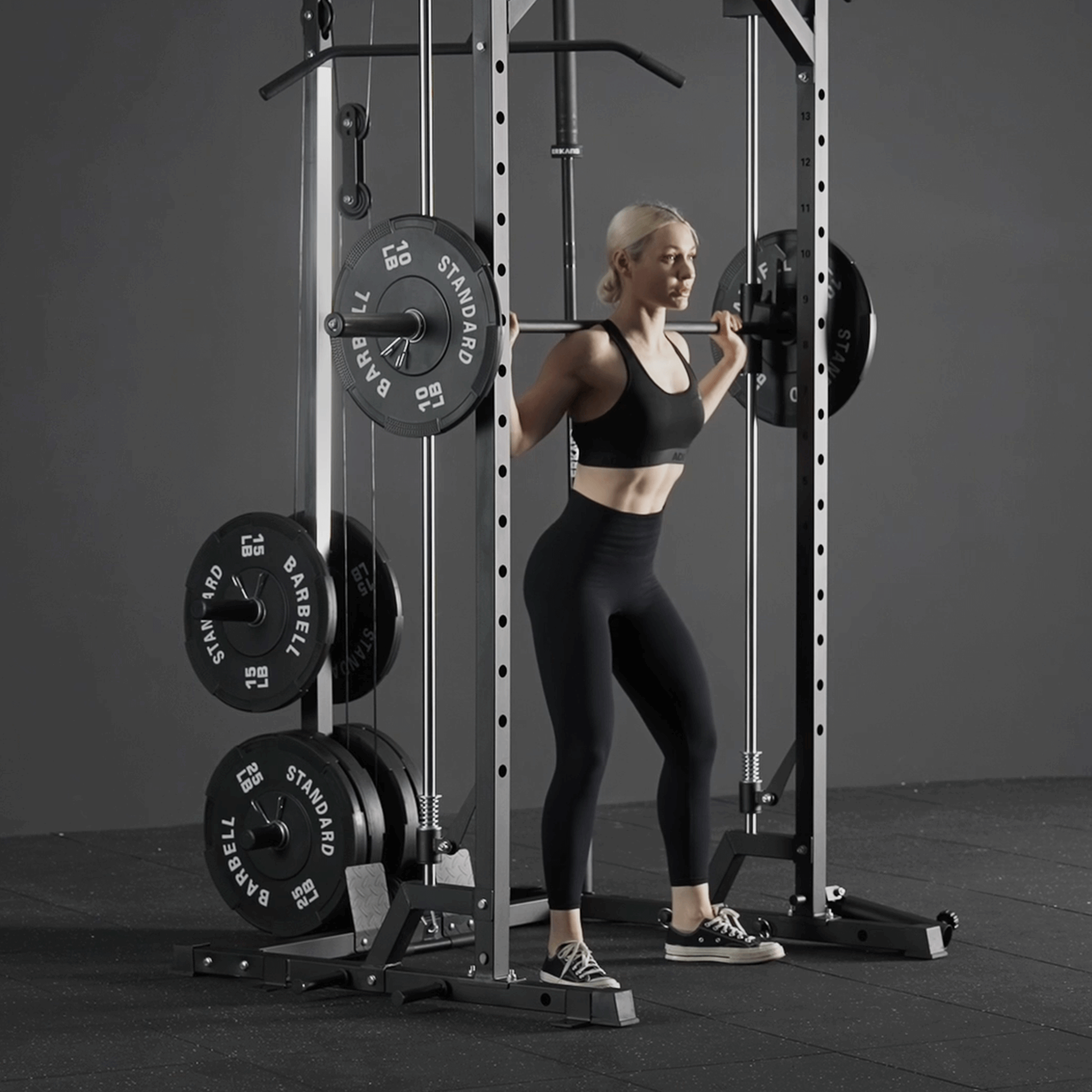












If you're serious about building strength, sculpting your physique, or boosting overall health, the idea of lifting weights every day might sound appealing. But is training daily the best path forward—or could it set you back? Let's break down the facts about daily resistance training and help you understand what’s right for your body and goals.
Is It Okay to Lift Weights Every Day?
Yes, you can lift weights every day, but whether you should depends on factors like your training split, recovery habits, nutrition, and experience level.
Daily weight training isn’t inherently bad or dangerous. In fact, many athletes and fitness enthusiasts follow programs that involve lifting every day—strategically. The key is how you train.
How Your Body Responds to Daily Weight Training
Weight training creates microscopic tears in muscle fibers. Your body repairs and rebuilds these fibers during rest, which is when muscle growth happens. Training too hard without adequate recovery can lead to overtraining, which brings symptoms like:
-
Persistent fatigue
-
Decreased performance
-
Poor sleep
-
Elevated resting heart rate
-
Mood swings or irritability
However, with a smart approach, weight lifting every day can be sustainable—even beneficial. It all comes down to volume, intensity, and variety.
Smart Ways to Train Daily
If you're set on daily weight sessions, consider these science-backed guidelines:
1. Alternate Muscle Groups
A popular method is the "split routine"—working different muscles each day (e.g., push/pull/legs). This allows you to train daily while giving specific muscles time to recover.
2. Vary Your Intensity
Not every session needs to be heavy. Include low-intensity, mobility-based, or technique-focused days to reduce physical stress while maintaining consistency.
3. Listen to Your Body
Feeling unusually sore, tired, or sluggish? That’s your body asking for a break. Adjust your plan instead of powering through.
4. Sleep and Nutrition Are Non-Negotiable
Muscle repair happens during sleep and is fueled by adequate protein and calories. Without these, lifting every day can work against your goals.
Personal Insight: What Happened When I Trained Every Day
There was a phase in my journey when I trained with weights seven days a week. I wasn’t pushing max loads daily, but I was committed. For four weeks, I followed an upper/lower split with two active recovery days that included light dumbbell circuits and mobility work.
The result? I felt stronger, more energized, and even slept better. But I also learned the importance of rotating heavy days with lighter ones. On weeks when I ignored recovery cues, my lifts stalled, and my joints got cranky. Lesson learned: consistency is powerful, but recovery is king.
Common Questions About Daily Lifting
Is it bad to lift every day?
Not inherently—but it can be if you train the same muscles with high intensity and no rest. Structure and variation are essential.
Is it healthy to lift weights every day?
Yes, as long as you're not neglecting sleep, food, and mental stress. A well-rounded plan improves bone density, mental health, and metabolism.
Can I lift dumbbells every day?
Absolutely—especially if you're using light-to-moderate loads with good form and rotating movements. Dumbbells are great for joint-friendly, daily routines.
Will I build muscle lifting every day?
You can, especially if you manage volume and allow enough stimulus without burnout. Progressive overload, rest, and nutrition remain the cornerstones.
So, Should You Lift Weights Every Day?
Yes, you can lift weights every day—but only if you train smart.
Daily resistance training works best when you rotate muscle groups, mix up intensity, prioritize recovery, and pay attention to your body’s feedback. Whether you're after strength, aesthetics, or longevity, consistency paired with strategy beats brute force every time.
If you’re new to strength training or unsure how to plan a safe, effective daily routine, consider starting with 3–5 days a week and gradually increasing frequency as your body adapts.


Leave a comment
This site is protected by hCaptcha and the hCaptcha Privacy Policy and Terms of Service apply.