Whether you’re starting fresh at the gym or setting up your home workout space, knowing the names and purposes of various gym machines can be a game changer. In this guide, we’ll cover essential cardio, strength training, and versatile machines. You’ll understand what each gym machine with name is for and how to use it to meet your fitness goals.
Key Takeaways
-
Essential gym machines like treadmills, stationary bikes, and elliptical trainers cater to all fitness levels and enhance cardiovascular health.
-
Strength training machines, such as the Smith machine and leg press machine, are crucial for building muscle safely and effectively, targeting specific muscle groups.
-
Versatile gym equipment, including functional trainers and cable crossover machines, provide full-body workouts and can be tailored to different fitness goals.
Essential Gym Machines for Every Fitness Level
Essential gym machines are the backbone of any fitness regimen, providing a range of exercises that cater to every fitness level. Whether you’re looking to improve your cardiovascular fitness, build muscle, or just maintain overall health, these machines are indispensable. They are versatile, user-friendly, and suitable for both home and commercial gyms.
These gym machines are designed to help you achieve quick results, provided you can dedicate time to your workouts. From beginners to advanced athletes, anyone can benefit from incorporating these machines into their fitness routine.
Let’s explore some of the most essential gym machines and gym equipment names that should be part of every fitness enthusiast’s repertoire.
Treadmill
A treadmill is essential for anyone wanting to enhance their cardiovascular fitness. It provides an effective way to achieve that goal. This gym machine is designed for walking, jogging, or running in place, making it perfect for users of all fitness levels. A treadmill engages multiple muscle groups, including calves, hamstrings, quads, and glutes, enhancing overall cardiovascular endurance.
Wearing good sneakers with ample grip is crucial when using a treadmill, as it is not a low-impact machine. Whether you’re training for a marathon or just aiming to stay in shape, the treadmill offers a versatile and effective cardio workout. You can adjust the speed and incline to match your fitness level and goals, making it a highly customizable piece of equipment.
High intensity interval training (HIIT) can be effectively performed on a treadmill, providing a challenging workout that pushes your limits and burns calories efficiently. Alternating between high-intensity running and low-intensity walking or jogging maximizes treadmill session benefits and improves cardiovascular fitness in less time.
Stationary Bike
The stationary bike is another essential gym machine that offers a low-impact cardio workout, making it suitable for a wide range of fitness levels. There are two main types of stationary bikes: upright bikes and recumbent-style bikes, each catering to different preferences and workout intensities. Using a stationary bike can significantly improve your cardiovascular endurance while toning your legs and lower body.
Maintaining the seat height at hip level, avoiding hunching over, and gradually increasing speed or intervals ensures effective stationary bike workouts. This ensures that you are working out effectively and safely. With its compact size, an exercise bike typically measures approximately 60 inches long, 24 inches wide, and 50 inches high, making it a practical addition to any home gym.
High intensity interval training on a stationary bike can further enhance fitness results. By alternating between periods of intense cycling and recovery, you can boost your cardiovascular fitness and burn more calories in less time. This makes the stationary bike an excellent choice for anyone looking to maximize their workout efficiency.
Elliptical Trainer
The elliptical trainer is a fantastic option for those seeking a low-impact cardio workout that still engages multiple muscle groups. This gym machine operates in a smooth, gliding motion, providing a seamless workout experience that is gentle on the joints. Using an elliptical trainer can help improve your cardiovascular endurance while working out your legs, core, and arms.
One of the great advantages of the elliptical trainer is its versatility in catering to different budgets and fitness levels. With prices ranging from $100 to over $4,000, there’s an elliptical machine for everyone. Whether you’re a beginner or an experienced athlete, the elliptical trainer offers a comprehensive, full-body workout that can help you achieve your fitness goals.
Strength Training Machines
Strength training machines are essential for building muscle and improving overall strength. These machines are particularly beneficial for beginners, as they help in safely mastering movement patterns and building strength without the risk of injury. For advanced users, strength training machines offer a variety of exercises to target specific muscle groups and enhance workout efficiency.
Using strength training equipment, such as a squat rack, pull up bar, and barbells, can significantly improve your muscle strength and endurance. These machines are designed to engage multiple muscle groups, making them an integral part of any strength training routine.
Let’s explore some of the most popular strength training machines and their benefits.
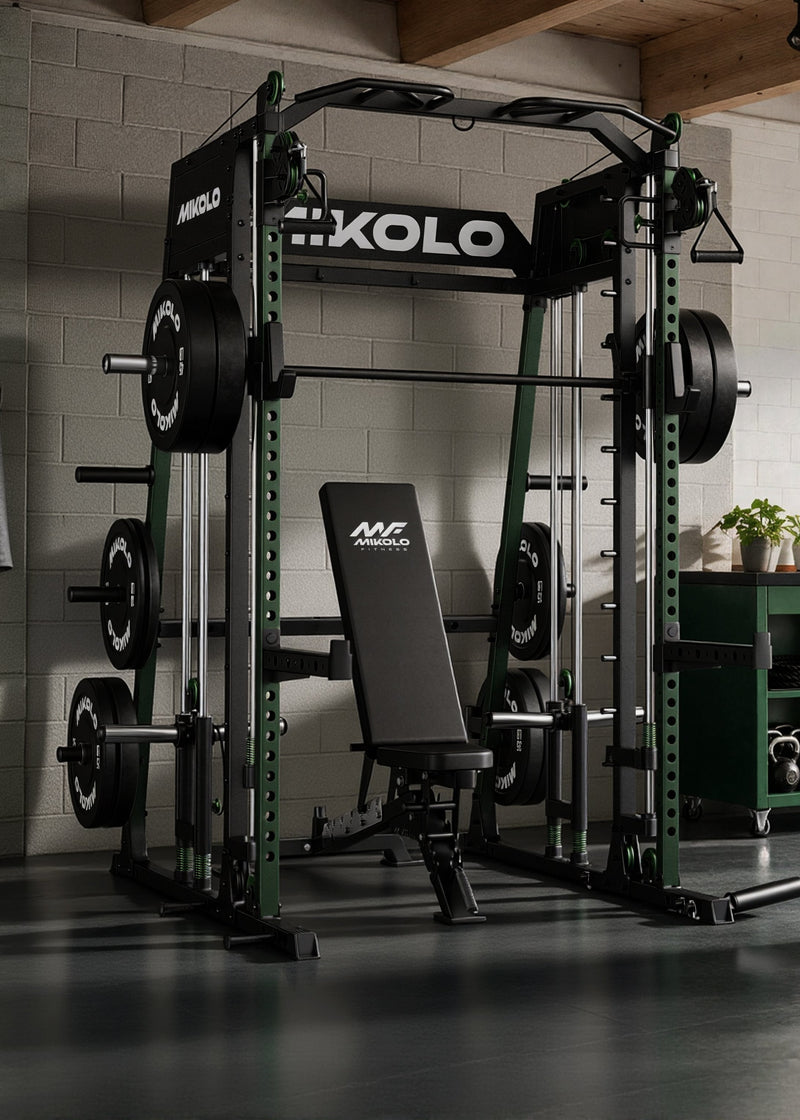
Smith Machine
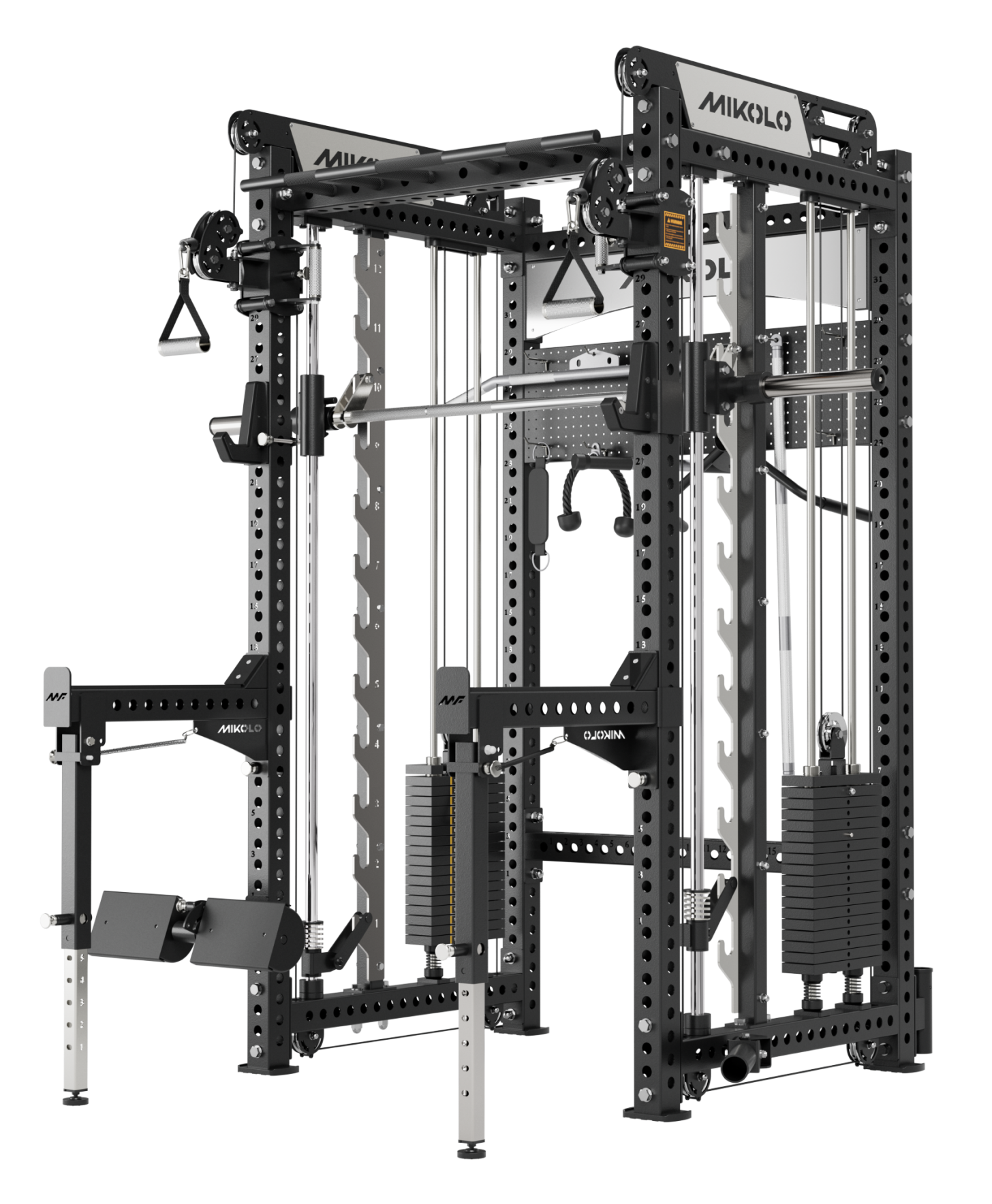
The Smith machine is a versatile piece of gym equipment. It has a barbell that is fixed within steel rails, allowing for controlled vertical movements. This design provides extra safety and stability during weightlifting, making it ideal for users who prefer to lift without a spotter. The primary functions of the Smith machine and smith machines include guided barbell movements for safe weightlifting and performing compound exercises.
Exercises that can be performed on the Smith machine include deadlifts, bent-over rows, lying tricep extensions, squats, and shoulder presses. These exercises engage multiple muscle groups and help in building full-body strength. The guided movements of the Smith machine also reduce the risk of injury, making it suitable for both beginners and advanced users.
Incorporating the Smith machine into your workout routine can enhance your strength training by providing consistent resistance and promoting proper form. Whether you’re aiming to build muscle, improve your lifting technique, or add variety to your workouts, the Smith machine is a valuable addition to any gym.
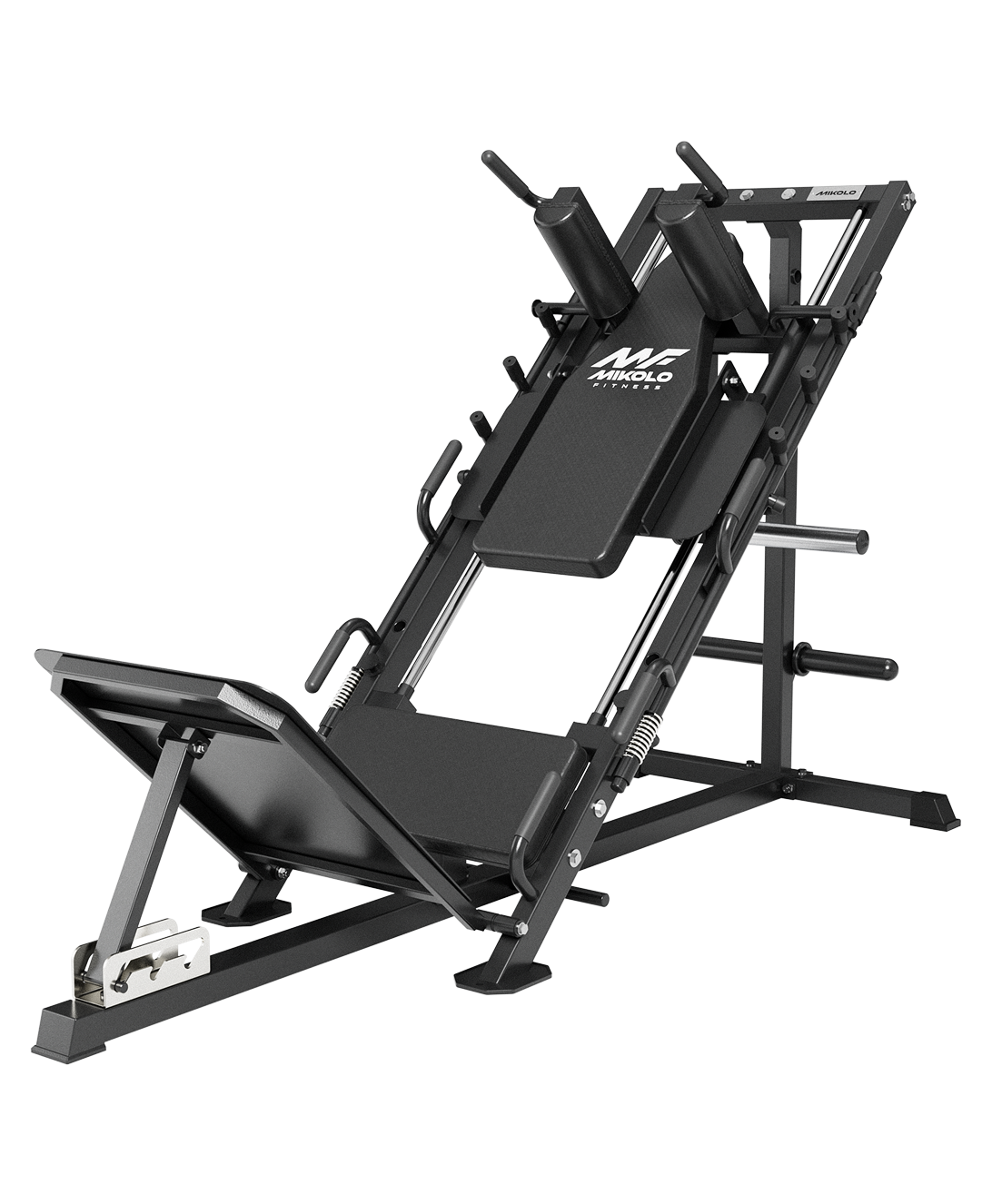
Leg Press Machine
The leg press machine is specifically designed to target the quadriceps, glutes, and calves, making it an effective tool for lower body strength training. This machine allows you to perform leg pressing exercises without the need for a spotter, providing a safe and controlled environment for heavy lifting. Bodybuilders, powerlifters, and individuals seeking toned lower legs can all benefit from using the leg press machine.
One of the key benefits of the leg press machine is its ability to isolate and strengthen important lower body muscles, contributing to overall lower body strength. However, it’s important to use the machine correctly to avoid potential drawbacks, such as legs locking up if not used properly. The typical price range for a leg press machine is between $1,500 to $2,000, making it a substantial investment for any gym.
Incorporating the leg press machine into your workout routine can help you achieve significant gains in lower body strength and muscle tone. By focusing on proper form and gradually increasing the weight, you can maximize the benefits of this powerful piece of equipment.
Chest Press Machine
The chest press machine is designed to improve upper-body strength and increase chest muscle size. Unlike the traditional bench press, the chest press machine allows users to exercise in an upright position without the need for balancing a barbell, providing added stability. This makes it a popular choice in commercial gyms and is particularly beneficial for bodybuilders, rugby players, and martial artists.
By targeting the pectoral muscles, triceps, and shoulders, the chest press machine offers a comprehensive upper-body workout. Incorporating this machine into your routine can help you build muscle mass, improve your lifting technique, and enhance overall upper body strength.
Whether you’re aiming to bulk up or simply maintain muscle tone, the chest press machine and bench pressing are valuable additions to any strength training regimen.
Versatile Equipment for Full-Body Workouts
Versatile gym equipment is designed to engage a wide range of muscle groups in a single workout, making it ideal for full-body workouts. These multi-functional machines can provide both strength training and cardiovascular benefits, enhancing overall fitness and endurance. Incorporating versatile equipment into your routine can help you achieve a balanced and comprehensive workout.
Self-powered cardio machines, such as air bikes and rowing machines, are particularly effective for high-intensity interval training (HIIT) as they require only human effort to operate, allowing for immediate engagement. These machines offer a comprehensive workout by engaging multiple muscle groups during high-intensity sessions.
Let’s explore some of the most versatile gym machines and their benefits.
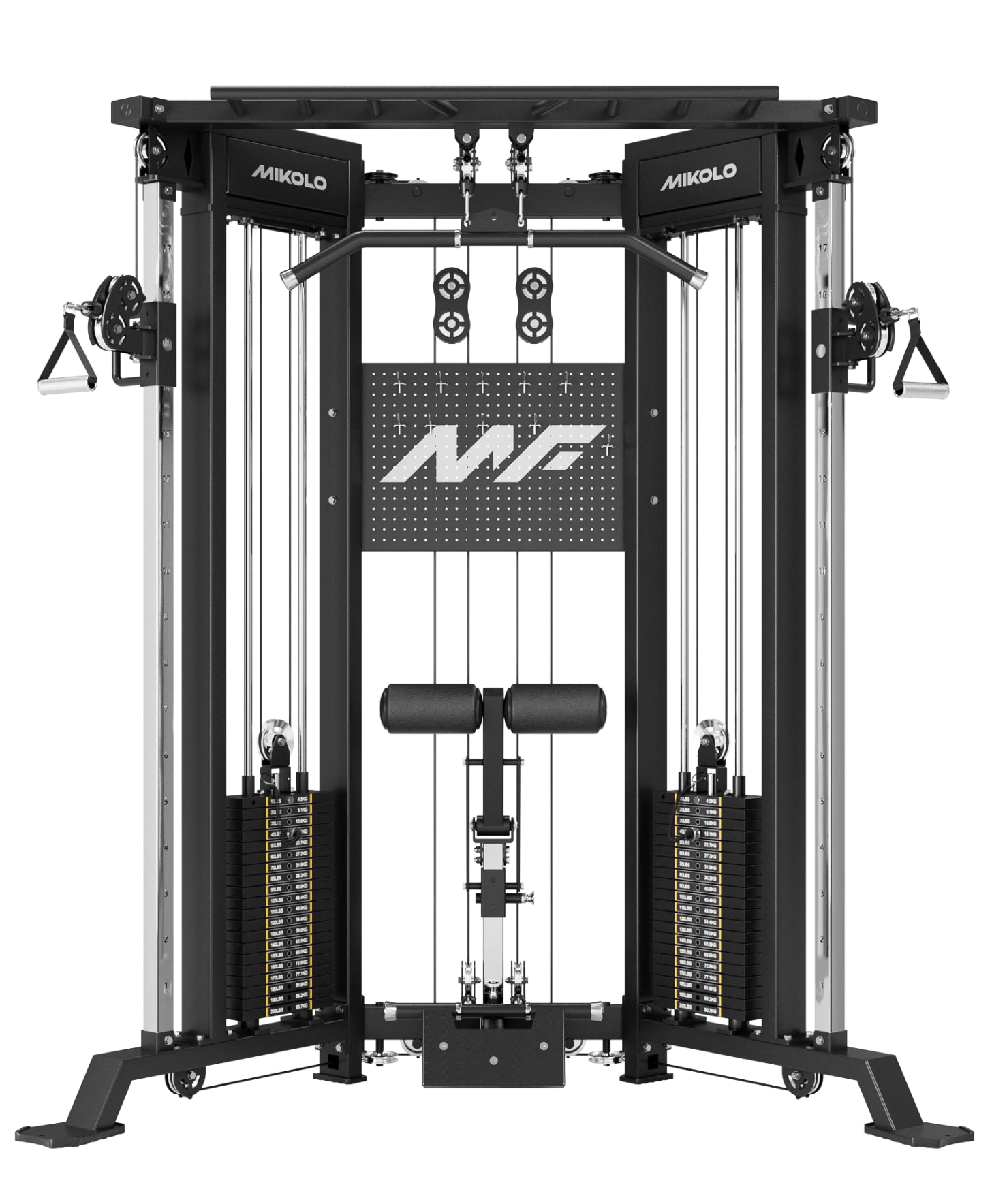
Functional Trainer
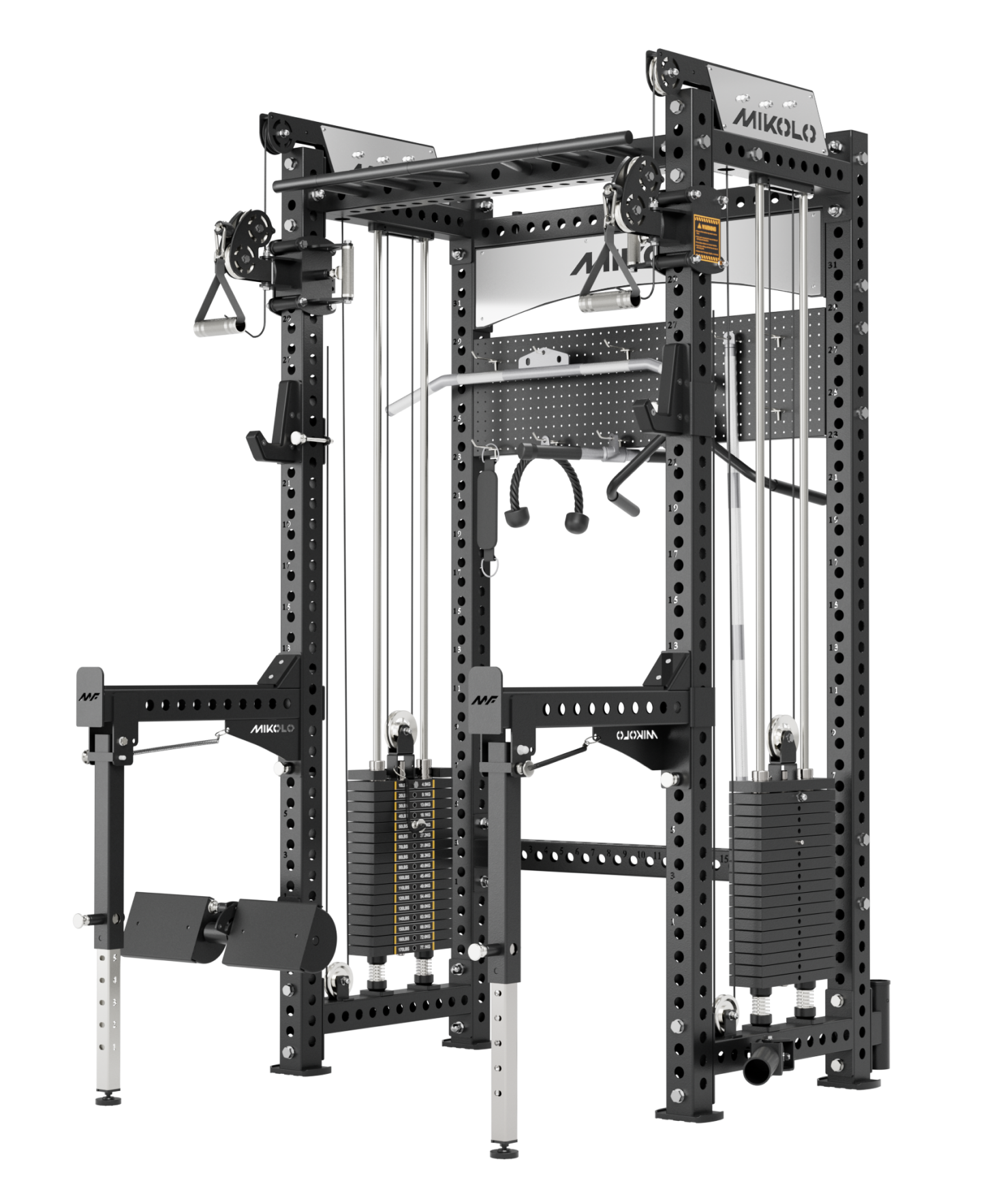
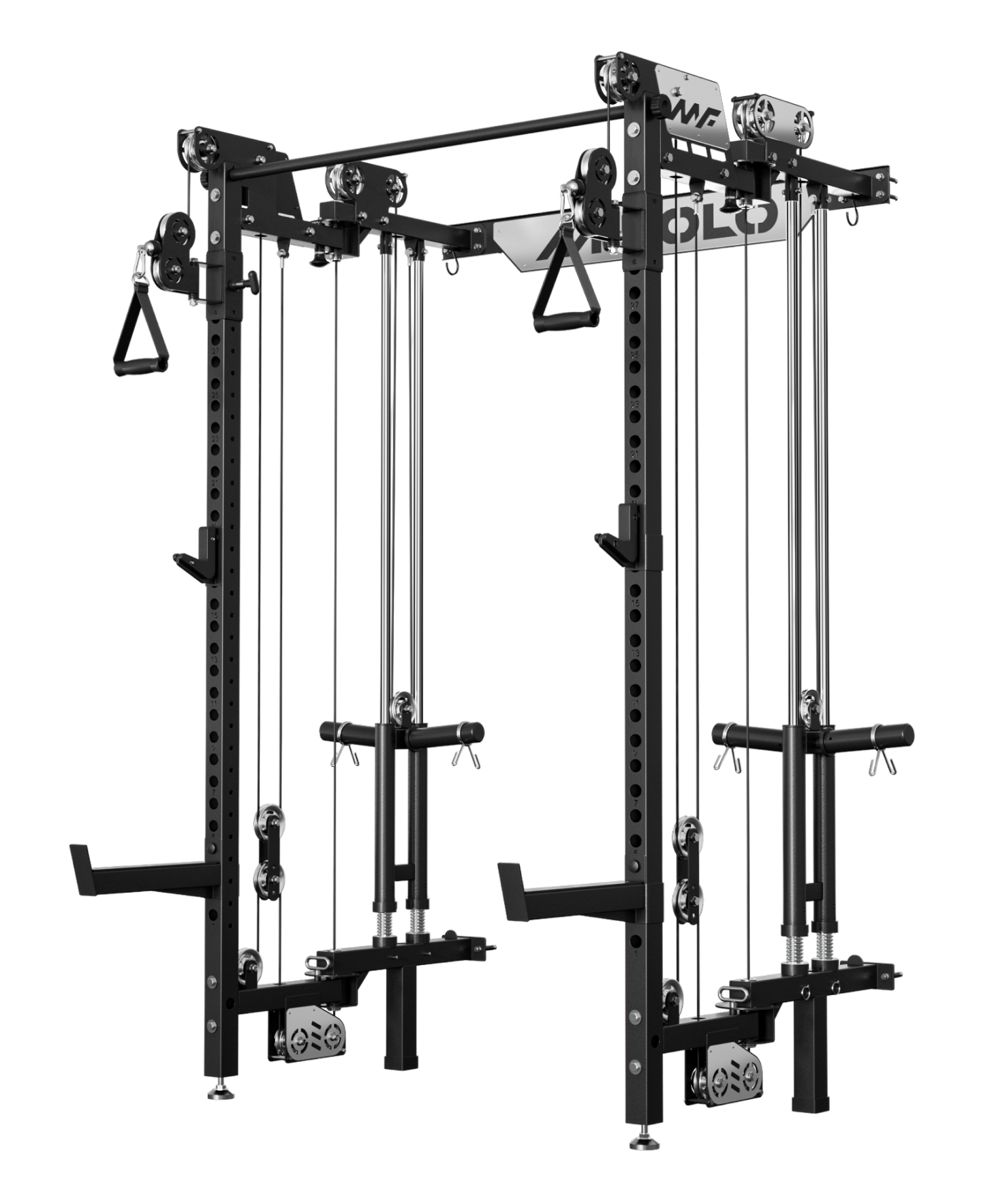
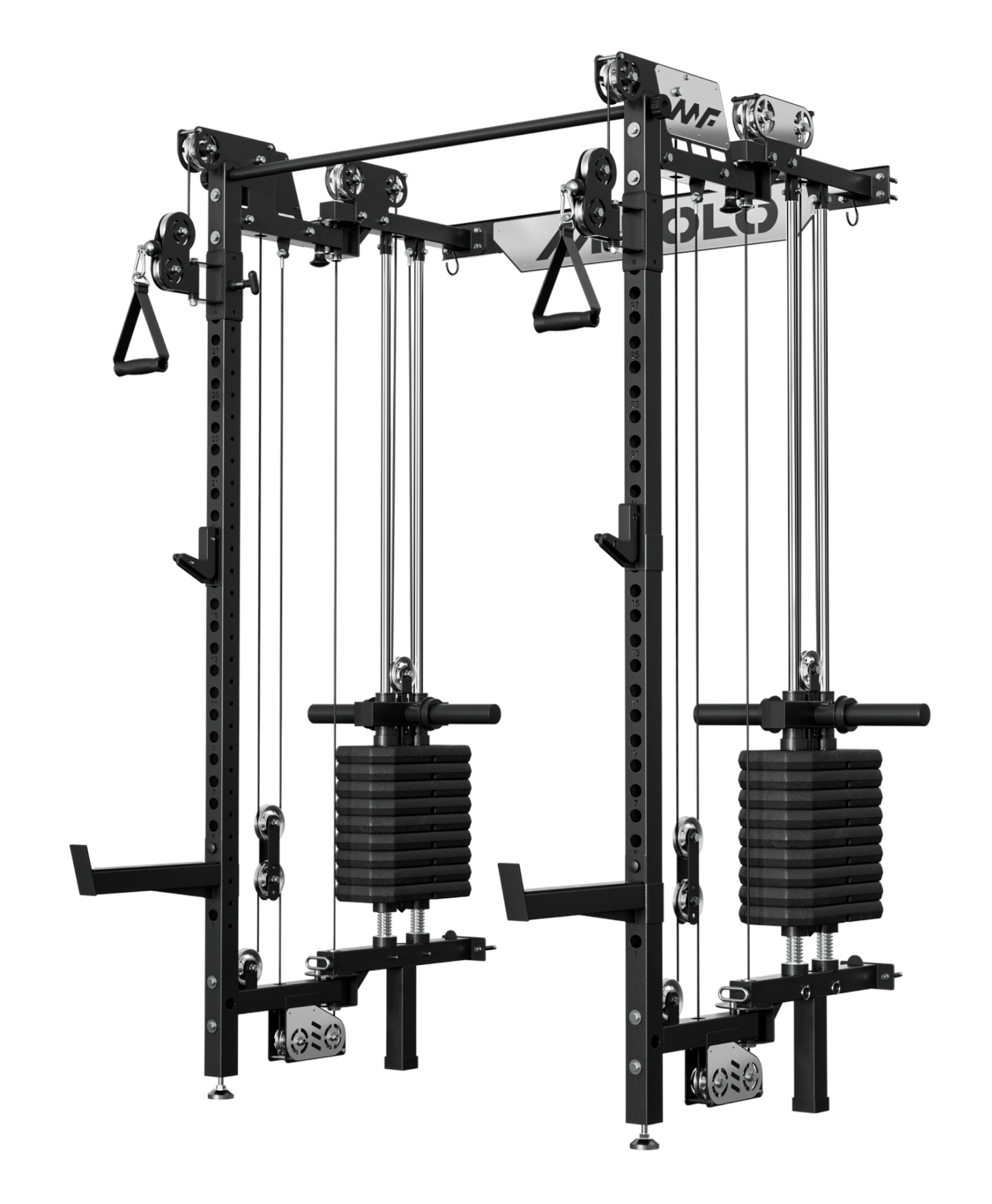
A functional trainer is a freestanding cable machine designed for real-life movements, making it a versatile addition to any gym.
This gym machine allows for a wide range of exercises, including:
-
cable crossovers
-
curls
-
rows
-
crunches
It effectively engages the full body. The functional trainer provides consistent resistance and numerous benefits for muscle engagement, making it suitable for anyone not focused on heavy lifting.
Using a functional trainer can help improve strength, balance, and coordination by mimicking everyday movements. This makes it an excellent choice for functional fitness training, rehabilitation, and general strength conditioning. By incorporating a variety of exercises, you can target multiple muscle groups and enhance overall fitness.
Whether you’re aiming to improve your athletic performance, recover from an injury, or simply stay in shape, the functional trainer offers a versatile and effective workout. Its ability to provide consistent resistance and promote proper form makes it a valuable tool for any fitness enthusiast.
Cable Crossover Machine
The cable crossover machine is specifically designed to facilitate upper body strength exercises using adjustable cables. This gym machine allows for a variety of exercises, such as chest flys and other upper body workouts, providing a versatile and effective way to build muscle. The adjustable resistance of the cables enables users to customize their workouts to match their fitness levels and goals.
Incorporating the cable crossover machine into your routine can help you target and strengthen the chest, shoulders, and arms. By adjusting the cables to different heights and angles, you can perform a wide range of exercises that engage multiple muscle groups. This machine is a valuable addition to any gym, offering versatile workout options and promoting muscle growth.
Rowing Machine
The rowing machine provides a full-body cardio workout by simulating outdoor rowing, effectively engaging multiple muscle groups. This gym machine is suitable for crossfitters and anyone seeking low-impact cardio workouts, making it a versatile addition to any fitness routine. The compact design of rowing machines, typically measuring 83 inches long, 22 inches wide, and 34 inches high, allows for easy storage and use in various settings.
Using a rowing machine can help improve cardiovascular endurance, build muscle strength, and enhance overall fitness. The price range for rowing machines can vary significantly, from $200 to over $3,300, catering to different budgets and preferences.
Whether you’re looking to add variety to your workouts or focus on full-body conditioning, the rowing machine offers a comprehensive and effective solution.
Specialized Machines for Targeted Exercises
Specialized gym machines are designed to focus on specific muscle groups, enhancing the effectiveness of workouts and allowing for targeted strength training. These machines are ideal for users looking to isolate and develop particular muscles, providing a more focused approach to fitness.
By incorporating specialized machines into your routine, you can target specific areas and achieve balanced muscle group development. These machines are beneficial for both beginners and advanced users, offering precise and controlled movements.
Let’s explore some of the most popular specialized gym machines and their benefits.
Lat Pulldown Machine
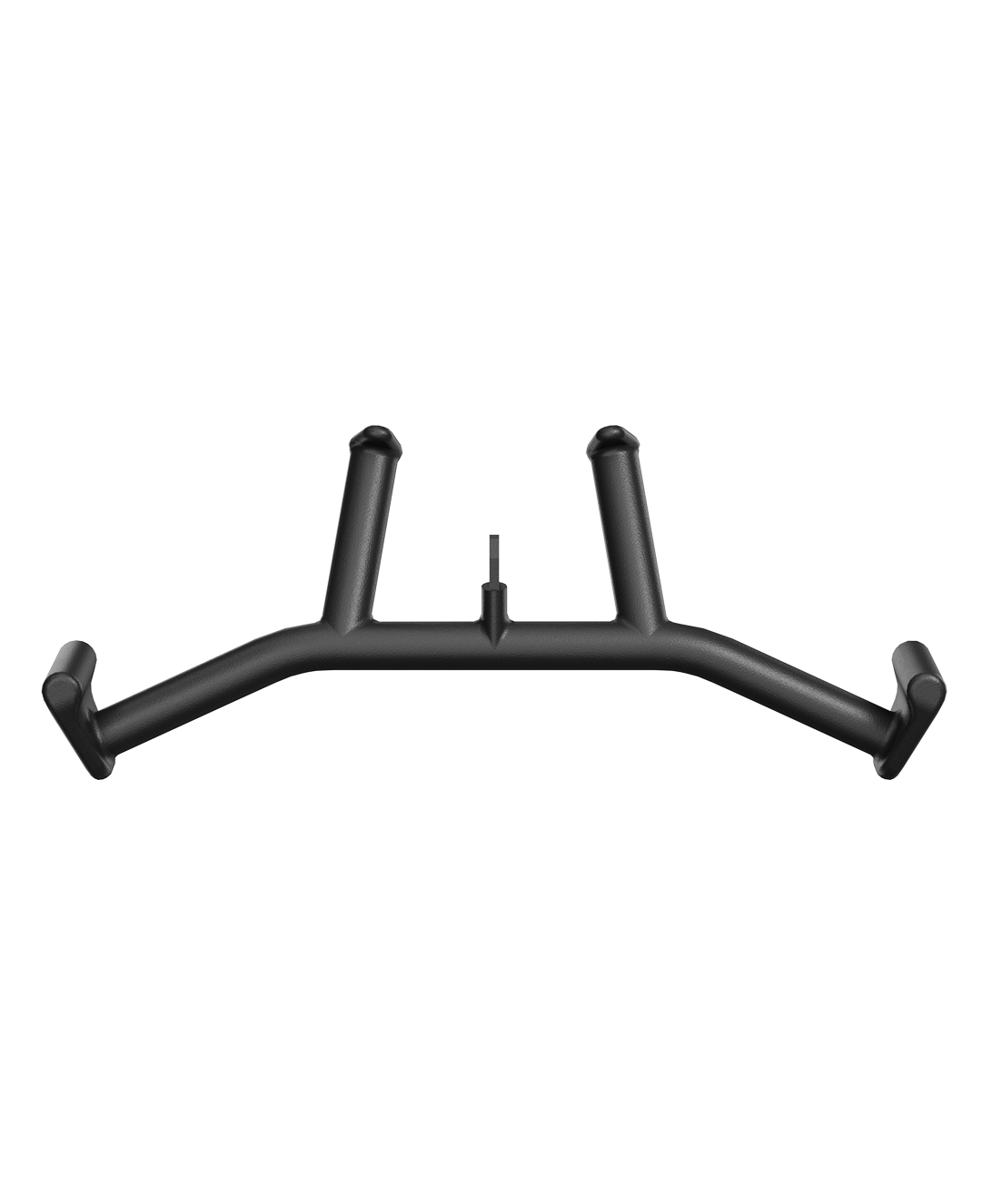
The lat pulldown machine is specifically designed to improve upper body strength by targeting the latissimus dorsi, or “lats,” which are key muscles in your back. This machine also engages the biceps and rear deltoids, providing a comprehensive upper-body workout. It’s an excellent choice for bodybuilders or anyone focusing on developing their back muscles, and is suitable for both commercial and home gyms.
To use the lat pulldown machine, sit down, hold the handles, and pull the bar down towards your chest while keeping your back straight. This motion effectively engages and strengthens your upper body muscles. Incorporating the lat pulldown into your routine can enhance your back strength, improve posture, and prepare you for exercises like pull-ups.
Whether you’re aiming to build a strong, muscular back or simply improve your overall upper body strength, the lat pulldown machine is a valuable addition to any workout regimen. Its ability to target multiple muscle groups makes it an essential piece of gym equipment.
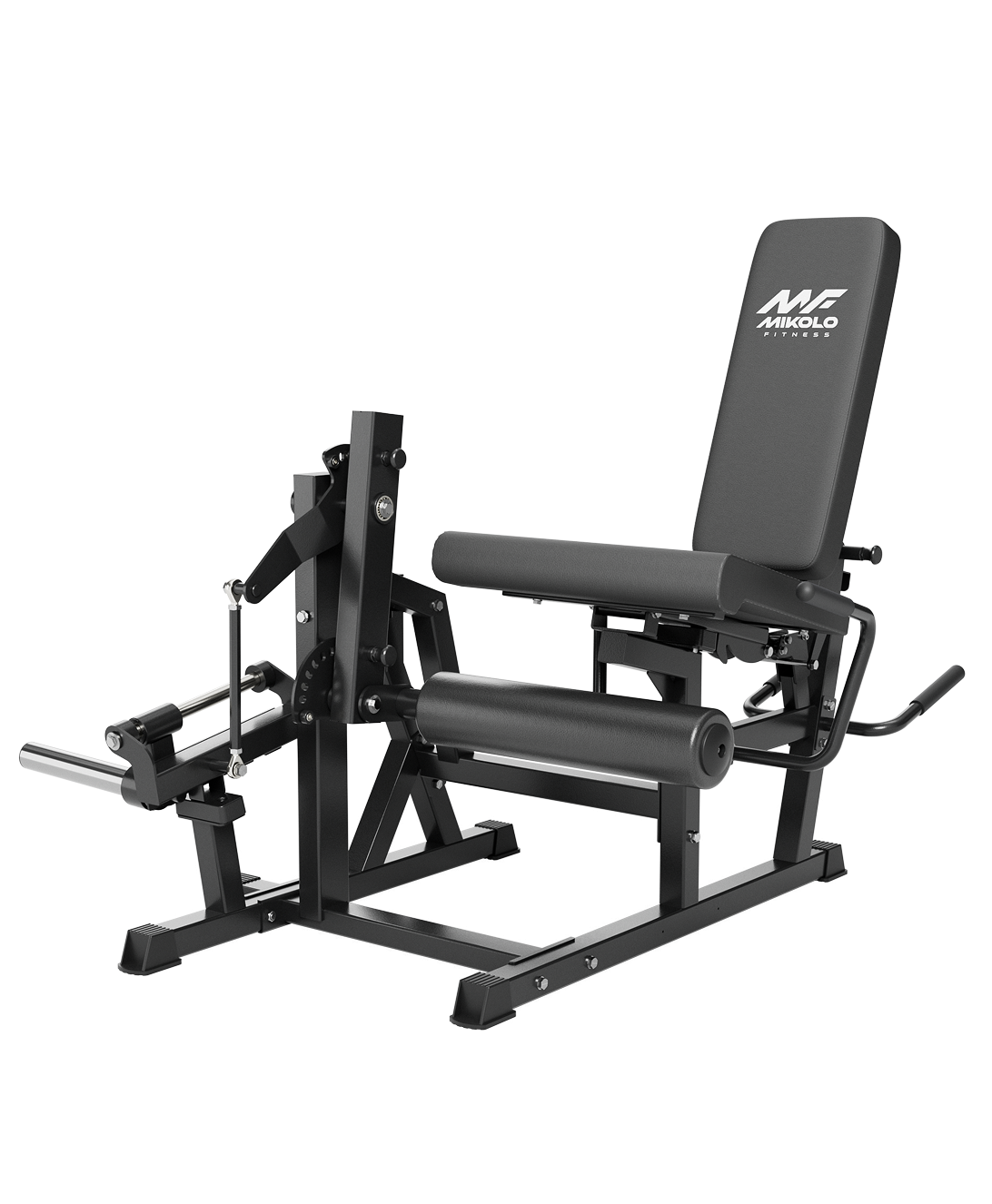
Leg Extension Machine
The leg extension machine is designed to isolate and strengthen the quadriceps muscles, which are located at the front of your thighs. This gym machine is particularly effective for anyone looking to build quad size or strength, making it a staple in many strength training routines.
Sit down and extend your legs upward against a padded lever, focusing on controlled and steady movements when using the leg extension machine. This exercise targets the quadriceps, helping to build muscle strength and improve overall leg endurance. The average price of a leg extension machine is $800+, making it a worthwhile investment for serious fitness enthusiasts.
Incorporating the leg extension machine into your workout routine can help you achieve well-defined, strong quadriceps. It’s an excellent tool for both beginners and advanced users, providing a safe and effective way to enhance lower body strength.
Shoulder Press Machine
The shoulder press machine, also known as the overhead press machine, is designed for strengthening upper body muscles, particularly the shoulders and triceps. This gym machine allows for overhead pressing movements, which are effective for developing shoulder and tricep muscles.
Sit down, grip the handles, and push the weight upwards with controlled movements and proper form when using the shoulder press machine. This exercise helps in building upper body strength and improving muscle tone. Watching an instructional video can provide additional guidance and ensure you’re using the machine correctly.
Incorporating the shoulder press machine into your routine can help you achieve stronger, more defined shoulders and triceps. It’s a valuable addition to any gym, offering a safe and effective way to enhance upper body strength.
Cardio Machines Beyond the Basics
Advanced cardio machines offer a variety of options for high-intensity interval training (HIIT) and other challenging workouts. These machines engage large muscle groups, making them efficient for cardiovascular workouts and muscle endurance. Incorporating specialty cardio equipment into your routine can enhance workout effectiveness by keeping routines varied and engaging.
Using these advanced cardio machines and exercise equipment can lead to significant improvements in cardiovascular fitness and overall muscle endurance. From air bikes to stair climbers and ski ergs, each machine offers unique benefits and challenges.
Let’s explore some of the most effective advanced cardio machines and their uses.
Air Bikes
Air bikes are stationary bikes powered by the user’s pedaling, with faster pedaling increasing air resistance. These gym machines are suitable for high-intensity interval training, recovery workouts, and low-impact cardio, making them a versatile addition to any fitness routine.
The design of air bikes engages the full body, offering a comprehensive workout that activates multiple muscle groups. The difficulty level increases with the user’s pedaling effort, utilizing user-generated resistance and featuring moving handles and a built-in fan.
Air bikes can improve cardiovascular fitness, build strength, and enhance overall endurance.
Stair Climber
The stair climber is a popular gym machine that simulates the motion of climbing stairs, providing a low-impact workout designed to improve cardiovascular endurance and lower body strength. This machine targets the glutes, calves, hamstrings, and quads, making it an effective tool for building lower body strength and stamina.
To effectively use a stair climber, keep your body upright, hips above your legs, and elbows bent at 90 degrees. This ensures proper form and maximizes the benefits of your workout.
The stair climber is suitable for climbers, hikers, trail runners, and anyone looking to increase their aerobic capacity and muscle endurance.
Ski Erg
The Ski Erg provides a unique workout that simulates the motions of cross-country skiing, enhancing upper body strength and endurance. This gym machine is particularly favored among athletes seeking to improve their cardiovascular fitness and upper body muscle engagement.
Incorporating the Ski Erg into your routine can help you achieve a well-rounded fitness regimen, focusing on both cardio and strength.
Free Weights and Accessories
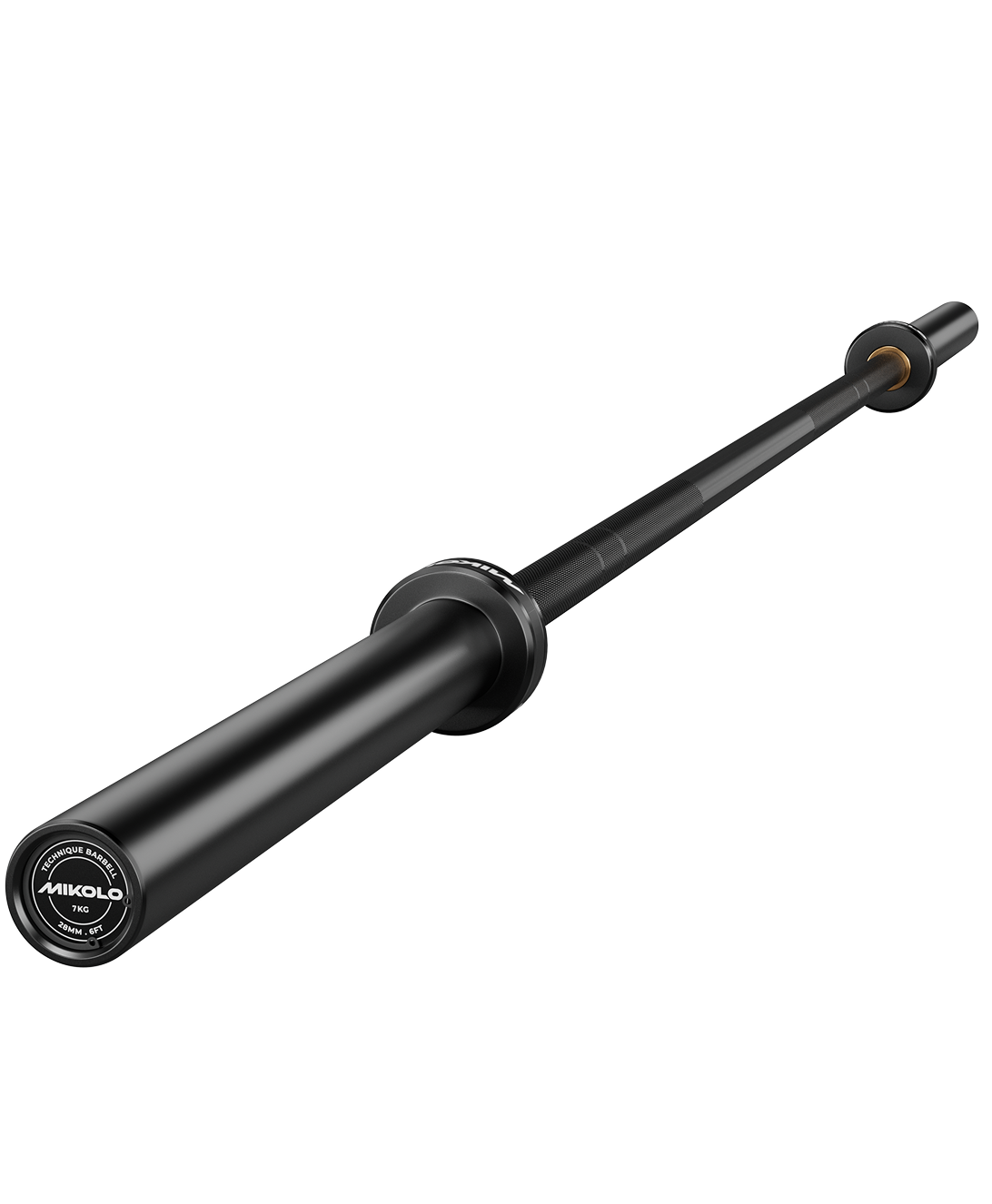
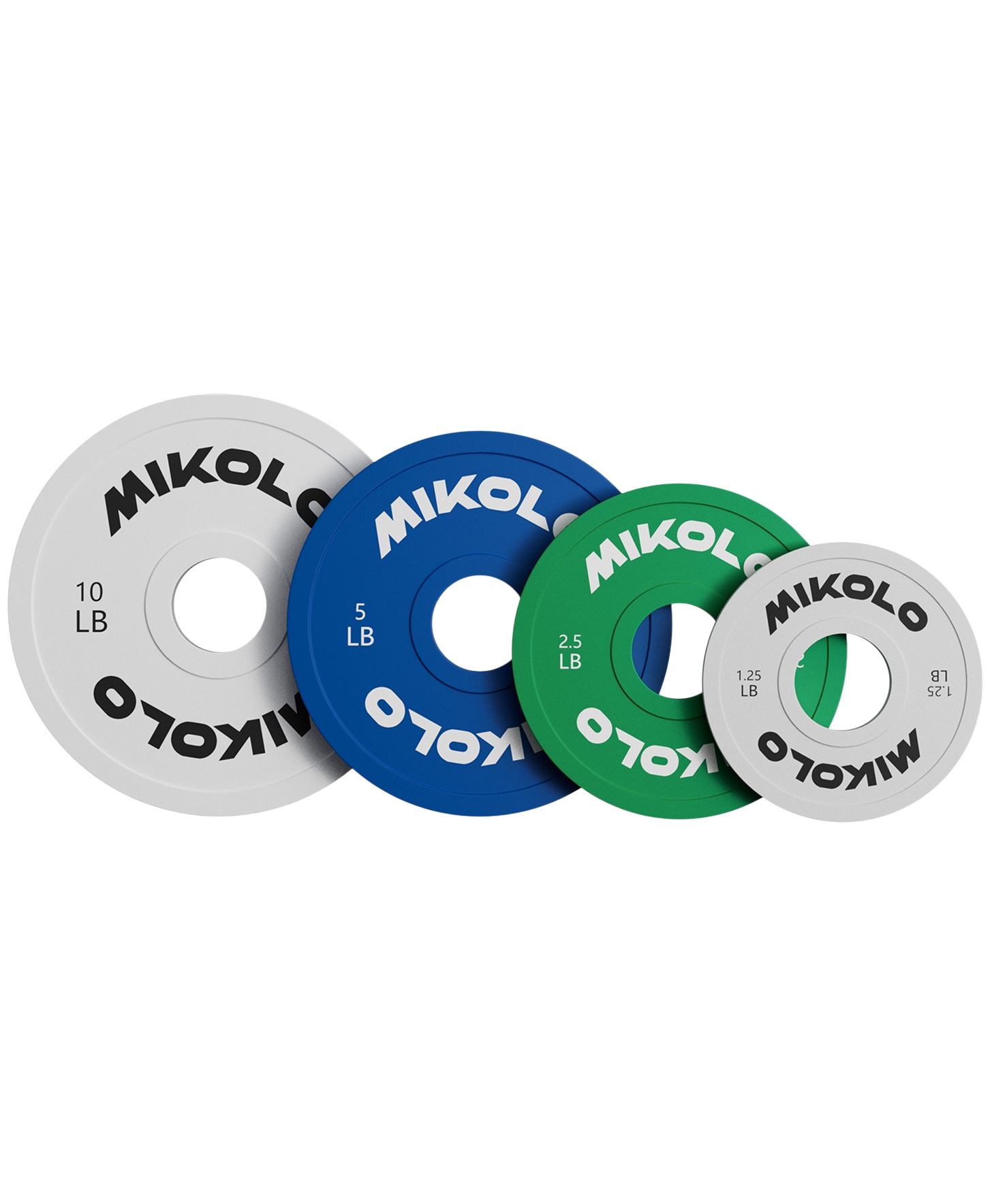
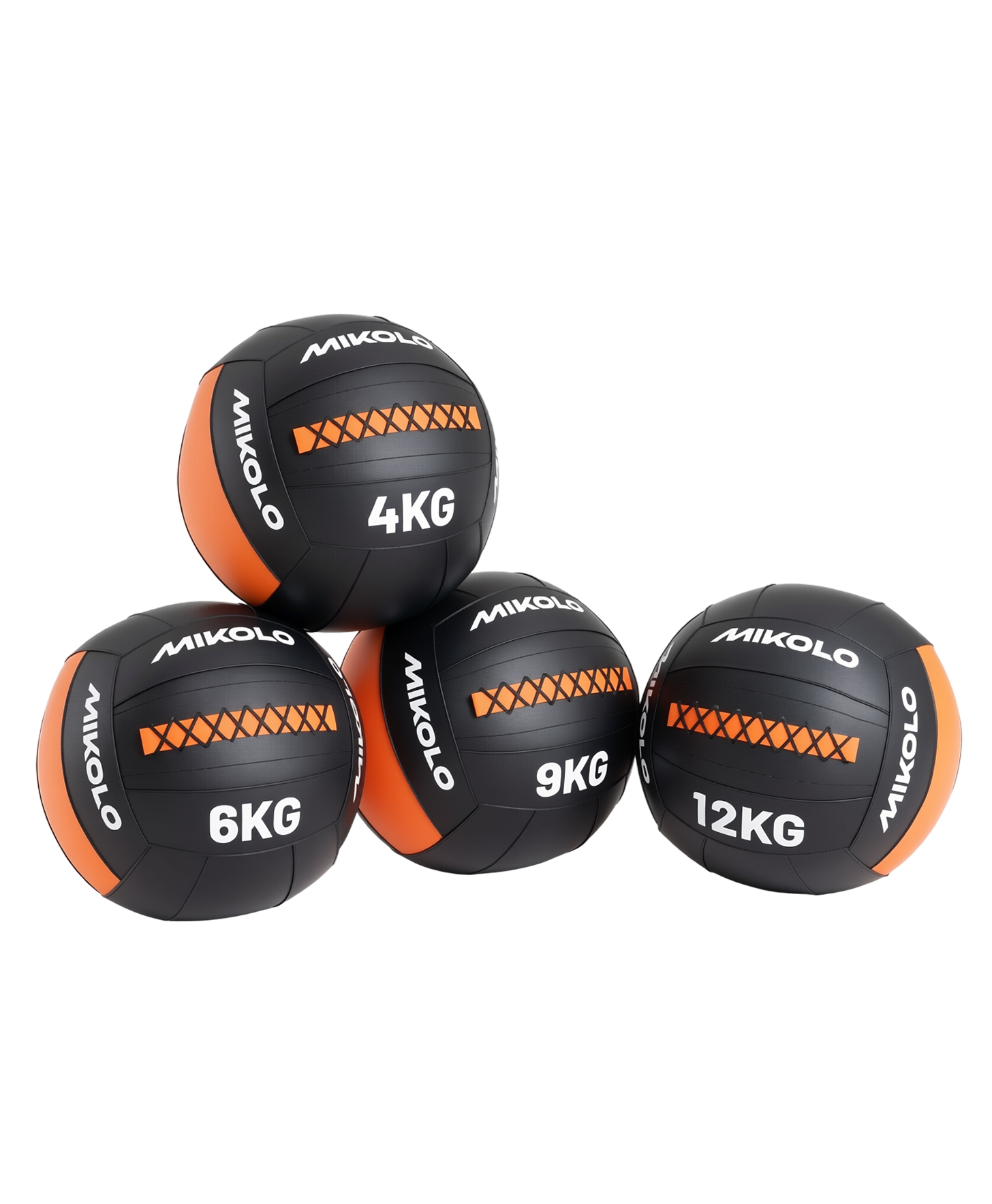
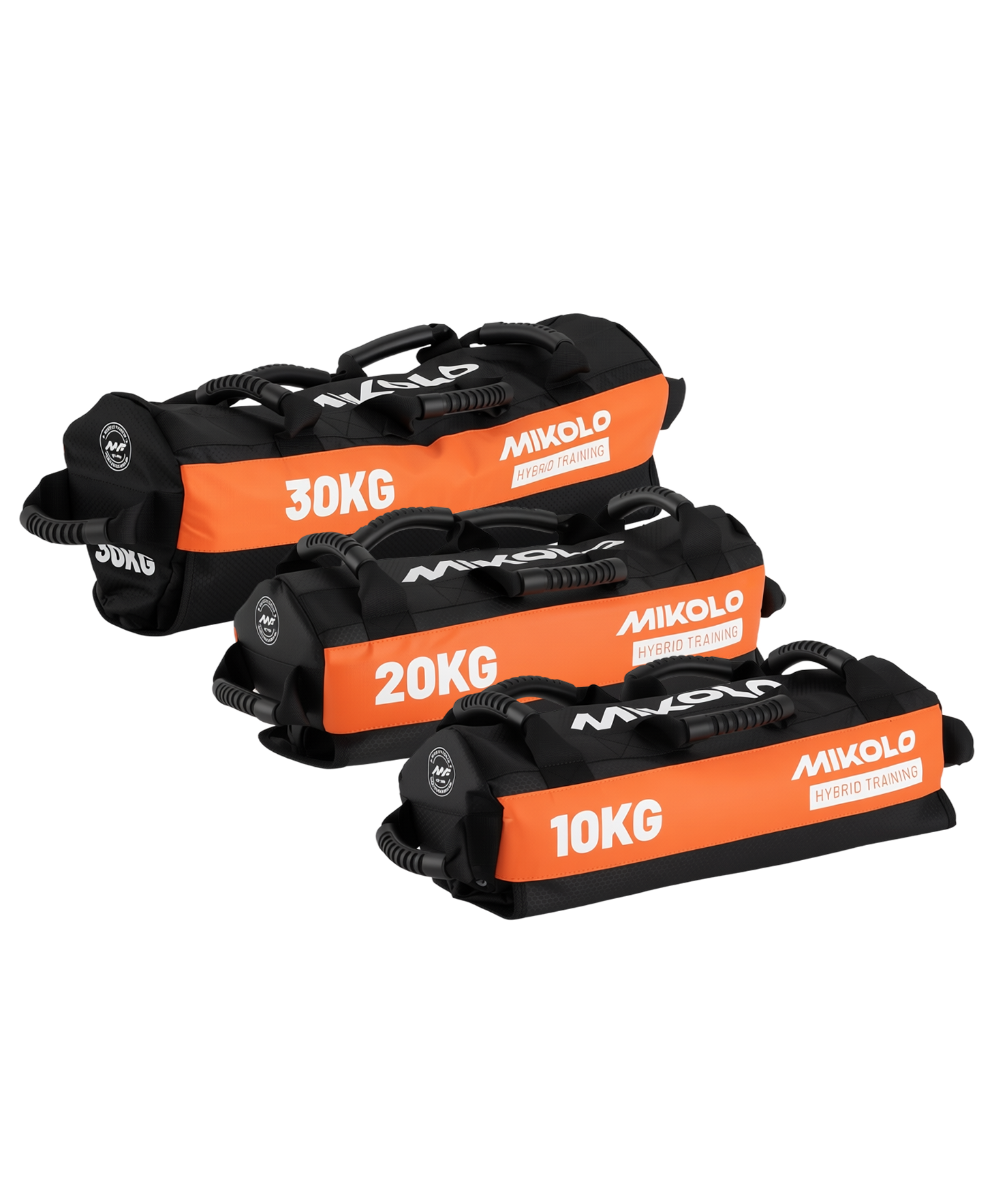
Free weights and accessories are essential tools for any strength training routine, offering versatility and a greater range of motion compared to fixed machines. These include dumbbells, kettlebells, and barbells, which can target multiple muscle groups and provide a comprehensive workout.
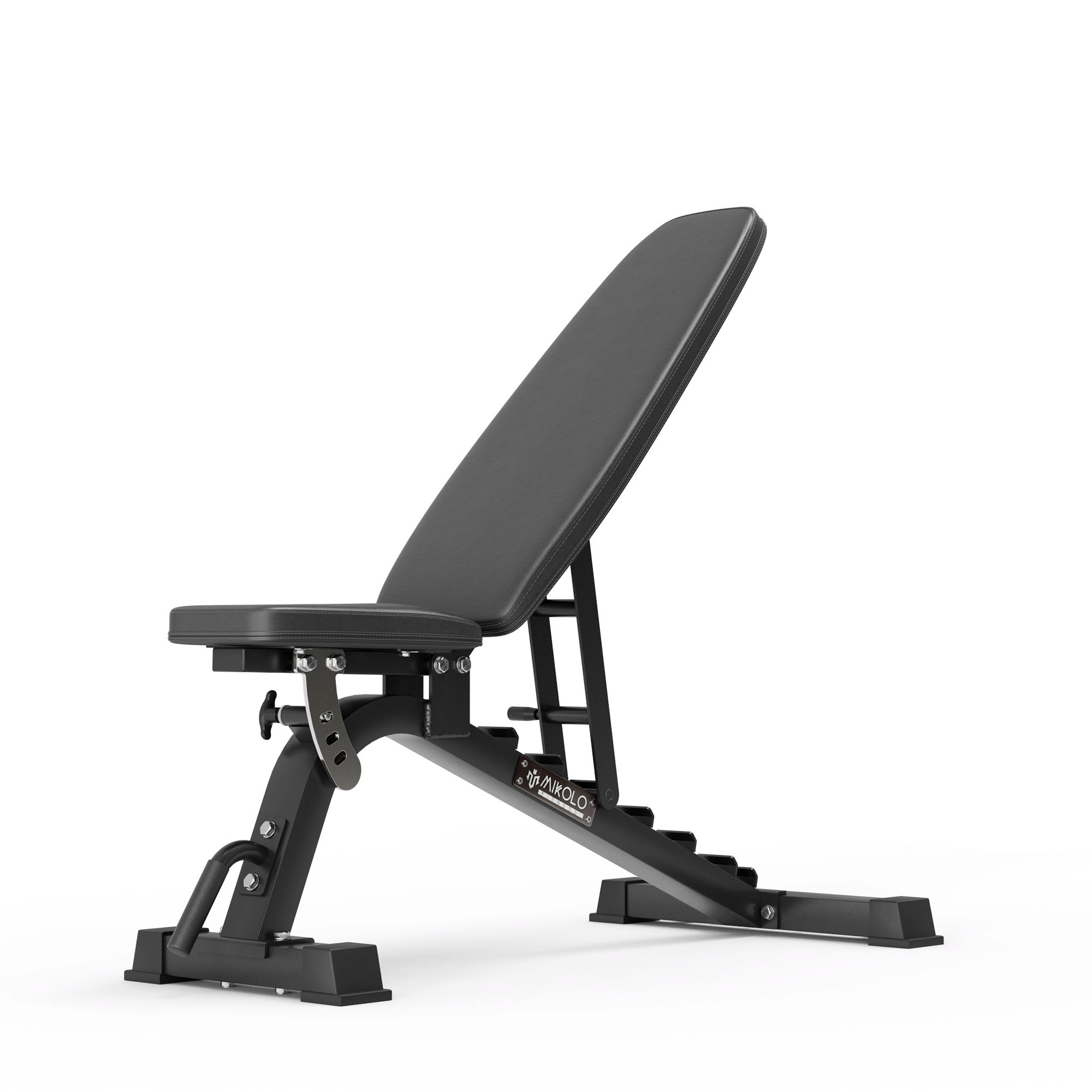
Accessories like ab rollers, plyo boxes, and weight benches can further enhance your strength training by supporting various exercises and improving overall performance. Incorporating free weights and accessories into your routine can help you achieve balanced muscle development and improve overall fitness.
Dumbbells
Dumbbells are a common piece of strength training equipment with two heads and a handle, available in traditional and adjustable types. These free weights are effective for training the full body, providing versatility in exercises and muscle engagement.
Dumbbells can be made from materials such as rubber, metal, and plastic, with an average size of 14 to 16 inches long. Beginners should start with the lowest weight and gradually increase their load to avoid injury and build strength safely. The price range for dumbbells typically varies from $1.50 to $3.50 per pound, making them an affordable and essential addition to any home gym.
Incorporating dumbbells into your workout routine can help you achieve significant gains in strength and endurance. Using dumbbells for various exercises targets multiple muscle groups and enhances overall fitness.
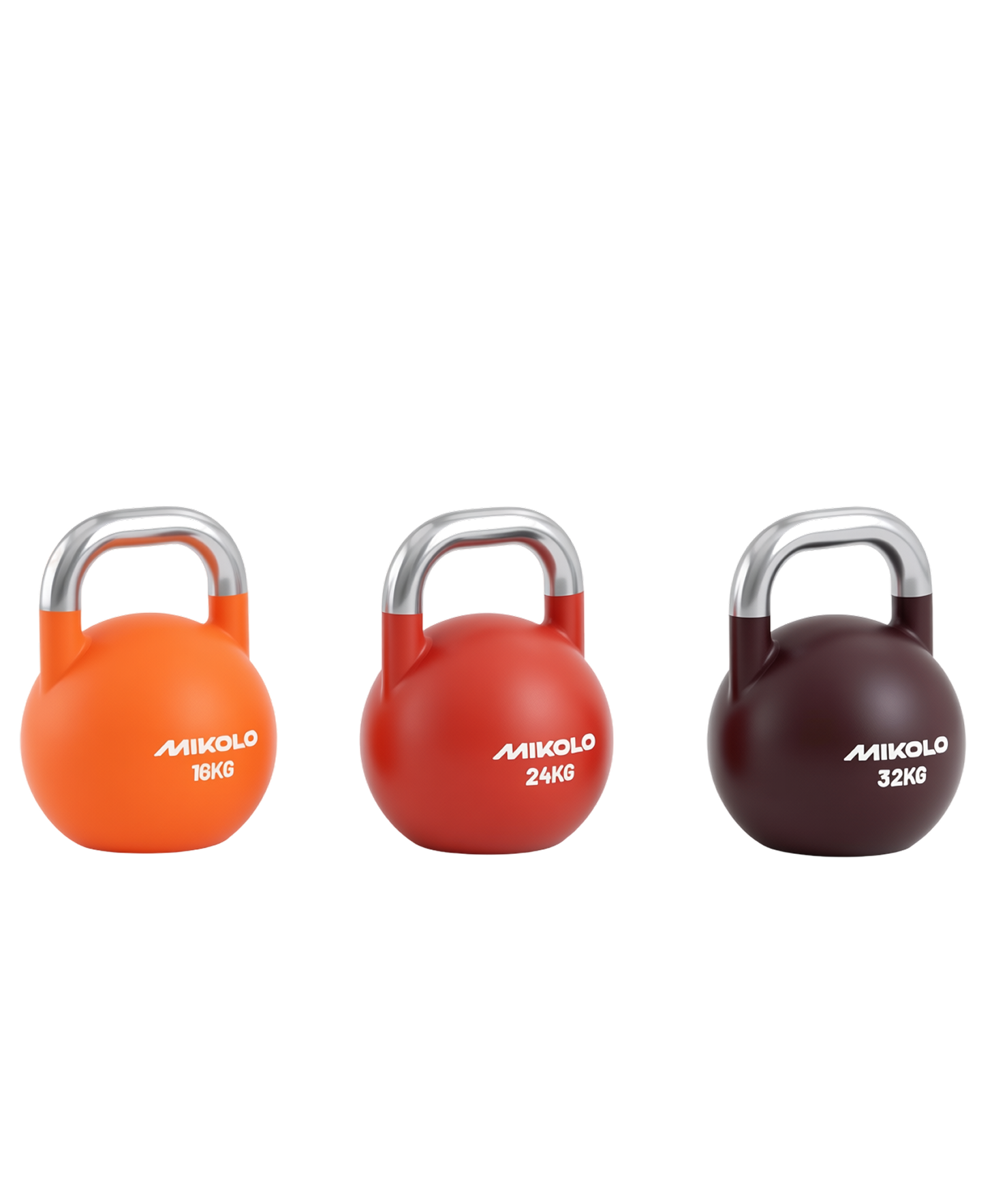
Kettlebells
Kettlebells are ball-shaped weights with a handle, designed for dynamic movements that enhance strength and balance. One of the most effective kettlebell movements is the kettlebell swing, which promotes full-body engagement and improves overall fitness.
Bending your knees and squatting down before picking up kettlebells ensures safety and proper form. Incorporating kettlebells into your routine can help you build strength, improve coordination, and enhance overall athletic performance.
With their versatility and effectiveness, kettlebells are a valuable addition to any strength training regimen.
Resistance Bands
Resistance bands are a portable and versatile option for performing resistance training exercises, targeting full-body muscles. These bands are effective for low-impact resistance training, making them suitable for warming up, rehabilitation exercises, and strength training.
Resistance bands are typically made of latex rubber and are available in a price range of $15 to $300+. Full-size loop resistance bands average around 41 inches in length, providing various levels of resistance for different exercises.
Incorporating resistance bands into your routine can help you achieve significant gains in strength, flexibility, and muscle tone.
Summary
In summary, understanding and utilizing a variety of gym machines can greatly enhance your fitness journey. From essential cardio machines like treadmills and stationary bikes to versatile full-body workout equipment and specialized machines for targeted exercises, each piece of gym equipment offers unique benefits and challenges. Incorporating these machines into your routine can help you achieve balanced muscle development, improve cardiovascular fitness, and enhance overall strength.
It’s important to familiarize yourself with different machines and their uses to maximize effectiveness and ensure safety during workouts. Whether you’re a beginner or an advanced athlete, incorporating a mix of cardio and strength training equipment can help you achieve your fitness goals more efficiently.
Remember, consistency and proper form are key to achieving the best results. By integrating a variety of gym machines into your routine, you can create a well-rounded fitness regimen that keeps you motivated and engaged. Embrace the journey, stay dedicated, and enjoy the benefits of a healthier, stronger you.
Frequently Asked Questions
What is the name of the gym bar machine?
The gym bar machine you're referring to is called the Smith Machine. It's great for performing various barbell exercises safely and effectively on your own.
What is the name of the gym pedal machine?
The gym pedal machine you’re thinking of is often called a stationary bicycle or exercise bike. These are great for indoor cycling and improving your fitness!
What are the benefits of using a treadmill?*
Using a treadmill is a great way to boost your cardiovascular endurance while working various muscle groups, and it’s perfect for anyone regardless of fitness level. Plus, they're excellent for high-intensity interval training!
How do I use a stationary bike effectively?
To use a stationary bike effectively, keep the seat at hip height, sit upright to avoid hunching, and gradually increase your speed or incorporate intervals into your routine. This will help maximize your workout while keeping it safe and comfortable.
What exercises can I perform on a Smith machine?
You can perform a variety of exercises on a Smith machine, including deadlifts, squats, shoulder presses, bent-over rows, and lying tricep extensions for a comprehensive workout. It's a great way to strengthen your entire body!





















Leave a comment
This site is protected by hCaptcha and the hCaptcha Privacy Policy and Terms of Service apply.