








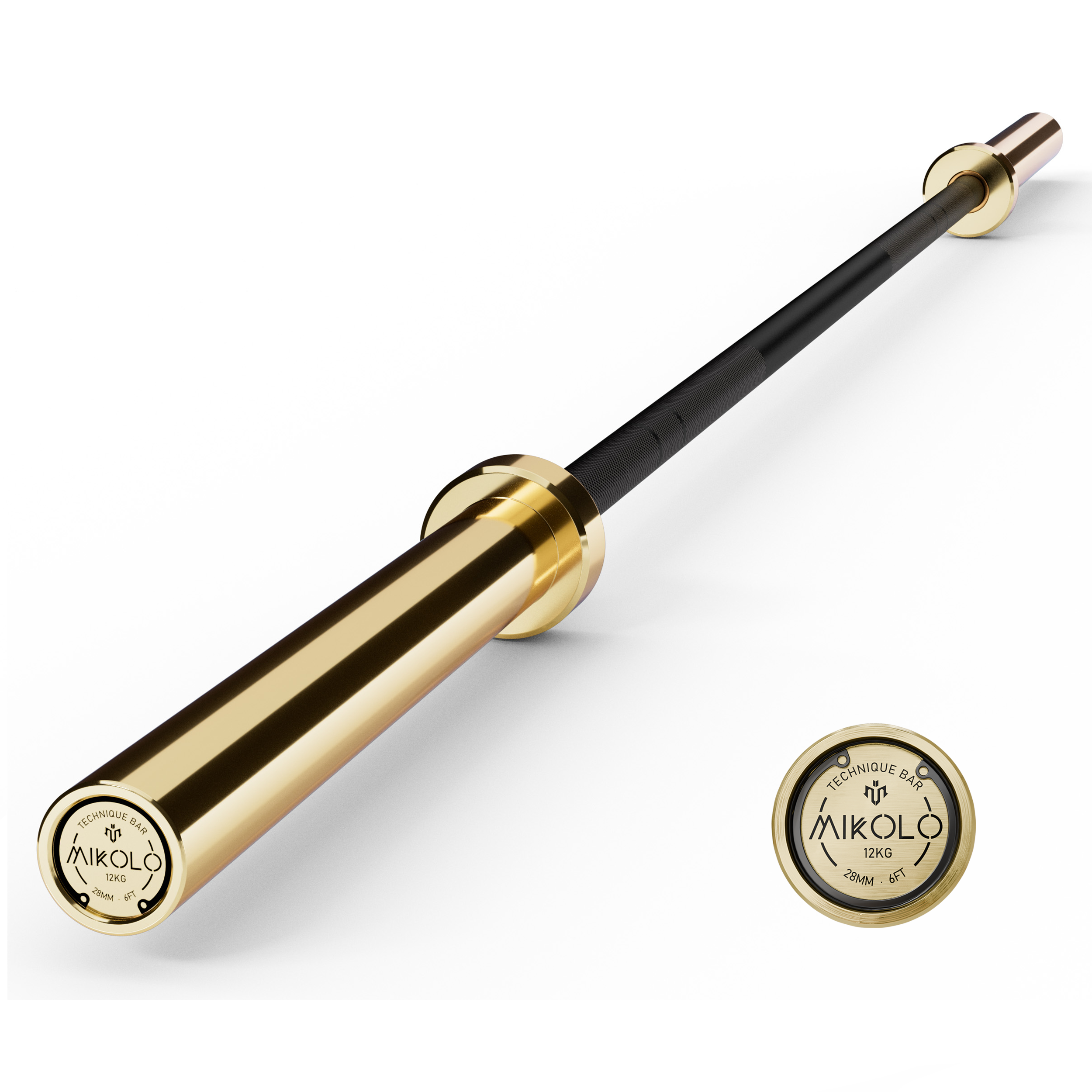




Weighted bars are one of the most underrated tools in any fitness arsenal. Whether you're a beginner looking to build foundational strength, or a seasoned athlete aiming to refine movement and control, these sleek, padded bars deliver a surprisingly intense workout with minimal space or setup required.
What Is a Weighted Bar?
A weighted bar—sometimes called a weighted body bar or exercise bar—is a long, evenly weighted, padded stick designed to offer resistance without the need for traditional dumbbells or plates. They typically range from 4 to 25 pounds and come in various lengths. Most are color-coded by weight and coated with foam for a comfortable grip, making them ideal for group classes, personal training, or home gyms.
Why Choose Weighted Bars?
Unlike adjustable dumbbells or barbells, a weighted bar provides a fixed and balanced load, allowing for smoother movement and reduced strain on the joints. They're especially helpful for:
-
Form correction during compound exercises
-
Building stability in unilateral and rotational moves
-
Functional strength that mimics real-life movement
-
Low-impact resistance for older adults or those rehabbing injuries
Popular Types of Weighted Bars
Depending on your goals, there are different types of bars available:
-
Weighted Exercise Bars: Great for total-body workouts, squats, lunges, presses, and core work.
-
Weighted Body Bars: Often used in group fitness or personal training sessions for full-body toning.
-
Adjustable Weighted Bars: Offer versatility by allowing you to change resistance with added plates or inserts.
-
Weighted Rods or Sticks: Slimmer and lighter, often used for stretching, balance work, or Pilates-style routines.
-
Weighted Aerobic Bars: Specifically designed for cardio-infused resistance workouts.
How to Use a Weighted Bar for Exercise
Here are a few classic moves to get started:
-
Overhead Press – Improves shoulder strength and posture.
-
Front Squat – Trains legs, glutes, and core stability.
-
Russian Twists – Builds rotational core power.
-
Good Mornings – Strengthens the lower back and hamstrings.
-
Deadlifts – Reinforces proper hip hinge mechanics.
Whether using a weighted gym bar or a padded weight bar, the key is controlled, intentional movement.
My Experience with Weighted Bars
When I first incorporated a weighted bar set into my routine, it was during a recovery period from a minor shoulder injury. I needed something that offered resistance but allowed me to focus on mechanics without overloading. What surprised me was how humbling even an 18-pound bar could be. I used it for tempo squats, rotational lunges, and shoulder mobility drills—and I not only rebuilt strength, but improved range of motion and movement quality. Today, it's a staple in my warmups and mobility circuits.
Choosing the Right Bar
If you’re just getting started:
-
5–10 lbs is ideal for mobility, Pilates, or high-rep routines
-
15–18 lbs works well for most general strength exercises
-
20+ lbs is suitable for more advanced users or those building power
A weighted workout bar set can be a smart investment for families or shared home gyms, offering multiple resistance levels in one kit.
Compact, Versatile, and Effective
From bodyweight circuits to strength training, a weighted fitness bar adds just enough resistance to challenge without overwhelming. It’s perfect for warm-ups, strength circuits, and even cooldowns. If you're tight on space, time, or equipment—but still want results—this is a go-to option worth trying.
Whether you're using a single bar or a full weighted exercise bar set, it's not about how heavy the bar is—it's how well you move with it. And when used with proper form and purpose, this simple stick can help unlock stronger, safer, and more fluid movement across your entire body.


Leave a comment
This site is protected by hCaptcha and the hCaptcha Privacy Policy and Terms of Service apply.