

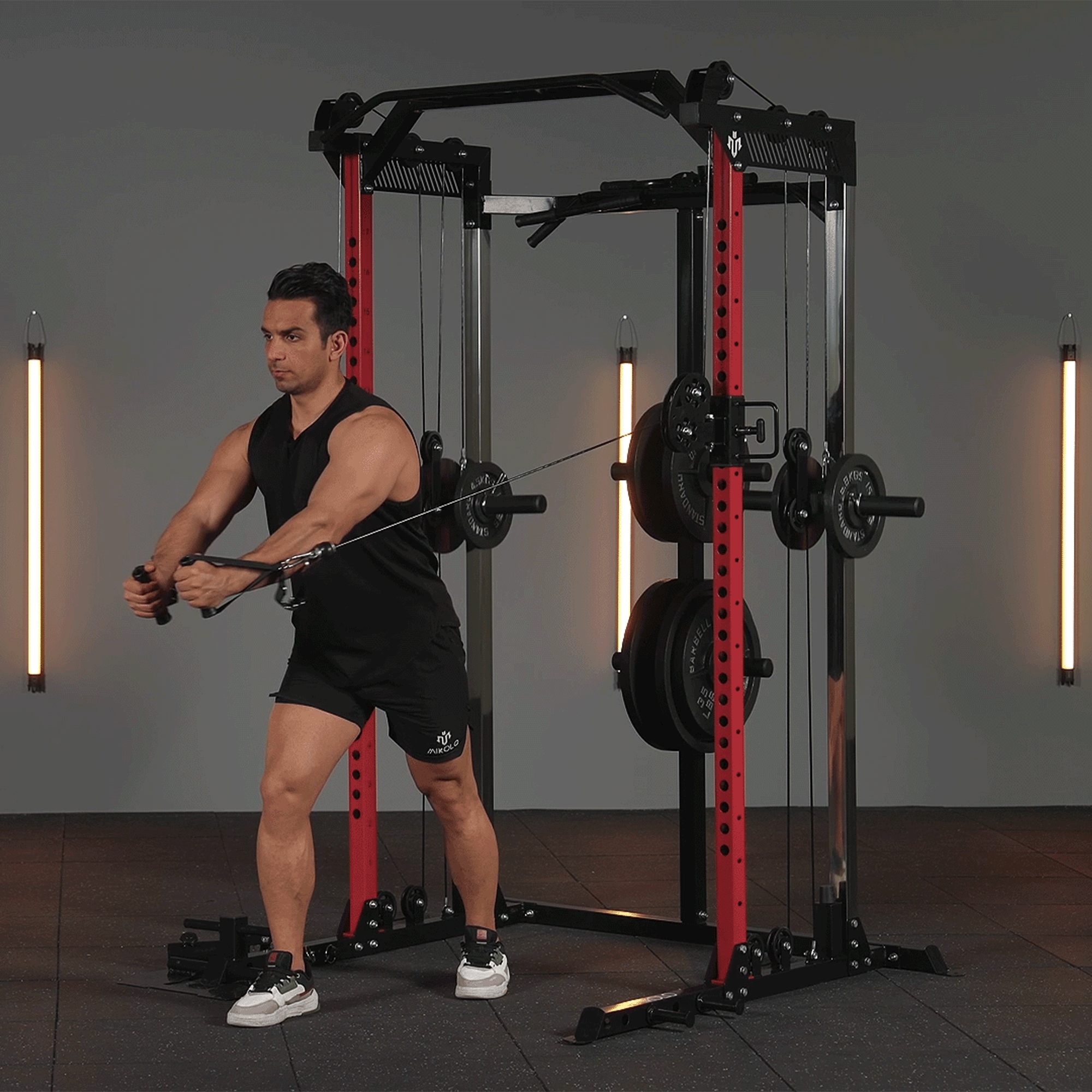












Creating a home gym isn’t just about the equipment—it’s about building a functional, safe, and comfortable space that supports your goals. One of the most overlooked aspects is the workout floor matting. Good flooring transforms your home gym experience by protecting your joints, safeguarding your floors, and keeping your equipment stable during every lift, squat, or sprint.
Why Gym Floor Mats Matter
Floor mats for home gyms serve multiple important purposes:
-
Joint Protection: Whether you’re lifting weights, doing HIIT, or stretching, cushioned mats reduce impact and strain on your knees, hips, and back.
-
Floor Protection: Dumbbells, barbells, and cardio equipment can easily scratch or dent your floors. Quality gym mats prevent damage to hardwood, tile, or carpet.
-
Noise Reduction: Mats absorb vibrations and reduce noise, which is crucial if you live in apartments or want to avoid disturbing family members.
-
Grip and Stability: Slippery floors are a hazard. Workout mats provide the traction needed for stability during dynamic movements.
Popular Types of Home Gym Floor Mats
Depending on your training style and space, there are several types of gym floor mats to consider:
-
Interlocking Foam Tiles: Easy to assemble and budget-friendly, these are great for light workouts like yoga or bodyweight exercises.
-
Rubber Mats: Perfect for weightlifting zones, rubber offers excellent durability, shock absorption, and floor protection.
-
Vinyl or PVC Mats: Ideal for exercise rooms with multi-purpose needs. They’re easy to clean and provide a smooth, sweat-resistant surface.
-
Heavy-Duty Gym Pads: Designed for powerlifting and CrossFit, these thick pads can handle heavy impacts and minimize sound.
From my own home gym setup, I started with cheap foam mats but quickly upgraded to thicker rubber floor mats after realizing how much more support they provided during squats and deadlifts. Not only did they feel more stable, but I also noticed less soreness in my knees after sessions. Investing in quality mats paid off in both comfort and performance.
Choosing the Right Floor Mats for Your Home Gym
When selecting your workout matting, consider:
-
Training Type: Heavy lifting requires thick rubber; yoga or cardio can be done on thinner foam or vinyl mats.
-
Space Layout: Interlocking tiles work well in flexible spaces; rolls or large mats suit dedicated workout rooms.
-
Durability: Choose high-density materials if you plan on intense, frequent workouts.
-
Ease of Cleaning: Sweat happens—opt for surfaces that are easy to wipe down and maintain.
-
Budget: Floor mats range from affordable foam options to premium commercial-grade gym flooring.
Best Practices for Setting Up Your Workout Flooring
-
Measure your space before purchasing to ensure full coverage.
-
Leave some buffer space around the edges to prevent slippage.
-
Secure mats properly—especially in high-traffic areas—to avoid shifting during workouts.
-
Consider layering (e.g., foam on bottom, rubber on top) if you want both cushioning and durability.
Final Thoughts
Your home gym flooring is more than just a surface—it’s the foundation of a safer, more effective workout environment. Whether you need floor mats for an exercise room, indoor gym mat setups for light activities, or rugged gym pads for lifting, choosing the right workout floor matting will make a noticeable difference in your performance and long-term comfort. Take the time to choose wisely, and your joints (and your floors) will thank you for years to come.


Leave a comment
This site is protected by hCaptcha and the hCaptcha Privacy Policy and Terms of Service apply.