















-
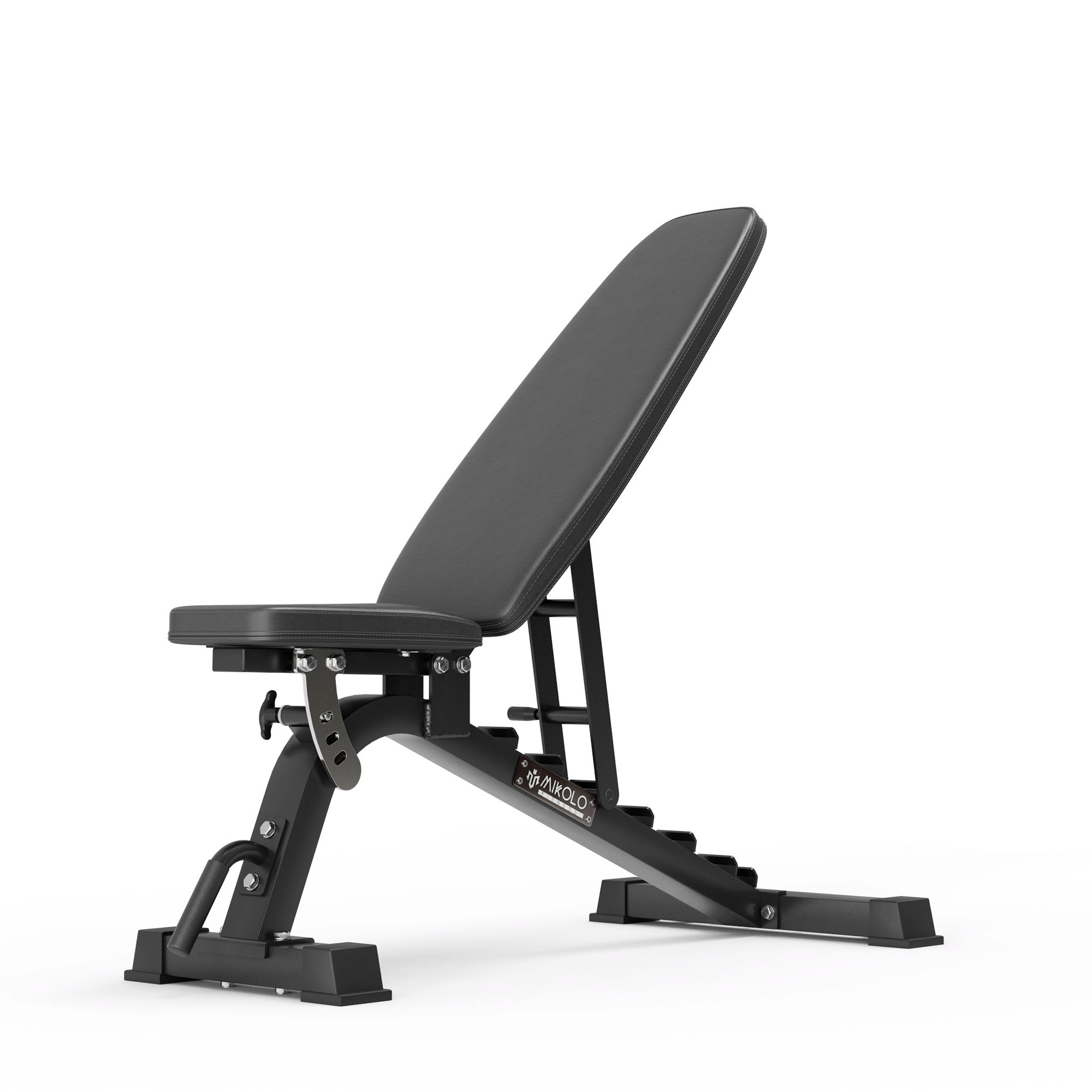
The incline bench press is a weight training exercise performed on a bench set at an upward angle, usually between 15° and 45°.
-
Compared with the flat bench press, the incline version places more emphasis on the upper chest muscles.
-
It also engages the front deltoids (shoulders) and triceps as supporting muscles.
-
The main muscle targeted is the clavicular head of the pectoralis major, which forms the upper portion of the chest.
-
A 15-30° incline keeps most of the tension on the upper chest.
-
A 45° incline shifts more of the workload toward the shoulders, especially the front deltoids.
-
The exercise is commonly used to build a stronger, more balanced upper body.
-
It also helps develop the upper chest for a fuller chest appearance.
Knowing which muscles are involved (and how to actually use the incline bench press properly) can help you figure out if it’s a good fit for your training. This move brings some unique benefits compared to flat or decline presses, so it might be worth a spot in your routine.
Understanding the Incline Bench Press
The incline bench press goes after your upper chest and shoulders by putting your body at an angle during the pressing movement. It takes some of the work away from your mid and lower chest, so you’re hitting different muscle groups a bit more directly.
What Is Incline Bench Press
The incline bench press is a barbell or dumbbell exercise done on a bench tilted upward—usually anywhere from 15 to 45 degrees, with your head higher than your hips.
This angle changes the way the weight moves compared to a flat bench. When you press up, you’re putting more stress on your upper chest instead of just the middle.
You can use a barbell, dumbbells, or even a Smith machine for this. The incline angle you pick will decide which muscles are working the hardest.
Muscles Worked by Incline Bench
-
The incline bench press hits a bunch of upper body muscles. Your upper chest (clavicular head of the pectoralis major) is the main one you’re after.
-
Your front deltoids help push the weight up. These shoulder muscles do more work here than they do in the flat version.
-
Your triceps handle straightening your elbows at the top. The middle chest helps out, but not as much as it does with flat pressing.
-
And don’t forget your core—it keeps you steady on the bench. If you set the bench at 45 degrees, your shoulders will have to do more. A 30-degree angle keeps more of the load on your chest.
Targeted Areas of the Chest
The incline bench press really zones in on your upper chest, just below your collarbone—the part that gives your chest that “lifted” look.
Most folks end up with a bigger mid and lower chest from things like flat bench, dips, or push-ups. The upper chest can lag behind, making your chest look kind of bottom-heavy.
Setting the bench between 15 and 30 degrees seems to be the sweet spot for upper chest activation. It hits the right muscles without making your shoulders do all the work.
Go much steeper than 45 degrees and you’re basically doing a shoulder press, not a chest exercise. At that point, your chest isn’t getting much out of it.
Key Benefits of the Incline Bench Press
The incline bench press gives you strength and muscle growth in ways the flat bench just can’t. Changing up the angle means you’re activating certain muscles more, and it can even help with how your upper body moves overall.
Upper Chest
This move really goes after the clavicular head of your pectoralis major—that’s the upper part of your chest. If you’re only doing flat bench or push-ups, this area usually gets left behind.

A 30-degree incline seems to be the magic number for upper chest engagement. It keeps your chest working hard but doesn’t make your shoulders take over. If you go above 45 degrees, your front delts start doing most of the lifting.
Doing incline presses regularly fills out the area just below your collarbone, giving your chest a fuller look. Strengthening this part connects your shoulders to your mid-chest, so you don’t end up with that uneven, bottom-heavy chest. It’s a more polished look, honestly.
Shoulder

Your anterior deltoids (front shoulders) are big players in the incline bench press. They help drive the weight up through the whole rep.
The angle puts your shoulders in a better spot than flat pressing does. You get strong deltoid activation without putting too much stress on your shoulder joints. You’re training your front delts hard, but not in a way that feels sketchy or uncomfortable.
Building up your shoulders with incline pressing pays off for other lifts and just daily life. If you do overhead presses or need to push something away from you, strong front delts make a difference.
Enhanced Pressing Strength
Incline benching challenges your muscles with a different range of motion than flat pressing does. It can point out weak spots in your pressing pattern and force your muscles to adapt.
Your triceps kick in hard at the top of each rep, helping your chest and shoulders finish the press. Working all three together builds real pressing power.
The strength you get from incline work actually helps your flat bench too. A stronger upper chest and shoulders mean you can push the bar off your chest with more force when you’re back on the flat bench.
Postural Improvements
The incline bench press does a solid job of strengthening the muscles that support good upper body posture. When your upper chest and front deltoids are strong, they help pull your shoulders back where they belong—no more slouching, at least in theory.
If your upper chest is weak, you’re way more likely to end up with rounded shoulders and that classic forward head posture. Building up your upper pectorals gives you a bit more balance between your chest and upper back, which can really help keep your shoulders from rolling forward all the time.
This exercise also challenges your scapular stability. As you lower and press the weight, your shoulder blades need to stay steady against the bench. That movement calls on those small stabilizer muscles around your shoulder girdle—often overlooked, but pretty important.


Leave a comment
This site is protected by hCaptcha and the hCaptcha Privacy Policy and Terms of Service apply.