















When it comes to building a strong, functional back using bodyweight training, two movements often come head-to-head: the inverted row and the pull-up. While they may look similar at first glance, these exercises offer distinct benefits depending on your fitness level, goals, and training setup. In this article, we’ll break down the key differences between inverted rows and pull-ups, and where the Australian pull-up fits into the conversation.
What Is an Inverted Row?
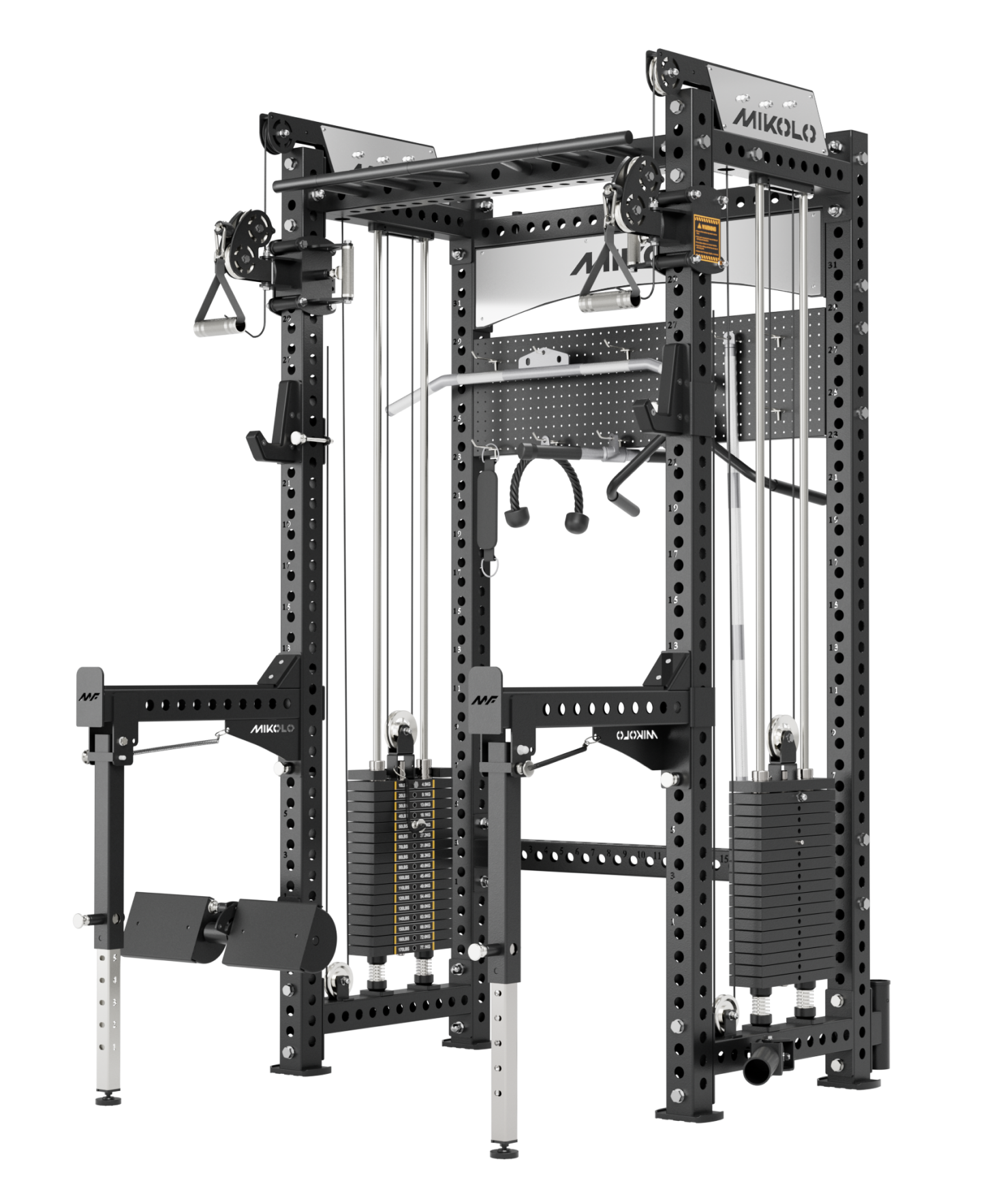
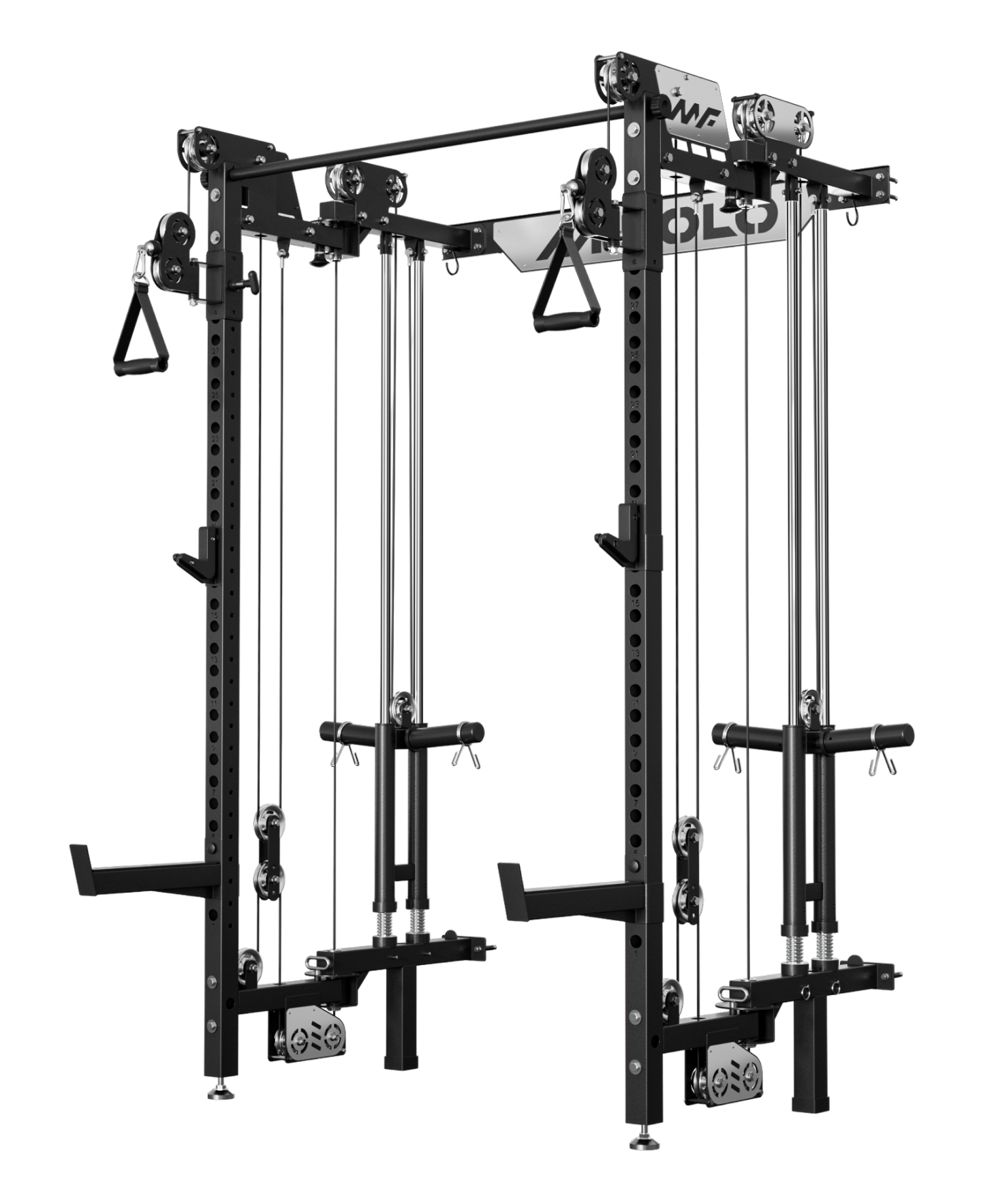
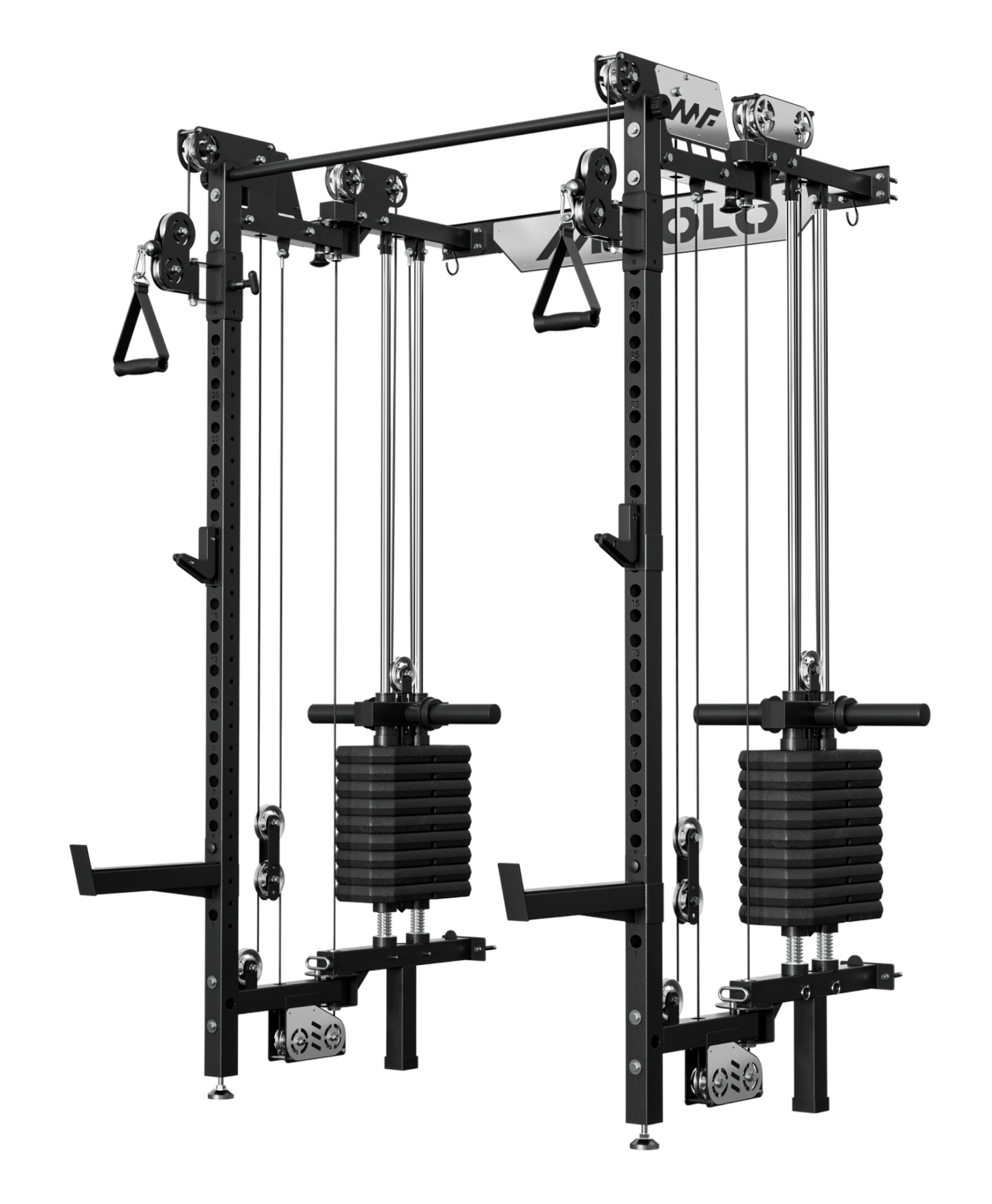
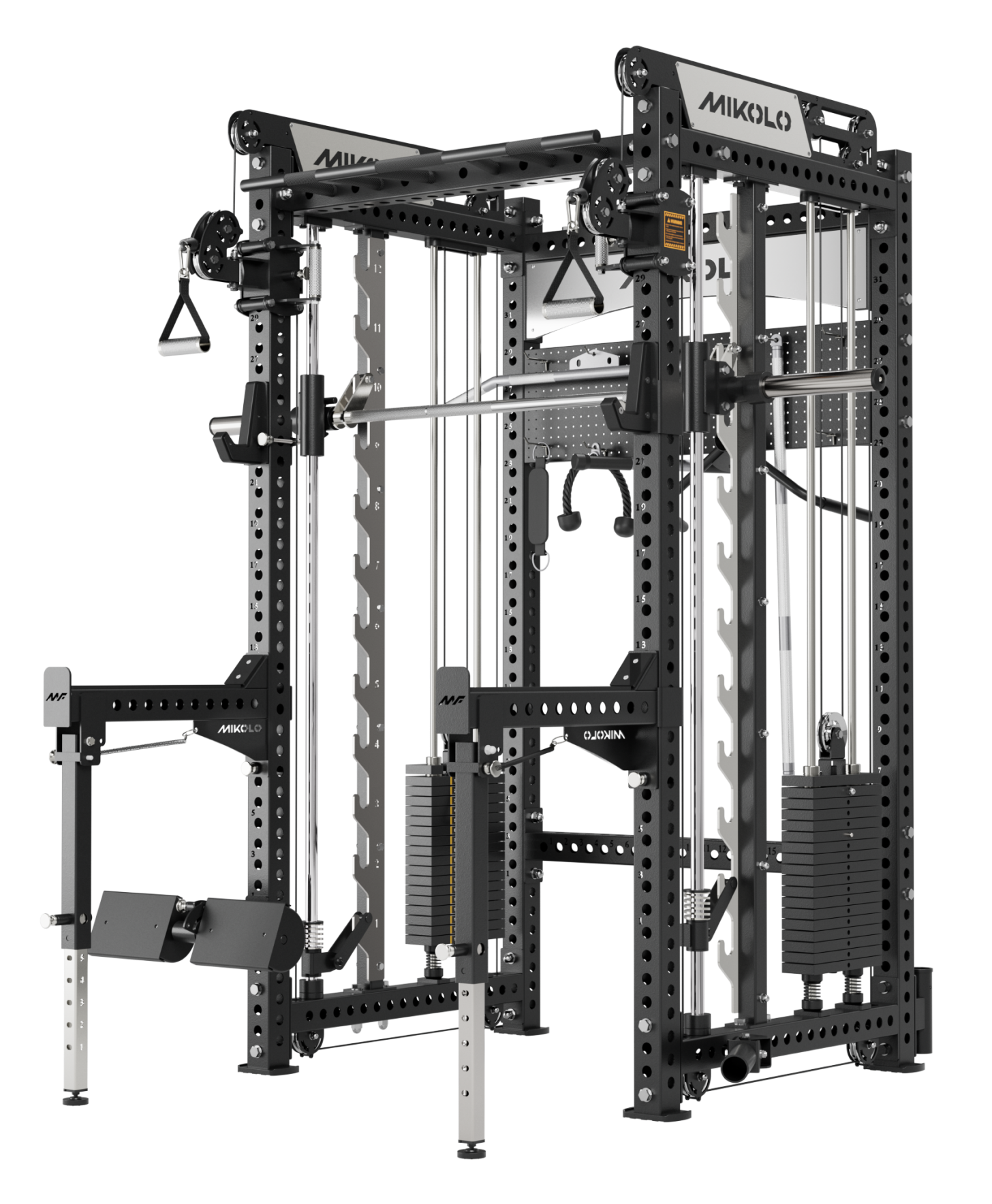
The inverted row is a horizontal pulling exercise. You lie underneath a bar, grasp it with an overhand grip, and pull your chest toward the bar while keeping your body in a straight line. It’s typically performed using a barbell in a rack, TRX straps, or a Smith machine.
Muscles worked:
-
Rhomboids
-
Lats
-
Rear deltoids
-
Biceps
-
Core
Benefits:
-
Ideal for beginners working toward their first pull-up
-
Easier to scale based on strength level (foot placement, bar height)
-
Builds foundational back strength and shoulder stability
-
Safer on joints due to less vertical loading
What Is a Pull-Up?
The pull-up is a vertical pulling movement performed by hanging from a bar and pulling your chin above it. It’s more advanced and demands a higher level of strength, particularly in the lats and arms.
Muscles worked:
-
Lats (primary mover)
-
Biceps
-
Traps
-
Core
-
Forearms and grip
Benefits:
-
Builds serious upper-body pulling strength
-
Engages the core for total-body tension
-
Highly functional—transfers to climbing and athletic performance
-
Excellent for improving scapular control and posture
Inverted Row vs Pull-Up: Key Differences
| Category | Inverted Row | Pull-Up |
|---|---|---|
| Movement Plane | Horizontal pull | Vertical pull |
| Difficulty Level | Beginner-friendly | Advanced |
| Equipment Needed | Bar, TRX, or Smith machine | Pull-up bar |
| Scalability | Easily adjustable | Limited scaling without assistance |
| Core Engagement | Moderate | High |
| Grip Strength Demand | Low to moderate | High |
If you’re just starting your fitness journey or working around an injury, the inverted row offers a more accessible path to building back strength. However, if your goal is to develop the kind of pulling strength that translates to climbing, obstacle courses, or calisthenics, the pull-up remains king.
What About the Australian Pull-Up?
You might have heard "inverted row vs Australian pull-up" used interchangeably. That’s because they are essentially the same movement. The term "Australian pull-up" often refers to inverted rows performed using a lower bar, where your body is closer to parallel with the ground. It’s a common term in calisthenics and street workout communities.
However, slight differences can arise depending on form:
-
Australian pull-ups may allow for more momentum or loose form, especially when performed outdoors or on low bars.
-
Inverted rows, particularly in a gym setting, are often more controlled and strict in execution.
Ultimately, they both serve the same function: building foundational pulling strength in a horizontal plane.
Personal Experience: Building Pull-Up Strength with Rows
When I first started training seriously, I couldn’t do a single pull-up. Frustrating as it was, I knew skipping ahead wasn’t the answer. I focused on inverted rows, increasing volume and progressively elevating my feet for more challenge. Within two months, I hit my first clean pull-up. More importantly, I felt more connected to my lats and learned to control my scapula—a skill that carried over into better form and fewer injuries.
This progression—from inverted rows to pull-ups—has become a staple path I now recommend to beginners and clients recovering from shoulder imbalances. It’s not just about strength; it’s about building control and resilience.
Final Thoughts
So, inverted rows vs pull-ups—which should you choose? The best answer is both, but at the right time. Inverted rows (or Australian pull-ups) are your foundation. Master them first. Then, as your strength and control improve, graduate to full pull-ups to take your back development to the next level.
Each has its place. Used together, they create a powerful combo for a strong, well-balanced upper body.


Leave a comment
This site is protected by hCaptcha and the hCaptcha Privacy Policy and Terms of Service apply.