

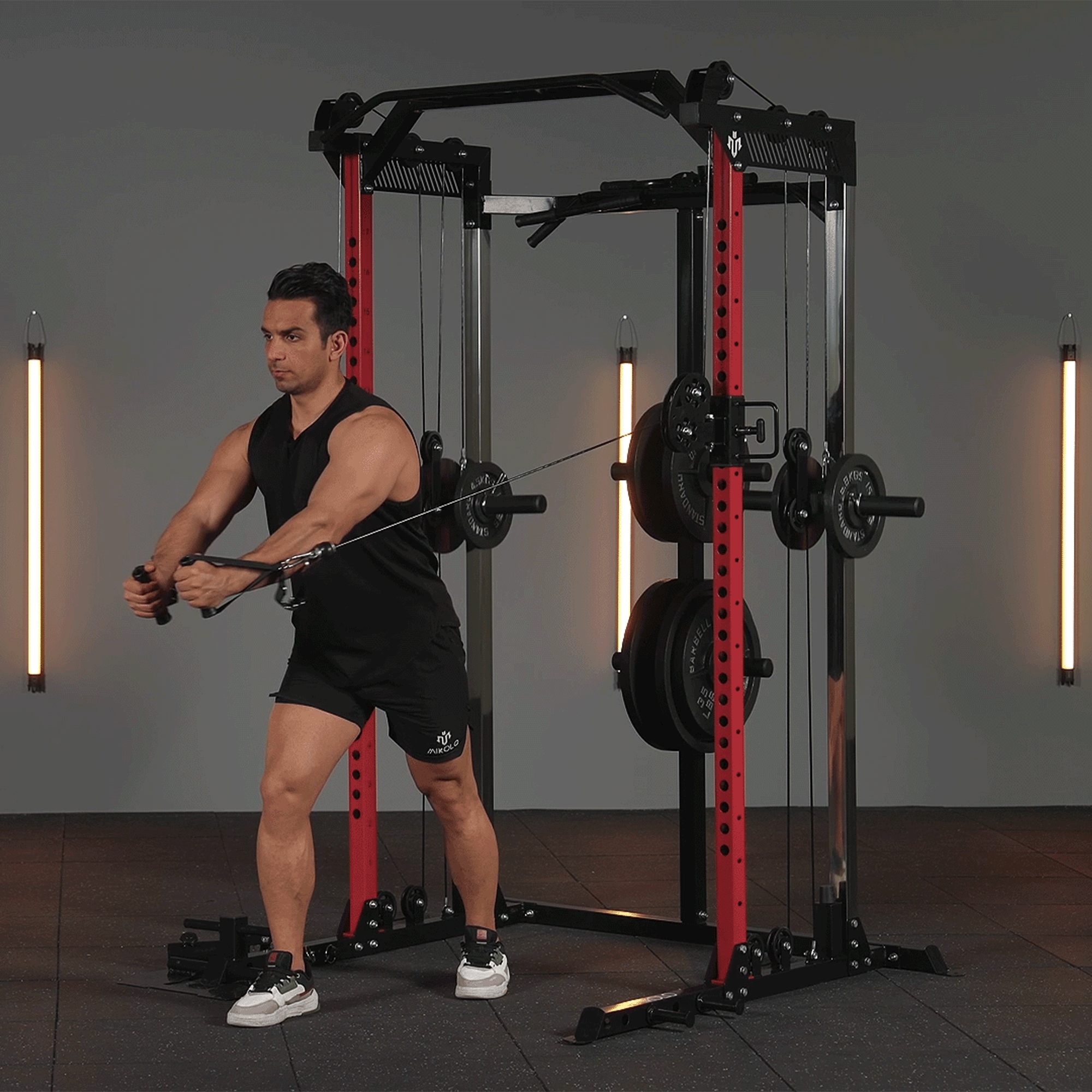


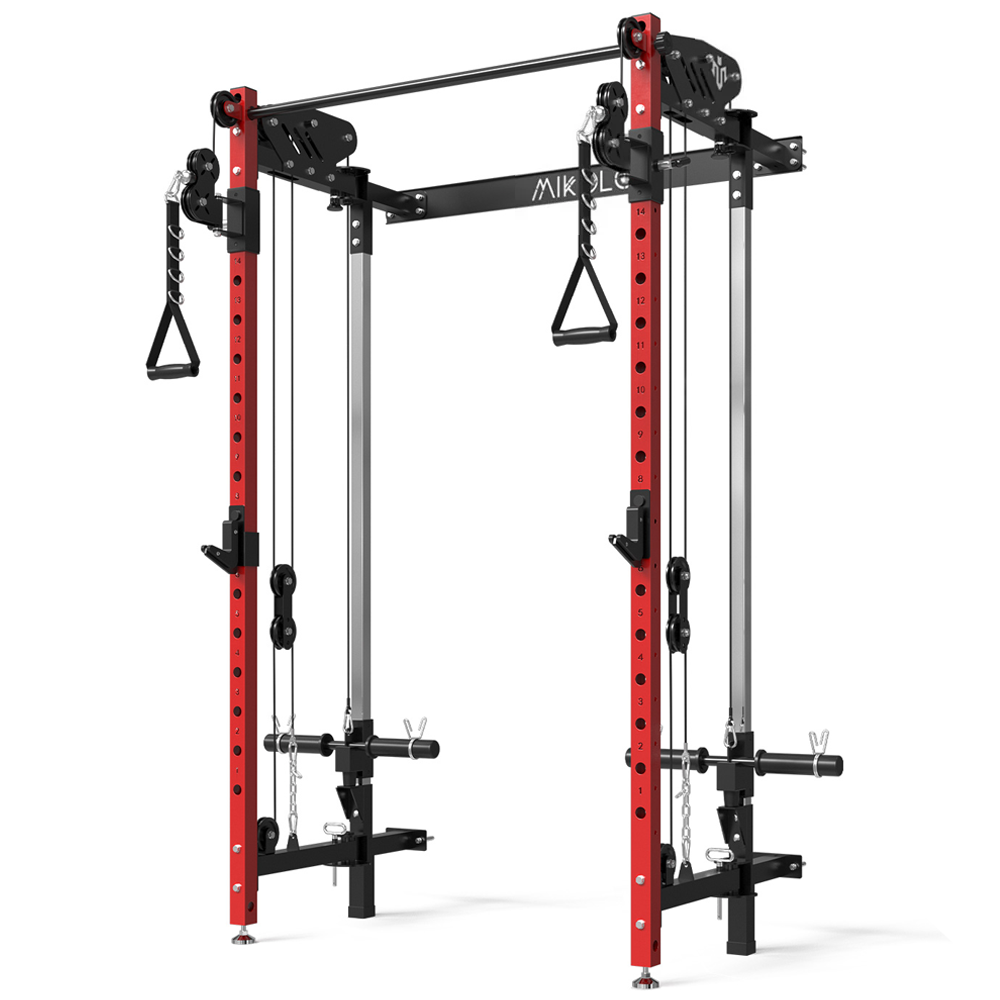
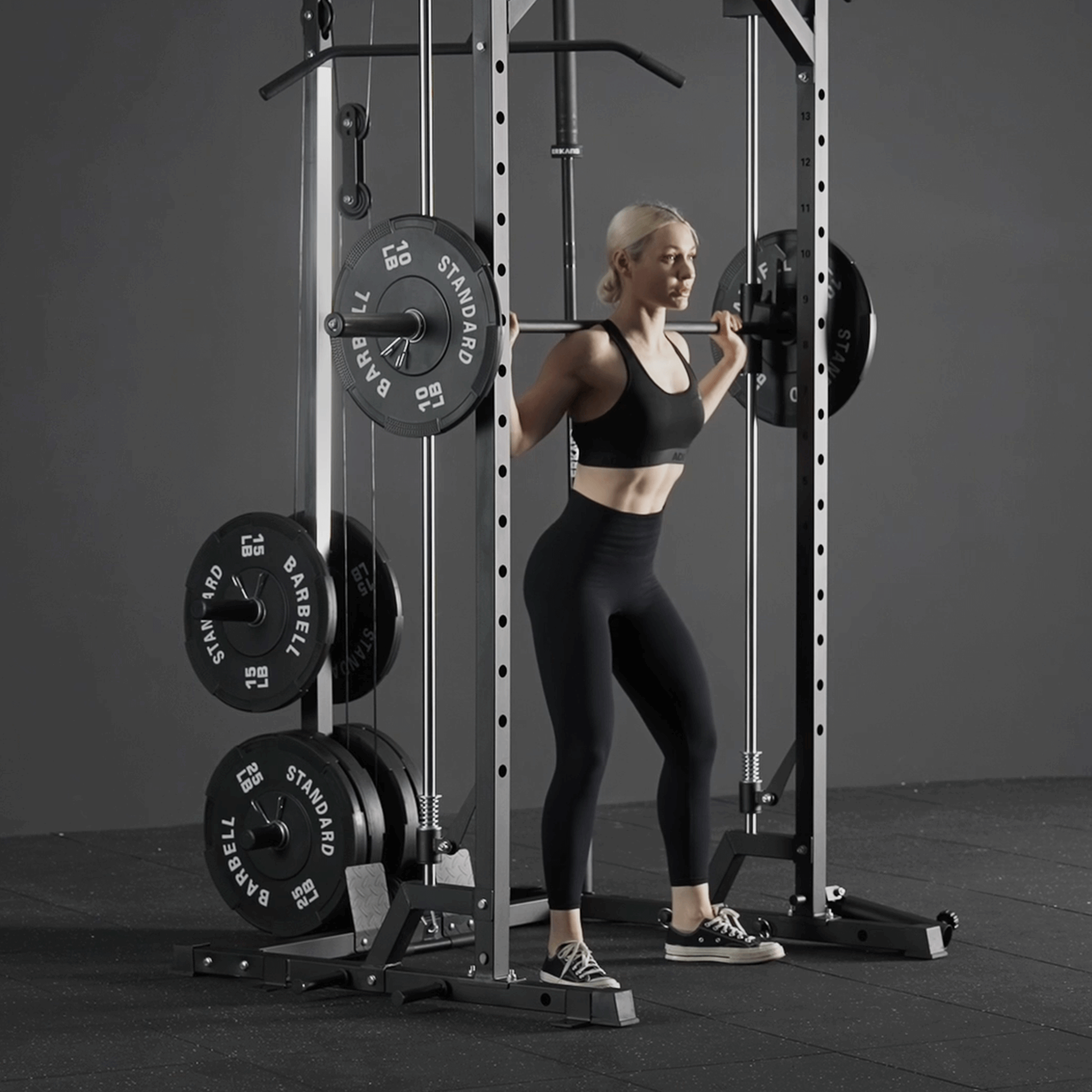


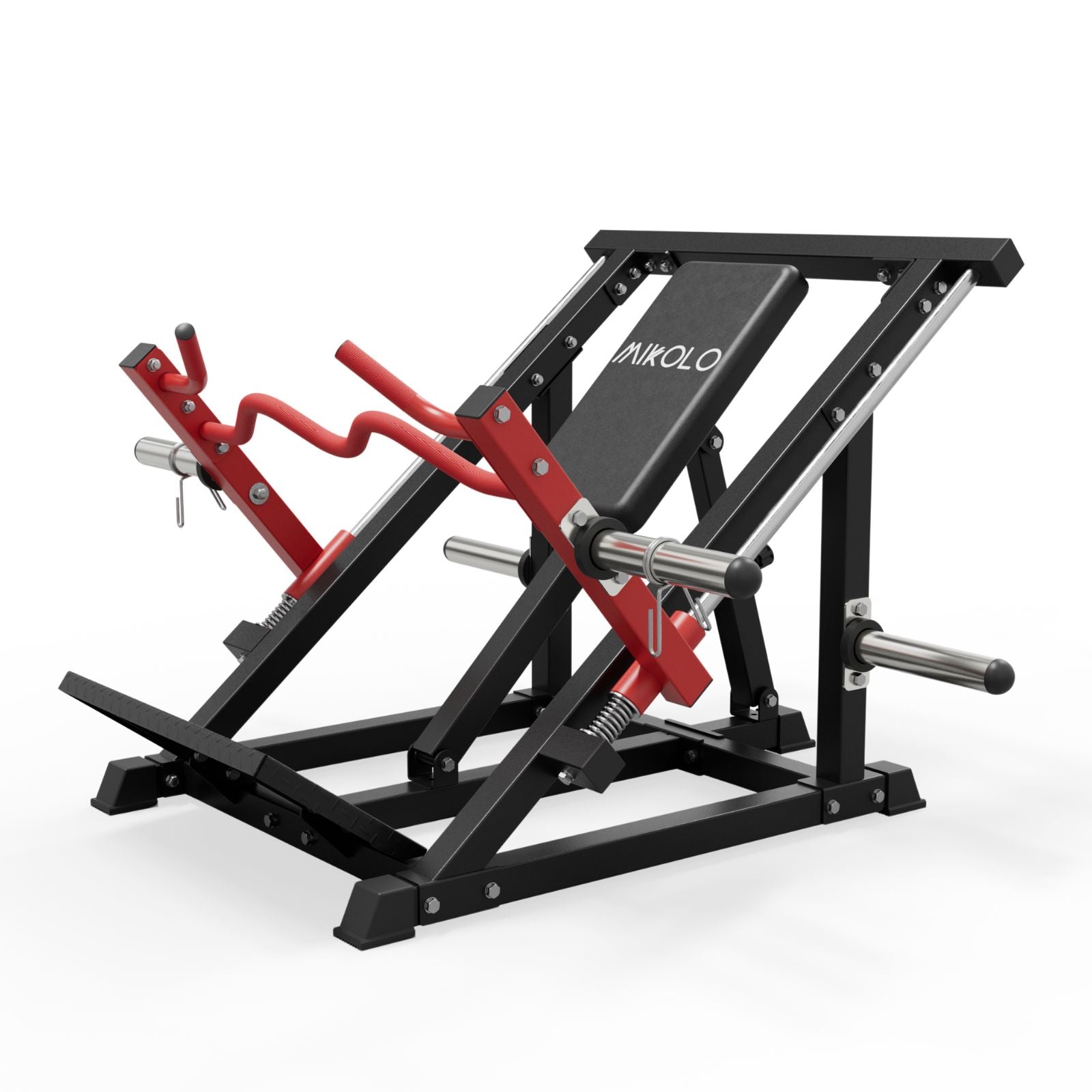


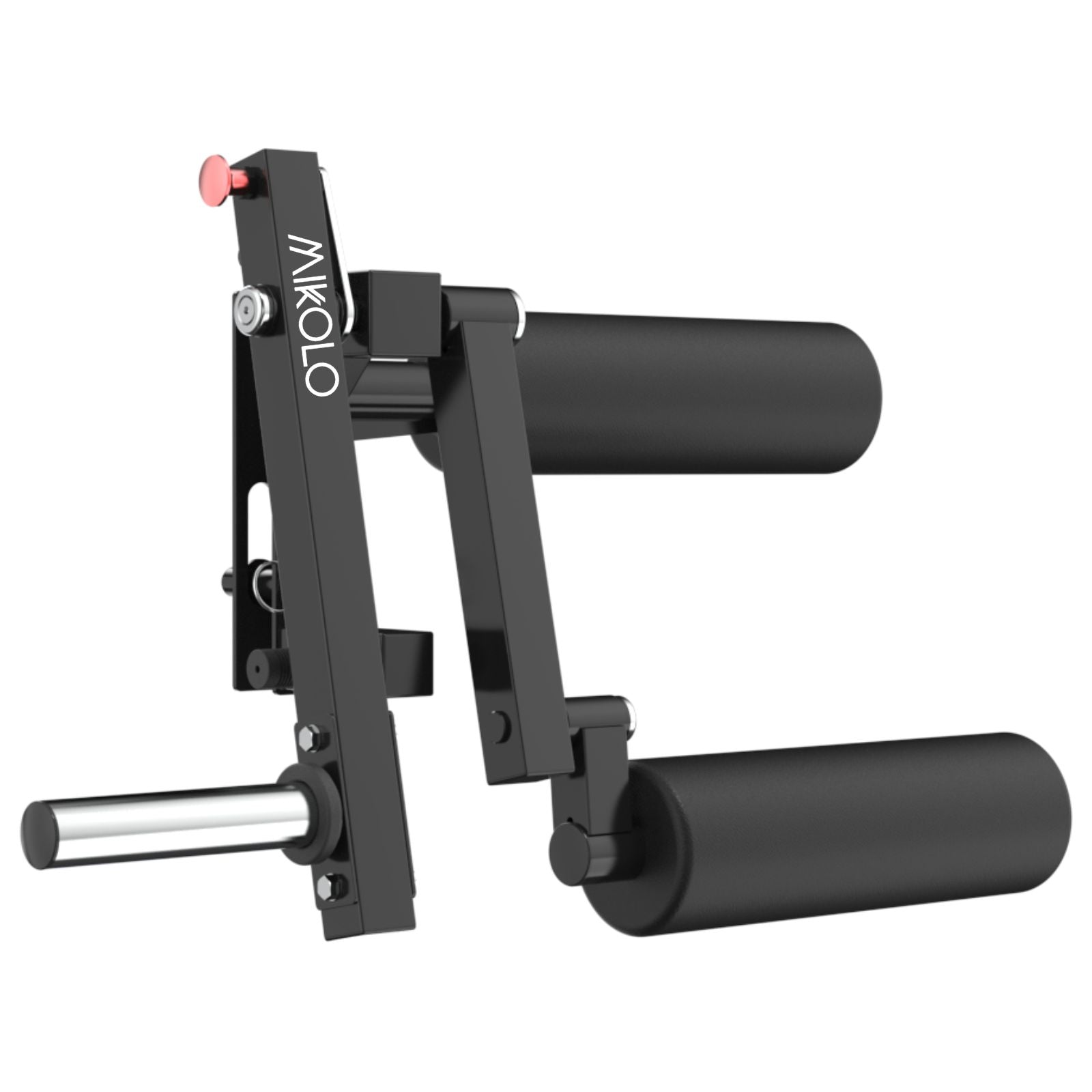


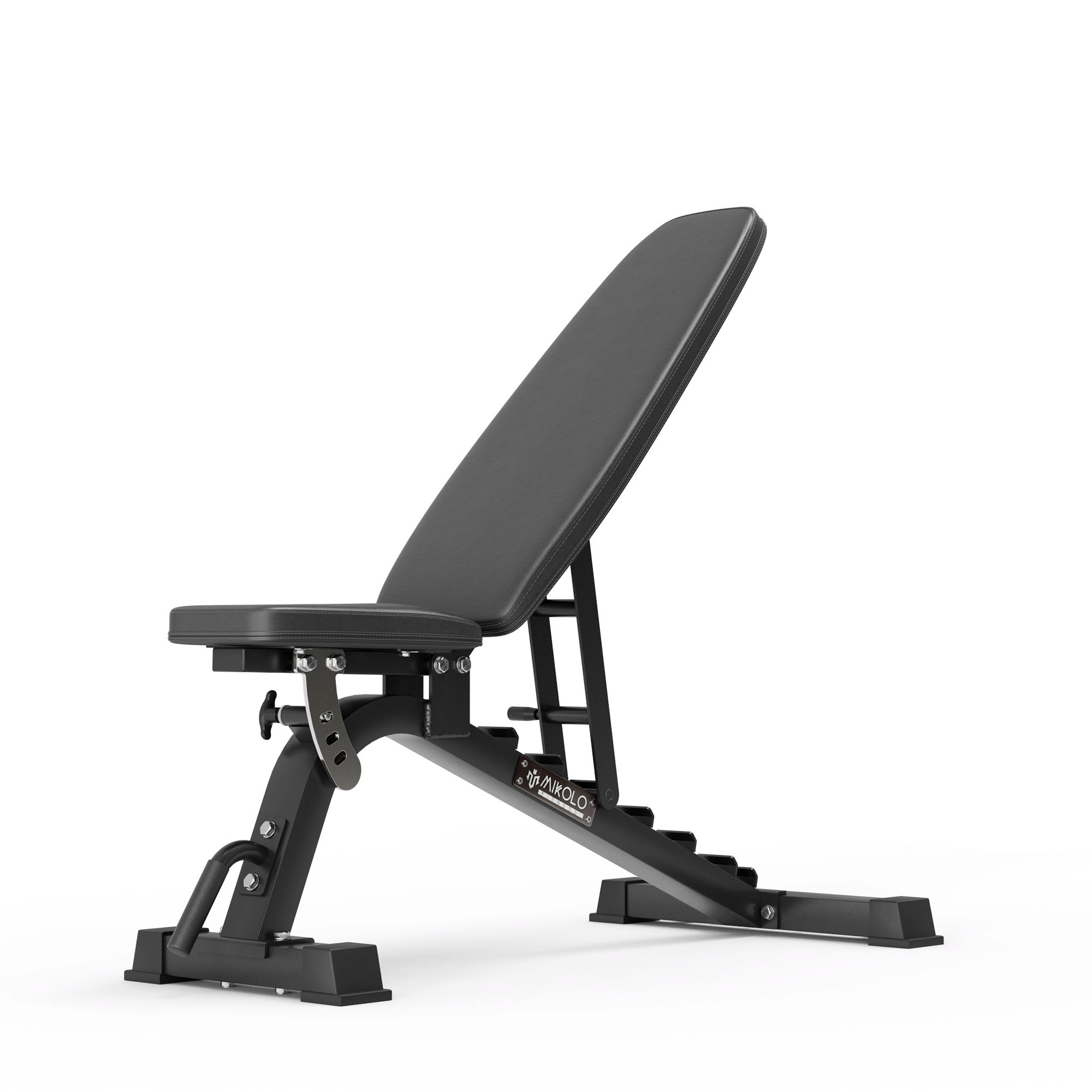




When it comes to lower body strength, few exercises are as foundational as the leg extension and leg curl. Whether you’re an athlete aiming for peak performance, a fitness enthusiast chasing better muscle definition, or someone focused on injury prevention and joint health, mastering these two movements can make a major difference in your training results.
Understanding Leg Extensions and Leg Curls
Leg extensions focus on the front of the thigh, specifically targeting the quadriceps. Performed on a dedicated machine, the motion isolates the quads by lifting a padded bar using just the legs. It’s a direct way to build strength and size in the front of the thighs without much assistance from other muscle groups.
In contrast, leg curls—sometimes called curl extensions in shorthand—target the hamstrings, the powerful muscles running along the back of the thighs. Done lying, seated, or standing, leg curl extension exercises involve bending the knee against resistance, strengthening muscles that are crucial for sprinting, jumping, and stabilizing the knee joint.
The balance between these two movements is key. Overdeveloping one side while neglecting the other can lead to imbalances, increasing the risk of injury.
Why Leg Curl and Extension Workouts Matter
Training both the leg extension and curl provides more than just stronger legs:
-
Injury Prevention: Hamstring and quad strength help stabilize the knees, reducing the chance of strains, sprains, or tears during physical activity.
-
Improved Athletic Performance: Stronger legs translate directly into better speed, agility, and endurance, whether you’re running a marathon or playing a game of pickup basketball.
-
Enhanced Muscle Symmetry: Balanced training prevents one muscle group from overpowering the other, leading to a more symmetrical and aesthetic physique.
-
Everyday Strength: Simple daily activities like climbing stairs, getting up from a chair, or carrying heavy groceries become easier with stronger legs.
How to Structure Your Leg Curl and Extension Routine
A well-rounded workout plan doesn’t just throw in random sets. Here’s a sample outline that builds strength progressively:
| Exercise | Sets | Reps | Weight Guidance |
|---|---|---|---|
| Leg Extension | 3 | 10-12 | Moderate, focus on form |
| Seated Leg Curl | 3 | 10-12 | Controlled tempo |
| Single-Leg Extension | 2 | 12 | Lighter, perfect symmetry |
| Standing Leg Curl | 2 | 12 | Focus on hamstring peak |
Tips:
-
Start with around 22% of your body weight on leg extensions if you’re a beginner, and aim to gradually increase.
-
Most leg curl and extension machines allow weight adjustments up to 320 lbs, but it's more important to prioritize correct form over heavy loads.
-
If you are advancing, some premium machines allow plates or stacks up to 1,000 lbs, although this level is reserved for highly trained lifters.
-
Target 24 to 30 reps total per movement across all sets if building endurance is your goal.
Choosing the Right Leg Curl Extension Machine
When picking a machine for your gym or home setup:
-
Look for machines offering smooth motion and adjustable angles.
-
Machines that combine leg extension and curl in one unit are great space-savers.
-
A plate-loaded option (where you add your own weights) can grow with you, while a selectorized stack (with fixed weight increments) offers convenience.
-
Test the range of motion: a proper machine should allow a full extension and a full contraction without stressing your joints.
Common Mistakes to Avoid
-
Using Too Much Weight: Struggling to lift leads to compromised form, increasing injury risk.
-
Shortening the Range of Motion: Fully extending and curling ensures full muscle engagement.
-
Rushing the Movement: Controlled, deliberate reps recruit more muscle fibers and yield better strength gains.
-
Neglecting Opposing Muscles: Always balance quad and hamstring work to maintain healthy, functional knees.
Final Thoughts
Integrating leg extension curl exercises into your training can build serious lower body strength, protect your joints, and improve your athletic performance. Whether you're working with a modest 320 lbs stack or pushing elite levels near 1,000 lbs, consistency and proper form are your greatest tools for success.
Strong legs aren’t just for the gym — they’re the foundation for everything you do. Start smart, train balanced, and your body will thank you for years to come.


Leave a comment
This site is protected by hCaptcha and the hCaptcha Privacy Policy and Terms of Service apply.