













When it comes to sculpting powerful legs and improving lower body strength, the reverse V squat is an underrated powerhouse. Whether you’re a home gym enthusiast or a serious lifter chasing performance gains, learning how to properly use the reverse V squat machine can be a game-changer.
What Is a Reverse V Squat?
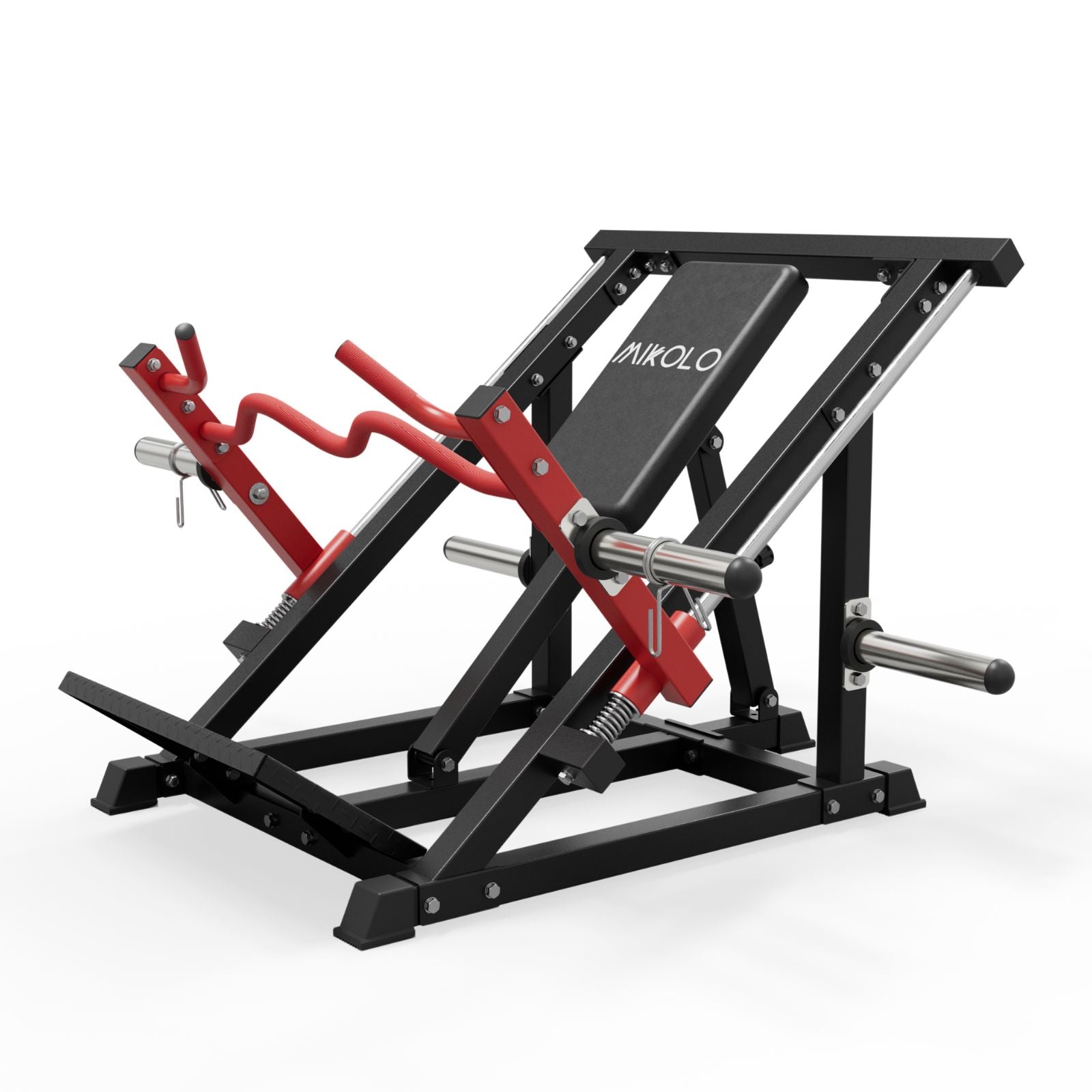
The reverse V squat is a variation of the traditional V-squat where the user faces into the machine rather than away from it. This reverse-facing position alters your center of gravity, changes muscle engagement, and reduces pressure on the spine. Most reverse V squats are performed on a reverse V squat machine or pendulum squat machine with a V-squat setup.
Unlike back squats or hack squats, this variation allows for a more natural hip hinge and encourages a deeper, more controlled squat motion—ideal for those with limited mobility or lower back sensitivity.
Muscles Worked in the Reverse V Squat
The reverse V squat targets several major muscle groups:
-
Glutes – Primary movers, especially when hips are pushed back.
-
Quadriceps – Activated throughout the lift, especially at the bottom of the squat.
-
Hamstrings – Assist in hip extension and stabilize the knee joint.
-
Adductors – Help with balance and control during the upward phase.
-
Calves and Core – Engage to stabilize the body throughout the movement.
Compared to a traditional V-squat machine, facing the machine in reverse shifts more emphasis toward the glutes and hamstrings, while still engaging the quads effectively.
Reverse V-Squat vs. V-Squat: What’s the Difference?
| Feature | V-Squat (Traditional) | Reverse V-Squat |
|---|---|---|
| Facing Direction | Away from the machine | Toward the machine |
| Glute Emphasis | Moderate | High |
| Quad Activation | High | Moderate to High |
| Spine Load | Slightly more compressive | Reduced due to torso angle |
| Hip Mobility | Less natural hip hinge | Greater hip drive and depth |
| Knee Stress | Higher if form breaks down | Lower with proper alignment |
If you're after a more glute-focused squat that still hammers the legs, the V squat reverse method is a smart addition to your routine. On the other hand, the traditional V-squat places more direct load on the quads.
Reverse Pendulum Squat: A Close Cousin
The reverse pendulum squat is often mentioned alongside the reverse V squat—and for good reason. While both encourage a more natural squatting motion and posterior chain activation, the pendulum squat uses a swinging arc movement. This helps maintain consistent resistance through the entire range of motion, offering an even greater challenge to the glutes and quads.
Some lifters even alternate between reverse pendulum squats and reverse V-squats to target all angles of lower body development.
My Personal Experience with the Reverse V Squat
Years ago, I had lingering discomfort in my lower back that made traditional barbell squats feel risky. I tried leg presses, hack squats, and even Bulgarian split squats, but nothing felt quite right—until I discovered the reverse V-squat machine.
Facing into the machine let me sink deeper into the squat without losing balance or feeling pressure in my lumbar spine. I could feel my glutes fire in a way that squats rarely triggered before. After a few weeks, not only did my leg strength improve, but my hip mobility and squat depth increased dramatically. To this day, I alternate it with Romanian deadlifts as a staple in my leg day routine.
Final Thoughts: Why You Should Add Reverse V Squats to Your Routine
If your goal is balanced leg development, healthier knees, or glute-dominant strength, reverse V squats deserve a spot in your training rotation. The movement is beginner-friendly yet brutally effective when loaded properly. And with less spinal loading and better form mechanics, it’s a solid choice whether you're chasing performance or longevity.
Whether you're using a v-squat machine reverse style or testing out a reverse pendulum squat, this lower-body variation is a smart, safe, and effective way to train hard—without breaking down your body.


Leave a comment
This site is protected by hCaptcha and the hCaptcha Privacy Policy and Terms of Service apply.