

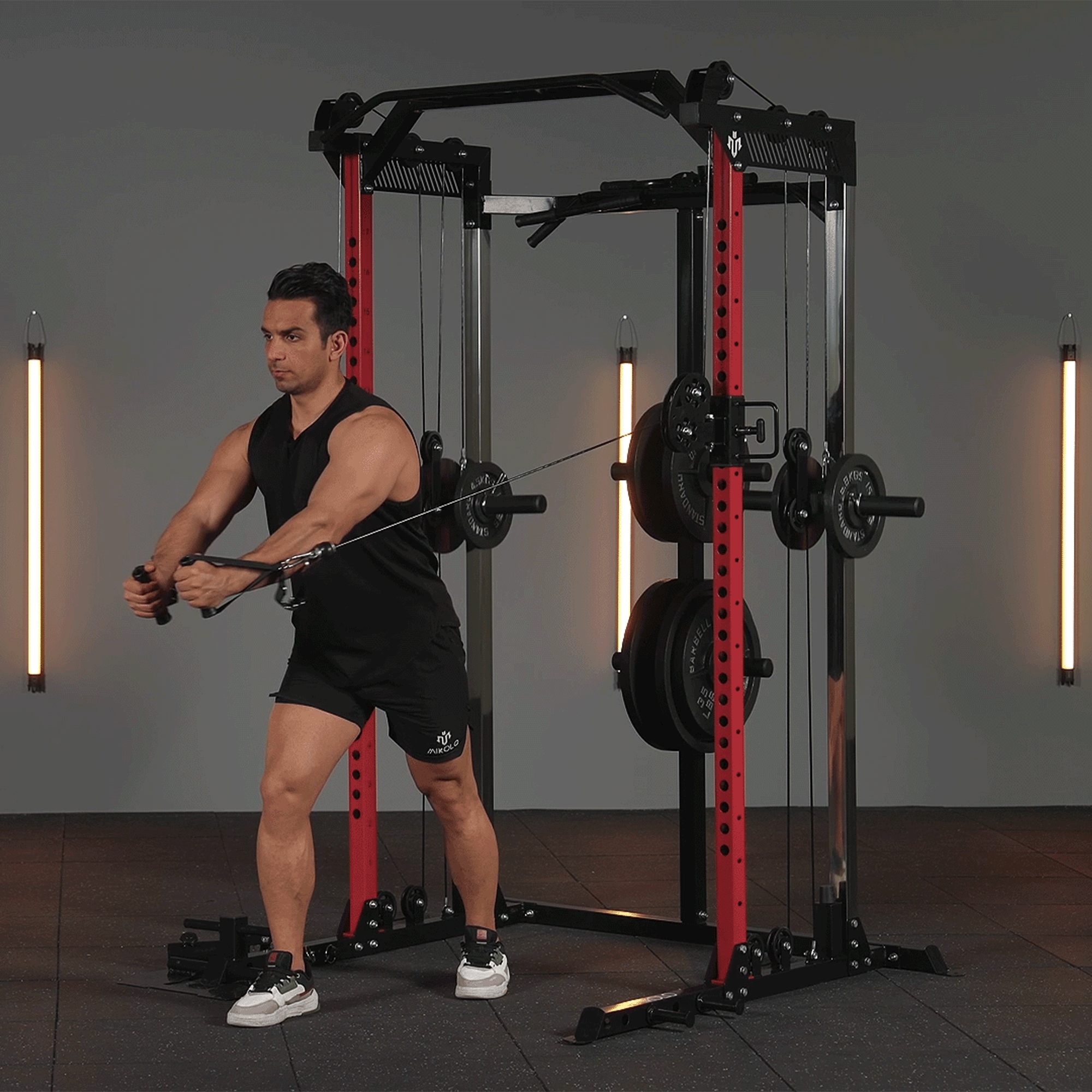












When it comes to building strong, defined arms, the triceps often don’t get as much attention as their front-facing counterpart—the biceps. But if you're considering training triceps every day, it's important to understand what that really means for your progress, recovery, and long-term results.
What Happens When You Train Triceps Every Day?
The triceps brachii, the large muscle on the back of your upper arm, plays a major role in pushing movements—like bench presses, push-ups, and overhead presses. Because of their frequent involvement in compound lifts, your triceps might already be working more than you realize.
Training them directly every day can lead to:
-
Overuse and fatigue: Muscles need time to recover and grow. Constant stimulation without recovery can lead to inflammation, tendon strain, or even injury.
-
Plateaued progress: Without enough rest, your muscle fibers don’t have the chance to rebuild stronger. This can actually slow down growth and strength gains.
-
Joint stress: The elbows, in particular, take a beating when triceps are overtrained. Daily sessions can wear down connective tissue over time.
Can You Train Triceps Every Day Safely?
Technically, yes—with the right programming. Training triceps every day doesn't have to mean hitting them hard seven days a week. For example:
-
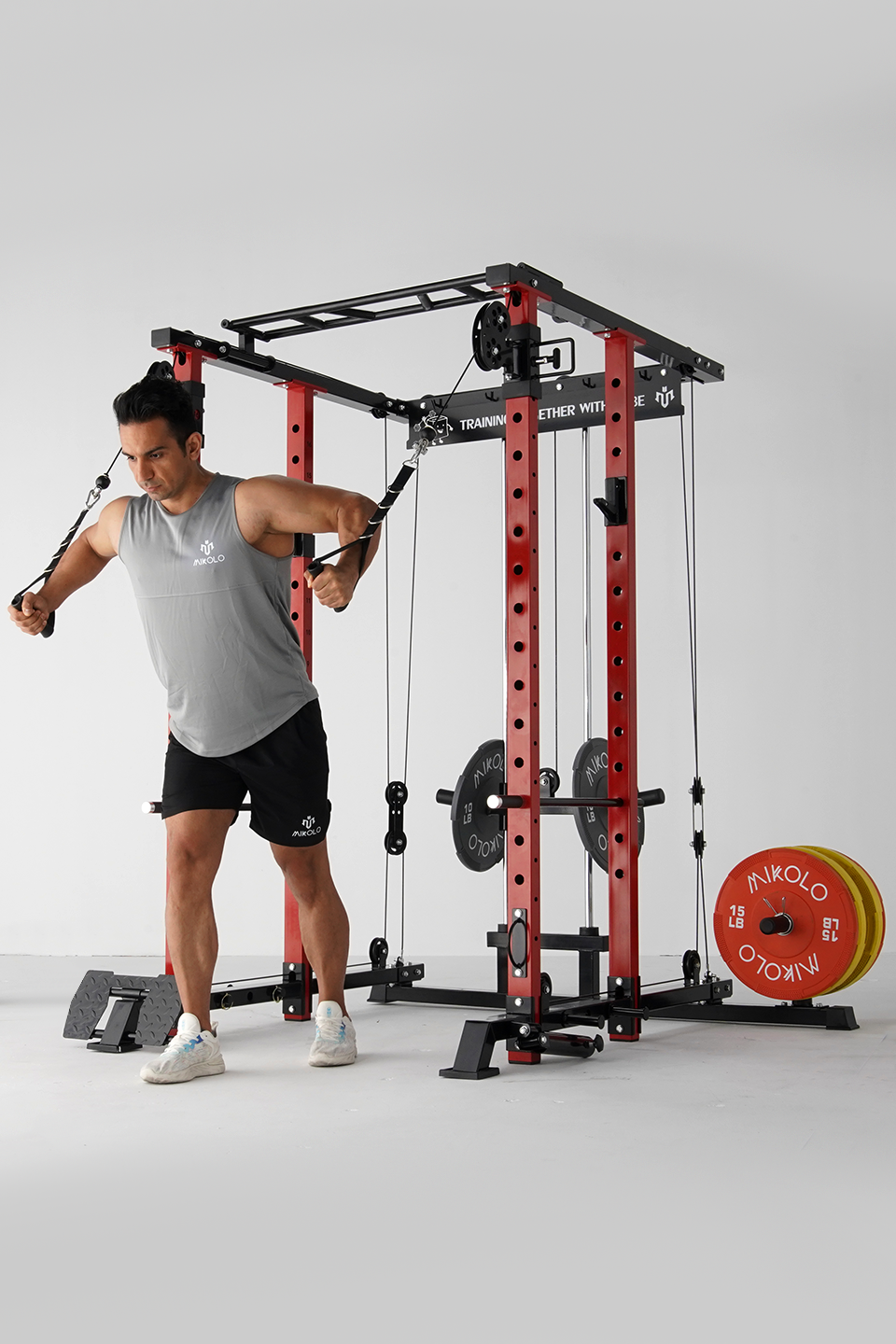
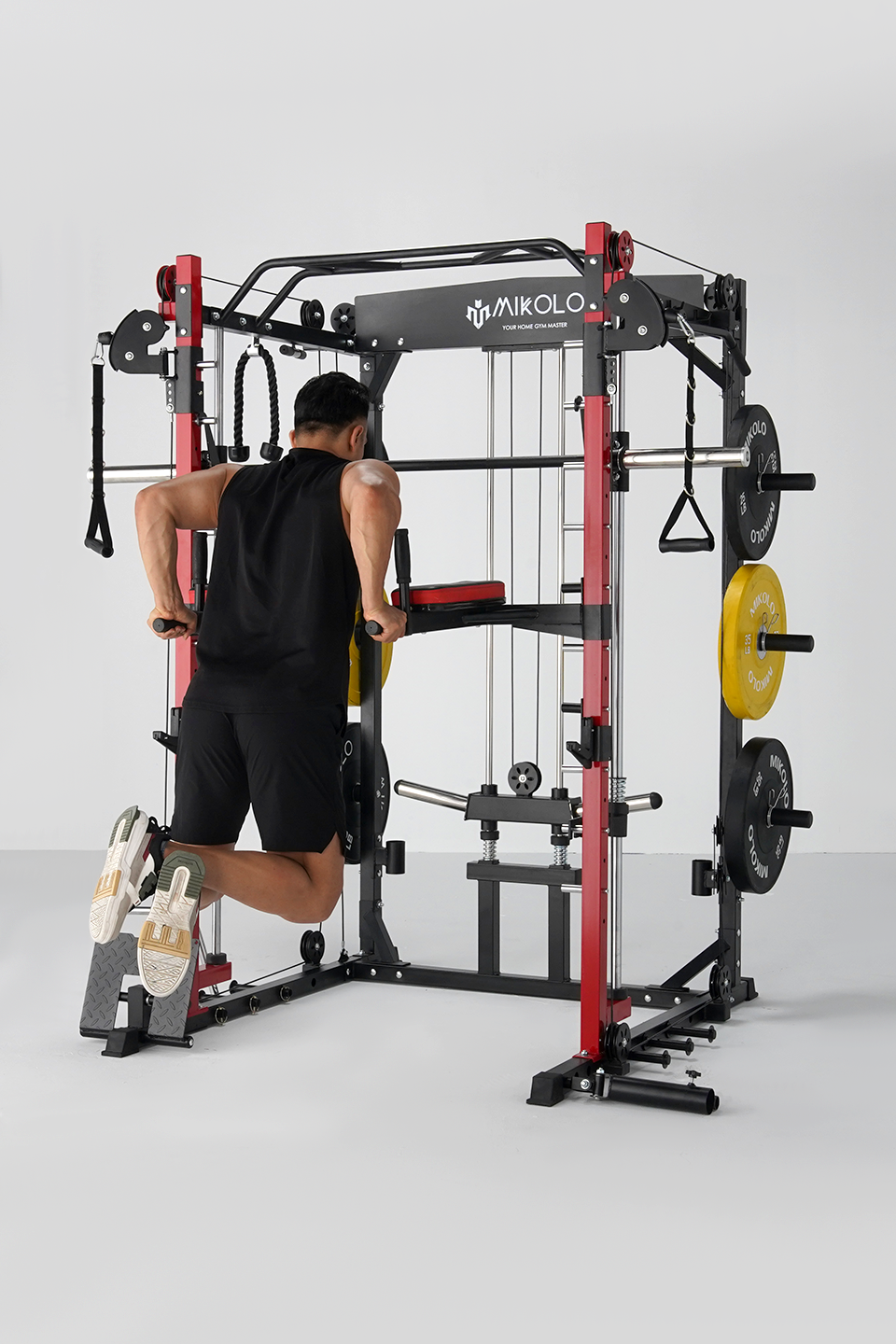
Low-intensity volume: You might use light resistance bands, isometrics, or bodyweight dips some days to promote blood flow and mobility without overloading the joints.
-
Rotating focus: Instead of blasting all three heads of the triceps daily, you can target different portions with varying angles and intensities throughout the week.
-
Active recovery sessions: Light, high-rep movements with a focus on form and control can complement heavier training days.
That said, the average lifter typically benefits more from training triceps 2–3 times per week with quality effort and adequate rest.
My Own Journey With Frequent Triceps Training
Several years ago, I tested a program where I worked triceps in some capacity six days a week. The first two weeks were amazing—I felt pumped, stronger, and more in tune with the muscle. But by week three, my elbows started to ache, and my pressing strength dropped. I scaled back to three targeted sessions weekly and quickly saw gains return—with less pain and more consistent progress.
That experience taught me that more isn’t always better. Training smarter and recovering well always beats brute repetition.
Smarter Alternatives to Everyday Triceps Workouts
If you're aiming for bigger arms or better pressing strength, consider:
-
Full push-day workouts: Combine chest, shoulders, and triceps to maximize overlap and efficiency.
-
Progressive overload: Instead of training more often, increase the challenge over time through reps, sets, or resistance.
-
Focus on form: High-quality reps with proper technique activate the muscle better than rushed volume.
Final Thoughts
Training triceps every day might sound like a shortcut to faster gains, but muscle growth depends on the right balance between stimulation and recovery. For most people, quality twice-weekly sessions—with proper nutrition, sleep, and recovery—will outperform a daily grind. Listen to your body, stay consistent, and remember: growth happens when you rest, not just when you train.


Leave a comment
This site is protected by hCaptcha and the hCaptcha Privacy Policy and Terms of Service apply.