






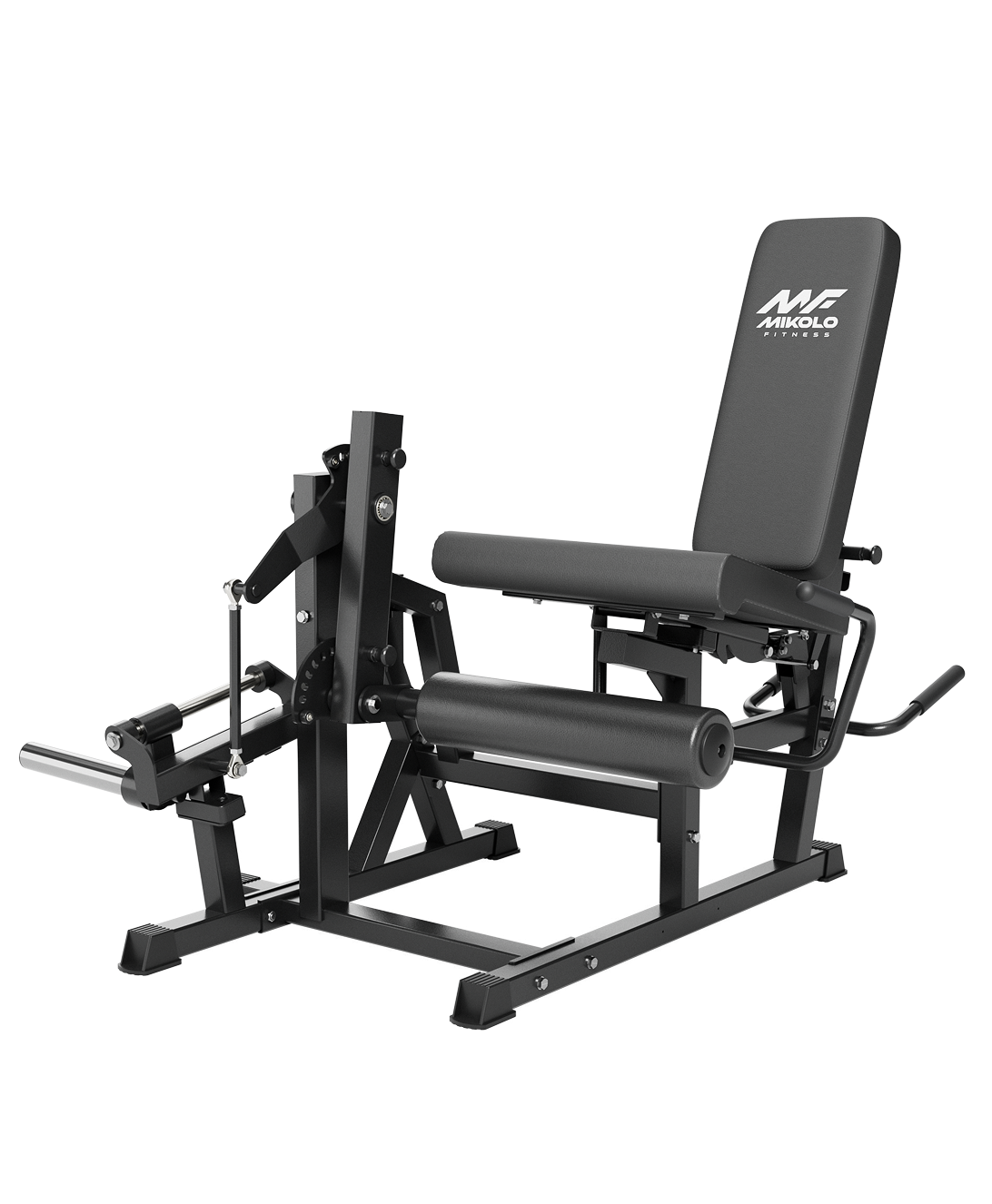
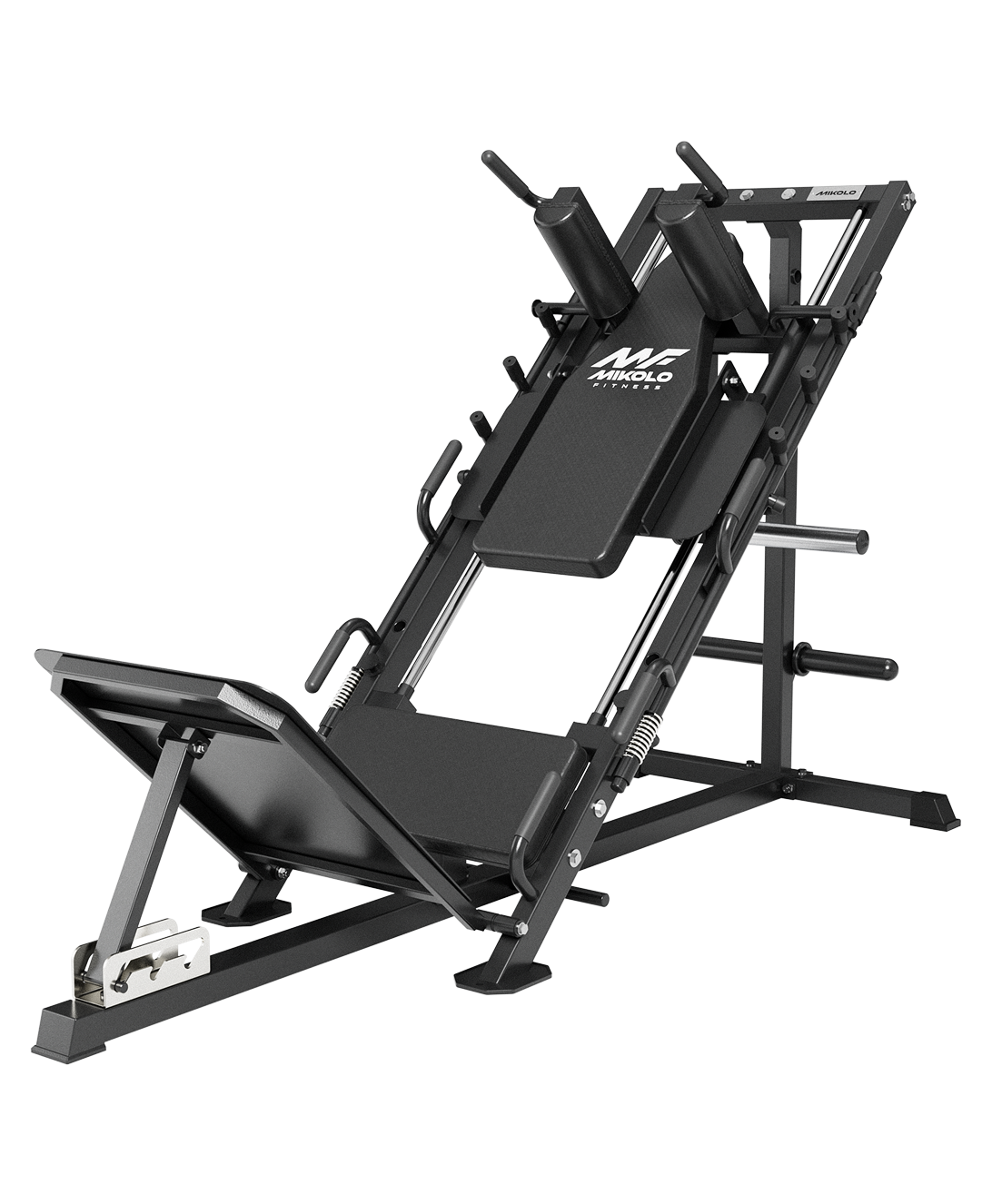


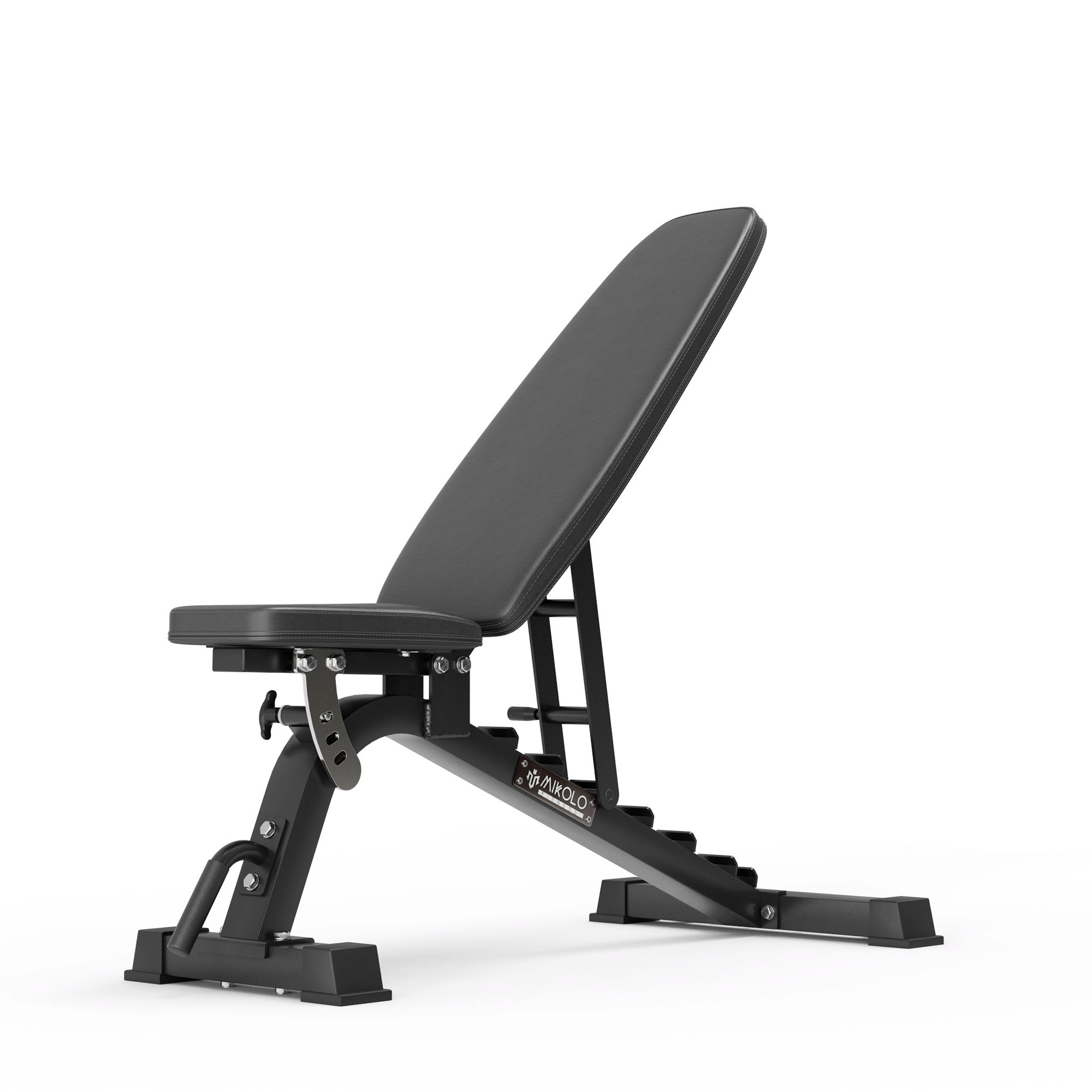
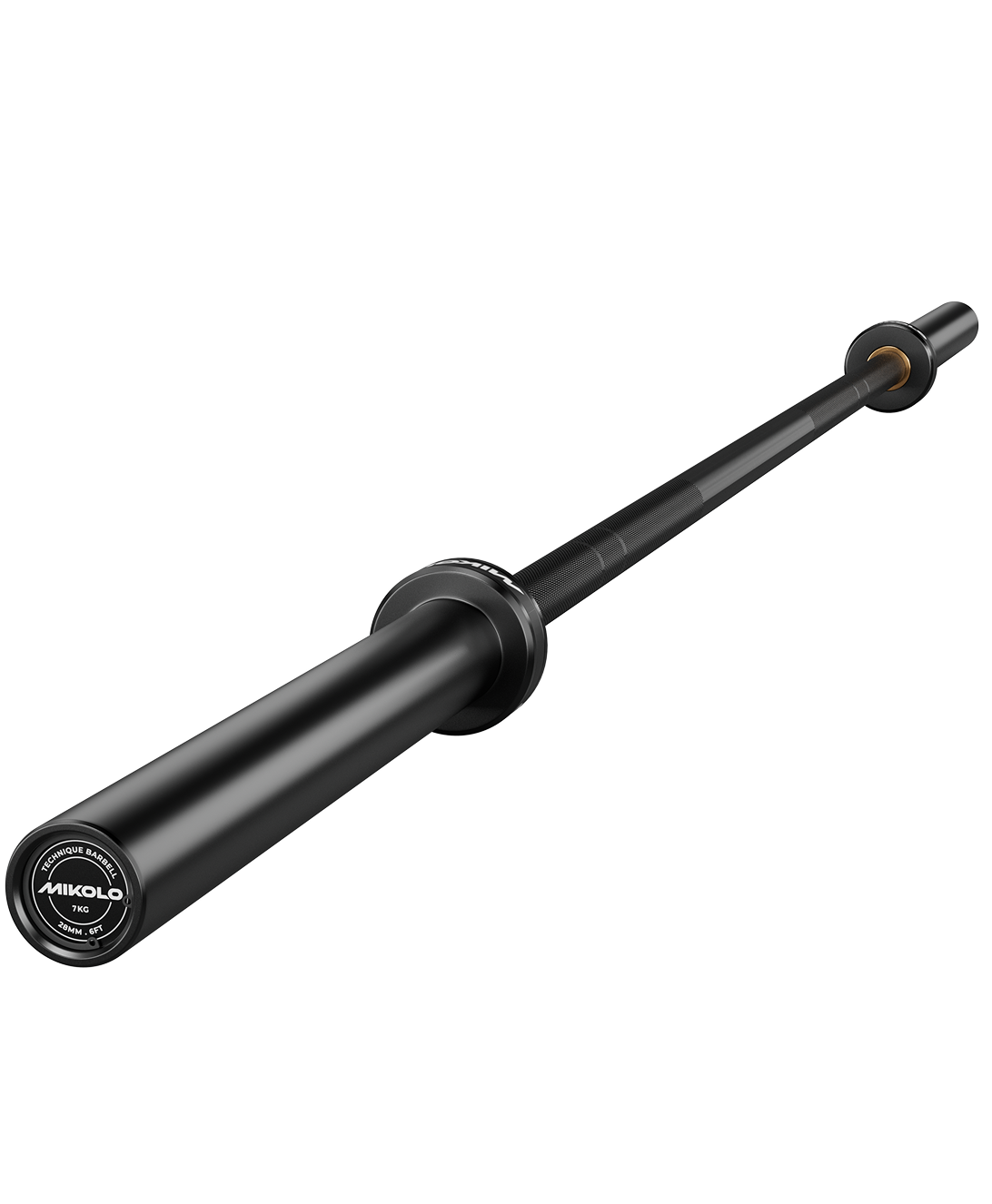




If you're looking to build strength, burn fat efficiently, and make the most of your time in the gym, focusing on the biggest muscle groups is the smartest move you can make. These powerhouses drive full-body performance, and when trained strategically, they stimulate massive metabolic and muscular returns.
What Are the Large Muscle Groups?
The body contains hundreds of muscles, but when it comes to efficient strength training, several major muscle groups carry most of the load:
-
Quadriceps (front thighs)
These are the primary movers in squats, lunges, and leg presses. They power your ability to run, jump, and climb stairs. -
Hamstrings and Glutes (back of legs and buttocks)
Crucial for hip extension and balance, these muscles are engaged in deadlifts, bridges, and step-ups. Strong glutes also support posture and lower back health. -
Back (lats, traps, rhomboids, erector spinae)
The back supports posture, pulling strength, and core stability. Rows, pull-ups, and deadlifts all target this area. -
Chest (pectoralis major and minor)
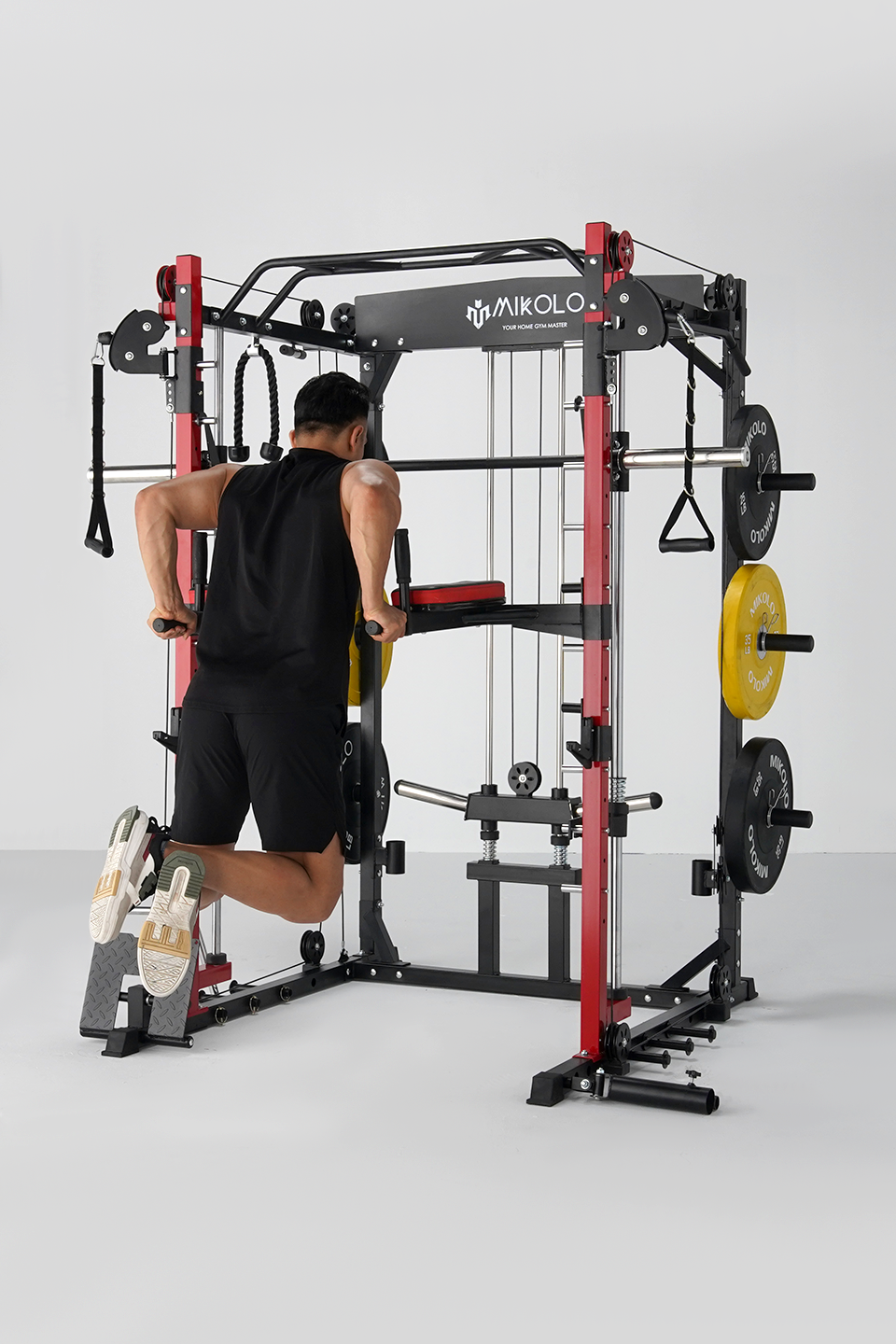
Responsible for pushing movements, like push-ups, bench presses, and dips. A strong chest helps with upper-body power and shoulder support. -
Shoulders (deltoids)
These connect many upper-body movements and are engaged during presses, raises, and overhead lifts. -
Core (abdominals and obliques)
Though not traditionally listed with “large” muscle groups, the core is central to all movement. Planks, rollouts, and compound lifts like squats activate this area.
Why Prioritize Large Muscle Groups?
Training large muscle groups yields multiple benefits:
-
Maximized calorie burn: These muscles demand more energy, helping with fat loss and metabolic efficiency.
-
Hormonal boost: Exercises like squats and deadlifts promote testosterone and growth hormone release.
-
Better athletic performance: Power and coordination improve when large muscle groups are strong and balanced.
-
Time efficiency: Compound movements (e.g., deadlifts, squats, rows) target several muscles at once.
A Personal Perspective
When I first started serious training, I made the mistake of isolating small muscles—biceps curls, triceps kickbacks, calf raises—while avoiding heavy compound lifts. My progress stalled. It wasn’t until I committed to training my back, legs, and chest with compound exercises that my strength and physique truly changed. My deadlift grew from 185 lbs to over 400 lbs in a year, and my posture and overall energy improved dramatically. The shift wasn’t just physical—it was foundational.
Sample Routine for Large Muscle Groups
| Day | Focus | Key Movements |
|---|---|---|
| Mon | Legs | Squats, Lunges, Leg Press |
| Wed | Back & Core | Deadlifts, Rows, Planks |
| Fri | Chest & Shoulders | Bench Press, Push-Ups, Overhead Press |
If you’re short on time, 2-3 full-body workouts each week focused on squats, deadlifts, and presses will yield the most bang for your buck.
Final Thoughts
Understanding and training the biggest muscle groups isn’t just for bodybuilders—it’s essential for anyone who wants strength, longevity, and better movement in everyday life. Train smart, train big, and the results will follow.


Leave a comment
This site is protected by hCaptcha and the hCaptcha Privacy Policy and Terms of Service apply.