















Parallel bars are one of the most iconic pieces of gymnastics equipment—synonymous with power, balance, and fluid motion. Whether you're a budding gymnast, a home gym enthusiast, or simply curious about incorporating p-bars into your routine, this guide will take you through everything you need to know about these bars—from gym-grade setups to home-friendly options.
What Are Parallel Bars?
Parallel bars consist of two wooden or fiberglass rails mounted on adjustable metal frames, set at a consistent height and width apart. They are primarily used in artistic gymnastics but have also become popular in functional fitness training, calisthenics, and physical therapy.
In gymnastics, the parallel bar apparatus challenges athletes to combine strength, swing control, and balance as they perform complex routines involving holds, swings, and transitions. In fitness settings, they’re often used for dips, L-sits, handstands, and bodyweight drills that build upper body and core strength.
My Journey with P-Bars: From Curiosity to Confidence
When I first started integrating parallel bars into my home training space, I was intimidated. My background was rooted in weight training, and the control gymnasts had on p-bars looked impossible. But after getting a compact set of parallel bars for my garage gym, I began with the basics—dip holds, knee raises, and eventually L-sits.
The results were undeniable: stronger shoulders, a tighter core, and a newfound sense of body control. The best part? These bars didn’t take up much space and quickly became the most versatile equipment in my setup.
Types of Parallel Bars for Gym Use
1. Gymnast Parallel Bars
Typically found in competitive gymnastics facilities, these bars are built to strict international standards. They offer full height adjustment, spring-loaded supports, and a stable frame for advanced swinging and flight elements. These are ideal for trained athletes and gymnastics programs.
2. Parallel Bar Gym Stations
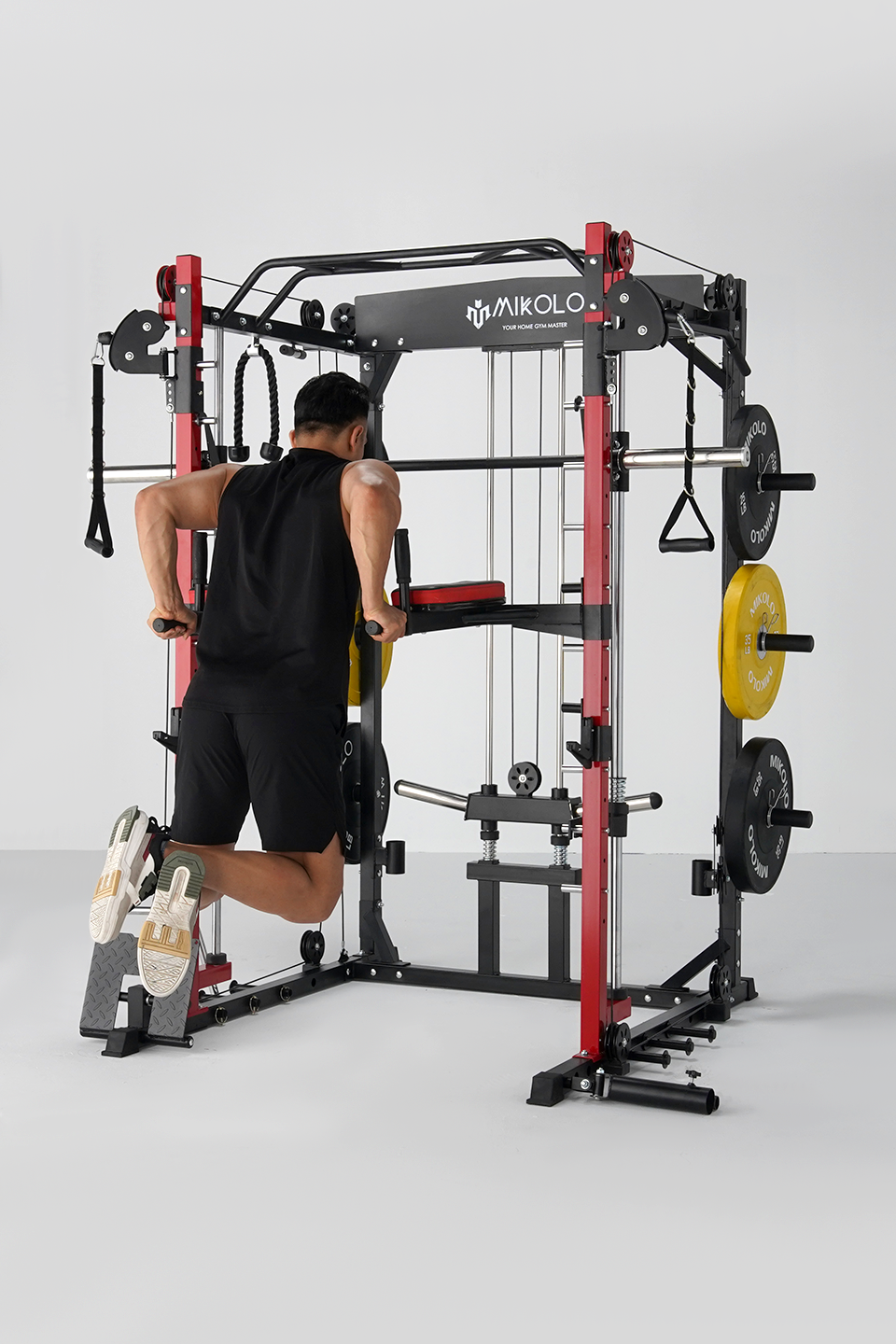
Commercial gym versions of p-bars are often more robust and lower in height, tailored for strength-focused training. They're a staple for calisthenics athletes who use them for dips, planches, and push-up variations.
3. P-Bars for Home
Home-use p-bars come in a variety of sizes—some foldable, others modular. Whether you're training gymnastics basics or just want a new tool for bodyweight workouts, these bars fit well in garages, basements, and even apartments.
Choosing the Right Parallel Bars
If you're considering adding a set to your space, here are a few tips:
-
Purpose: Choose gymnastics parallel bars if you're training skills like swings or handstands. Go for shorter parallel bar gym models if your goal is strength and conditioning.
-
Height Adjustability: Essential for growing athletes or families sharing equipment.
-
Stability: Look for a solid base that won’t wobble—especially if you plan on dynamic movements.
-
Portability: Foldable or lightweight models are best if space is limited.
Popular Uses for P-Bars
-
Gymnastics Training: Parallel bar routines are core to men’s artistic gymnastics, involving skills like back tosses, stutzes, and pirouettes.
-
Bodyweight Strength: Exercises like dips, tuck planches, and L-sits are go-to moves in calisthenics and functional training.
-
Rehabilitation: Physical therapists use parallel bars to help patients with balance, gait training, and controlled upper body support.
For Beginners Asking: “What Is a Parallel Bar?”
A parallel bar is a simple yet powerful tool. Two bars, set evenly apart, offering countless opportunities to build strength, balance, and coordination. Whether you're swinging through a gymnastics routine or holding your body weight in a static L-sit, parallel bars train more than just muscle—they train control.
Looking to Buy?
If you're ready to bring the experience home, there are many parallel bars for sale—from compact p-bars for home use to full-size gymnastics parallel bars. Whether it's for a young athlete, a calisthenics setup, or your first home gym station, there's a model out there to meet your goals.
Final Thoughts
Parallel bars aren't just for elite gymnasts. They're for anyone seeking mastery over their own body. They’re humbling at first—but with consistency, they become a symbol of progress. Add them to your training, and you’ll discover strength you didn’t know you had.


Leave a comment
This site is protected by hCaptcha and the hCaptcha Privacy Policy and Terms of Service apply.