













In the world of strength training, innovation often comes in the form of slight tweaks that make a big difference. One such evolution is the curved barbell—a piece of equipment that’s been steadily gaining traction among lifters looking for better joint alignment, more targeted muscle engagement, and overall improved biomechanics.
What Is a Curved Barbell?
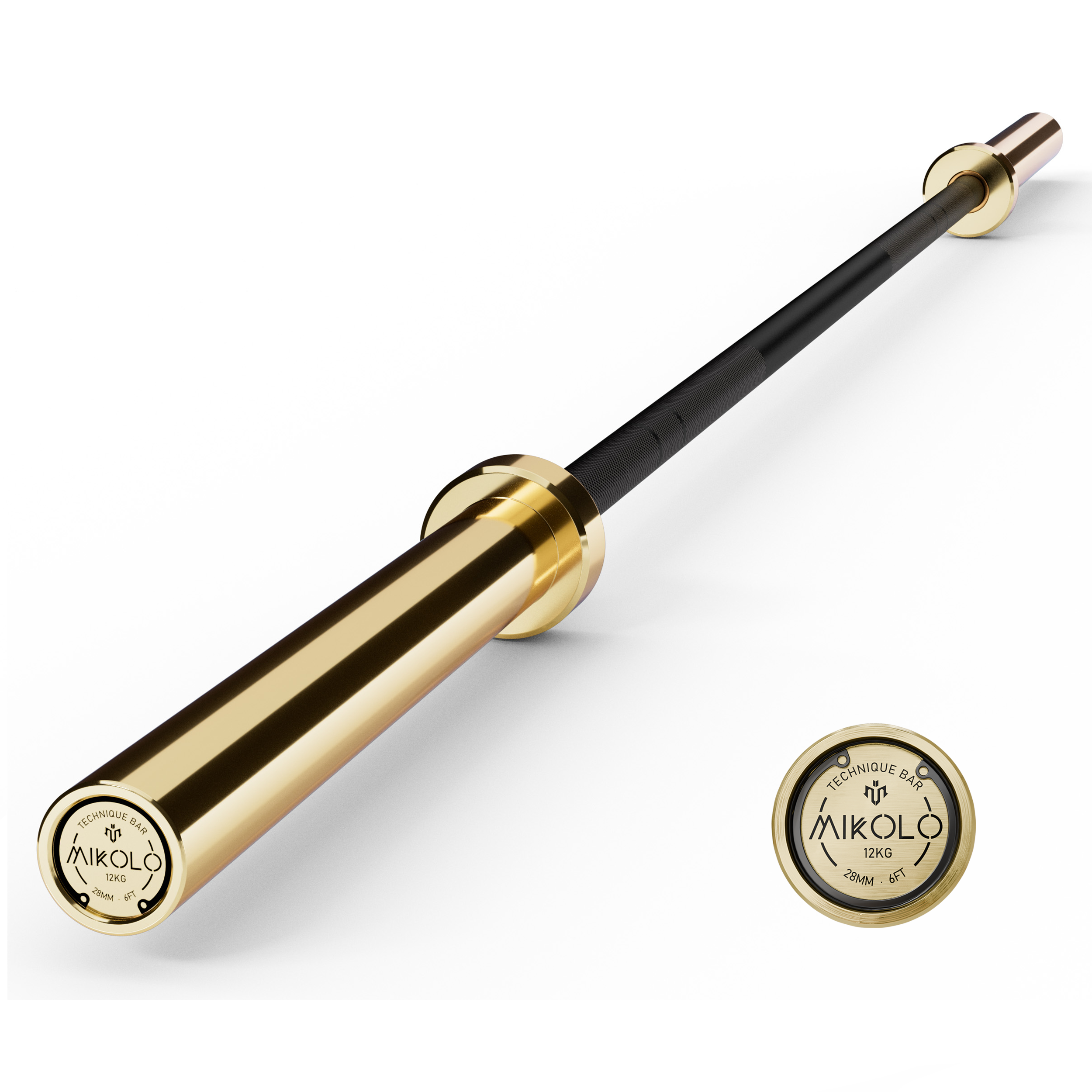
Unlike traditional straight bars, a curved barbell bar features a gentle arc or multiple bends along the shaft. While designs vary, the curve is generally intended to alter grip angles or bar positioning to reduce joint strain and improve the range of motion. You’ll most often see curved barbells used in specialty movements like bicep curls, bench presses, and tricep extensions—but they’re starting to find a place in compound lifts too.
Benefits of Using a Curved Barbell in the Gym
Incorporating a curved barbell in your gym setup offers several distinct advantages:
-
Wrist and Elbow Comfort
The curved design naturally positions your hands and wrists in a more ergonomic angle during lifts like curls or skull crushers, reducing stress on joints and tendons. -
Improved Muscle Targeting
During isolation exercises, the altered grip can enhance activation in muscles like the biceps, triceps, or even the pecs—especially for lifters who’ve plateaued with straight-bar movements. -
Versatile Movement Patterns
In some lifts, like close-grip bench presses or reverse curls, the curve creates a new path of resistance, forcing the stabilizing muscles to work harder and promoting more balanced development. -
Joint-Friendly Progression for Older or Injured Lifters
A curved barbell can be a game-changer for those with a history of shoulder or elbow issues. It provides a way to keep training intensely without exacerbating pain or inflammation.
Curved Barbells for Weightlifting: A Niche Tool for Serious Gains
Though you won’t find it on every Olympic platform, the curved barbell in weightlifting is making a name for itself in accessory training. For example, using a curved bar in bent-over rows or Romanian deadlifts offers subtle shifts in wrist position and muscle tension. This can be especially helpful for advanced lifters looking to address imbalances or reinforce movement patterns that complement their main lifts.
For bodybuilders, it’s also a solid choice for arm hypertrophy work. The unique grip angles can isolate the brachialis or long head of the triceps more effectively than traditional bars.
My Experience: From Skeptic to Believer
I was first introduced to the curved barbell in a small garage gym that catered to older lifters and athletes recovering from injury. At the time, I was dealing with persistent elbow pain that flared up during heavy curls and close-grip bench presses. A coach handed me a cambered barbell and told me to give it a shot.
To my surprise, the pain didn’t show up—and even better, I felt a deeper contraction in the target muscles. Within weeks, my accessory lifts improved, and I was able to push harder in my main workouts without aggravating my joints. Since then, I’ve made curved bars a regular part of my rotation, especially on arm and chest days.
Should You Add a Curved Bar to Your Gym?
If you’re building a home gym or upgrading your commercial facility, a curved bar gym setup can offer a meaningful boost in both versatility and member satisfaction. It’s a relatively low-cost addition with high return—especially for lifters looking to train hard while protecting their joints.
For beginners, it can help establish better form from the start. For intermediate and advanced athletes, it adds variety and can spark new gains. And for anyone recovering from overuse injuries, it may be the key to staying strong without setback.


Leave a comment
This site is protected by hCaptcha and the hCaptcha Privacy Policy and Terms of Service apply.