













When starting a strength training program or simply aiming to understand how your body works, it's crucial to know the major muscle groups. These foundational muscles not only support movement but also contribute to posture, balance, and overall physical health.
What Are the Major Muscle Groups?
There are five primary muscle groups in the human body, each encompassing multiple muscles that work together to produce movement. These groups are:
-
Chest (Pectorals)
-
Back (Latissimus Dorsi, Trapezius, Rhomboids)
-
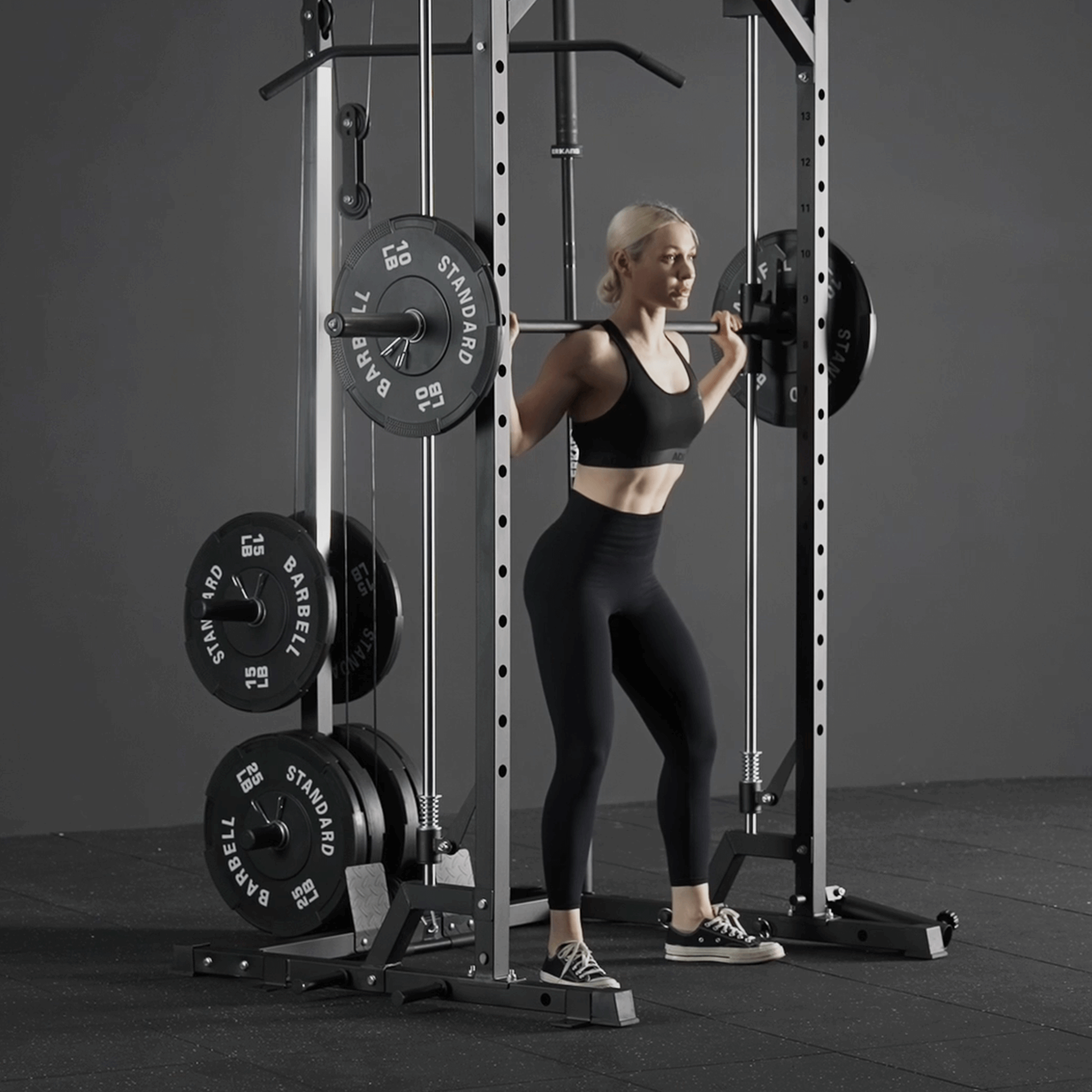
Legs (Quadriceps, Hamstrings, Glutes, Calves)
-
Shoulders (Deltoids)
-
Arms (Biceps and Triceps)
Each of these groups contains multiple individual muscles, but they’re typically trained as one unit because of how they function during common exercises.
The 5 Major Muscle Groups Explained
1. Chest (Pectorals)
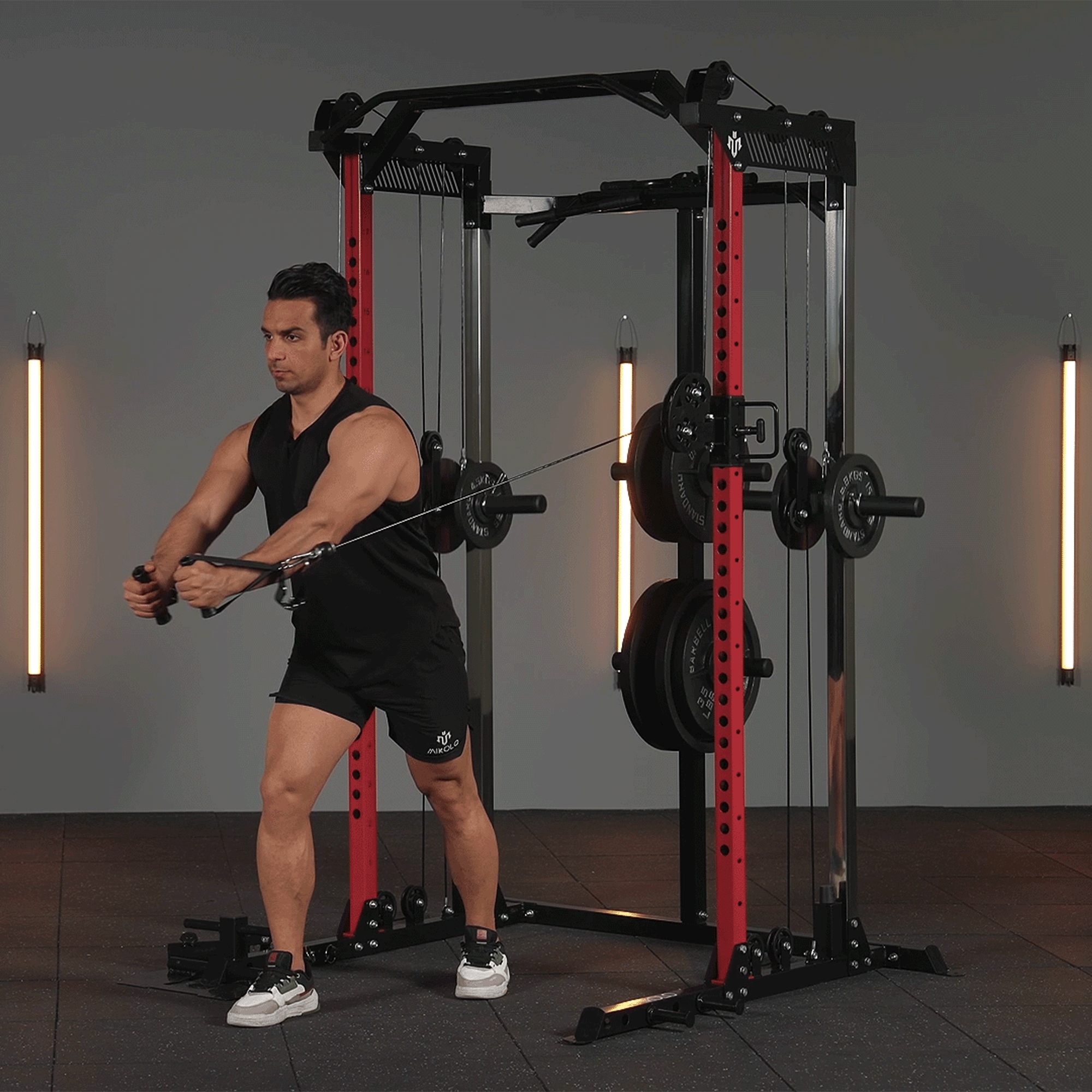
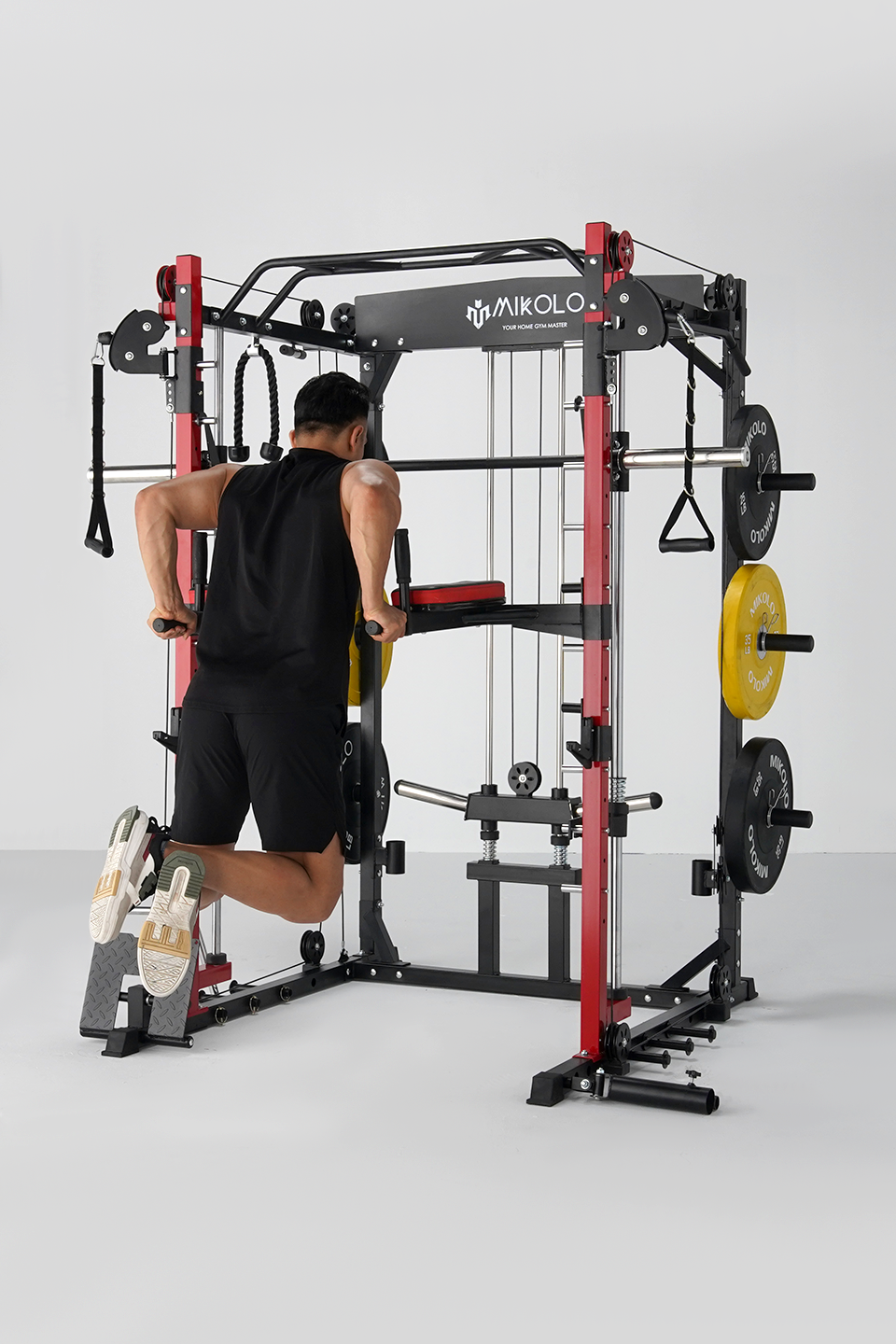
The chest is powered mainly by the pectoralis major and minor. These muscles are responsible for pushing movements such as push-ups, bench presses, and dips.
2. Back
The back includes large muscles like the latissimus dorsi (or “lats”), which help with pulling motions. The trapezius and rhomboids assist in posture and scapular movement. Together, they form one of the largest and most powerful areas of the body.
3. Legs
Your legs consist of several strong and large muscles:
-
Quadriceps (front thigh): extend the knee.
-
Hamstrings (back thigh): bend the knee.
-
Gluteus maximus (buttocks): essential for hip extension and posture.
-
Calves (gastrocnemius and soleus): involved in ankle movement and stability.
Leg day isn’t just a gym cliché—it’s vital for full-body strength and mobility.
4. Shoulders (Deltoids)
The deltoid muscle caps the shoulder and has three heads (front, lateral, rear), enabling a wide range of arm movements. Neglecting any part of the deltoid can lead to imbalances or injury.
5. Arms
This group includes the biceps, responsible for curling motions, and triceps, crucial for extending the elbow. Strong arms support both pushing and pulling exercises.
Supporting Muscle Groups
Beyond the main five, other important muscles include:
-
Core (abdominals and obliques) – Stabilize the spine and aid nearly every movement.
-
Forearms – Key for grip strength.
-
Hip flexors – Often tight in sedentary individuals, but essential for leg movement.
These aren't always listed among the "major" groups but play an integral role in functional strength and injury prevention.
How Many Muscle Groups Are There?
If you're counting from a training perspective, there are roughly 5–7 key muscle groups that most programs address. Scientifically, the body contains over 600 muscles, but they work together in systems or groups, making it more practical to focus on about a dozen during fitness planning.
Some programs divide training into:
-
3 groups: push, pull, and legs
-
4 groups: chest, back, legs, arms
-
5 or more: breaking down shoulders and core separately, for instance
Why Understanding Muscle Groups Matters
Knowing how your muscles are grouped helps in designing balanced workout routines. It prevents overtraining certain areas while neglecting others and allows for proper recovery between sessions.
My Own Journey
When I first began lifting weights, I focused too heavily on chest and arms—classic “mirror muscles.” My posture suffered, and I developed nagging shoulder pain. It wasn’t until I started programming balanced workouts across all major muscle groups—especially back and legs—that I saw real, sustainable progress. My strength improved, I stood taller, and I stopped getting injured every few months. That shift changed everything for me, and I’ve seen it do the same for many others.
Final Thoughts
Whether you're a beginner or experienced athlete, understanding the major muscle groups of the body is essential. Train them all with purpose and balance. Progress doesn’t come from working harder—it comes from working smarter. Prioritize structure, allow recovery, and give every group the attention it deserves. That’s how strength is truly built.


Leave a comment
This site is protected by hCaptcha and the hCaptcha Privacy Policy and Terms of Service apply.