






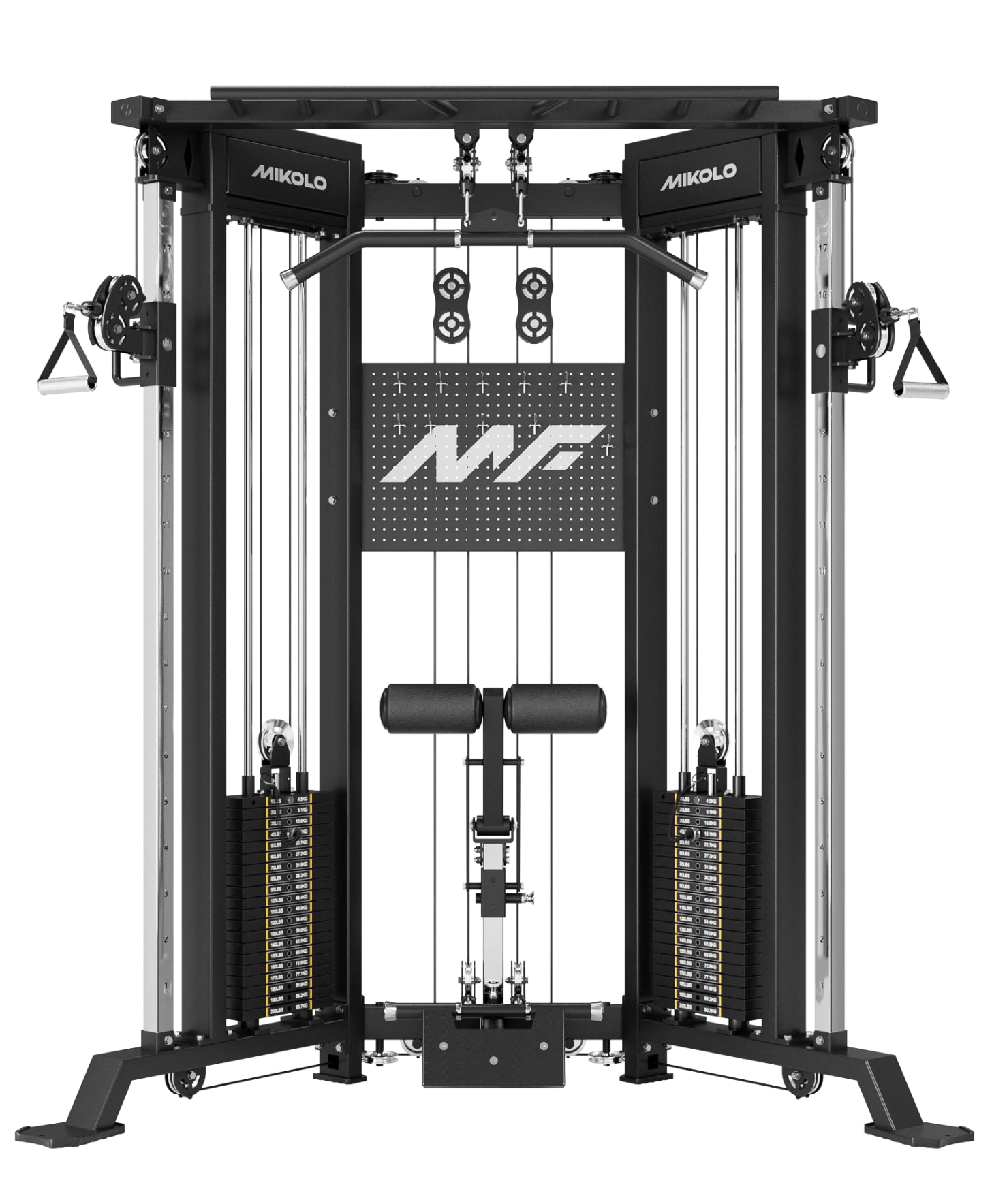
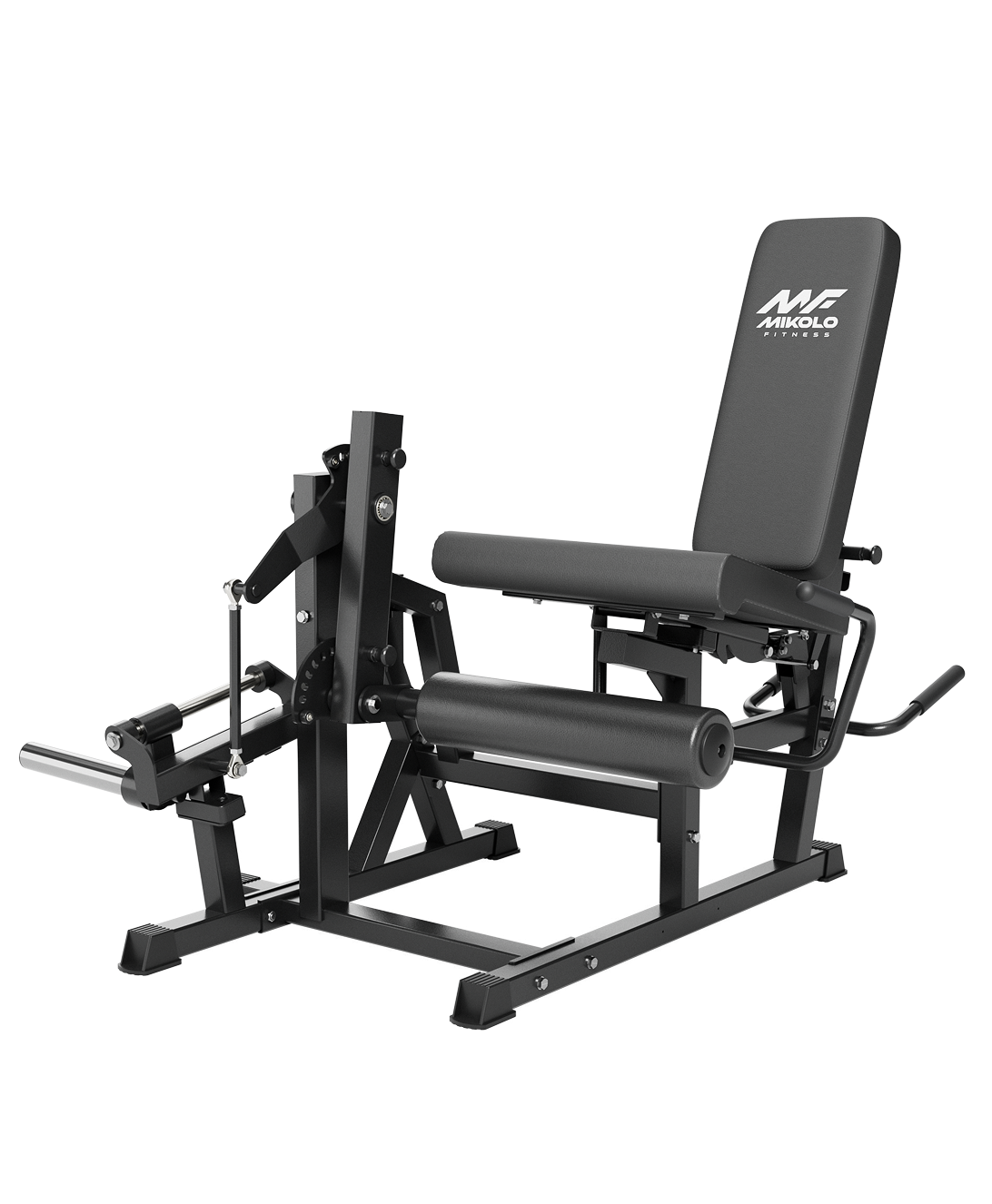
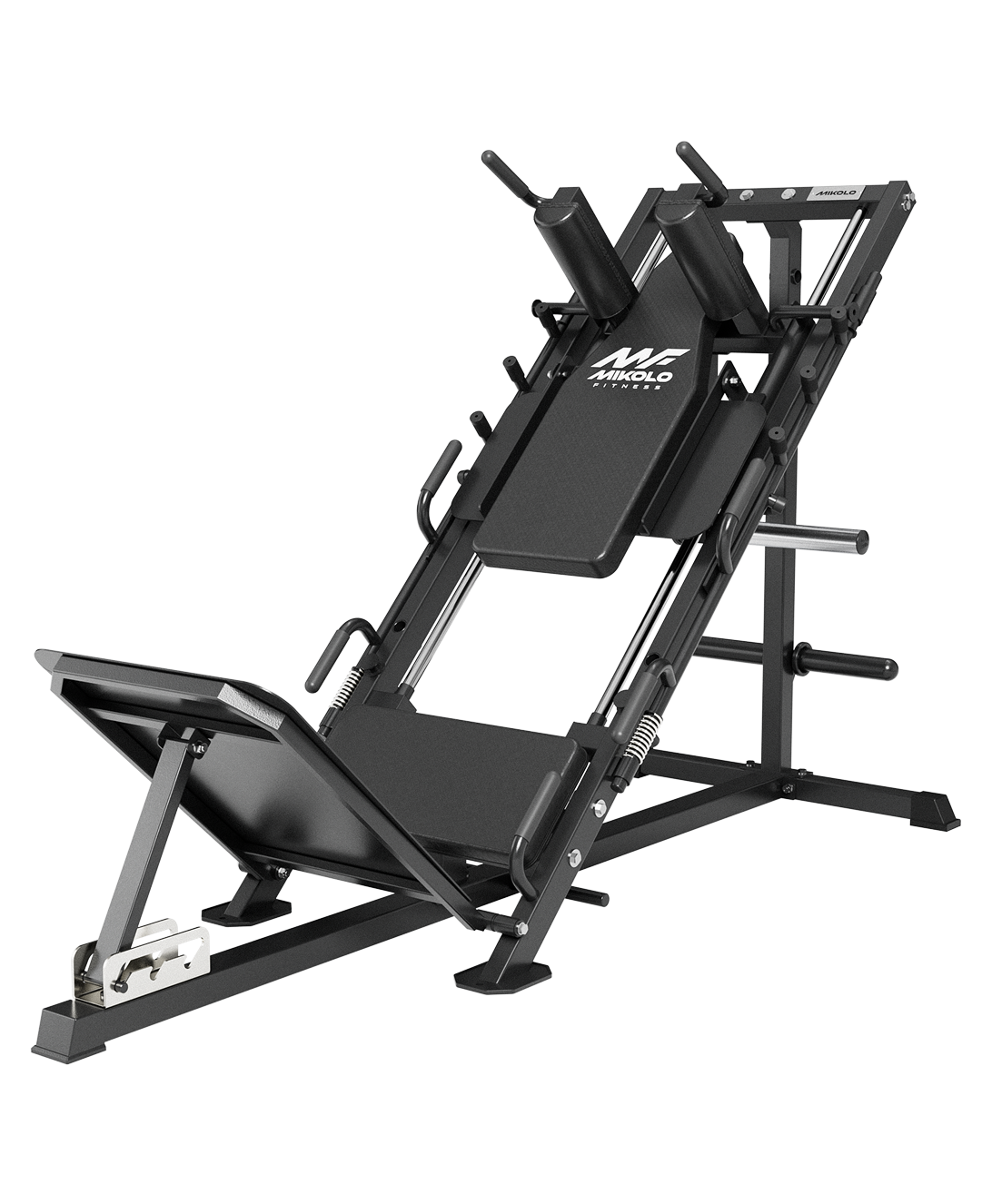
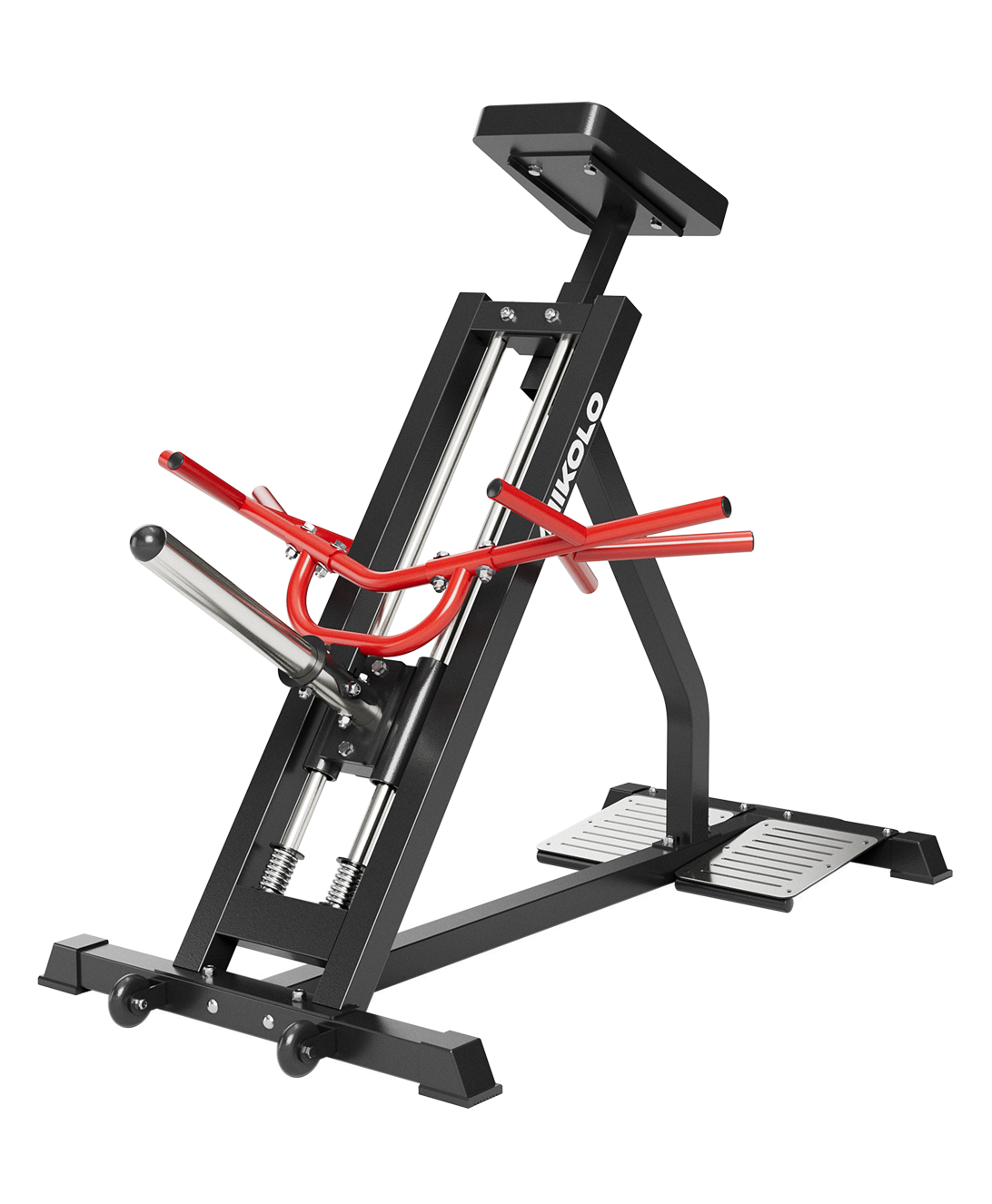













If you're looking to build strength, gain muscle, and stay consistent without living in the gym, a well-structured full body weight training routine might be the key. Whether you're a busy professional, a fitness enthusiast, or just getting started with lifting, this kind of training program delivers results across every major muscle group in a single session—efficient, effective, and sustainable.
Why Choose a Full Body Workout Routine?
Full body strength training routines activate all major muscle groups in one workout, typically 3–4 times per week. This structure allows enough recovery between sessions while maximizing training volume over the week. Instead of isolating body parts like in a split routine (e.g., chest day, leg day), full body programs hit everything—legs, back, chest, arms, and core—providing better hormonal response, calorie burn, and functional strength.
Core Benefits
-
Efficient Time Use – Perfect for those with limited time who still want complete training coverage.
-
Increased Frequency – Each muscle group is trained multiple times a week for better growth.
-
Improved Recovery – By balancing training intensity and rest, you avoid overtraining.
-
Functional Strength – Great for improving athleticism, posture, and daily movement patterns.
The Structure of a Total Body Workout Routine
A complete full body weight training workout should include:
-
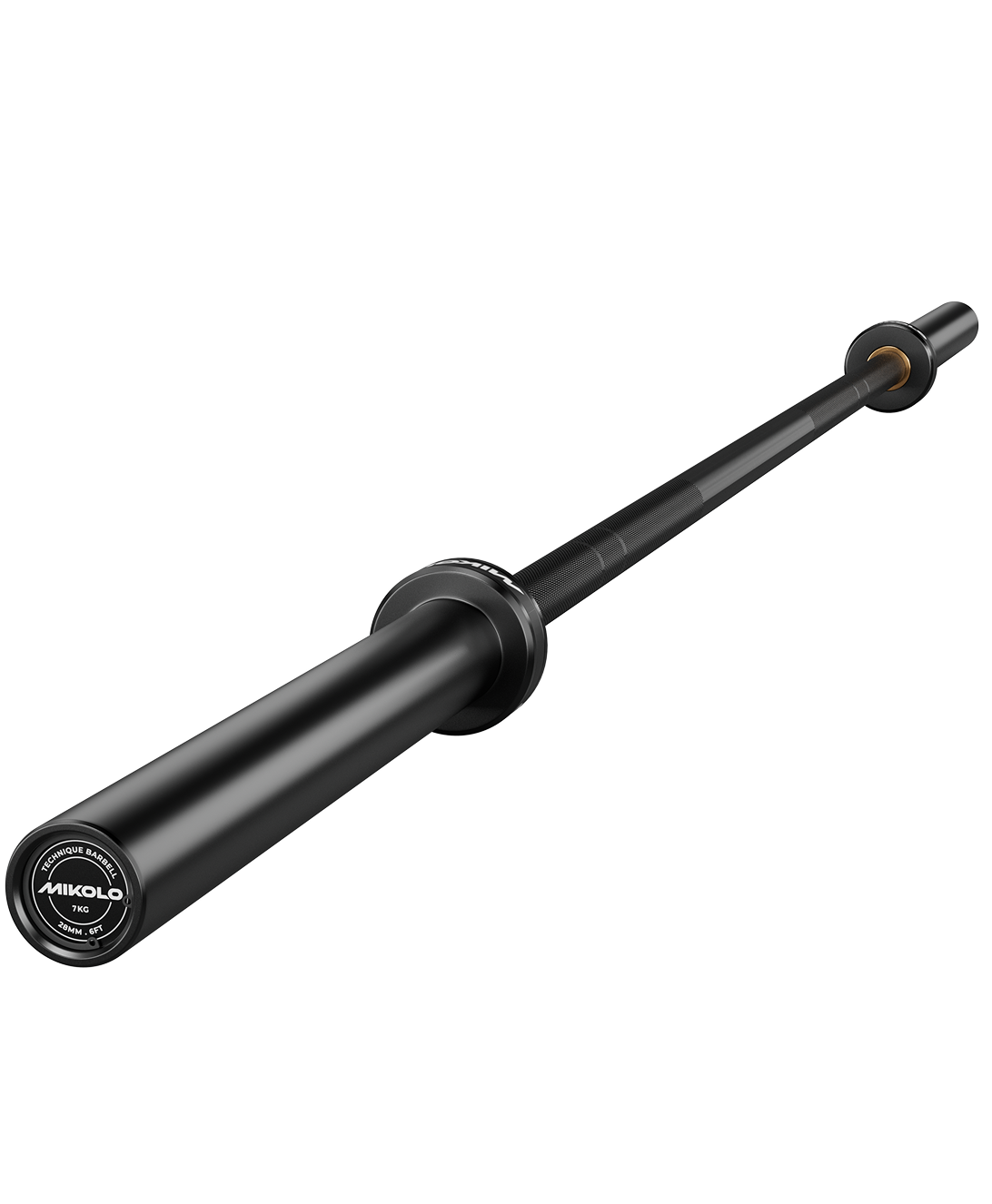
Compound Movements: These are multi-joint lifts like squats, deadlifts, bench presses, and rows. They form the backbone of your routine.
-
Push + Pull Balance: For every pressing movement (like overhead presses), there should be a pulling movement (like chin-ups or rows).
-
Leg + Upper Body Work: Ensure every session includes both lower and upper body exercises.
-
Core Integration: Planks, ab rollouts, or loaded carries are great for building stability.
-
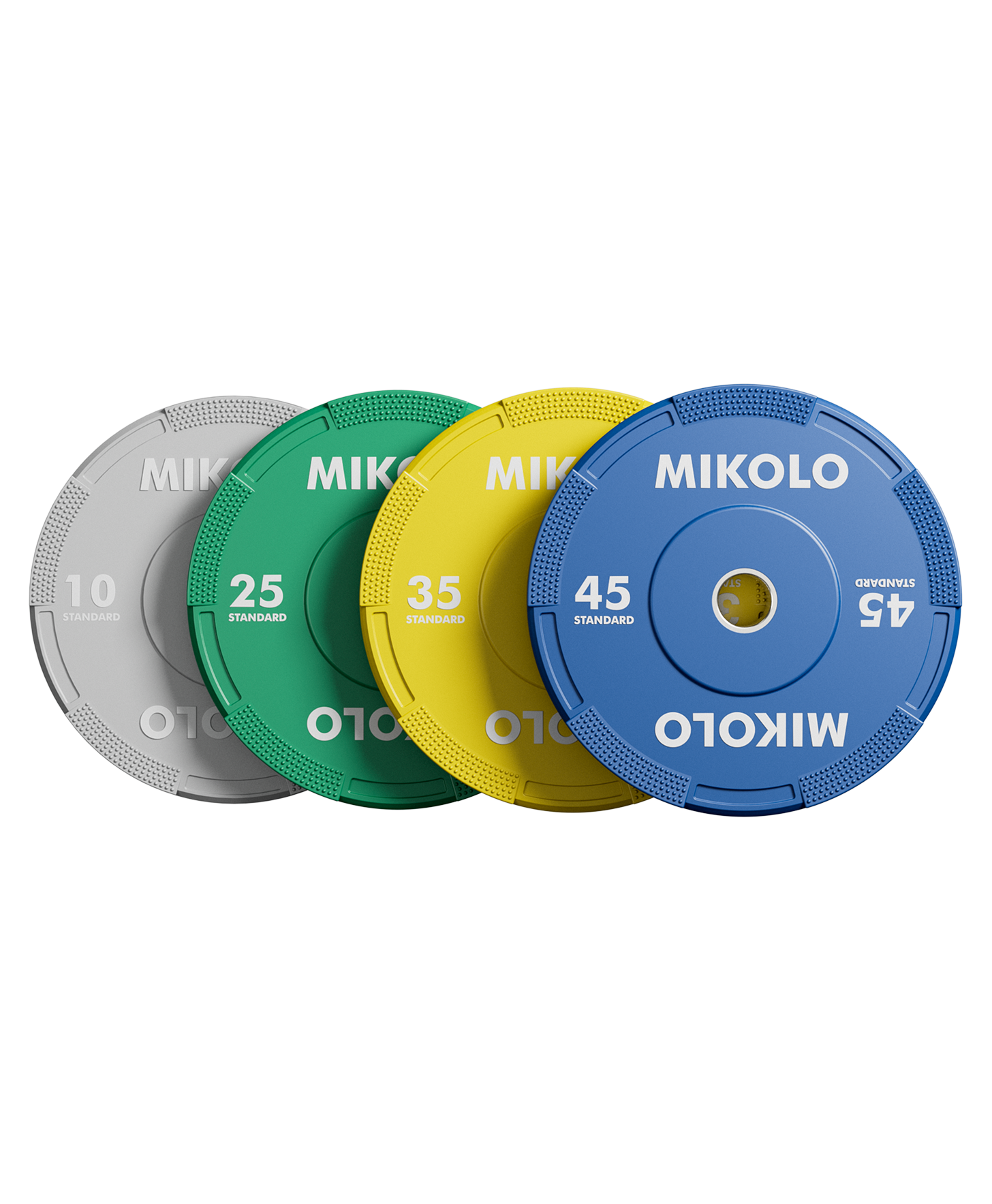
Progressive Overload: Gradually increasing the weight or reps each week keeps you progressing.
Sample Full Body Weight Training Schedule (3 Days/Week)
Day 1 – Strength Focus
-
Back Squat – 4x5
-
Barbell Bench Press – 4x5
-
Barbell Row – 3x8
-
Hanging Leg Raise – 3x12
Day 2 – Hypertrophy Focus
-
Deadlift – 3x6
-
Dumbbell Incline Press – 3x10
-
Chin-Ups – 3xMax
-
Dumbbell Lateral Raise – 3x15
-
Cable Crunch – 3x15
Day 3 – Power/Volume
-
Front Squat – 3x8
-
Overhead Press – 3x8
-
Dumbbell Row – 3x10
-
Romanian Deadlift – 3x12
-
Weighted Plank – 3x30 sec
This whole body weightlifting routine balances intensity and volume to promote both muscle growth and strength development.
My Journey with Full Body Training
I started with split routines like most beginners—chest on Monday, legs on Thursday (if at all). But life got busier, and skipping a day meant missing an entire muscle group. Switching to a full body lifting routine was a game changer. It kept me consistent, made my training more well-rounded, and allowed me to push hard without burning out. I started seeing better progress with less time in the gym.
Customizing Your Full Body Strength Training Program
-
Beginners: Start with 2–3 sessions/week. Stick to basic barbell or machine lifts.
-
Intermediate Lifters: Use 3–4 workouts/week with variation in rep ranges.
-
Advanced Lifters: Incorporate periodization (cycling intensity and volume) and specialized accessory work.
A Full Body Workout List to Get You Started
-
Squat variations (back, front, goblet)
-
Deadlifts (conventional, Romanian, trap bar)
-
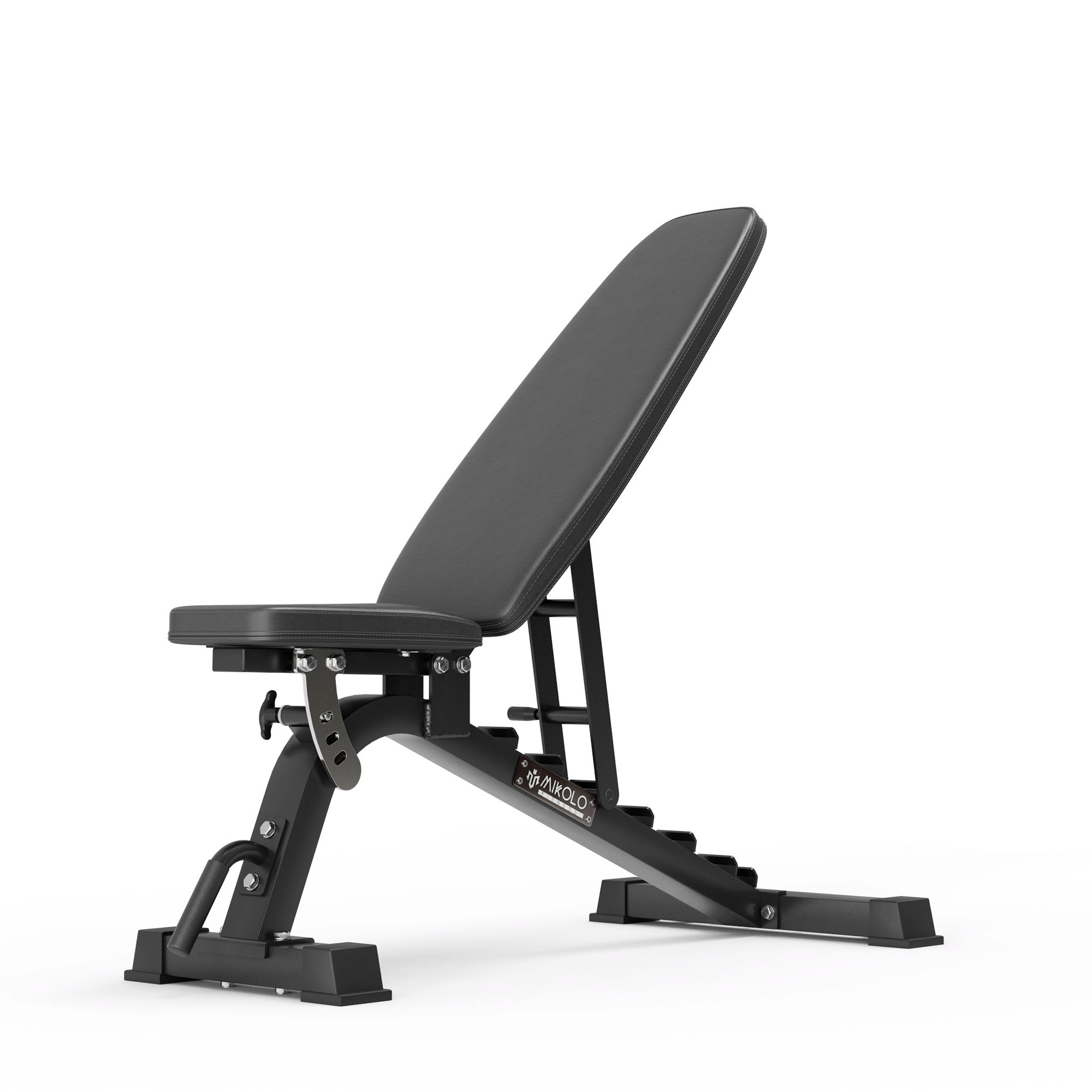
Bench press (flat, incline, dumbbell)
-
Overhead press
-
Pull-ups / Chin-ups
-
Rows (barbell, dumbbell, cable)
-
Planks, ab wheels, hanging leg raises
-
Loaded carries (farmer’s walk, suitcase carry)
This list forms the foundation of nearly any full body weight lift routine that delivers long-term results.
Final Thoughts
If your goal is overall strength, lean muscle, and lasting results, adopting a full-body strength workout program is a smart move. It’s adaptable, scalable, and proven to work across training ages and goals. Whether you're lifting at home or in a gym, this approach can help you stay consistent, push harder, and build a strong, capable body from head to toe.


Leave a comment
This site is protected by hCaptcha and the hCaptcha Privacy Policy and Terms of Service apply.