Steady state cardio involves maintaining a consistent, moderate intensity for an extended period. It’s the opposite of high intensity interval training (HIIT) and is ideal for anyone looking to improve cardiovascular health, increase endurance, and burn fat. This guide will help you understand what steady state cardio is, its benefits, and how to get started.
Key Takeaways
-
Steady state cardio is a low-impact exercise done at a consistent pace, ideal for improving endurance and cardiovascular health.
-
Regular steady state training helps in fat utilization, weight management, and offers a low risk of injury compared to high-intensity workouts.
-
Diverse activities such as brisk walking, cycling, and swimming can be part of a steady state cardio routine, making it accessible for all fitness levels.
What is Steady State Cardio?
Steady state cardio refers to cardiovascular exercise performed at a consistent level of effort for an extended period, illustrating how steady state cardio can effectively improve endurance.
Unlike high intensity interval training (HIIT training), which involves short bursts of intense exercise activity, steady state training maintains a moderate pace throughout the session.
This type of workout includes activities like:
-
brisk walking
-
jogging
-
cycling
-
hiking
-
dancing
All done at a level where you can sustain the effort for 30 minutes or more.
The key feature of steady state cardio is its consistent, even effort. From the moment you start your workout until you finish, the training intensity remains steady. This makes it an accessible option for individuals of all fitness levels, from beginners to seasoned athletes. Whether you’re looking to improve cardiovascular health, increase endurance, or simply enjoy a low-impact workout, steady state cardio fits the bill.
Maintaining a steady pace allows your body to efficiently use oxygen to fuel your muscles, enhancing aerobic fitness. This form of exercise also allows for better fat utilization, making it a great choice for those aiming to burn fat and lose weight. Now, let’s delve deeper into how steady state training works and the common activities you can engage in.
How Steady State Training Works
Steady state training works by keeping your heart rate within a target zone, typically 60-70% of your maximum heart rate. Calculate your maximum heart rate by subtracting your age from 220. For instance, a 30-year-old would have a maximum heart rate of 190 beats per minute (bpm), with a target heart rate for steady state cardio between 114 and 133 bpm. This range ensures you’re working at a moderate intensity level, where you can sustain the activity for at least 30 minutes.
One of the main benefits of steady state cardio is its accessibility. This method suits individuals of all ages and fitness levels. Beginners can start with low-intensity activities like walking or gentle cycling to ease into the routine. As you progress, you can gradually increase the duration and intensity of your workouts, enhancing your energy efficiency and improving your ability to utilize stored fats for energy.
Activities that qualify as steady state cardio include long-distance running, swimming at a steady pace, and using a rowing machine. These exercises not only increasing cardiac output, delivering more oxygen to your muscles, but also help in building endurance and stamina over time. With regular practice, you’ll notice improvements in your overall aerobic capacity and energy levels.
Common Steady State Cardio Activities
When it comes to steady state cardio, the options are plentiful. Walking is one of the simplest and most effective low-intensity cardio workouts. Whether you prefer a leisurely stroll in the park or an easy hike, walking at a steady pace can significantly improve your cardiovascular health without putting too much strain on your joints.
Cycling is another excellent choice for steady state training. Whether you’re on a bike ride or cycling outdoors, maintaining a consistent moderate pace helps improve your aerobic fitness through aerobic training and builds leg strength.
Swimming is a fantastic low-impact option for those who enjoy being in the water. Swimming at a moderate intensity level, particularly using the breaststroke, can help maintain a lower heart rate while providing a full-body workout.
Dance fitness classes, such as Zumba or aerobic dance, also qualify as steady state cardio when performed at a consistent pace. These classes are not only fun but also effective in improving cardiovascular health and burning calories.
Additionally, using a rowing machine can provide an excellent full-body workout, helping to increase endurance and muscle strength. The key is to choose activities you enjoy, making it easier to stay consistent and motivated.
Health Benefits of Steady State Cardio
Steady state cardio offers numerous health benefits, making it a valuable addition to any exercise program. One of the primary benefits is its positive impact on cardiovascular health. Engaging in regular aerobic exercise significantly enhances heart health, improves circulation, and reduces the risk of cardiovascular diseases. This type of exercise is also low-impact, making it suitable for individuals of all fitness levels, including beginners, older adults, and those with cardiac issues.
Another advantage of steady state cardio is its low risk of injury compared to high-intensity workouts. This makes it a sustainable option for long-term exercise routines. Additionally, steady state training promotes recovery and endurance, making it an excellent choice for active recovery days.
Whether you’re looking to improve your fitness levels, manage weight, or simply enjoy a low-impact workout, steady state cardio provides a safe and effective solution.
Improved Cardiovascular Health
Steady state cardio is a powerful tool for improving cardiovascular health. Maintaining a moderate pace during workouts strengthens the heart muscle, improves circulation, and reduces the risk of cardiovascular diseases such as heart disease and hypertension. Regular engagement in steady state workouts helps increase cardiac output, ensuring that oxygen is efficiently delivered to your muscle cells.
Engaging in steady state cardio can significantly reduce the likelihood of developing cardiovascular diseases. This form of exercise is particularly beneficial for those looking to manage their heart health and improve overall cardiovascular efficiency. Incorporating steady state cardio into your exercise routine improves heart health and enhances overall fitness levels.
Enhanced Aerobic Capacity
Steady state cardio is a fantastic way to enhance your aerobic capacity. This type of exercise, sustained over extended periods, helps improve stamina and endurance, allowing you to perform physical activities for longer without fatigue. One of the key benefits is the increase in the number of mitochondria in muscle cells, which enhances muscle endurance and is essential for extended workouts.
Engaging in low-intensity exercise during recovery days can also promote blood flow to muscles, facilitating faster recovery and further improving endurance. The ability to utilize energy more effectively over longer periods translates into better performance in daily physical activities, making steady state cardio a valuable addition to your fitness routine.
Mental Health Boost
Beyond physical benefits, steady state cardio also offers many benefits related to mental health and can help manage various health conditions. Participating in steady-state cardio can trigger the release of endorphins, which enhance mood and overall wellbeing, aligning with principles of lifestyle medicine.
To maintain motivation during steady state cardio, consider using engaging media such as music or podcasts. This not only makes the workout more enjoyable but also helps in maintaining consistency and achieving long-term fitness goals.
Weight Management and Fat Loss
Steady state cardio is an effective tool for weight management and fat loss. Maintaining a consistent level of exertion over time with steady state training helps create a calorie deficit, essential for weight loss. This encourages the body to utilize stored fat for energy, making it an excellent option for those looking to burn fat and lose weight. When combined with a balanced diet, steady state cardio contributes to overall weight management and helps achieve sustainable fat loss.
In addition to weight loss, steady state cardio also helps improve cardiovascular health, increase endurance, and enhance overall fitness levels. By incorporating steady state cardio into your exercise routine, you can achieve your fitness goals and maintain a healthy lifestyle.
Calorie Burn and Metabolism
Engaging in steady state cardio can lead to an increase in overall daily calorie expenditure. However, as your body becomes more efficient at steady cardio, it may burn fewer calories over time, leading to a potential plateau in weight loss. It’s important to vary your workouts and combine steady state cardio with other forms of exercise to prevent this plateau and continue achieving your fitness goals.
While steady state cardio is effective for burning calories, it’s worth noting that prolonged cardio sessions can sometimes slow metabolism, making weight loss harder in the long run. Additionally, the calorie burning effect stops shortly after exercising, unlike some high-intensity workouts that can continue to burn calories post-exercise. Therefore, maintaining a balanced exercise program is crucial for optimal results.
Sustainable Fat Loss
Sustainable fat loss is one of the key benefits of steady state cardio. Engaging in sustained periods of steady state training effectively mobilizes fat stores for energy. Studies have shown that both steady state cardio and HIIT are equally effective for fat burning, making steady state a viable option for those seeking long-term results.
Steady state cardio plays a crucial role in achieving sustainable fat loss by encouraging the body to utilize stored fat as energy during exercise, which is essential for burning fat. Incorporating steady state cardio into your fitness regimen can promote greater fat loss sustainability over time, helping you achieve and maintain your fitness goals.
Incorporating Steady State Cardio into Your Routine
Incorporating steady state cardio into your routine can be straightforward and enjoyable. A steady state cardio session should ideally last at least 20 minutes to be effective. You can perform steady state training on various equipment, such as treadmills and stationary bikes. Setting a consistent workout schedule significantly improves adherence to your cardio routine.
Steady state cardio helps build a solid aerobic base, which is essential for improving overall endurance. Additionally, it can aid in recovery after high-intensity training and improve recovery time.
Let’s explore some practical ways to start incorporating steady state cardio into your routine.
Starting Small and Building Up
When starting a new exercise program, it’s vital to start small and gradually build up. Beginners should start with short exercise sessions to avoid burnout and injury. It is recommended to begin with sessions lasting between 5 to 15 minutes and gradually increase the duration as your fitness level improves. Consistency is crucial for achieving benefits from cardio training.
By starting with manageable sessions and slowly increasing the duration, you can build a sustainable exercise routine that fits your lifestyle. This approach helps in preventing overtraining and ensures long-term adherence to your fitness goals as a conditioning coach.
Mixing with Other Workouts
Variety in your exercise program is essential to prevent a plateau in performance and enhance overall fitness. Including two full-body strength workouts alongside steady state cardio and interval sessions is beneficial for a balanced routine. This combination helps improve muscle endurance and ensures a well-rounded fitness regimen.
Incorporating different types of cardio, such as high intensity interval training (HIIT) and steady state training, can enhance performance and keep workouts engaging. This variety not only prevents workout monotony but also helps in targeting different muscle groups, improving overall strength and endurance.
Sample Workout Plan
Creating a sample workout plan can help you stay on track and achieve your fitness goals. For effective general fitness and fat loss, aim for three to five low-intensity steady state sessions weekly, each lasting between 30 to 60 minutes. Consistency is key, so setting a regular schedule can significantly improve adherence to your cardio routine.
Here’s a sample weekly plan:
-
Monday: 30-minute steady state cardio session (brisk walking or cycling).
-
Tuesday: Full-body strength training.
-
Wednesday: 45-minute steady state cardio session (swimming or rowing).
-
Thursday: Rest or active recovery (light yoga or walking).
-
Friday: 30-minute HIIT session.
-
Saturday: Full-body strength training.
-
Sunday: 60-minute steady state cardio session (hiking or dance fitness).
By following this plan, you’ll be able to balance different types of workouts, ensuring you build endurance, strength, and overall fitness.
Active Recovery and Rest
Active recovery and rest are essential components of any exercise program. Active recovery involves engaging in low-intensity physical activity to promote circulation, reduce muscle soreness, and support movement without excess effort. Steady state cardio can significantly aid in post-workout recovery by enhancing muscle recovery processes.
Rest days are equally important as they allow the body to heal and reduce muscle soreness after intense workouts. Scheduling adequate rest days helps prevent overtraining, which can lead to fatigue and decreased performance in working muscle cells.
Let’s explore the benefits of active recovery and the importance of scheduling rest days.
Benefits of Active Recovery
Active recovery can help alleviate muscle soreness and prevent stiffness after intense workouts. By maintaining movement during recovery days, you help flush out lactic acid from muscles, reducing soreness and keeping muscles flexible. Light activities like walking or yoga are excellent choices for active recovery, promoting blood flow and aiding in faster recovery.
Using low-intensity steady state cardio (LISS) can enhance recovery after intense HIIT sessions, allowing for better overall performance. A combination of HIIT and LISS allows individuals to optimize recovery while still achieving cardiovascular improvements.
Scheduling Rest Days
Rest days are crucial in a workout routine to allow the body to recover. Regular rest days help address hormonal imbalances, allowing the body to recuperate and maintain optimal function. Maximizing recovery requires strategically scheduling rest days within your workout routine.
Even with a busy schedule, finding time for rest is essential. Incorporate rest days into your weekly plan to prevent overtraining and allow your body ample time to heal and rebuild. This approach will help you perform better during workouts and achieve long-term fitness goals.
LISS vs. HIIT: Which is Better?
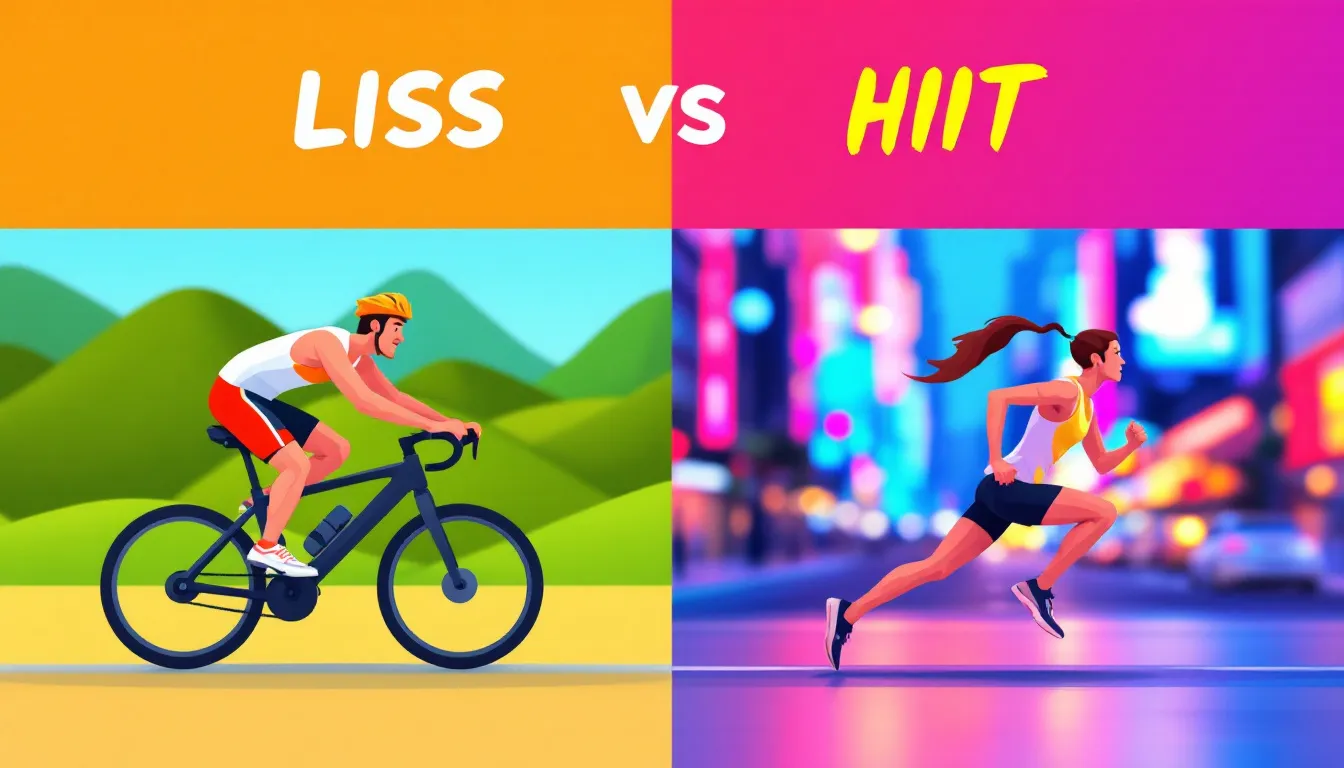
When it comes to choosing between low-intensity steady state (LISS) and high intensity interval training (HIIT), both have their advantages and disadvantages. LISS is effective for calorie burn but requires longer sessions to achieve similar results as HIIT. On the other hand, HIIT involves short bursts of intense activity followed by rest, making it a time-efficient option for quick calorie burning.
While HIIT can deliver quicker results in shorter workout sessions, it can be physically taxing and may not be suitable for everyone. LISS, on the other hand, provides a sustainable way to engage in physical activity without excessive strain, making it ideal for long-term health and fitness.
Let’s dive deeper into the time efficiency and sustainability of both workout types.
Time Efficiency vs. Sustainability
HIIT workouts are shorter, typically lasting 10 to 30 minutes, making them time-efficient for quick calorie burning. This efficiency is beneficial for those with busy schedules who still want to achieve significant fitness gains. However, the intensity of HIIT can make it challenging to sustain over long periods, especially for beginners.
LISS, while requiring more time, ensures sustainability in fitness routines. It provides a gentler approach to exercise, making it easier to maintain consistency and avoid burnout. This makes LISS ideal for long-term health, as it encourages regular physical activity without the intense strain associated with HIIT.
Combining HIIT and LISS
Integrating both HIIT and LISS can provide a balanced approach to fat loss and cardiovascular fitness. HIIT enhances calorie burning and boosts metabolism, while LISS helps build endurance and promotes fat utilization over longer periods. This combination ensures you get the best of both worlds, maximizing fitness and fat loss results.
A balanced workout routine might include HIIT sessions twice a week combined with LISS sessions on alternate days. This approach not only enhances endurance but also supports sustained fat loss over time. Combining these two forms of exercise helps achieve comprehensive fitness goals and maintain a healthy lifestyle.
How to Measure Exercise Intensity
Measuring exercise intensity is crucial for ensuring that workouts are effective, particularly in steady state cardio regimes. There are two primary methods to gauge intensity: heart rate monitoring and the perceived exertion scale. Both methods help you stay within your target zones, optimizing the benefits of your workouts.
Heart rate zones are an effective tool for monitoring exercise intensity. Staying within a specific heart rate zone can help ensure you’re exercising at the right intensity levels.
On the other hand, the perceived exertion scale allows individuals to gauge their workout intensity based on their own experience of effort, making it a versatile tool for adjusting workouts without needing specialized equipment.
Heart Rate Zones
Heart rate zones are crucial for optimizing training effectiveness and ensuring workouts are performed at the correct intensity levels. For endurance training, perform around 80% of workouts in lower heart rate zones (Zones 1 and 2). Zone 2, which ranges from 73% to 80% of maximum heart rate, is optimal for enhancing endurance and fat utilization.
For a 30-year-old, the target heart rate for low-intensity steady state cardio (LISS) is between 114 to 123 bpm. To ensure you’re exercising at the right intensity, utilize the treadmill heart rate monitor to check you’re in your target zones. This approach helps in achieving the desired fitness outcomes while maintaining safe training intensity levels.
Perceived Exertion Scale
The perceived exertion scale is a useful tool to gauge workout intensity based on personal feelings of effort. This scale ranges from 1 to 10, with 1 being very light activity and 10 representing maximum effort. By tuning into how hard you feel you’re working, you can adjust your exercise intensity to match your fitness goals.
The perceived exertion scale allows exercisers to assess workout intensity without technical gadgets. This method is especially useful for those who prefer a more intuitive approach to training. By consistently monitoring your perceived exertion, you can ensure your workouts remain effective and enjoyable.
Summary
Steady state cardio is a versatile and effective form of exercise that offers a range of health benefits. From improving cardiovascular health and enhancing aerobic capacity to supporting mental well-being and sustainable fat loss, steady state cardio is a valuable addition to any fitness routine. Its low-impact nature makes it accessible to individuals of all fitness levels, ensuring long-term adherence and enjoyment.
By incorporating steady state cardio into your routine, you can achieve your fitness goals while maintaining a healthy lifestyle. Whether you choose to engage in walking, cycling, swimming, or dance fitness, the key is to find activities you enjoy and can perform consistently. Remember to balance your workouts with adequate rest and active recovery to optimize your results. Embrace the steady pace and embark on a journey to better health and fitness.
Frequently Asked Questions
What is steady state cardio?
Steady state cardio is all about maintaining a consistent level of effort during your workout, like walking, jogging, or cycling, for an extended time. It's a great way to boost your endurance!
How does steady state cardio improve cardiovascular health?
Steady state cardio is great for your heart because it strengthens the heart muscle and boosts circulation, helping to lower the risk of cardiovascular diseases. Just keep a moderate pace during your workouts for the best results!
Can steady state cardio help with weight loss?
Absolutely, steady state cardio can be great for weight loss because it helps you burn calories and tap into stored fat for energy. Just keep it consistent, and you'll see the benefits!
How should beginners start with steady state cardio?
As a beginner, you should kick off your steady state cardio with short sessions of 5 to 15 minutes, and then gradually increase the duration. This way, you’ll avoid burnout and stay injury-free!
What are the benefits of combining HIIT and steady state cardio?
Combining HIIT and steady state cardio is a great way to boost fat loss and improve your cardiovascular fitness. This combo enhances your endurance while helping you maintain long-term fat loss.





















Leave a comment
This site is protected by hCaptcha and the hCaptcha Privacy Policy and Terms of Service apply.