Searching for an effective machine for fat burning? In this guide, we break down the top machines, how they work, and which ones get the best results. Find out how these devices can help you achieve your weight-loss goals.
Key Takeaways
-
High-intensity fat burning machines utilize advanced technologies, such as ultrasound and radiofrequency, to efficiently target and eliminate stubborn fat without invasive procedures.
-
Non-invasive body contouring solutions, including ultrasonic cavitation and laser lipo, provide effective fat removal and skin tightening with minimal downtime and discomfort.
-
Combining the use of fat burning machines with a balanced diet and regular exercise leads to optimal results, enhancing overall body contours and sustaining fat loss.
High-Intensity Fat Burning Machines
High-intensity fat burning machines are engineered to effectively target fat in persistent areas such as the abdomen, thighs, and buttocks. These machines leverage advanced technologies to focus on and reduce stubborn fat, making weight loss more efficient and targeted. Imagine a device that can specifically hone in on those problematic areas, breaking down fat cells with precision – that’s the power these machines hold.
The technology behind these devices is nothing short of revolutionary. They utilize methods like radiofrequency and ultrasound to break down fat cells, which are then naturally eliminated by the body. This not only aids in fat removal but also enhances the firmness of the skin, presenting a more toned and sculpted appearance.
The convenience and effectiveness of these machines make them a popular choice for those looking to lose weight without the need for invasive procedures.
How Do Fat Burning Machines Work?
Fat burning machines utilize a variety of advanced technologies to target and eliminate fat cells. One common method is the use of ultrasound waves, which emit low-frequency sound waves to create vibrations in the fat cells. These vibrations cause the fat cell membranes to rupture, breaking down the fat into a liquid form that can then be processed and eliminated by the body. This process is known as ultrasonic cavitation and is renowned for its effectiveness in fat removal without causing damage to the surrounding tissues.
Laser therapy is another popular technique employed by fat burning machines. This involves the use of low-level lasers to penetrate the skin and target fat cells. The laser energy disrupts the fat cells, causing them to release their contents, which are then naturally expelled from the body.
These machines offer a non-invasive alternative to traditional liposuction, providing a safer and more comfortable option for losing weight and achieving fat loss.
Benefits of Using Fat Burning Machines
The benefits of using fat burning machines are manifold. Here are some key advantages:
-
Non-invasive approach to body shaping, meaning there are no incisions, stitches, or lengthy recovery periods involved.
-
Allows individuals to return to their daily activities almost immediately after a session, making it a convenient option for those with busy lifestyles.
-
Treatments can enhance skin firmness, which is a significant advantage over traditional fat removal methods that may leave the skin saggy.
Furthermore, the use of these machines can lead to improved body contours and skin tone. As the fat cells are broken down and eliminated, the skin in the treated area often shows remarkable improvement in firmness and smoothness. Fat burning machines provide a risk-free, non-surgical alternative for weight loss and fat reduction, eliminating the need for lengthy recovery times.
Popular Types of Fat Burning Machines
Among the various types of fat burning machines available, ultrasonic cavitation, laser liposuction, and radiofrequency treatments are some of the most popular. Ultrasonic cavitation machines, for instance, use ultrasound technology to target and liquefy fat cells, making them easier for the body to eliminate. This method is particularly effective for reducing fat in areas like the abdomen and thighs, providing noticeable results after just a few sessions.
Laser liposuction machines, such as SculpSure, utilize laser technology to safely break down fat cells. This method not only targets fat cells but also protects the surrounding tissue, ensuring a safe and effective treatment. The convenience of laser lipo treatments, which can be completed in a relatively short time, makes them a popular choice for busy individuals seeking quick yet effective fat removal solutions.
Radiofrequency treatments, like Emsculpt NEO, use high-frequency waves to heat and destroy fat cells, resulting in body contouring and skin tightening. These treatments are known for their ability to produce impressive results in terms of fat loss and skin firmness, making them a favored option among those looking to enhance their body shape.
Additionally, methods like Cryolipolysis (CoolSculpting) and red light therapy offer unique approaches to fat reduction, catering to different preferences and needs.
Effective Belly Fat Reduction Techniques
Belly fat is often the most stubborn and challenging to get rid of, but with the right techniques and tools, significant reduction is possible. Advanced fat burning machines are designed to penetrate deeper layers of skin and break down abdominal fat effectively, offering a targeted solution for those struggling with belly fat.
Targeting Stubborn Belly Fat
Certain fat reduction devices are specifically designed to focus on localized fat, making them particularly effective for trimming the waist and tackling stubborn belly fat. These machines can penetrate deeper layers of the skin to break down fat cells in the abdomen, leading to significant reductions in waist size and overall body fat. These devices provide a practical solution for those who have reached their target weight but still struggle with localized fat deposits.
Patients often report losing up to two inches around their waist and several pounds without additional dieting or exercise after using fat reduction machines. This method is ideal for those looking to achieve a slimmer waistline and reduce belly fat effectively, providing results that are both visible and satisfactory.
Combining Treatments for Optimal Results
Combining machine treatments with proper nutrition and regular physical activity enhances outcomes. A healthy diet and consistent exercise regimen can significantly enhance the effectiveness of belly fat reduction treatments. A holistic approach combining these elements can lead to more profound and lasting fat loss results.
Moreover, many individuals have reported dramatic reductions in belly fat through the consistent use of non-invasive fat reduction machines combined with lifestyle changes. This integrated strategy not only boosts the immediate effectiveness of the treatments but also helps in sustaining the results over the long term.
Real-Life Success Stories
The transformative power of fat burning machines is best illustrated through real-life success stories. Take Jane, a 35-year-old mother who lost 15 pounds of stubborn belly fat in just eight weeks using an ultrasonic cavitation device. Her journey highlights how these machines can make a significant difference, even for those who struggle with persistent fat despite a healthy lifestyle.
Similarly, Mark, a fitness enthusiast, successfully reduced his waist size by three inches by combining laser lipo treatments with regular exercise.
These testimonials underscore the effectiveness of fat burning machines and inspire others to explore these options for achieving their fitness goals. The convenience and effectiveness of these treatments have made them a popular choice among millions looking to improve their body image and confidence.
Non-Invasive Body Contouring Solutions
Non-invasive body contouring solutions offer a safe and comfortable alternative for individuals aiming to eliminate fat without undergoing surgery. These methods are designed to target fat pockets and contour the body, providing effective fat removal and skin tightening without the discomfort and risks associated with traditional surgical procedures.
What is Non-Invasive Body Contouring?
Non-invasive body contouring refers to techniques that do not require incisions or surgical procedures, focusing instead on fat reduction and skin tightening through various technologies. These methods are safer and more comfortable, making them an attractive option for those who wish to improve their body shape without the downtime associated with surgery.
These non-invasive treatments target fat pockets, helping individuals achieve a more toned and contoured appearance. This approach is particularly beneficial as it offers effective results without the need for anesthesia or lengthy recovery periods.
Top Non-Invasive Machines for Body Contouring
When it comes to non-invasive body contouring, certain machines stand out for their effectiveness and user-friendly design. Rejuva Fresh cavitation machines are recognized for their effective fat-burning abilities. They can burn over twice as much fat as other brands. These machines are designed for ease of use and affordability, making them accessible for at-home treatments.
Additionally, consulting with a healthcare professional before using these devices is recommended, especially for individuals with underlying health conditions. This ensures that the chosen machine is suitable and safe for the user’s specific needs, providing optimal results in body contouring and fat removal.
Maintaining Results Post-Treatment
Maintaining results after non-invasive body contouring treatments requires a combination of proper care and lifestyle adjustments. Hydration is crucial after treatments to help the body flush out the dead fat cells efficiently. Regular follow-up treatments may also be necessary to sustain the desired results and ensure continued fat reduction.
Additionally, the stimulation of collagen production during laser fat removal aids in skin tightening, contributing to the longevity of the results. A healthy lifestyle with regular exercise and a balanced diet helps maintain the benefits of these treatments over the long term.
Ultrasonic Cavitation Machines for Home Use
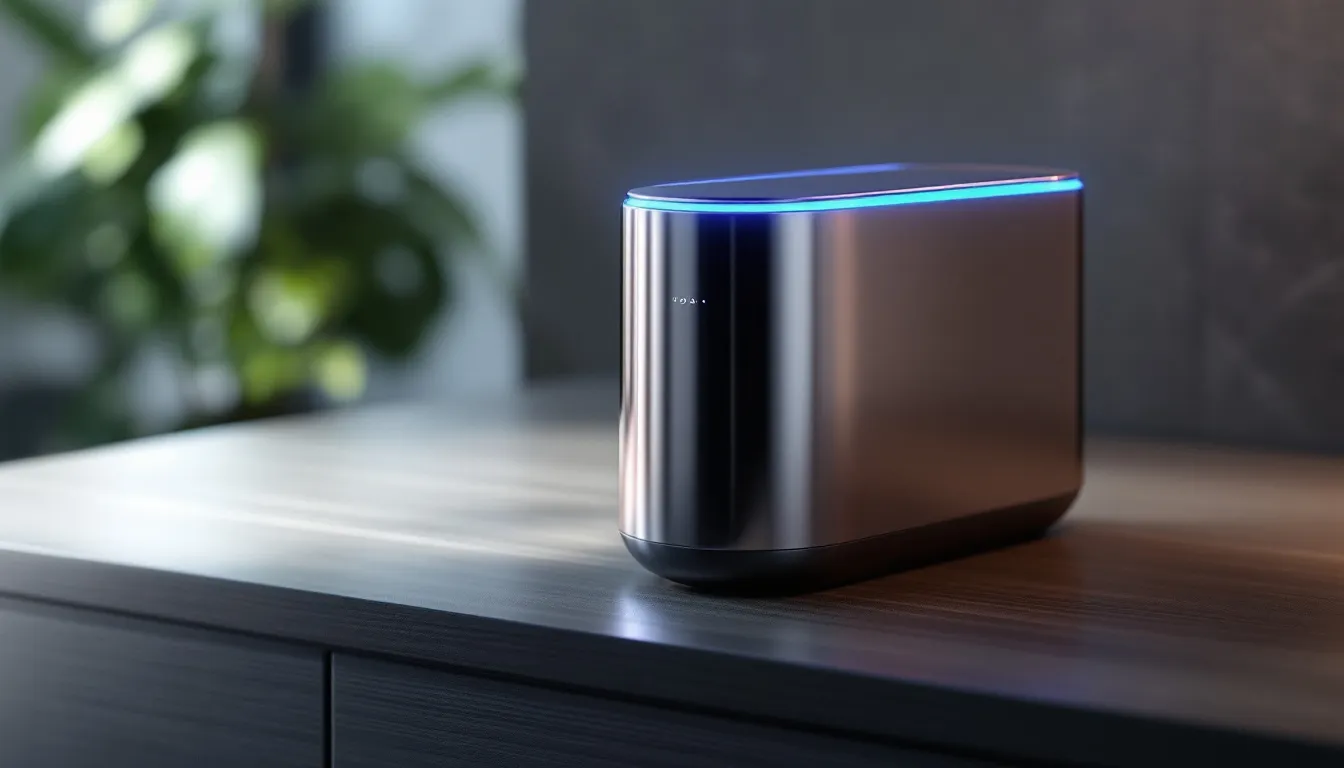
The convenience and effectiveness of ultrasonic cavitation machines for home use have made them increasingly popular. These devices allow individuals to perform body sculpting and fat-burning treatments in the comfort of their own homes, offering a practical solution for those looking to achieve their fitness goals without frequent visits to a clinic.
How Ultrasonic Cavitation Works
Ultrasonic cavitation works by generating ultrasonic waves that create vibrations in the targeted fat cells. These vibrations lead to the formation of microbubbles within the fat cells, which implode due to pressure changes, causing the fat cell membranes to rupture. The ruptured fat cells are then broken down into liquid, which the body can process and eliminate through the lymphatic system and natural waste processes.
This method is highly effective in targeting localized fat deposits, providing noticeable results in body sculpting and fat reduction. This technology helps individuals attain a more toned and contoured physique without invasive procedures.
Best At-Home Cavitation Devices
Selecting the right ultrasonic cavitation device for home use is crucial for achieving effective and convenient body sculpting. High-quality chipsets are essential for the efficiency of these machines, ensuring optimal performance and results. Devices with CE certification provide an added layer of safety and effectiveness, giving users peace of mind during their treatments.
Rejuva Fresh designs some of the best at-home cavitation devices, known for their powerful fat-burning capabilities and user-friendly designs. Additionally, free express shipping is available to most countries, making these devices accessible to a global audience.
Safety Tips for Home Use
Safety is paramount when using ultrasonic cavitation machines at home. It is advised to follow the manufacturer’s guidelines precisely to avoid skin damage or unwanted side effects. This includes avoiding the use of these machines on sensitive areas of the body and ensuring proper hydration before and after treatments to support the body’s detoxification process.
For beginners, it is essential to start with lower settings and gradually increase the intensity as they become more comfortable with the device. Adhering to these safety tips allows users to benefit from ultrasonic cavitation treatments while ensuring their well-being.
Laser Lipo Machines and Their Benefits
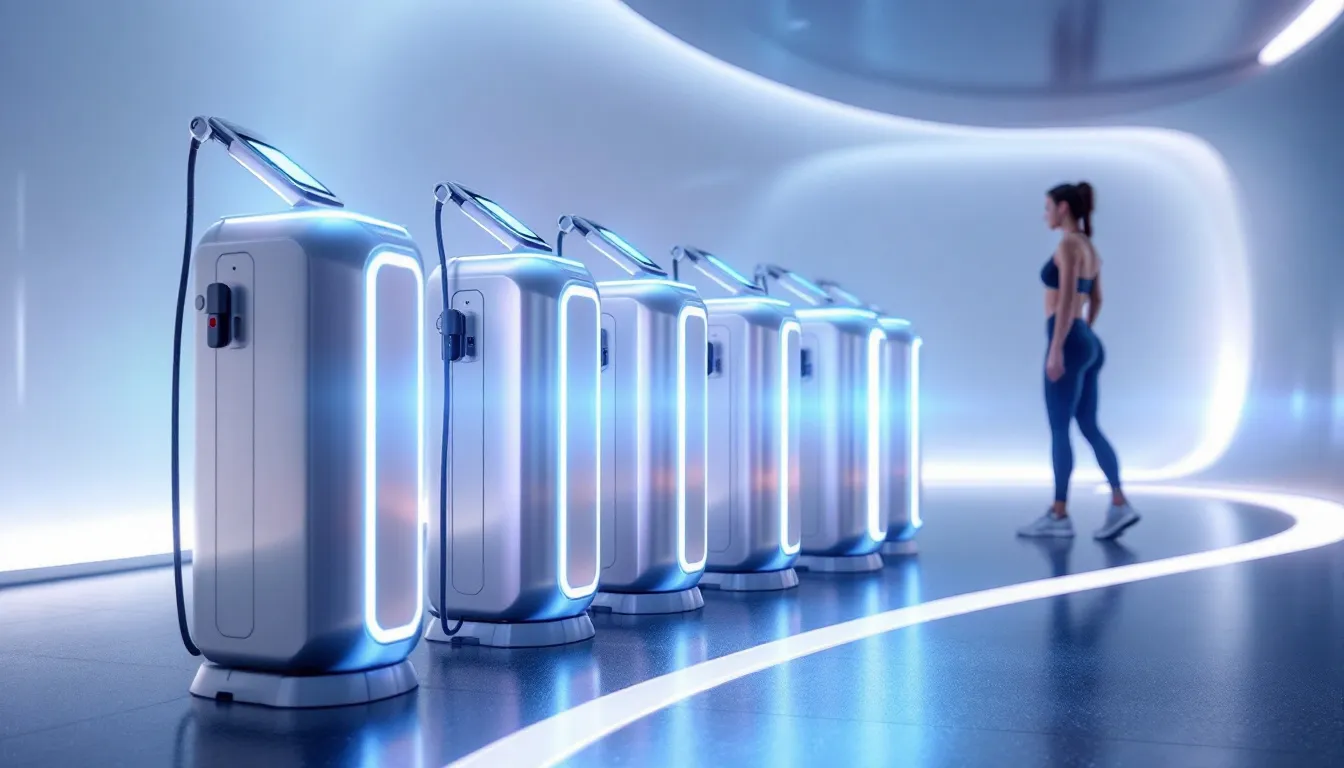
Laser lipo machines offer a modern and effective method for fat removal and body contouring. These machines utilize advanced laser technology to target and liquefy fat cells, which are then metabolized and naturally eliminated by the body. The process is non-invasive, painless, and requires no recovery time, making it a convenient option for those looking to lose weight and achieve fat loss without surgery.
One of the primary benefits of laser lipo treatments is their ability to fit into a busy schedule. The treatments are short, often lasting just 40 minutes, and can be completed during a lunch break. This makes laser lipo an attractive option for individuals seeking quick and effective fat removal solutions.
How Laser Lipo Works
Laser lipo works by utilizing low-level laser therapy to target and liquefy fat cell contents using a specific wavelength. This process effectively melts stubborn fat deposits, allowing for easier removal via suction or natural metabolic processes. The treatment is designed to stimulate metabolism and trigger fat cells to release their contents, which are then processed and eliminated by the body through the lymphatic system.
The procedure is non-invasive, requiring no anesthesia and causing no pain or trauma. Patients typically experience no downtime or recovery period, making it a convenient option for those with busy schedules.
Although laser fat reduction is not a permanent solution for fat loss, it offers a significant improvement in body contouring and fat removal with minimal side effects.
Advantages Over Traditional Liposuction
Laser lipo offers several advantages over traditional liposuction, particularly in terms of discomfort and recovery time. Unlike traditional liposuction, which involves surgical incisions and a lengthy recovery process, laser lipo is a non-invasive procedure that significantly reduces the risk of complications and discomfort. Patients can return to their daily activities almost immediately after a session, making it a practical choice for those seeking effective fat removal without the downtime associated with surgery.
Moreover, laser lipo has a lower risk of complications due to its less invasive nature. This makes it an attractive option for individuals looking to achieve fat loss and body contouring with minimal risks and a quicker recovery period. The convenience and safety of laser lipo treatments make them a popular alternative to traditional liposuction.
Top-Rated Laser Lipo Machines
Many high-quality laser lipo machines are designed for effectiveness and user-friendliness, providing optimal results in fat removal and body contouring. These machines feature advanced technology and ergonomic designs, ensuring ease of use and comfort during treatments. Additionally, the longevity of results from laser fat removal typically ranges from six months to a year, making it a worthwhile investment for those seeking lasting body contouring benefits.
Top-rated laser lipo machines offer visualization and control software that provides real-time feedback during the procedure, ensuring precise and effective fat removal. The simplicity of the treatment system interface makes it easy to learn and use, allowing individuals to achieve their desired body shape with minimal effort.
These machines are an excellent choice for anyone looking to enhance their physique through advanced laser technology.
Summary
In summary, high-intensity fat burning machines offer a revolutionary approach to weight loss and body contouring, making the process more effective, convenient, and non-invasive. From ultrasonic cavitation to laser lipo, these advanced technologies target and eliminate stubborn fat cells, providing noticeable results in body shaping and skin tightening. The benefits of these treatments, including quick recovery times and improved skin firmness, make them an attractive alternative to traditional surgical methods.
As you embark on your journey towards a slimmer, firmer physique, consider integrating fat burning machines with a healthy lifestyle to achieve optimal results. Whether you choose to use these machines at home or visit a clinic, the transformative power of these devices is undeniable. Embrace the future of weight loss and body contouring, and take the first step towards achieving your fitness goals with confidence and ease.
Frequently Asked Questions
What is the best machine to burn fat?
The best machines for burning fat include the treadmill, elliptical, stationary bike, rowing machine, and Stairmaster. Utilizing these machines in your workout routine can effectively aid in fat loss.
How do fat burning machines work?
Fat burning machines effectively use technologies like ultrasound waves and laser therapy to disrupt fat cells, allowing the body to naturally eliminate them. Thus, they offer a non-invasive approach to fat reduction.
What are the benefits of using fat burning machines?
Using fat burning machines provides non-invasive fat removal, quick recovery times, improved skin firmness, and enhanced body contours, making them a convenient and effective solution for weight loss.
Are there any safety tips for using ultrasonic cavitation machines at home?
To ensure safety while using ultrasonic cavitation machines at home, strictly adhere to the manufacturer's guidelines to prevent skin damage. Additionally, avoid sensitive areas and maintain proper hydration before and after treatments.
How do laser lipo treatments compare to traditional liposuction?
Laser lipo treatments are less invasive and result in less discomfort and lower complication risks compared to traditional liposuction. They also offer the advantage of no recovery time, making them a more convenient option for effective fat removal.





















Leave a comment
This site is protected by hCaptcha and the hCaptcha Privacy Policy and Terms of Service apply.