Looking for the best workout machine for whole body fitness? You’re in the right place. This guide will cover the top options to help you get a comprehensive workout, targeting all major muscle groups effectively. Whether you’re a seasoned athlete or a beginner, find out which machines can provide the full-body workout you need.
Key Takeaways
-
The REP Fitness FT-5000 2.0 delivers outstanding durability and versatility, making it an ideal choice for those seeking a functional trainer on a budget.
-
Smart home gyms like Tonal combine advanced technology with compact design, optimizing your space while providing guided workouts and adjustable resistance.
-
Full-body workout machines are efficient and versatile, allowing users to engage multiple muscle groups, promote overall fitness, and fit workouts into busy schedules.
Top Full Body Workout Machines Tested
We tested a variety of full body workout machines, each offering unique features and benefits for the entire body. From functional trainers to portable solutions, our evaluation was thorough and comprehensive.
The REP Fitness FT-5000 2.0 stands out for its affordability and durability, constructed with 11-gauge steel and chip-resistant powder coating. The Beyond Power Voltra I impressed us with its versatile and innovative features, making it ideal for dynamic resistance training. Meanwhile, the Bowflex Revolution offers extensive exercise options, catering to varied fitness needs.
We also explored portable solutions like the MAXPRO SmartConnect Home Gym, which is perfect for those who need a compact full-body workout machine on the go. The Life Fitness G7, with its optional adjustable bench, provides a robust and versatile training experience. Each of these machines was put through rigorous testing by fitness professionals to evaluate their performance, durability, and user-friendliness.
Ultimate Functional Trainer: REP Fitness FT-5000 2.0
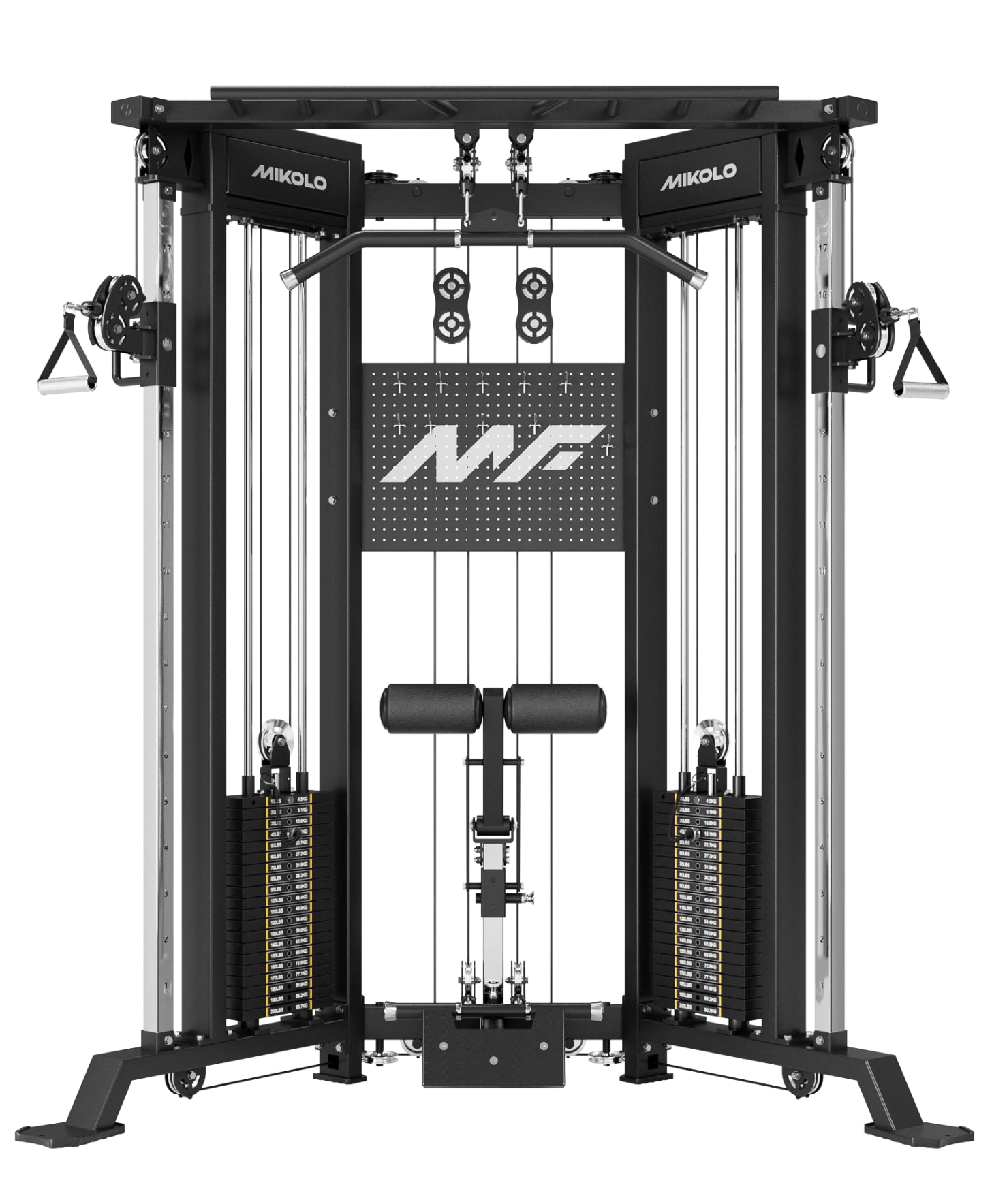
The REP Fitness FT-5000 2.0 is a top contender for anyone seeking a high-quality functional trainer without breaking the bank. Constructed with 11-gauge steel and a chip-resistant powder coating, this machine is built to last, weighing in at nearly 900 pounds to ensure stability during intense workouts.
Featuring dual weight stacks of 224 pounds each, the FT-5000 2.0 provides substantial resistance for effective strength training. Users can take advantage of the 2:1 pulley ratio, feeling a maximum weight of 112 pounds per side, and choose from 21 adjustable dumbbells trolley height options for tailored workout positioning.
The multi-grip pull-up bars further enhance its versatility, making it a comprehensive solution for your home gym.
Smart Home Gym Excellence: Tonal
Tonal represents the pinnacle of smart home gym technology, offering guided training and advanced features to elevate your workout experience. With real-time resistance adjustment and professional delivery and installation support, Tonal ensures that users are always challenged and supported during their fitness journey.
The machine’s cable arms can provide up to 100 pounds of resistance, with manual adjustments available for personalized training. Despite its high-tech capabilities, Tonal requires minimal space—just seven feet around it for proper exercise execution. This makes it a perfect fit for those looking to maximize their workout efficiency without sacrificing space.
Best Cardio Choice: Concept2 RowErg
When it comes to cardio machines, the Concept2 RowErg stands out as an exceptional choice. Providing a comprehensive full-body workout, this rowing machine engages various muscle groups and delivers significant cardiovascular benefits, making it ideal for those who prioritize an intense cardiovascular workout.
Choosing the right cardio machine involves considering specific fitness goals and personal enjoyment. The Concept2 RowErg is praised for its ability to cater to both, making it an excellent addition to any fitness routine. Whether you’re a seasoned athlete or a beginner, this machine offers an effective way to achieve your cardio goals.
Key Features of Concept2 RowErg
One of the standout features of the Concept2 RowErg is its Performance Monitor, which provides instant feedback and tracks performance metrics during workouts. This allows users to monitor their progress and adjust their training accordingly. The air resistance system ensures a smooth rowing experience, adapting to the user’s effort level for a personalized workout.
Designed for easy mobility and storage, the RowErg can be separated into two pieces without the need for tools, making it convenient to store when not in use. Although some users may find the rowing seat too firm, its overall user-friendliness and suitability for a wide range of fitness levels make it a valuable addition to any home gym.
Most Versatile Option: Beyond Power Voltra I
The Beyond Power Voltra I is a great option for those seeking versatility in their workout routines. This machine is ideal for cable workouts and dynamic resistance training, allowing users to perform a variety of exercises targeting both the upper and lower body. Its magnetic resistance system provides up to 200 pounds of resistance, which can be customized for both the lifting and lowering phases of exercises.
With three distinct training modes—weight training, resistance band, and damper mode—the Beyond Power Voltra I offers a compact solution for versatile cable workouts. This customization enables users to fine-tune their workouts, ensuring they meet their fitness goals effectively and efficiently.
Budget-Friendly Full Body Machine: X3 Bar
For those who travel frequently or have limited space, the X3 Bar is an excellent budget-friendly option. Its small and compact design makes it easy to store and transport, allowing users to maintain their fitness routine on the go. The bar is constructed from machined-alloy steel, ensuring sturdiness and functionality.
Despite its compact size, the X3 Bar can provide up to 300 pounds of resistance, which can be increased to 600 pounds with an additional Elite Band. This versatility allows users to perform a wide range of exercises with resistance bands, effectively targeting multiple muscle groups for a comprehensive full-body workout.
Best Home Gym Setup: Force USA MyRack Modular Power Rack
The Force USA MyRack Modular Power Rack is the go-to choice for those looking to build a versatile and budget-friendly home gym. Offering up to 20 attachments and 54 adjustment points, this power rack provides endless workout possibilities. Constructed using 12-gauge steel and bolted together rather than welded, it ensures durability and strength for heavy workouts.
Starting at just $500, the MyRack is an affordable option that doesn’t compromise on quality. Its versatility and durability make it an ideal centerpiece for any home gym setup, allowing users to perform a wide range of exercises with confidence and ease.
Top Cable Machine: Vitruvian Trainer+
The Vitruvian Trainer+ is designed for those who need a high-quality cable machine that fits into limited spaces. Its compact dimensions—44 inches in length, 20 inches in width, and only 5 inches in height—make it an ideal choice for small workout areas. Despite its size, the Trainer+ offers a substantial resistance capacity of 440 pounds, catering to those looking for significant resistance during their workouts.
This machine utilizes advanced algorithms to autonomously adjust weights during workouts, enhancing convenience and efficiency. With proprietary attachments and other attachments, users can perform a wide variety of exercises, making the Vitruvian Trainer+ a versatile and space-saving addition to any home gym.
Full Body Machine with Bench: Life Fitness G7
The Life Fitness G7 is a robust and versatile functional trainer that comes with an optional adjustable bench for enhanced functionality. Constructed from heavy-duty 11-gauge steel, this machine is built for long-term use and reliability. With a lifetime warranty on all parts and a 3-year warranty on cables, the G7 emphasizes its commitment to durability and customer satisfaction.
Featuring dual adjustable pulleys, the G7 allows users to perform up to 55 different exercises, catering to a wide range of fitness goals. However, to use the machine effectively, an open floor space of 10 feet by 8 feet is recommended, ensuring ample room for diverse workout routines.
Portable Full Body Solution: MAXPRO SmartConnect Home Gym
For those needing a portable full-body workout solution, the MAXPRO SmartConnect Home Gym is an excellent choice. Weighing just under 13 pounds and measuring 10 inches wide and 16 inches high, this machine is easy to transport and store, making it perfect for workouts on the go. When folded, it weighs under 10 pounds, enhancing its portability for travel and storage.
The SmartConnect can be used for a variety of exercises, targeting multiple muscle groups. It features a unique dial to easily adjust resistance levels and has a battery life of up to one month with daily use. Additionally, it offers a resistance capacity of 300 pounds and tracks progress with a large library of workouts, ensuring users stay motivated and on track with their fitness goals.
Comprehensive Bowflex Option: Bowflex Revolution
The Bowflex Revolution is recognized for its versatility, offering over 100 exercises and 400 variations to cater to various fitness needs. Utilizing SpiraFlex technology, it provides resistance training alternatives that are both effective and efficient. With an upgrade, the Bowflex Revolution can offer a maximum resistance of 300 pounds, making it suitable for users with different strength levels.
To fully utilize its features, a space of about 10 feet by 7 feet is required, ensuring enough room for a comprehensive workout experience. The Bowflex Revolution’s versatility and space efficiency make it a valuable addition to any home gym.
Effective Bodyweight Training: TRX Home Suspension Trainer
The TRX Home Suspension Trainer is designed to enhance total-body strength and stability. By leveraging body weight and gravity, the TRX system allows users to perform a variety of exercises that cater to different fitness levels through modifications. This system is particularly effective for increasing muscle activation, especially in the abdominal area, making it a great addition to any fitness routine.
With the TRX, users can perform numerous exercises that target multiple muscle groups, providing a comprehensive workout without the need for extensive gym equipment. Its portability and ease of use make it an excellent option for home workouts, ensuring that users can maintain their fitness goals no matter where they are.
Research on Other Full Body Workout Machines
In addition to the machines we’ve highlighted, our research uncovered several other notable full-body workout machines. The Force USA G20 functional trainer, for example, features dual 289-pound weight stacks and a 1:1 cable ratio, offering excellent resistance options for a wide range of exercises. The Inspire Fitness FT2 stands out with its unique upper and lower pulleys, adjustable pulley systems, and an attached Smith machine for versatile workouts, making it a great addition to any strength training equipment collection.
However, not all machines are without their drawbacks. The Force USA G20, despite its impressive features, can be difficult to assemble and may move easily after setup, posing challenges for users. The Torque functional trainer provides various weight stack options, catering to different levels of resistance, but it may not offer the same level of stability and ease of use as other machines.
Our Testing Process
Our evaluation process involved hands-on testing of various full-body workout machines to assess their build quality and functionality. A team of fitness professionals conducted these tests, providing expert insights into the machines’ performance, durability, and user-friendliness. These professionals tested each machine to ensure they met the standards for effective workouts and long-term use.
Durability and ease of assembly were key criteria during our testing. We critically analyzed the versatility of exercises that each machine could perform, ensuring that they could cater to a wide range of core fitness goals. Important note: the performance of each machine was evaluated under various conditions.
This thorough testing process allowed us to provide accurate and reliable recommendations for the best full-body workout machines on the market.
Benefits of Full Body Workout Machines
Full-body workout machines offer numerous benefits, making them a valuable addition to any fitness routine. These machines efficiently attack multiple muscle groups, allowing users to save time while maximizing their workout. Full-body workout machines assist in achieving various fitness goals, such as muscle building and fat burning.
These machines provide comprehensive training across multiple muscle groups, enhancing overall fitness and making workouts more effective for any gym monster. Their efficiency, versatility, and support towards fitness objectives make them an excellent investment for anyone looking to improve their health and fitness as a personal trainer.
Muscle Building
Full-body workout machines are highly effective for stimulating multiple muscle groups simultaneously, facilitating enhanced muscle growth. These machines provide a comprehensive workout, targeting various muscle groups at once, which is crucial for overall fitness enhancement. They also facilitate progressive overload, an essential factor for muscle hypertrophy, by offering variable resistance levels.
Full-body workout machines enable users to engage in targeted resistance training, promoting individualized muscle engagement and growth. This approach helps build strength and lean muscle, promoting muscle hypertrophy and contributing to overall fitness goals.
Fat Burning
Adding full-body workout machines to your fitness routine can boost calories burned, aiding in more efficient fat loss. Engaging in full-body workouts leads to higher calorie burn due to increased muscle engagement during exercises. This comprehensive approach helps reduce body fat percentage and improve body composition.
Rowing, for instance, offers a comprehensive cardio workout that effectively engages every major muscle group, enhancing calorie burn and fat loss. The Bowflex Revolution Home Gym includes a built-in rowing machine, making it an excellent option for those looking to incorporate cardio into their strength training routine.
Convenience of Home Workouts
Home workout machines provide a convenient option for those looking to exercise without the hassle of going to a gym. Home workout machines allow users to train at their convenience, eliminating the need for gym commutes and promoting consistency.
These machines facilitate comprehensive training options and eliminate the need for managing multiple pieces of equipment. Having one machine for diverse workouts simplifies the exercise process and encourages users to stick to their fitness routines.
Efficiency in Workouts
Full-body workout machines streamline workout sessions by enabling users to perform multiple full body exercises in a single full body routine, maximizing productivity. These machines allow users to complete a comprehensive workout in a shorter time frame than traditional gym equipment, making them ideal for busy individuals.
Full-body workout machines save time by allowing for quick, high-intensity workouts that deliver effective results. The ability to quickly transition between exercises maximizes workout time and ensures that all major muscle groups are engaged.
Injury Prevention
Full-body workout machines help minimize injury risk by promoting controlled movements and proper form, which is especially beneficial during rehabilitation. These machines often include guided movements that help users maintain form and reduce the risk of injuries during training.
Incorporating full-body workout machines can also enhance neuromuscular coordination, which plays a crucial role in injury prevention. The stability provided by these machines makes them safer for users, particularly those new to strength training or recovering from injuries.
Choosing the Right Full Body Workout Machine
When purchasing a full-body workout machine, it’s essential to consider durability, versatility, and space requirements. Selecting a machine that is durable ensures it can withstand regular use and maintain its effectiveness over time.
Versatility in a workout machine allows users to perform a variety of exercises, catering to different workout styles and goals. Space requirements are also crucial to ensure that the rowing machines fit comfortably within the intended workout area.
Evaluating these factors can help in making an informed decision for the best full body workout machine that aligns with your fitness needs.
Identifying Your Fitness Goals
Understanding personal fitness goals is crucial for selecting the most suitable full-body workout machine. Knowing your fitness objectives helps identify the best machine for individual needs, ensuring that the chosen equipment effectively contributes to your progress.
Clarifying your fitness objectives also helps in selecting a full-body workout machine that aligns with your specific training needs. Whether your goal is to build muscle, burn fat, or improve overall fitness, choosing the right machine is the first step towards achieving your fitness goals.
Assessing Versatility
Many versatile machines allow users to perform over 200 different exercises, targeting various muscle groups. The practicality of performing various exercises on a single machine boosts workout variety and overall effectiveness.
Selecting machines that can perform a range of exercises enhances workout variety and adapts to changing fitness goals. Multi-functional equipment not only enhances workout diversity but also optimizes space in home gym setups.
Durability Considerations
Durability is the most important thing in selecting workout machines, as higher quality materials can withstand intense use. Investing in robust materials can lead to long-term savings by minimizing the need for replacements, ensuring longevity and reliability during intense workouts.
Sturdy machines ensure longevity and reliability, especially for frequent use. Quality materials offer stability and safety, enhancing the workout experience.
Space and Footprint
The compact design of many full-body workout machines allows them to fit into smaller spaces, making them ideal for home use. Considering the size of the workout area is crucial when selecting a full-body machine to ensure it fits comfortably and doesn’t overcrowd the space.
Measuring workout space before purchasing equipment helps prevent overcrowding and ensures usability. Compact workout machines provide versatility without requiring much area, allowing users to maintain an effective fitness routine in limited spaces.
Warranty Information
Warranties for workout machines vary significantly, so it’s important to compare options before making a purchase. Understanding warranty differences is vital to ensure a satisfactory purchase and coverage for potential issues.
The typical warranty range for full-body workout machines is from 3 years to lifetime. Smart home gyms, for instance, typically have a warranty duration of 1 to 2 years, so it’s essential to choose a machine with a warranty that provides adequate coverage for your needs.
Is Daily Full Body Workout Safe?
It is generally safe to do a full-body workout every day, but incorporating one or two rest days each week is recommended to allow for muscle recovery and avoid overtraining. Strength training sessions should be conducted 2 to 3 times a week, with at least 48 hours of rest between sessions to ensure optimal muscle recovery and growth.
In full-body workouts, it’s important to vary the emphasis on different muscle groups each day to prevent overtraining. This approach ensures that all muscle groups receive adequate rest day and recovery time, promoting overall fitness and preventing injury.
Optimal Duration for Full Body Workouts
A full-body workout should generally last between 40 to 60 minutes for optimal effectiveness. The recommended duration for an effective full-body workout is 20 minutes to 1 hour, depending on the intensity and goals of the workout.
Focusing on quality rather than quantity is key, making shorter, effective workout sessions preferable to longer, less productive ones. Machines like the Concept2 RowErg are recognized for their efficiency in providing a low impact full-body workout in a short amount of time, making them ideal for busy individuals.
Summary
In summary, full-body workout machines offer numerous benefits, including comprehensive training, efficiency, and convenience. From versatile options like the Beyond Power Voltra I to budget-friendly choices like the X3 Bar, there’s a machine to suit every fitness need and preference.
Investing in a full-body workout machine can transform your fitness routine, making it easier to achieve your goals from the comfort of your home. Whether you’re looking to build muscle, burn fat, or simply maintain a healthy lifestyle, these machines provide the tools you need to succeed. Choose the right machine for your needs, and take the first step towards a fitter, healthier you.
Frequently Asked Questions
Which exercise machine is best for overall fitness?
For overall fitness, the Concept2 Row Erg stands out as the best cardio machine, offering a powerful full-body workout. It combines strength and endurance, making it a fantastic choice to boost your fitness journey!
Is it safe to do a full-body workout every day?
It’s safe to do a full-body workout daily as long as you incorporate one or two rest days for muscle recovery. Listen to your body, and stay strong!
What are the benefits of full-body workout machines?
Full-body workout machines are fantastic for maximizing your training efficiency by targeting multiple muscle groups at once. Embrace the convenience and versatility they offer to achieve your fitness goals faster!
What should I consider when selecting a full-body workout machine?
When selecting a full-body workout machine, prioritize durability, versatility, and how it fits in your space. Choosing the right equipment will enhance your fitness journey and keep you motivated!
What are the advantages of home workouts with full-body machines?
Home workouts with full-body machines provide the flexibility to train at your convenience, eliminating gym commutes and making consistency easier. Embrace this opportunity to achieve your fitness goals without the hassle!






















Leave a comment
This site is protected by hCaptcha and the hCaptcha Privacy Policy and Terms of Service apply.