











Walk into any gym and you’ll likely see a range of barbells lined up on the rack—some smooth in the middle, others rough with sharply etched rings or textured markings. These details aren’t just cosmetic. Barbell lines, knurl marks, and center knurls serve distinct purposes in training, especially for those serious about strength, powerlifting, or Olympic lifting.
What Are the Rings and Lines on a Barbell?
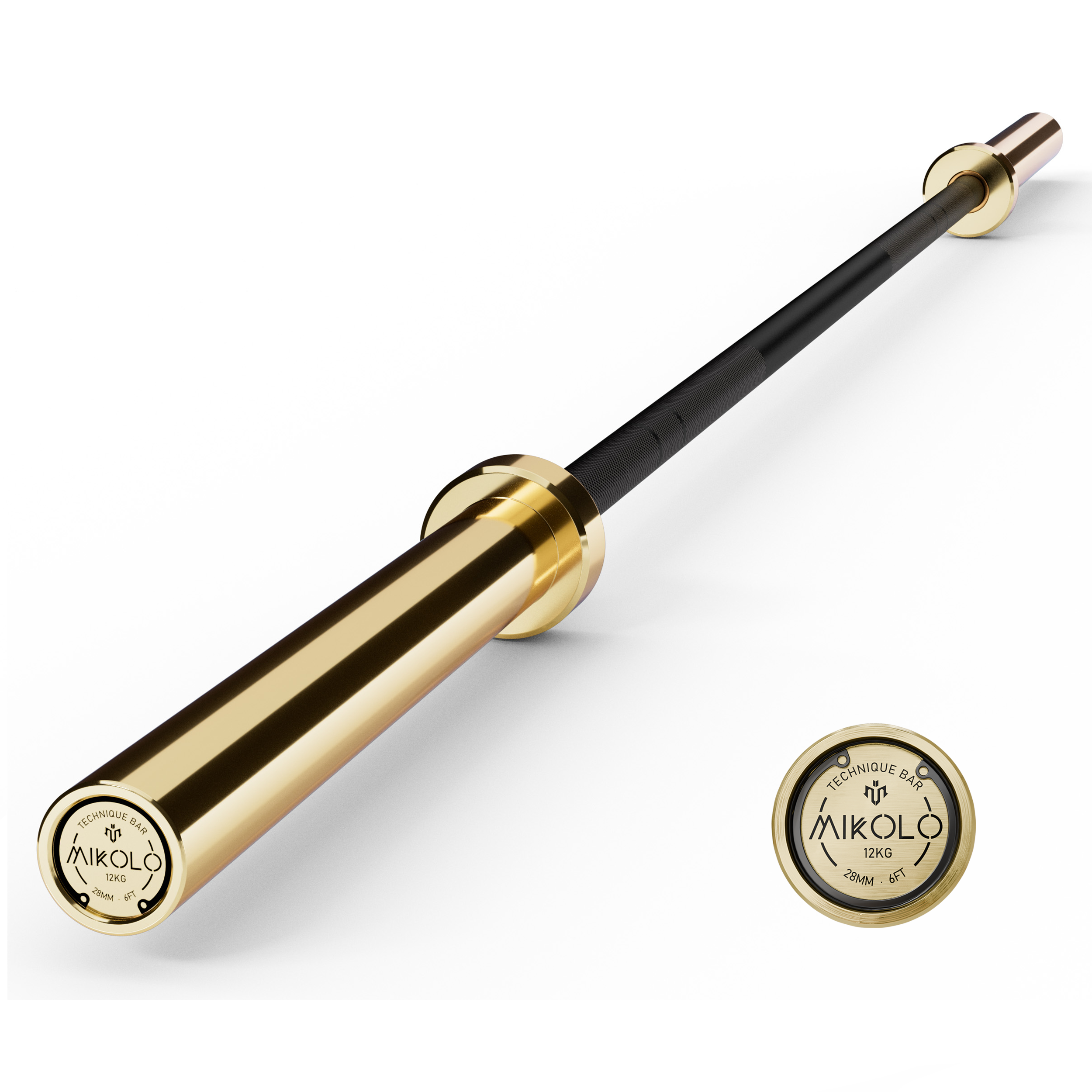
Barbells typically have two sets of knurl marks—smooth, ring-like interruptions in the rough, grippy texture (called knurling) on the shaft. These lines are more than visual guides; they help lifters consistently place their hands for balanced, safe, and powerful lifts.
-
Powerlifting knurl marks are spaced at 81 cm apart, per International Powerlifting Federation (IPF) standards.
-
Olympic weightlifting marks are slightly closer, at 91 cm apart, following International Weightlifting Federation (IWF) guidelines.
Some bars feature dual knurl marks—both Olympic and powerlifting standards—to support a wider range of training styles.
If you’ve ever wondered, "What are the rings on a barbell for?"—they’re there to guide hand placement and ensure symmetry in your grip, reducing the risk of muscle imbalance or bar drift during lifts like deadlifts, presses, and cleans.
What Is Center Knurling—and When Does It Matter?
Some barbells include a center knurl, a textured section in the middle of the bar. This is particularly common on power bars and squat bars. The purpose? Grip and stability.
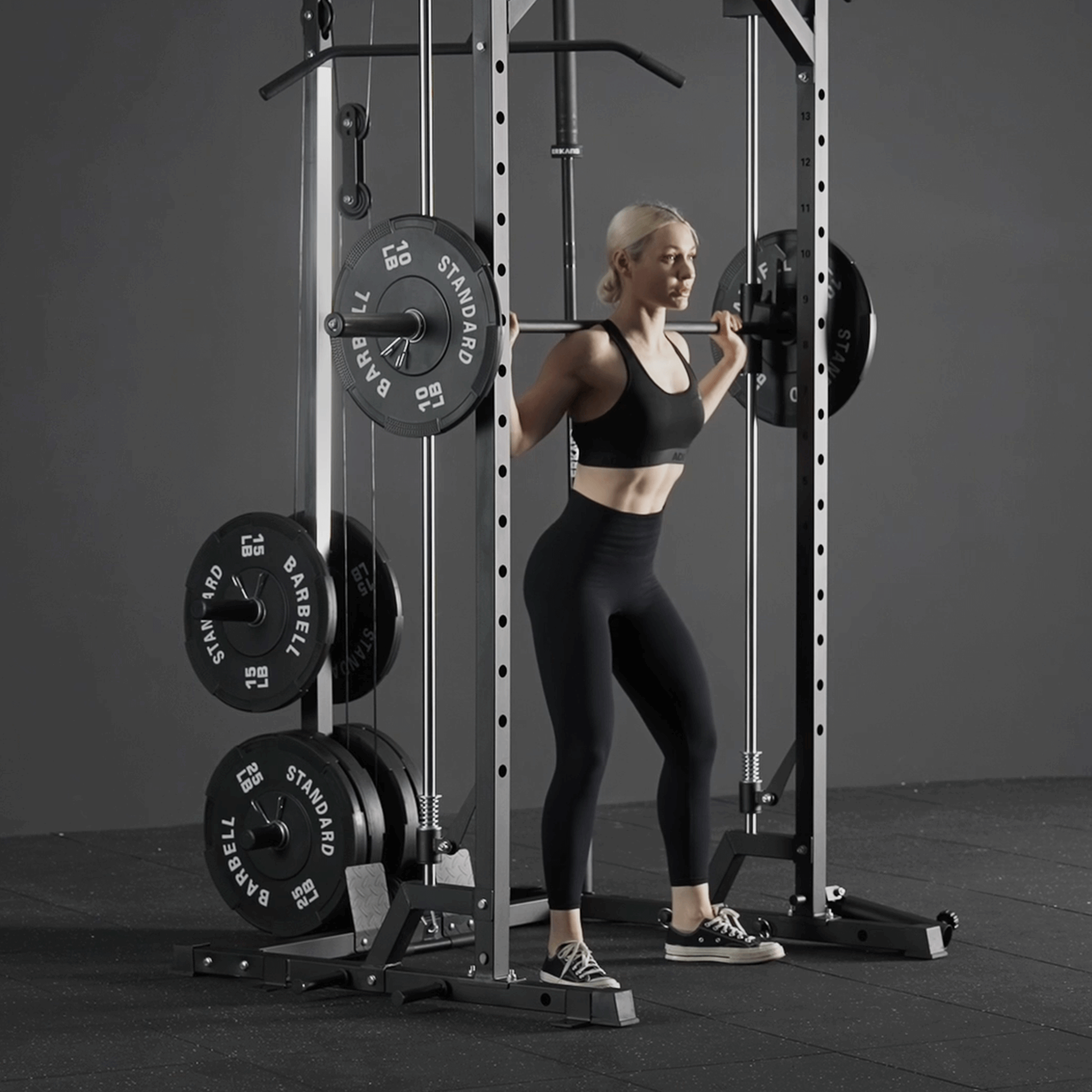
During back squats, especially with heavier loads, the bar can slip or roll on your traps. The center knurl bites into your shirt—or skin, if you go shirtless—offering better traction. It's also useful for front squats in Olympic lifting, as it can help keep the bar more stable on your shoulders.
On the flip side, some lifters prefer to squat without center knurl, especially when doing high-rep workouts or cleans, where the bar brushes the chest or neck. In those cases, the rough center knurl can cause irritation.
My Personal Take: The Center Knurl Debate
I still remember squatting with a center-knurled bar during my first meet prep. It left a visible scrape across my upper back. At first, I thought it was a flaw in the bar. Later, I realized the center knurl was doing exactly what it was meant to—preventing the bar from sliding when I hit depth under load. From then on, I developed a strong preference for center knurls during low-bar squats and heavy max-out days. But for cleans or general training, I’ll reach for a bar without the center knurl to avoid discomfort.
Decoding Barbell Markings: It’s All About Intent
Not all bars are created equal. When choosing a barbell, pay attention to the barbell knurl marks, ring marks, and whether it includes a center knurl. These details will impact:
-
Your grip width
-
Comfort under load
-
Suitability for Olympic lifting vs. powerlifting
-
Versatility across different lifts
Some advanced lifters even prefer specific knurl textures—coarse for deadlifts, medium for presses, and passive for high-rep WODs. But for most, understanding the markings is enough to make smarter decisions in the gym.
Final Thoughts
Whether you're chasing a 1900-pound total or just learning to use a barbell for the first time, the rings and lines etched into the steel matter. From barbell knurling rings to knurl marks on the shaft, these details enhance performance, safety, and consistency.
So next time you grab a barbell, take a closer look. Those markings are telling you more than you think.


Leave a comment
This site is protected by hCaptcha and the hCaptcha Privacy Policy and Terms of Service apply.