












The shoulder is one of the most mobile and versatile joints in the human body, playing a critical role in nearly every upper body movement. Whether you’re pushing, pulling, or lifting, your shoulder muscles are hard at work. But to train effectively and avoid injury, it’s essential to understand the three main shoulder muscles and how they function together.
What Are the 3 Main Shoulder Muscles?
The shoulder is primarily made up of the deltoid muscle, which is divided into three distinct parts:
-
Anterior Deltoid – The front shoulder muscle name.
-
Lateral Deltoid – Also known as the middle deltoid.
-
Posterior Deltoid – The rear deltoid, located at the back of the shoulder.
Together, these three deltoid heads give the shoulder its rounded shape and allow for multidirectional movement.
1. Anterior Deltoid (Front Shoulder Muscle)
This muscle is located at the front of the shoulder and is heavily involved in pushing movements like shoulder presses, front raises, and incline bench presses.
-
Main Function: Shoulder flexion and internal rotation.
-
Common Exercises: Front dumbbell raises, Arnold press, incline barbell press.
2. Lateral Deltoid (Side Shoulder)
Positioned on the outer side of the shoulder, the lateral deltoid helps give the shoulder its width and is crucial for overhead and lateral lifting motions.
-
Main Function: Shoulder abduction (lifting the arms to the side).
-
Common Exercises: Lateral raises, upright rows, overhead dumbbell press.
3. Posterior Deltoid (Rear Shoulder)
Often neglected, the rear deltoid sits on the back of your shoulder. It plays a key role in posture and balanced upper body strength, especially in pulling movements.
-
Main Function: Shoulder extension and external rotation.
-
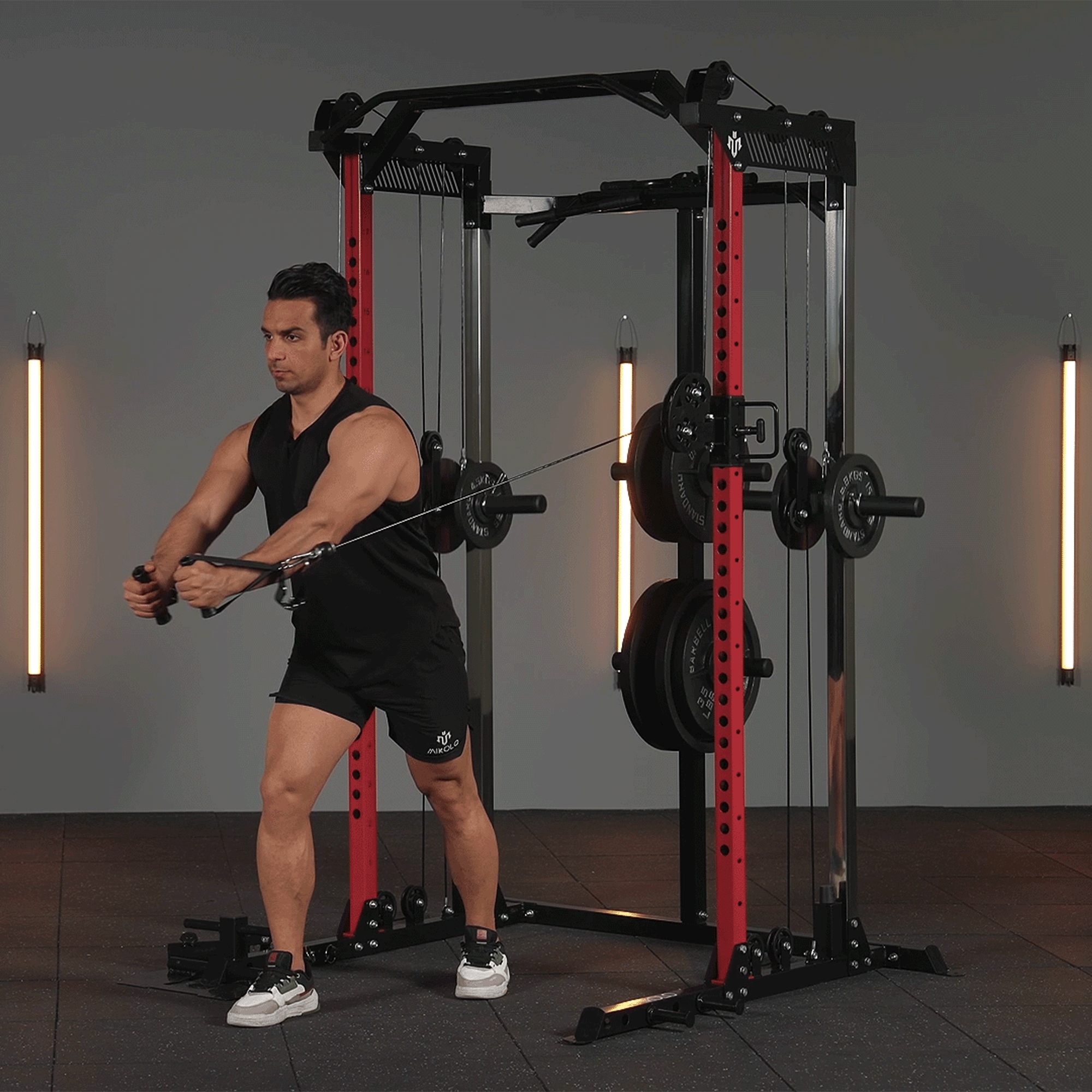
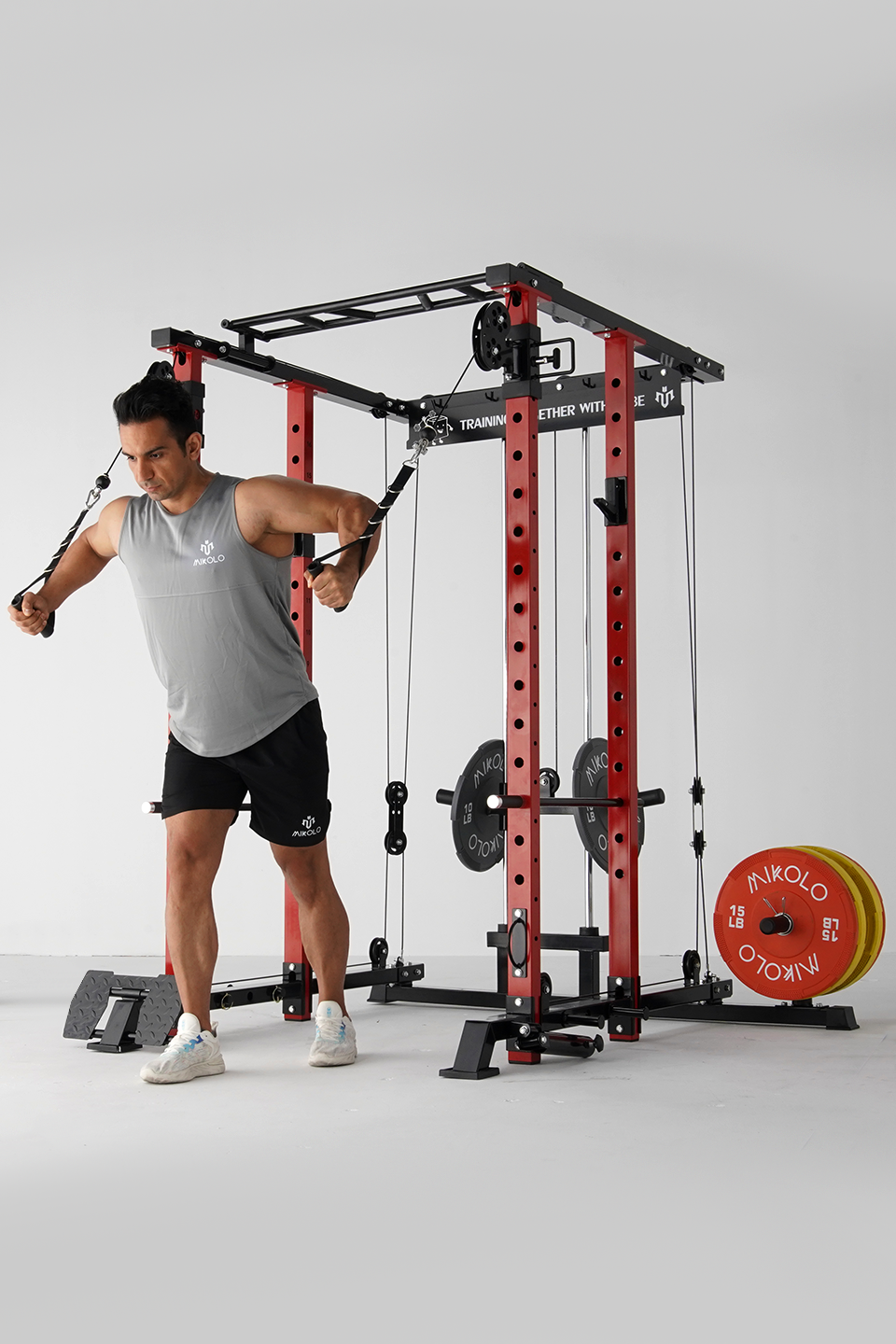
Common Exercises: Rear delt fly, face pulls, reverse cable crossovers.
Why You Should Train All 3 Shoulder Muscles
Focusing only on the front deltoid can lead to muscle imbalances and increase your risk of shoulder injuries. A well-rounded shoulder workout should include movements that target all three muscle groups. This approach enhances shoulder stability, improves posture, and builds a more symmetrical physique.
Final Thoughts
Understanding the names and functions of the three shoulder muscles—anterior, lateral, and posterior deltoids—can significantly elevate your training results. Whether you’re new to strength training or refining your upper body program, balanced shoulder development is key to both performance and aesthetics.
Ready to take your shoulder training to the next level? Focus on targeting each deltoid head with proper form and consistent intensity—and you’ll be well on your way to building strong, sculpted shoulders.


Leave a comment
This site is protected by hCaptcha and the hCaptcha Privacy Policy and Terms of Service apply.