







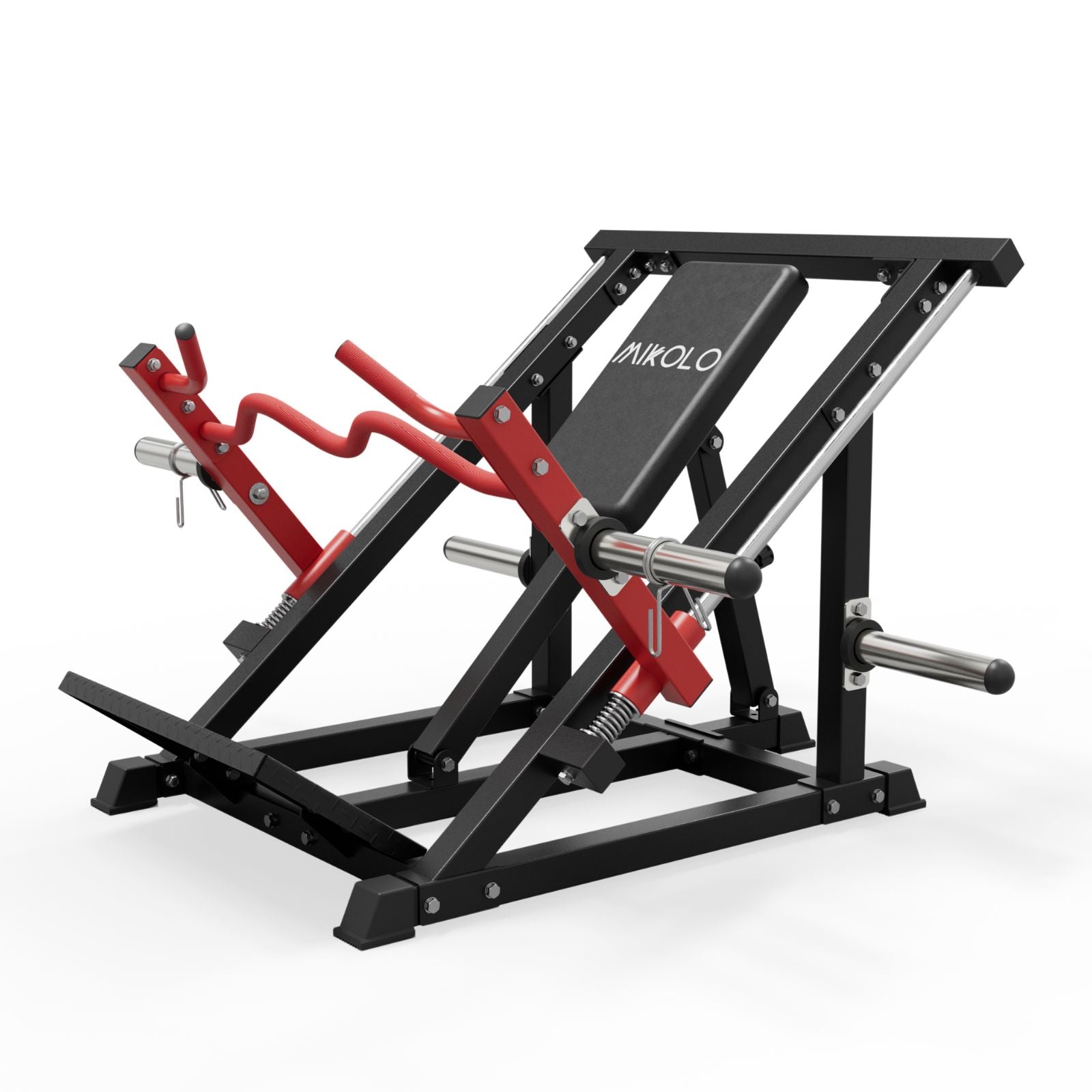


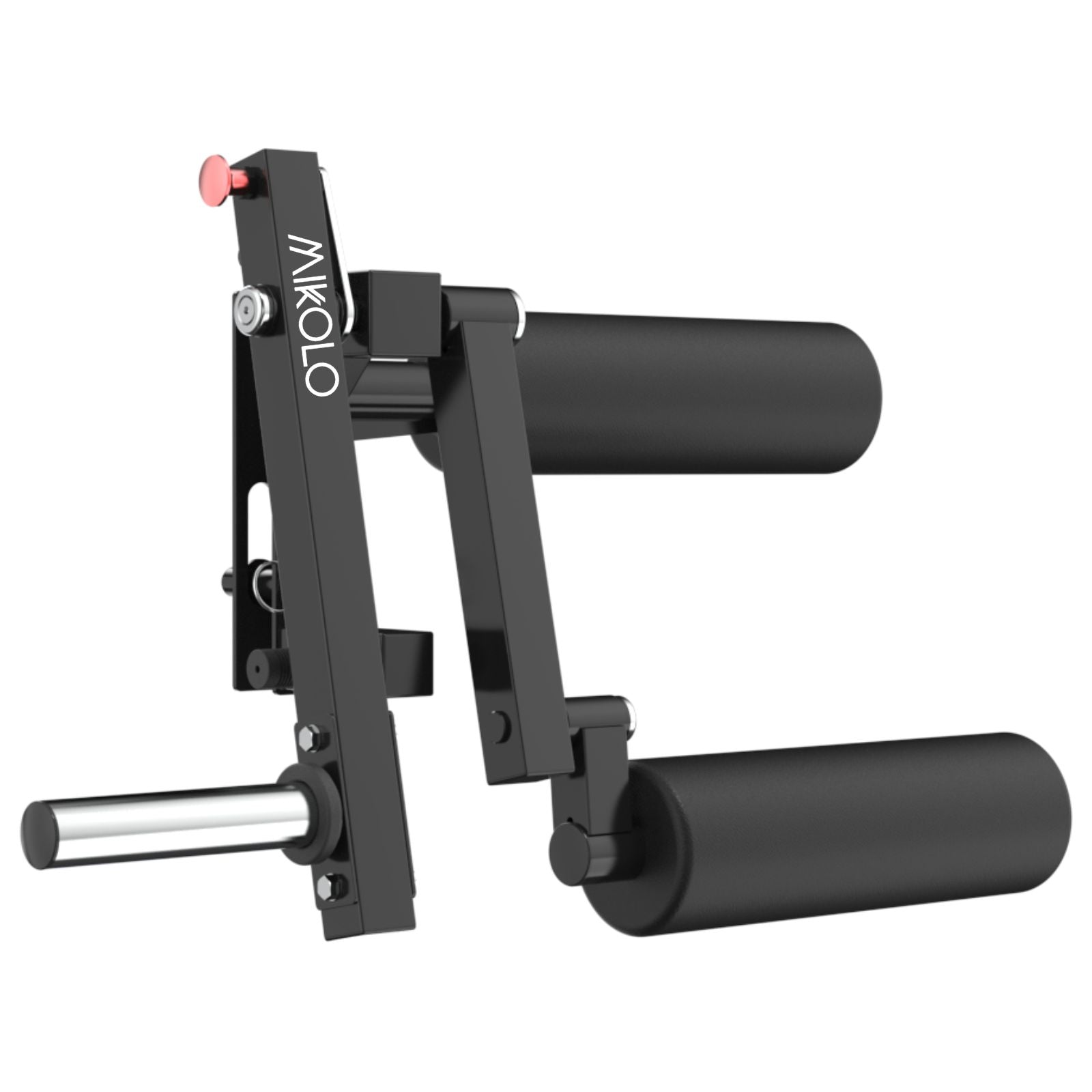


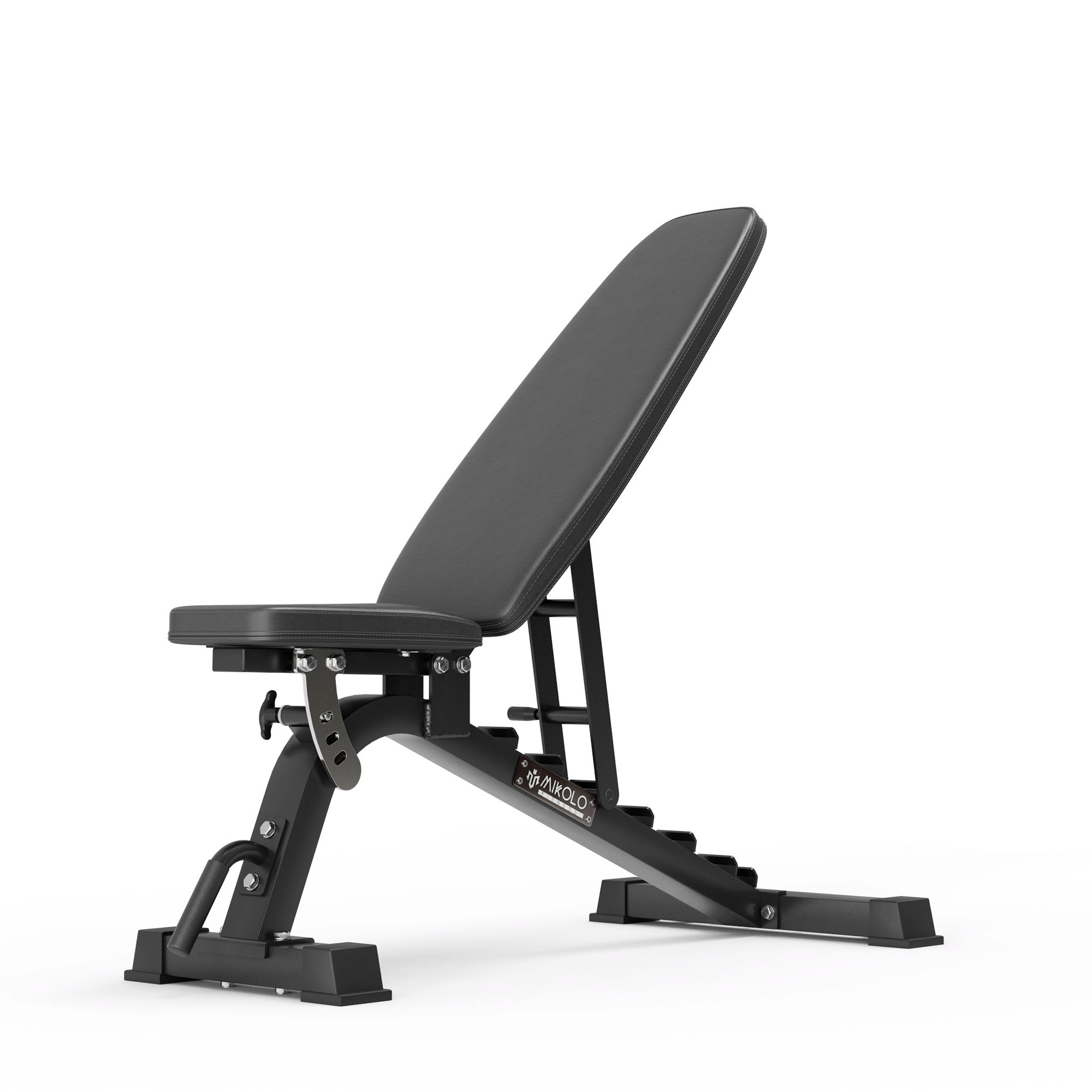




For anyone serious about upper-body performance—whether in fitness, gymnastics, or everyday movement—shoulder health is non-negotiable. The shoulder joint, with its wide range of motion, is both a gift and a liability. It enables everything from overhead presses to handstands, yet it’s also one of the most frequently injured areas. Enter the shoulder trainer, a tool designed to build strength, restore mobility, and bulletproof your shoulders from future setbacks.
What Is a Shoulder Trainer?
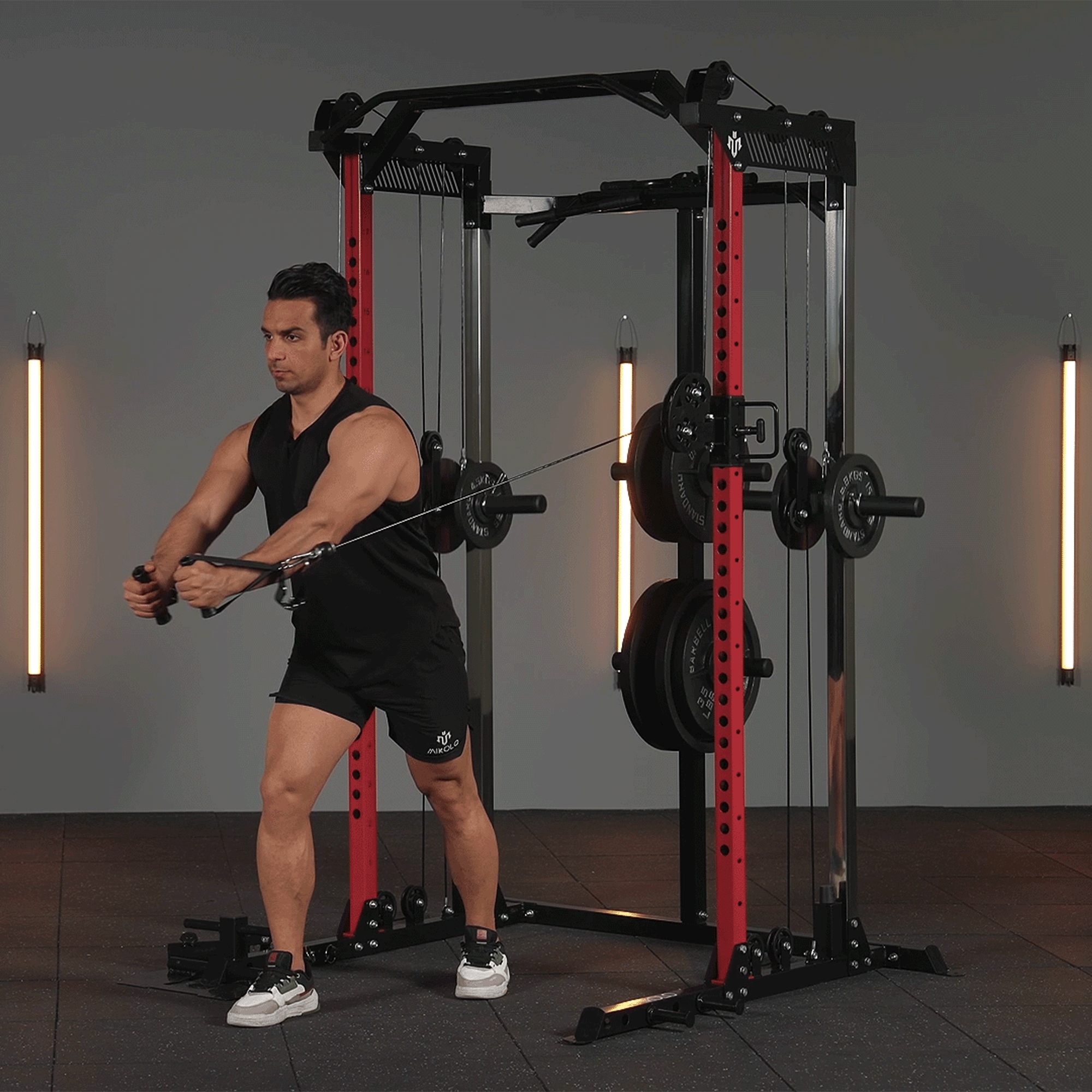
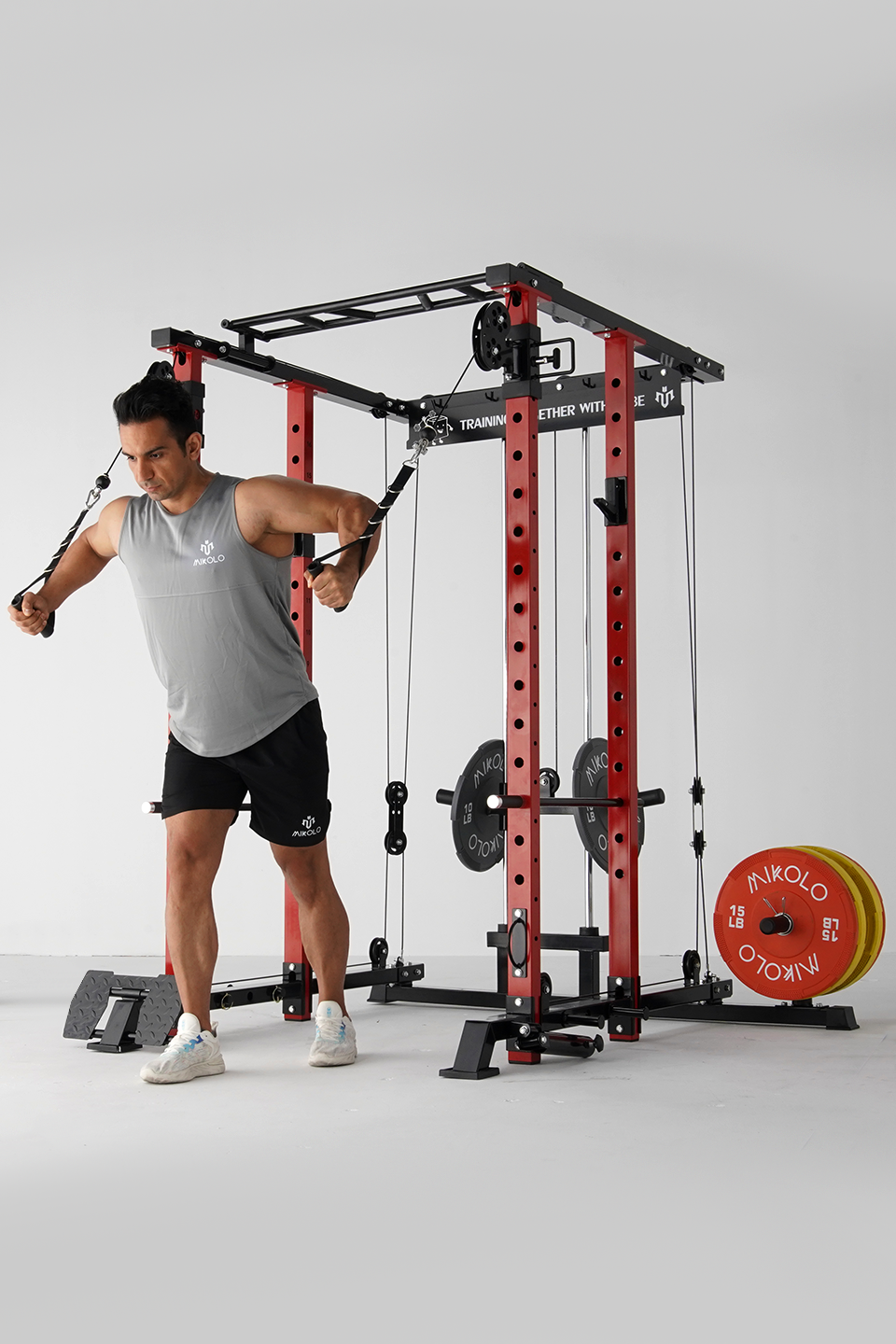
A shoulder trainer is a piece of equipment engineered to guide and improve movement patterns in the shoulder girdle. Unlike traditional free weights, shoulder trainers provide a controlled path of resistance, allowing users to focus on scapular stability, rotator cuff engagement, and joint mobility without overloading fragile structures.
Some trainers are simple resistance bands or pulley-based tools. Others are advanced systems found in rehab clinics or elite gyms. Regardless of the type, their purpose is the same: improve function, not just brute strength.
Benefits of Shoulder Trainers for Everyday Lifters
Shoulder trainers are especially valuable for:
-
Improving shoulder stability before progressing to heavy overhead lifts like the press or snatch
-
Rehabilitating shoulder injuries from sports or poor posture
-
Balancing strength between the front and rear delts, often neglected in push-dominant training programs
-
Enhancing mobility for deeper range of motion in gymnastics, yoga, or calisthenics
If you’ve ever experienced pinching pain during bench press or tightness in your traps after pull-ups, a structured program using a shoulder trainer could be the missing link.
The Role of an Open Shoulder Trainer in Gymnastics
In the gymnastics world, an open shoulder trainer refers to a tool or exercise that emphasizes the open shoulder position—a fully extended, overhead shoulder alignment used in skills like handstands, hollow body holds, and rings work.
Athletes often use open shoulder trainers—like wall slides, elevated pike holds, and mobility sliders—to strengthen that overhead position without compensating through the lower back or neck. For young gymnasts, building comfort in this position early is essential for skill progression and injury prevention.
Coaches love open shoulder trainers because they reinforce technical cues in a tangible way. Instead of shouting “open up your shoulders!”, the trainer gives the athlete real-time resistance and feedback to self-correct.
My Journey Back to Mobility
Years ago, after a shoulder tweak from poor form during dips, I found myself avoiding pressing exercises altogether. Overhead movements felt unstable, and rehab was frustratingly slow. A physical therapist introduced me to a structured shoulder trainer program that emphasized slow, controlled reps with resistance tubing, isometric holds in the open shoulder position, and scapular retraction drills.
Within weeks, I regained confidence—not just physically, but mentally too. Now, shoulder trainer work is a permanent part of my warm-up and deload routines. It’s not glamorous, but it keeps me in the game.
How to Integrate Shoulder Trainers Into Your Routine
You don’t need to overhaul your program. Instead, try weaving in 10–15 minutes of shoulder work before or after your main lifts:
-
Warm-up:
-
Resistance band dislocates
-
Wall slides with pauses
-
Scapular push-ups
-
-
Accessory work:
-
Face pulls with controlled tempo
-
Open shoulder holds on wall or stall bars
-
Cable or band external rotations
-
-
Cool-down:
-
Overhead band distractions
-
Doorway pec stretches
-
Prone snow angels
-
Consistency here pays off in durability, posture, and lifting longevity.
Final Thoughts
Whether you're a gymnast striving for textbook handstands or a lifter chasing your next PR, a shoulder trainer helps you build the foundation to get there safely. It’s not just about stronger shoulders—it’s about smarter training, cleaner movement, and fewer setbacks.


Leave a comment
This site is protected by hCaptcha and the hCaptcha Privacy Policy and Terms of Service apply.