

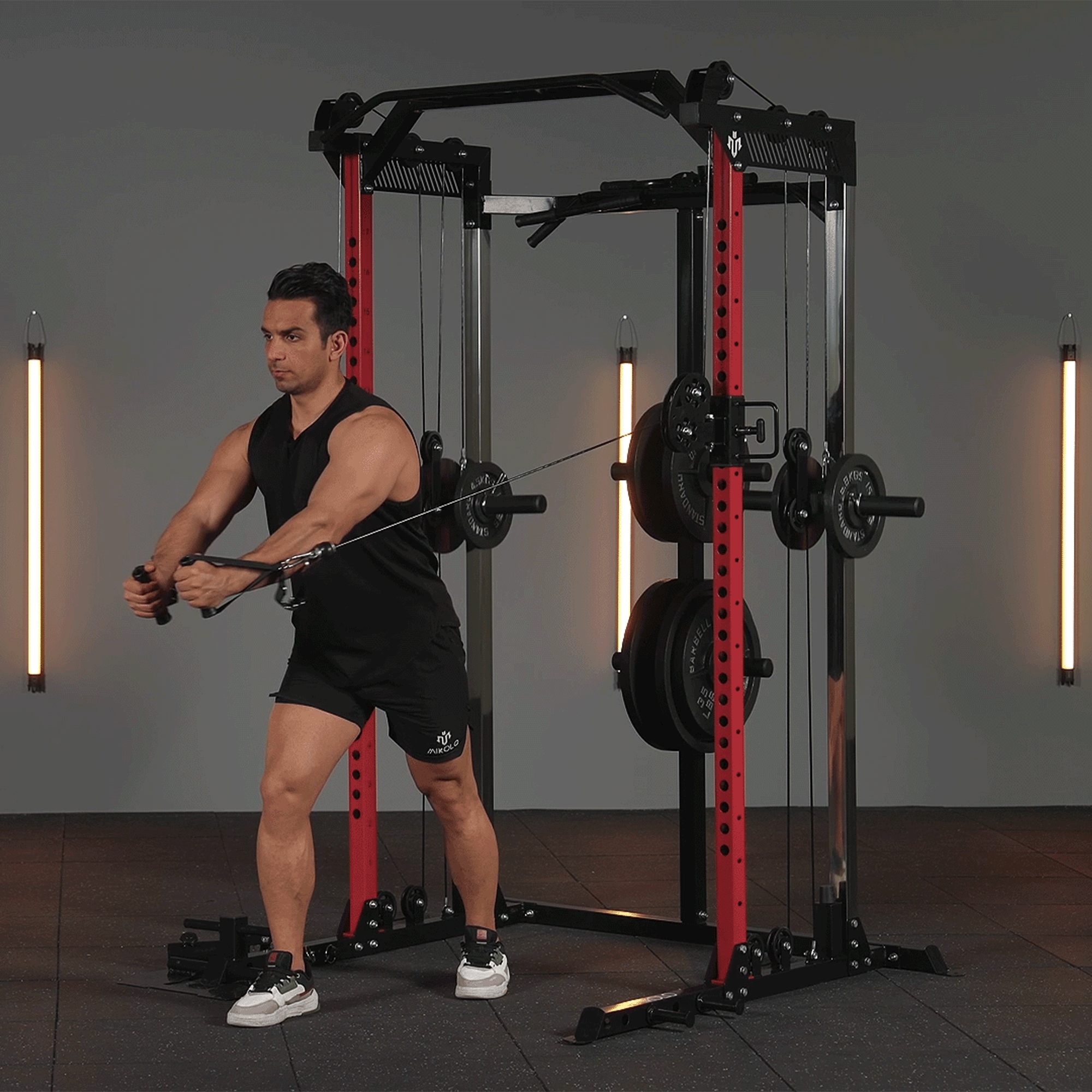
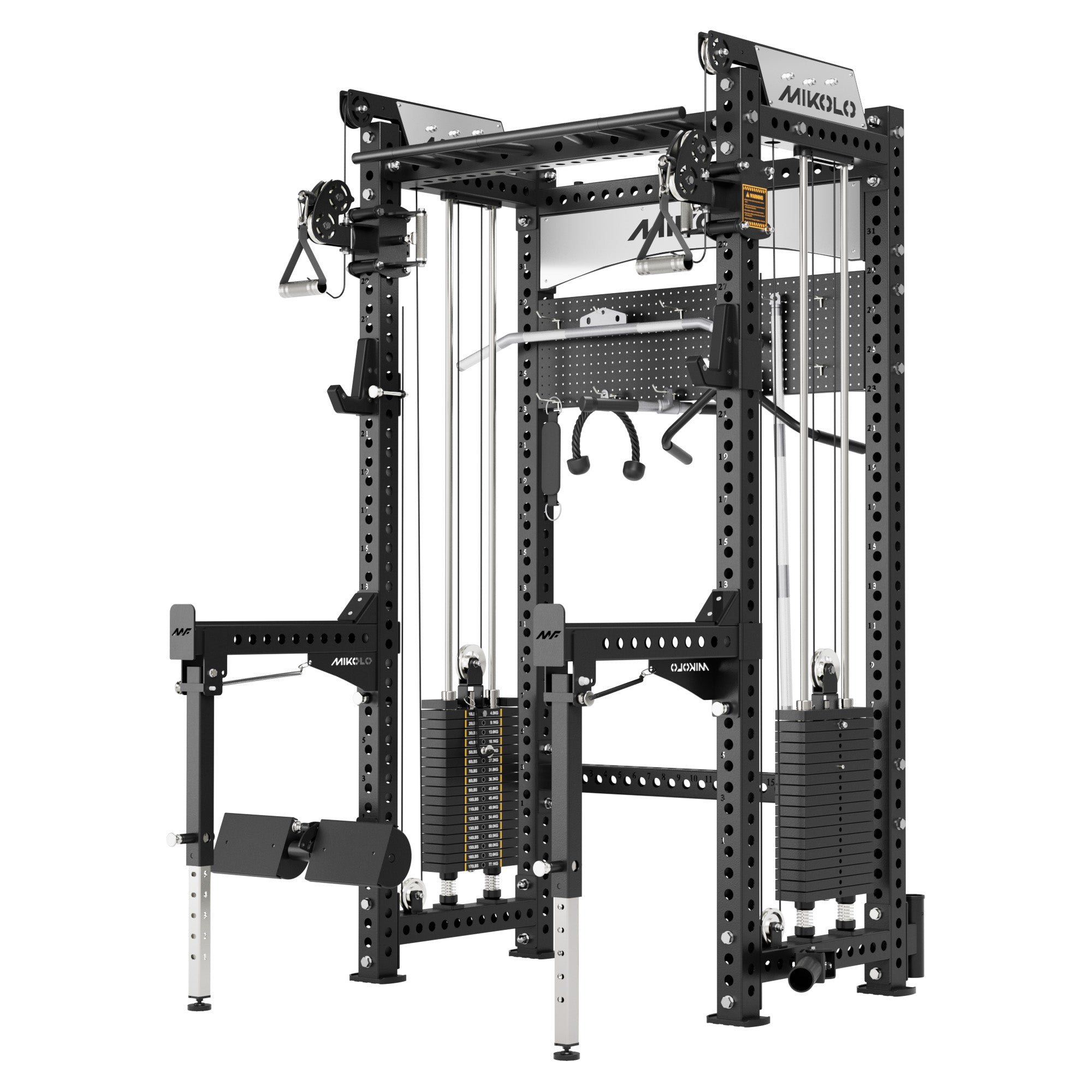

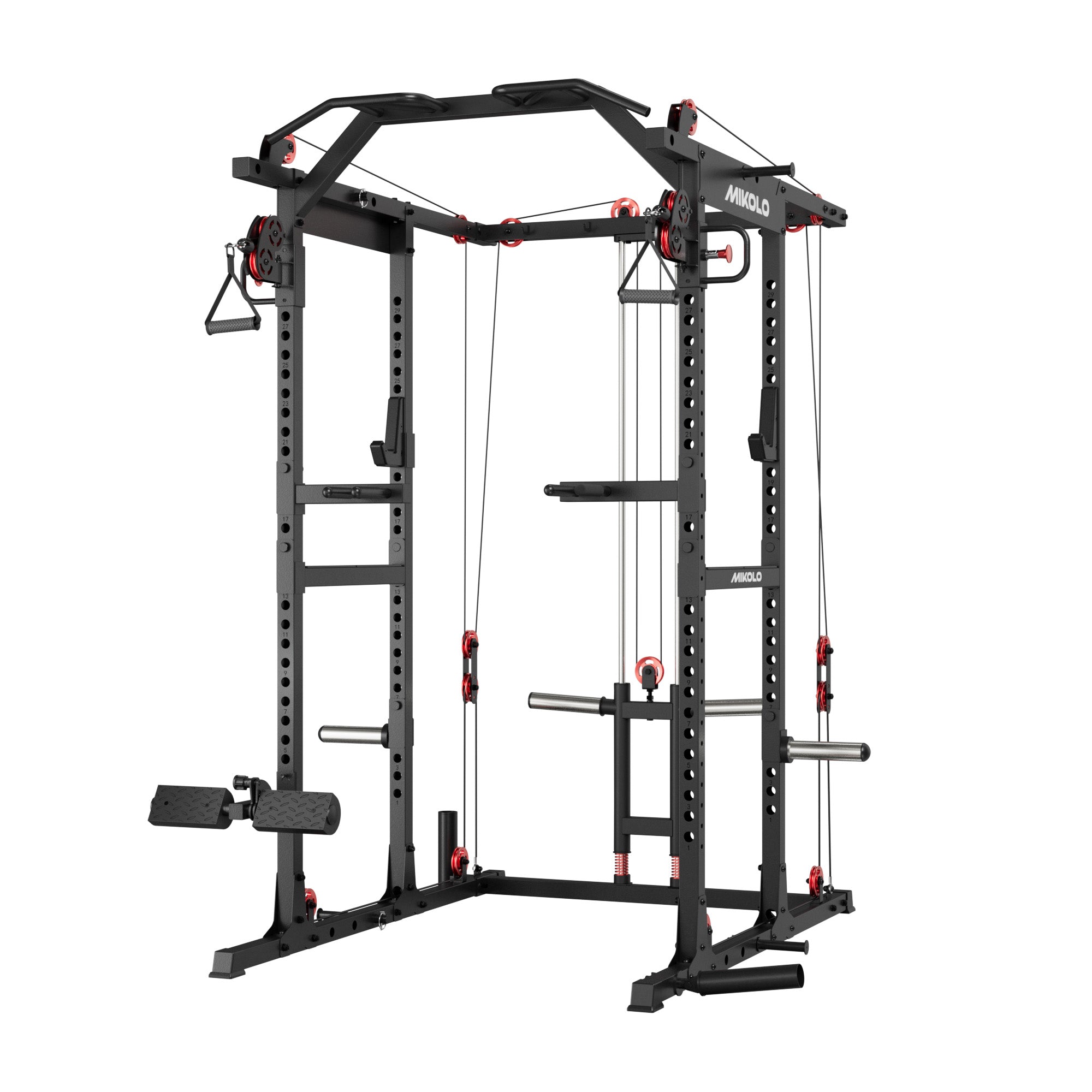


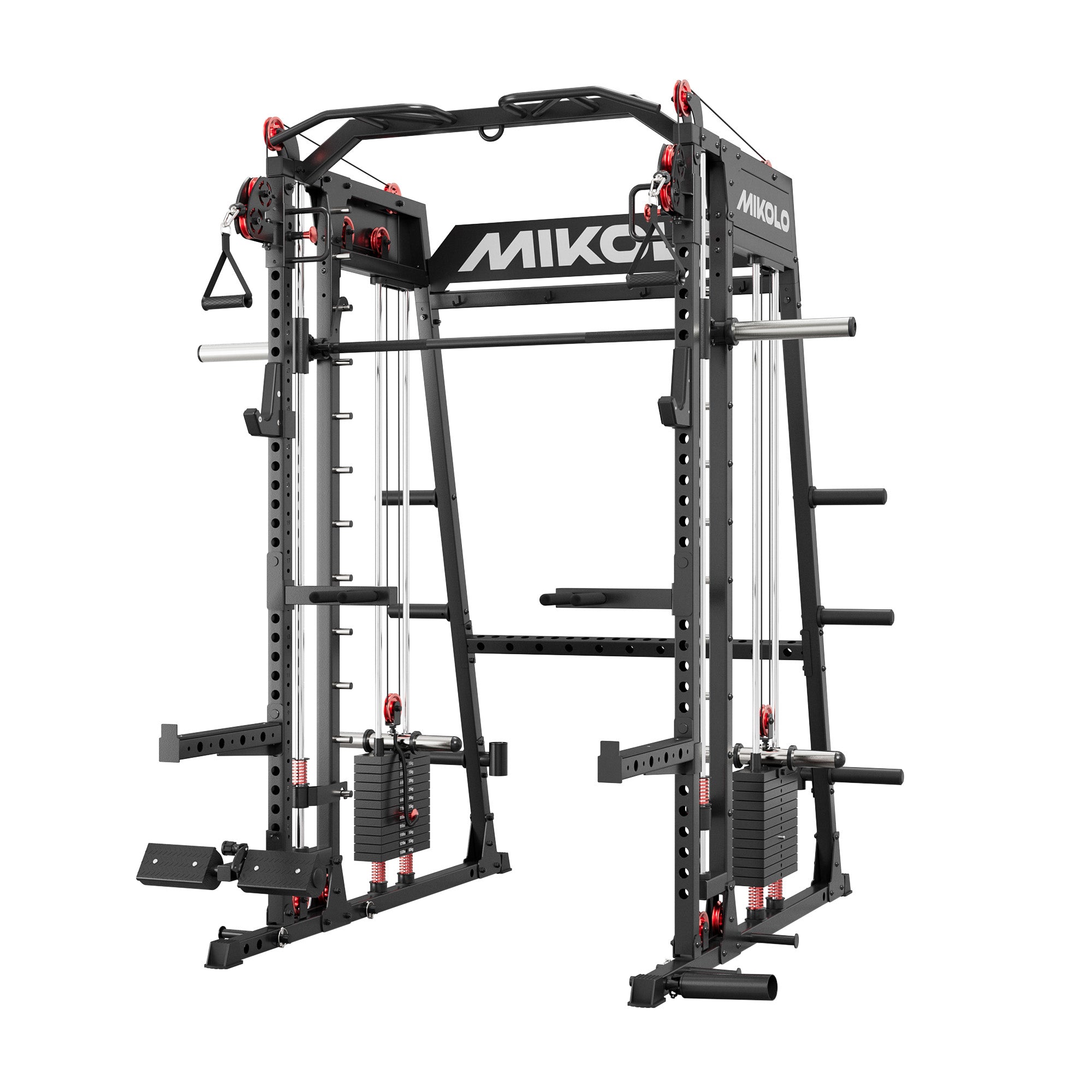








When it comes to fitness, many women begin with a goal—whether it’s building confidence, increasing energy, improving posture, or simply feeling stronger. But too often, the focus gets limited to just a few body parts. In reality, training all major muscle groups is essential—not just for aesthetics, but for longevity, functionality, and overall well-being.
This guide explores the core female muscle groups that deserve attention, how to train them effectively, and why balance is the key to sustainable fitness.
1. Glutes: More Than Just Aesthetic
The gluteal muscles—gluteus maximus, medius, and minimus—are some of the most powerful in the body. Strong glutes support posture, protect the lower back, and contribute to athletic power.
Best exercises:
-
Hip thrusts
-
Bulgarian split squats
-
Deadlifts
-
Glute kickbacks
These movements don’t just sculpt the backside—they help with everything from walking and lifting to injury prevention.
2. Core: The True Center of Strength
Core training isn’t about crunches or chasing six-pack abs. A strong core stabilizes your spine, supports balance, and enhances every movement from squats to running.
Focus on:
-
Deep core activation (e.g., dead bugs, planks)
-
Obliques (side planks, Russian twists)
-
Lower abs (hanging leg raises, reverse crunches)
A properly trained core improves posture and helps reduce back pain—benefits that many women start to prioritize as life becomes more demanding.
3. Upper Body: Confidence in Every Reach
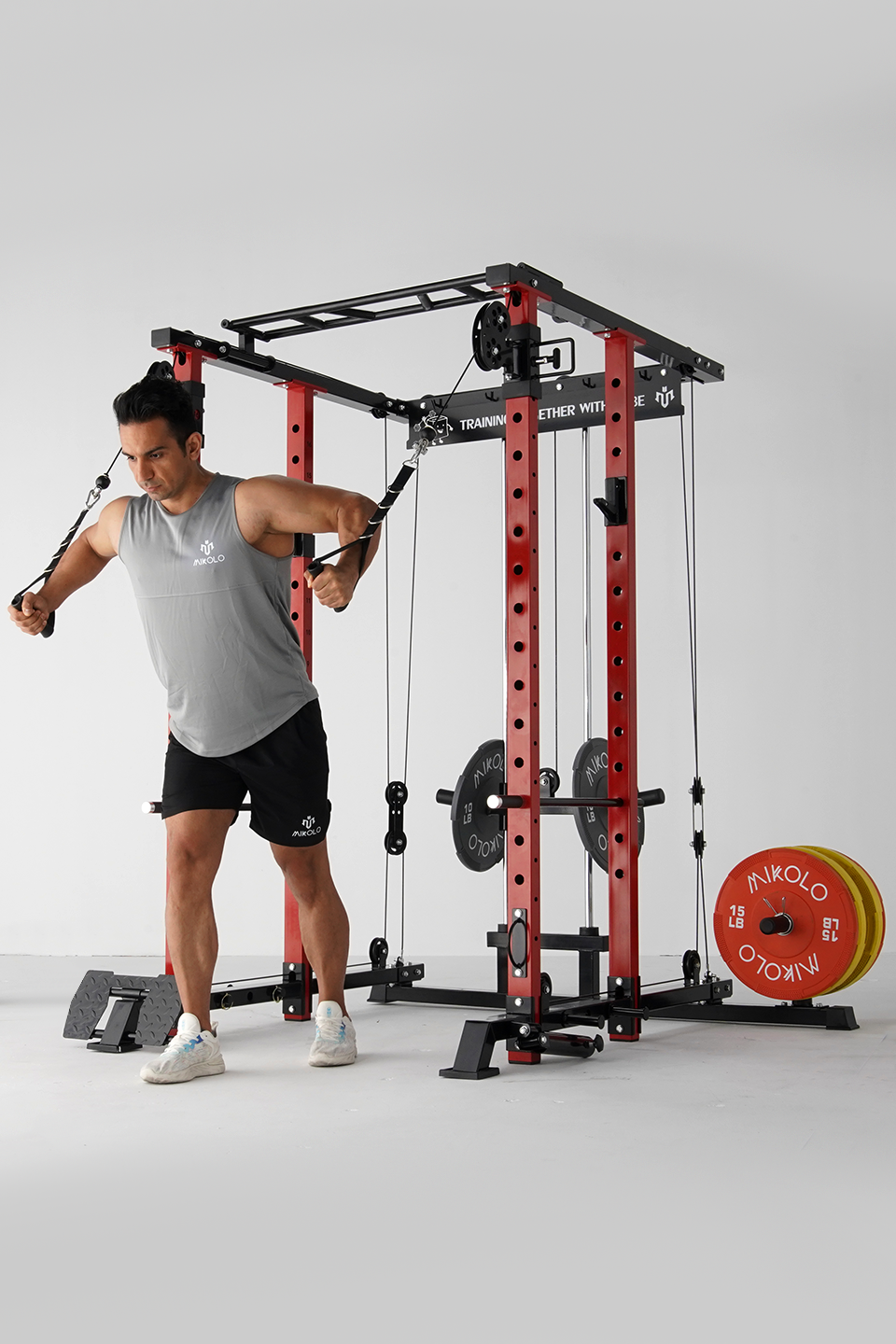
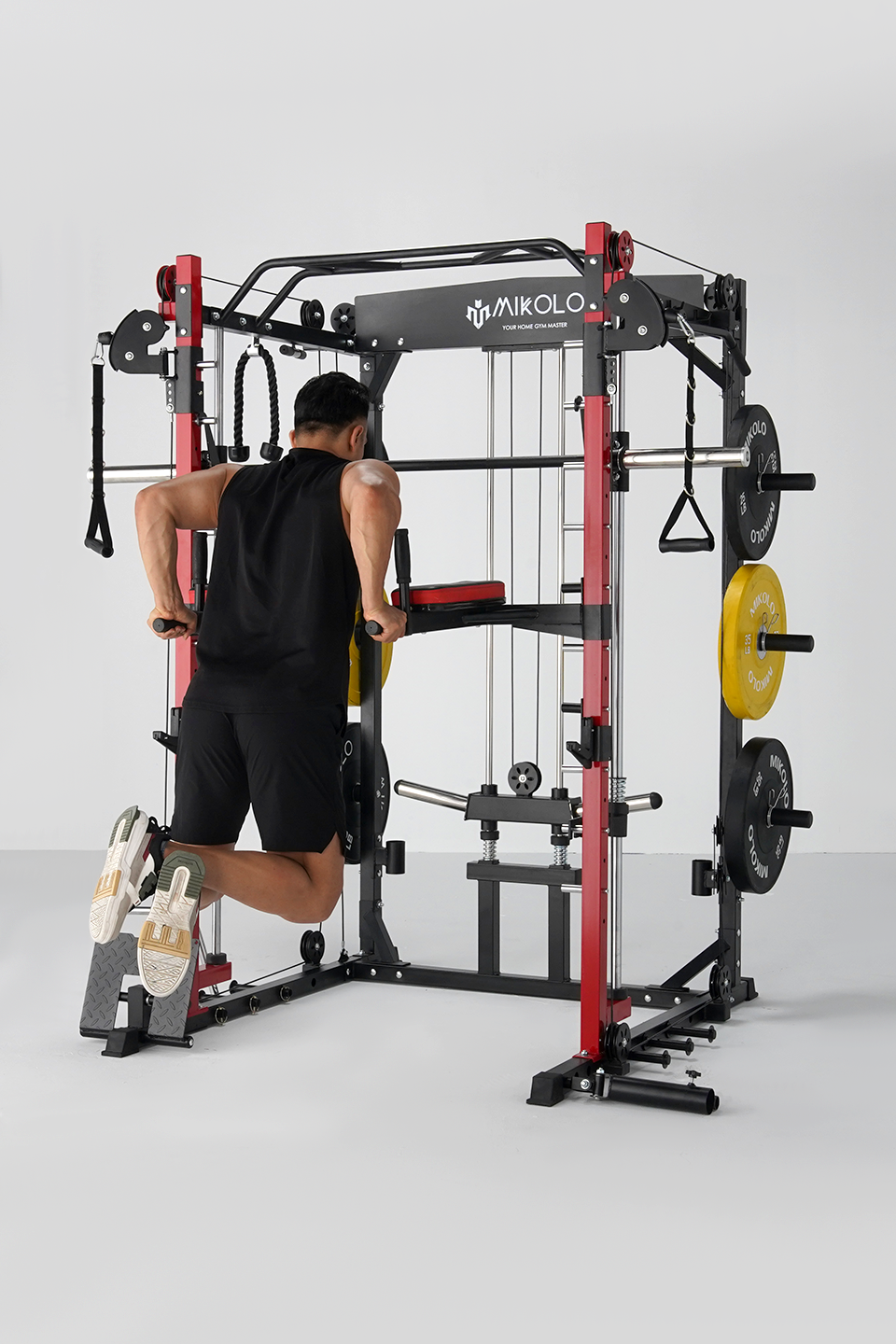
Women often shy away from training the upper body, fearing bulk. But well-developed shoulders, arms, and back muscles not only enhance strength but also help balance posture, especially if you’re desk-bound for most of the day.
Muscle groups to train:
-
Shoulders (deltoids)
-
Back (lats, traps, rhomboids)
-
Arms (biceps, triceps)
Go-to movements:
-
Push-ups and incline presses
-
Lat pulldowns or assisted pull-ups
-
Dumbbell rows and overhead presses
Feeling capable enough to lift your suitcase or carry your toddler without strain is an underrated form of freedom.
4. Legs: Power and Endurance
Beyond glutes, the quadriceps, hamstrings, and calves play a huge role in lower-body power and stamina.
Key movements:
-
Squats (front and back)
-
Romanian deadlifts
-
Lunges (walking or stationary)
-
Step-ups
Strong legs help with everything from running to hiking and make everyday movements more efficient and pain-free.
5. Personal Note: Training as a Woman
I’ll never forget my first unassisted pull-up. It wasn’t about the rep—it was about reclaiming a sense of control over my body. As a young adult, I focused mainly on cardio and tried to "stay thin." But my mindset changed once I began strength training. My joints felt better. I stood taller. I noticed how my energy carried into everything—work, relationships, even how I walked into a room.
Strength training isn’t just physical—it’s psychological. Every set builds more than muscle. It builds resilience.
6. Putting It All Together: A Balanced Weekly Split
To avoid overtraining and promote muscle recovery, structure your weekly workouts by alternating major muscle groups:
-
Day 1: Glutes & hamstrings
-
Day 2: Upper body (back, biceps)
-
Day 3: Core + low-impact cardio
-
Day 4: Quads & calves
-
Day 5: Shoulders, chest, triceps
-
Day 6: Active recovery (yoga, walking)
-
Day 7: Rest
Final Thoughts
Working out shouldn’t be about shrinking yourself—it should be about becoming more of who you are. Understanding the muscle groups women benefit from training helps break stereotypes and shifts focus from appearance to ability.
Whether you're lifting your first dumbbell or returning after time away, remember: every body—including yours—was made to move, lift, and grow stronger.


Leave a comment
This site is protected by hCaptcha and the hCaptcha Privacy Policy and Terms of Service apply.