The Smith machine is a staple in many gyms—a barbell fixed on steel rails, moving only up and down in a straight path. Unlike free weights, it guides your motion and comes with built-in safety hooks so you can catch the bar whenever you need. That’s a big reason it attracts both beginners and seasoned lifters.
The Smith machine gives you more control and safety than free weights, especially if you’re working out solo. You can lock the bar in place with a quick twist of your wrists, so there’s no need for a spotter if you can’t finish a rep. The set path also lets you hone in on specific muscles without stressing about balance the whole time.
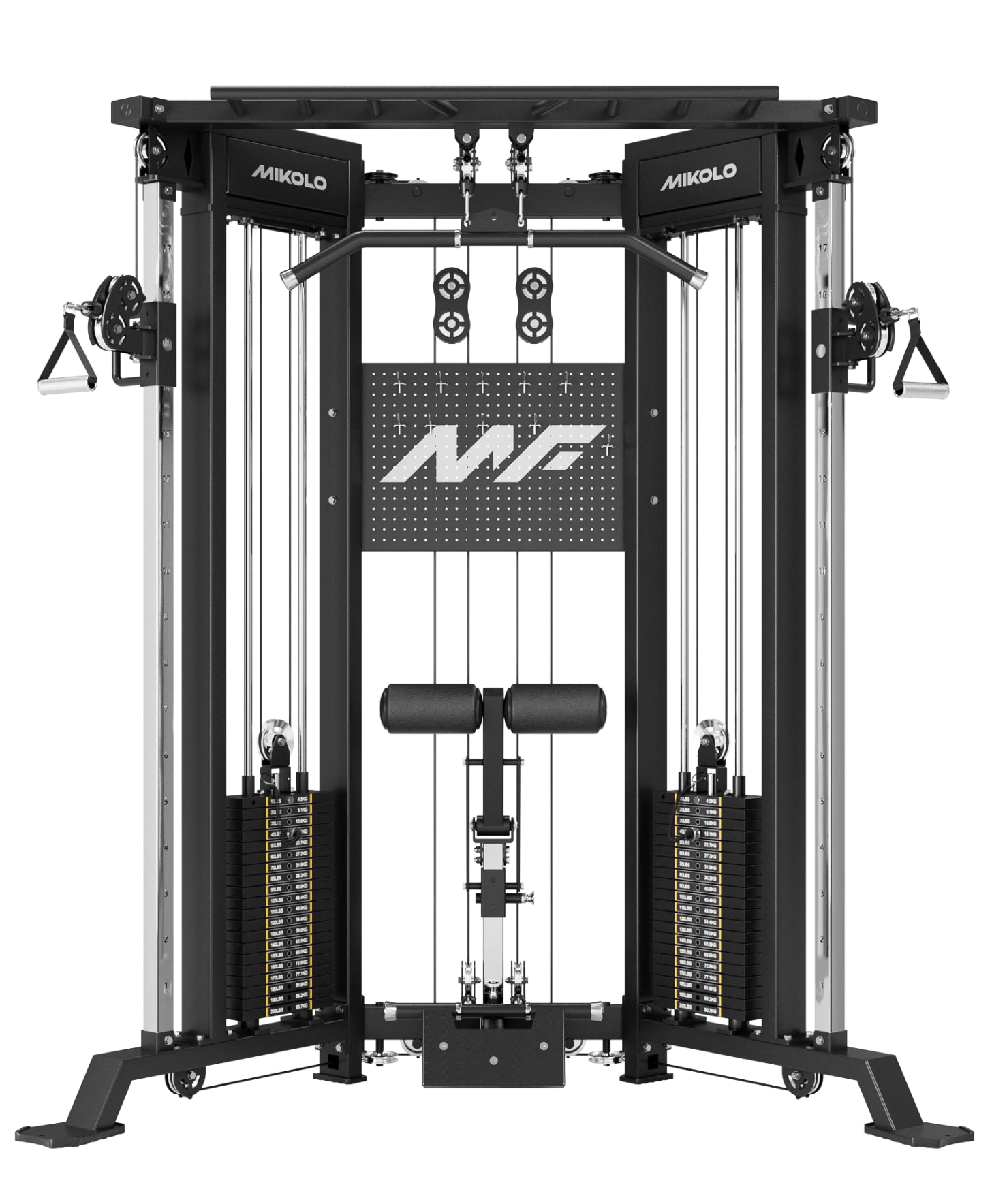
For home gym users, modern all-in-one Smith machine systems combine multiple stations—like cables, pull-up bars, and storage—into one compact setup, making them a practical choice for building a complete training space.
Once you get the hang of the Smith machine, it can really boost your workouts. You’ll see how different machines work, which exercises hit your legs, chest, glutes, and back, and how to dodge the usual mistakes that slow your progress.
Understanding the Smith Machine
The Smith machine stands out because of its fixed barbell path and safety features. The guided rails control the bar’s movement, and you can lock it in place at any time with simple hooks along the track.
Core Components and Design
At its core, the Smith machine is a barbell attached to vertical steel rails—these rails typically run from the floor to about seven or eight feet high. The bar slides smoothly up and down on these tracks.
The barbell usually weighs between 15 and 25 pounds, which is less than a standard Olympic barbell (that’s 45 pounds). It’s worth knowing your machine’s bar weight so you can actually track your lifts.
Safety hooks are spaced every few inches along the rails. Twist the bar, and you can hook it at any height—perfect if you’re tired or lose control mid-set. Most machines also have adjustable stops to keep the bar from dropping too low.
Guided Barbell Mechanics
The bar only moves vertically (sometimes with a slight forward angle). You can’t move it forward, back, or side-to-side. This locked-in path means you don’t have to balance the weight as you would with free weights.
Every rep follows the same route, start to finish. To lock or unlock the bar, just twist your wrists a bit and it’ll catch or release from the safety hooks.
Because the machine does the stabilizing, your smaller support muscles aren’t as involved as they’d be with free weights. The Smith machine handles the bar’s position for you.
Comparison With Traditional Free Weights
With free weights, you’re balancing and controlling the barbell in every direction. Your stabilizers are working overtime to keep it steady. The Smith machine takes that job away.
Free weights let you adjust the bar path to fit your body’s natural movement. The Smith machine locks you into one line. That’s handy for isolating muscles, but it might not match how your joints want to move.
If things go south with free weights, you can bail by dropping or rolling the bar away. On the Smith machine, just twist and lock the bar wherever you are—super quick exit.
Safe Operation Tips
Getting the setup right, actually using the safety features, and keeping good form are the basics for staying safe and getting stronger on the Smith machine.
Proper Setup and Positioning
Always adjust the bar height before you add weight. For squats, set the bar at shoulder height. For bench presses, you want it so your arms are slightly bent when you’re lying down.
Make sure your body lines up naturally with the bar’s path. If you have to twist or reach awkwardly, adjust until it feels right.
Double-check the safety stops—those are your last line of defense. Set them just below your lowest point in the movement.
Give the machine a quick once-over. The bar should rotate smoothly and all the pins should be locked in.
Engaging Safety Locks
The Smith machine’s hooks lock the bar in place. To unlock, lift the bar a bit and twist your wrists—usually just a small turn forward or back.
It’s smart to practice this locking move with no weight first. You want it to be second nature in case you get stuck mid-lift. The twist-and-lock should be automatic.
Keep the safety stops at the right height for every exercise. They should catch the bar if you fail, but not block your range of motion. Try them with a light load to make sure they’re set right.
Correct Lifting Techniques
Brace your core every rep. This protects your back and helps with balance, even though the machine’s guiding the bar.
Use a steady tempo—lower the weight for 2-3 seconds, lift it back up in 1-2. Don’t just let it drop with gravity.
Keep your feet flat. Don’t let your heels pop up during squats or push through your toes on the bench press.
Remember to breathe: inhale as you lower, exhale as you push up. Holding your breath for a whole set? Not a good idea.
Common Mistakes to Avoid
Don’t get lazy with your stabilizers—the machine helps, but you still need to engage your core and supporting muscles.
Resist the urge to pile on weight too fast. The fixed path can make things feel easier, but your joints might not agree.
Don’t lean your body into the bar or use momentum to move it. That’s not the point of the exercise.
And seriously, never skip setting the safety stops. Even pros can miss a rep, and you want that backup.
Varieties of Smith Machines
Smith machines come in a few flavors, and the design can really change how the bar feels to lift. The track angle, counterbalance system, and extra features all play a role in which model fits your needs or space.
Multi-Functional Hybrid Machines
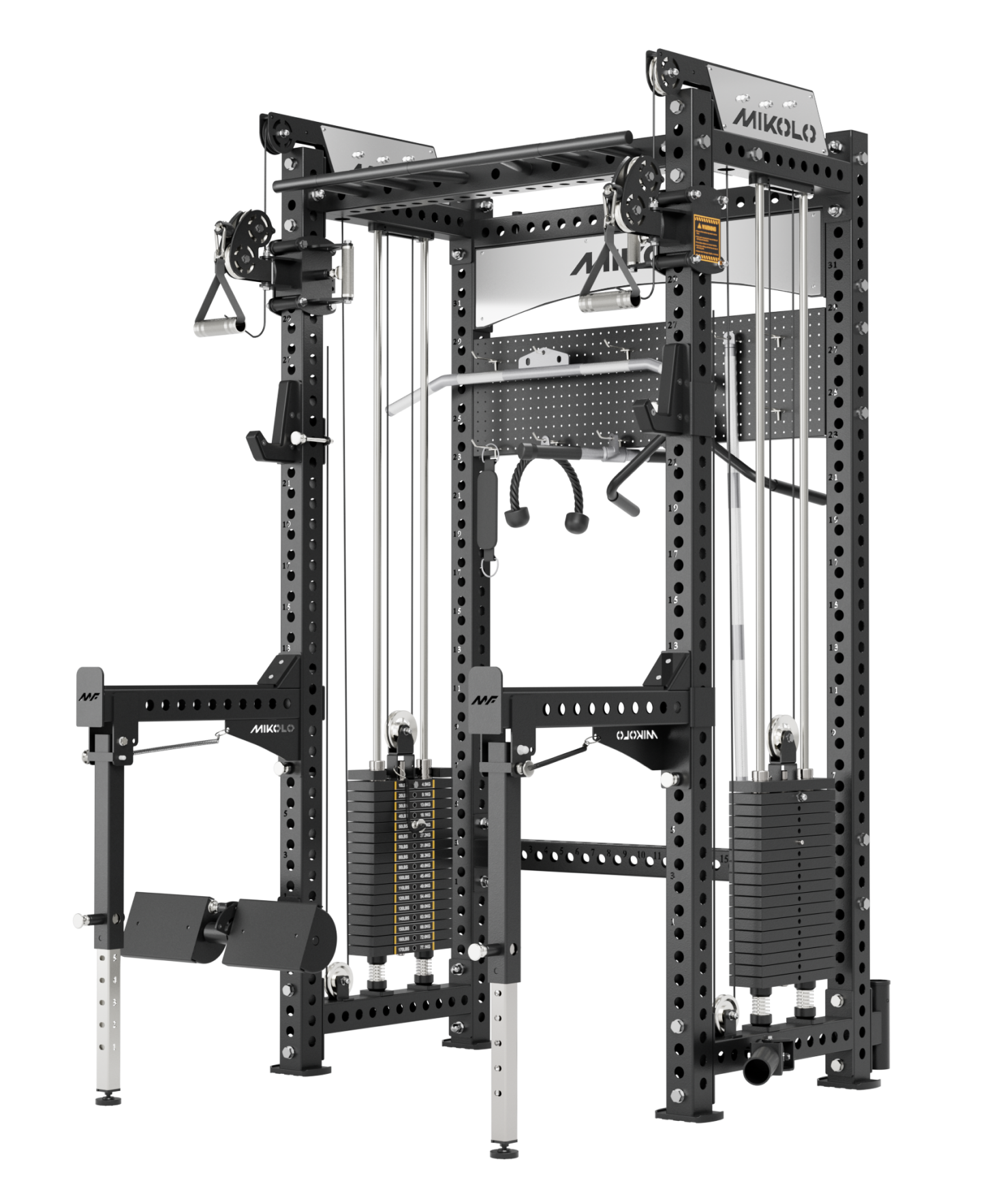
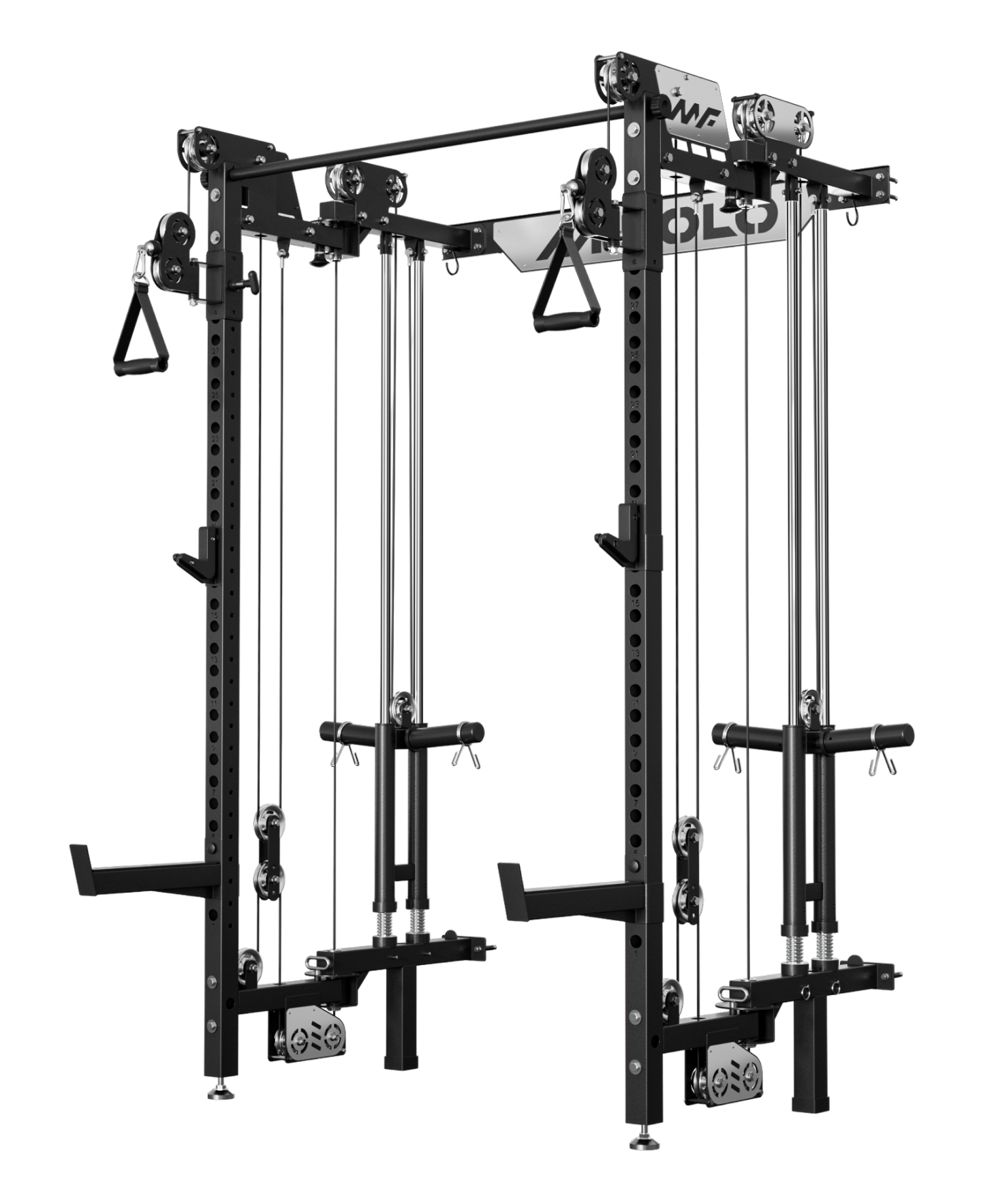
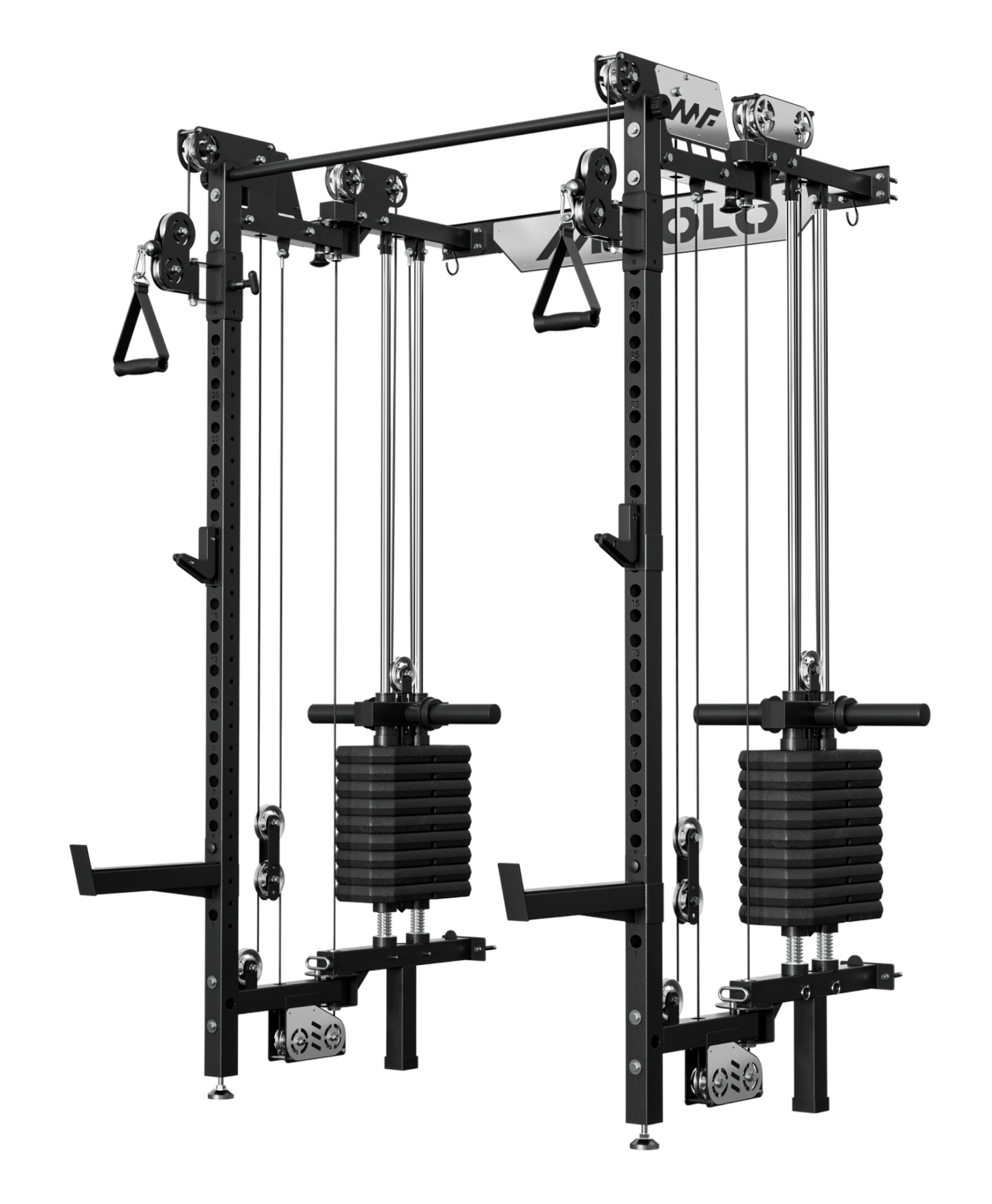
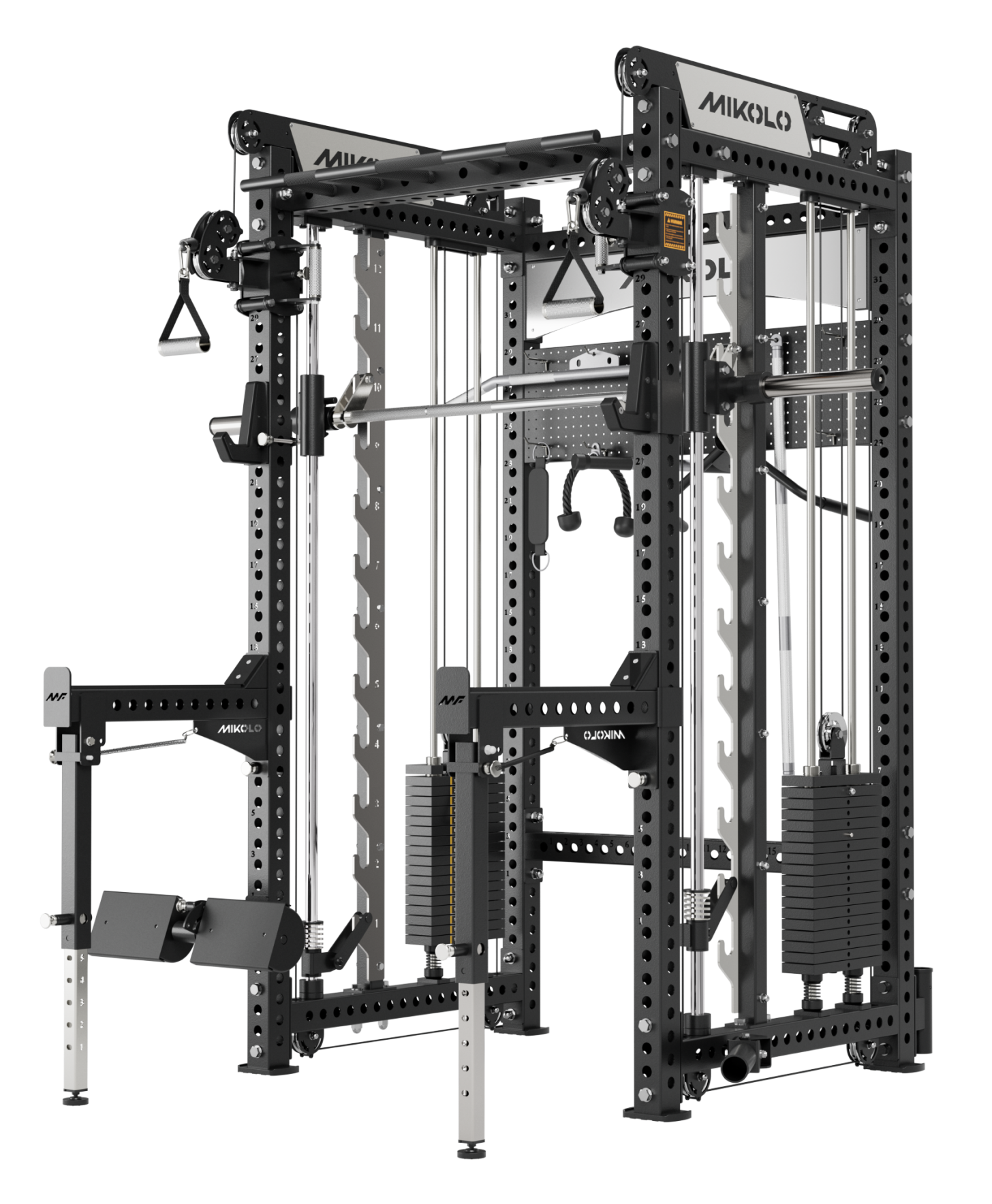
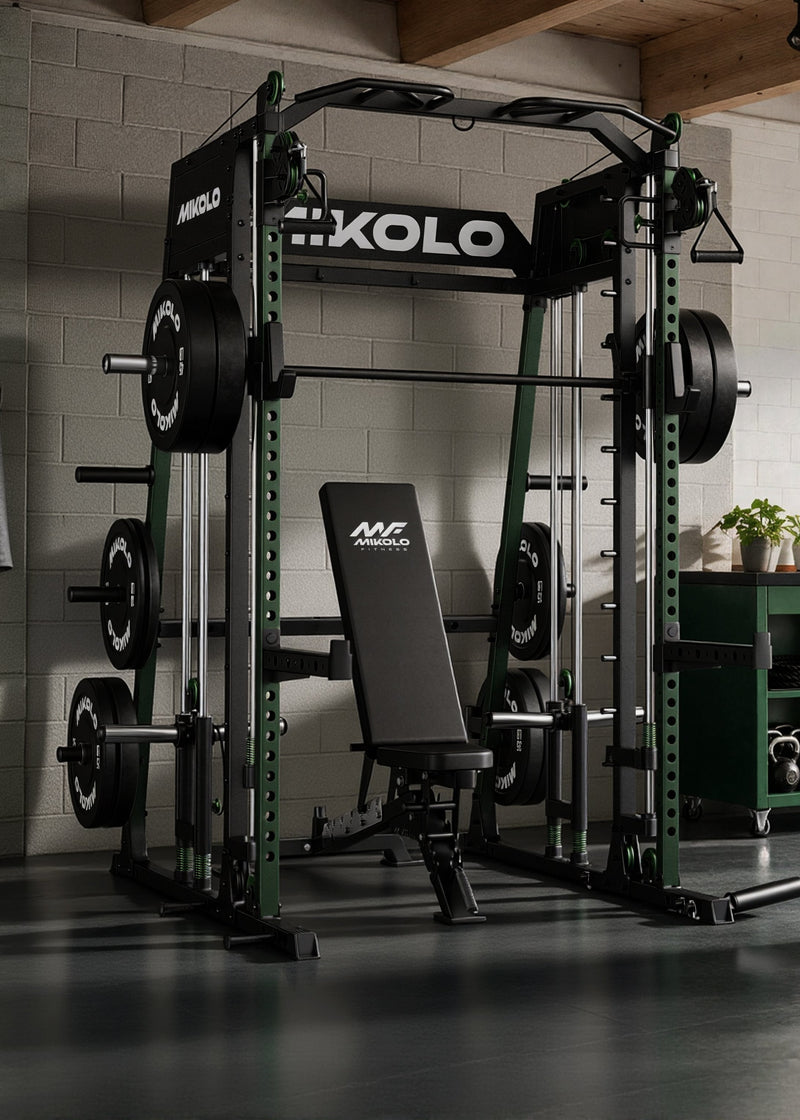
Hybrid Smith machines combine the Smith bar with other workout stations, giving you more options in one big setup. This is exactly where all-in-one systems stand out for home gyms.
Typical add-ons: cable crossovers, pull-up bars, plate storage, sometimes even a power rack on the side.
Example setups:
Mikolo All-in-One Smith Machine | Mikolo Anubis 2.0 (Dual Weight Stack)
They’re great for saving space in home gyms—you get lots of exercise variety without buying tons of separate gear. But they’re pricier and take up more room than a basic Smith machine.
Standard Linear Smith Machines
Standard linear Smith machines move the bar straight up and down—no angle at all. This rigid path doesn’t always match how your body wants to move.
They’re solid for calf raises and shrugs, since those moves are already pretty vertical.
But for squats or bench presses, that straight line can feel a bit forced. You might have to tweak your stance or bar position, and honestly, it’s not always comfortable compared to free weights.
Most gyms go with this type—they’re cheaper and don’t need much maintenance.
Angled Track Smith Machines
Angled Smith machines tilt the bar path at about a 7 to 12 degree angle. That slant is closer to how your body actually moves during big lifts.
The angle makes squats feel more natural—your knees and hips track better, and there’s less strain on your joints.
Bench presses benefit too, since the bar moves in a slight arc, more like what you’d get with free weights.
Downside? You can’t change the angle. What’s great for squats might not be perfect for other lifts.
Counterbalanced and Non-Counterbalanced Models
Non-counterbalanced Smith machines start with the full bar weight—usually anywhere from 15 to 45 pounds depending on the brand.
Counterbalanced machines use weights or springs to offset the bar, so it can feel as light as 5 to 15 pounds empty. That’s awesome for beginners who want to nail their form before loading up plates.
Some key differences:
How much weight you start with
How smooth the bar feels
Price tag
How much maintenance the machine needs
Counterbalanced systems have more moving parts, so they can wear out and cost more up front. But that lighter starting weight is great for learning the ropes safely.
Benefits and Limitations
The Smith machine shines for stability and controlled movement, but it does limit your natural motion and how much your stabilizers get involved.
Stability and Injury Risk
The fixed bar path provides built-in stability that helps lower your risk of dropping weights or losing balance during lifts.
Range of Motion Considerations
The Smith machine locks your movement into a single line, which may not match natural movement patterns for every lifter.
Versatility Across Exercises
You can perform a wide range of exercises including squats, presses, rows, and isolation work.
Suitability for Different Experience Levels
Beginners benefit from safety and control, while advanced lifters use it for hypertrophy and accessory work.
Should You Buy a Smith Machine for Your Home Gym?
If you’re building a home gym, a Smith machine is one of the most versatile pieces of equipment you can invest in.
Best for: Beginners, solo training, safer heavy lifting
Great for: Space-saving all-in-one setups
Less ideal for: Pure free-weight purists
Best Smith Machine for Home Gym Setup
All-in-One Smith Machine (Best Overall)
Mikolo All-in-One Smith Machine
Dual Weight Stack System (Premium)
Mikolo Anubis 2.0
Strategic Integration Into Training
Use free weights for primary lifts and Smith machine for controlled accessory work.
FAQ
Is a Smith machine good for beginners?
Yes, it provides safety and guidance for learning movements.
Can you build muscle with a Smith machine?
Yes, especially for hypertrophy-focused training.
Is a Smith machine worth it for a home gym?
For most users, yes—especially when training alone.
Smith machine vs free weights?
Both are valuable when used together.





















Leave a comment
This site is protected by hCaptcha and the hCaptcha Privacy Policy and Terms of Service apply.