







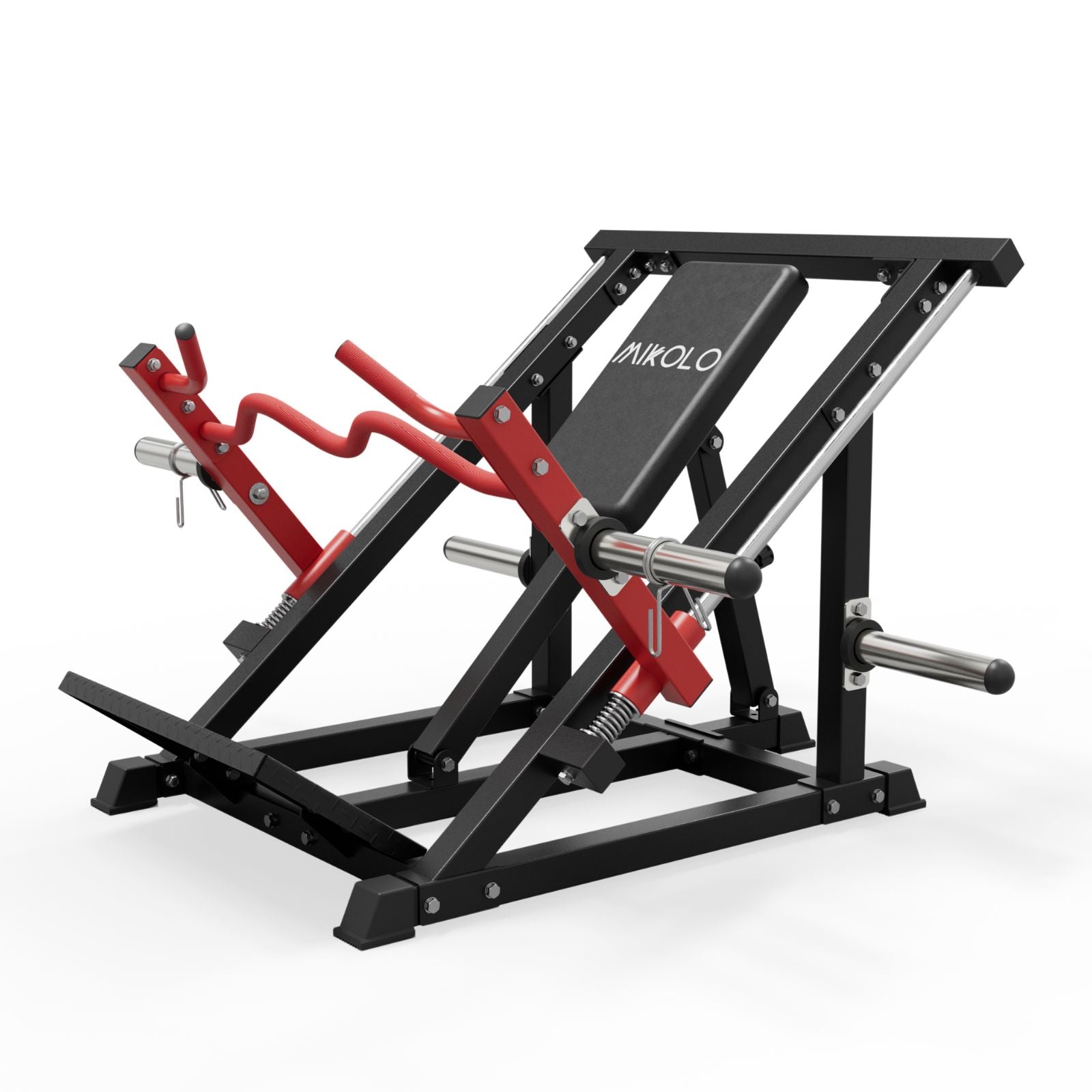








The leg press is a staple in lower-body training, offering a safe and controlled way to build strength in your quads, hamstrings, glutes, and calves. But when someone says they’re pressing “4 plates” or “10 plates,” what does that really mean? More importantly, is that a lot? Let’s break it down and explore what these numbers tell us about strength, progress, and good form.
What Does “Plates” on Leg Press Mean?
In most gyms, a standard Olympic weight plate weighs 45 pounds (20.4 kg). When someone says they're doing "3 plates on leg press," they typically mean 3 x 45 lb plates on each side of the sled — a total of 6 plates, or 270 lbs (not including the weight of the sled itself, which can range from 75 to 125 lbs).
Here’s a quick reference:
-
2 plates on each side = 4 plates total = 180 lbs
-
3 plates on each side = 6 plates total = 270 lbs
-
4 plates on each side = 8 plates total = 360 lbs
-
5 plates on each side = 10 plates total = 450 lbs
-
10 plates on each side = 20 plates total = 900 lbs
💡 Always check the specific machine's sled weight — some commercial leg press machines have a heavy starting resistance even before you load plates.
Is 4 Plates on Leg Press Good?
Pressing 4 plates (360 lbs total, plus sled) is a solid benchmark for intermediate lifters. It suggests a good base level of strength, especially if performed with full range of motion and controlled tempo. What matters more than raw numbers, though, is:
-
Depth: Are you bringing the sled close to your chest with a deep bend in the knees?
-
Form: Are you avoiding hip lift or rounding your lower back?
-
Control: Can you press without bouncing or locking out your knees?
What About 2, 3, or 5 Plates?
-
2 Plates Total (90 lbs + sled): Common for beginners or those rehabbing injuries. It’s a great starting point to focus on movement quality.
-
3 Plates Total (135 lbs + sled): Where many newcomers land after a few weeks of consistent training.
-
5 Plates Total (225 lbs + sled): Now you’re getting into stronger territory — especially if you're keeping your form clean and rep range consistent (e.g., 8–12 reps).
How Much Is 10 Plates on Leg Press?
This usually means 10 plates total (5 each side), or 450 lbs — though some people mean 10 per side, which would be a whopping 900 lbs. Pressing that much weight requires advanced strength, excellent joint integrity, and years of training. However, keep in mind:
-
More weight doesn’t always equal more muscle.
-
Ego lifting with shallow reps and poor form increases injury risk.
-
True progress comes from progressive overload and proper mechanics.
Final Thoughts
Whether you're pressing 2 plates or 10, the number only tells part of the story. The real “weight” of the leg press lies in consistency, execution, and gradual improvement over time. Focus on quality reps, train smart, and let the plates follow.


Leave a comment
This site is protected by hCaptcha and the hCaptcha Privacy Policy and Terms of Service apply.