















Calf raises are one of those exercises you see often, but many people still wonder, “Do calf raises actually work, and what muscles do they target?” If you’re aiming for balanced lower body strength, understanding what calf raises do—and how effective they really are—can help you train smarter.
What Muscles Do Calf Raises Target?
Calf raises primarily work the gastrocnemius and soleus muscles, which together form your calves.
-
Gastrocnemius: This is the larger, outer muscle that creates the visible “bulge” of your calf. It is most activated when your knee is straight during calf raises.
-
Soleus: This muscle sits underneath the gastrocnemius and is worked when your knee is slightly bent during the movement, such as with seated calf raises or bent-knee variations.
Supporting muscles include:
-
Tibialis posterior, which helps with ankle stability.
-
Flexor hallucis longus and flexor digitorum longus, which assist in maintaining foot arch and control during the raise.
What Do Calf Raises Do For Your Body?
Calf raises strengthen your ankle stability, explosive power, and lower body endurance, which are essential for running, jumping, and maintaining balance during compound lifts like squats and deadlifts.
Additionally, they can improve the aesthetics of your lower legs, helping you develop balanced leg proportions if your calves are underdeveloped compared to your quads and hamstrings.
Are Calf Raises Effective?
When performed with full range of motion and progressive overload, calf raises are effective for:
-
Building calf muscle size
-
Improving ankle mobility
-
Supporting knee health by stabilizing the lower leg
-
Enhancing athletic performance in running and jumping
However, calf muscles are heavily used in daily activities, so they often require higher volume and frequency to grow compared to other muscles.
Are Calf Raises Necessary?
While not strictly necessary if you perform a lot of jumping, sprinting, or running, calf raises can fill a common gap in strength programs that overlook the calves. If your calves are a weak point or you experience ankle instability, adding them is highly beneficial.
Variations You Can Try
-
Standing calf raises: Emphasize the gastrocnemius.
-
Seated calf raises: Target the soleus with bent knees.
-
Dumbbell calf raises: Add weight for progressive overload.
-
Decline calf raises: Increase the stretch at the bottom, improving range of motion.
-
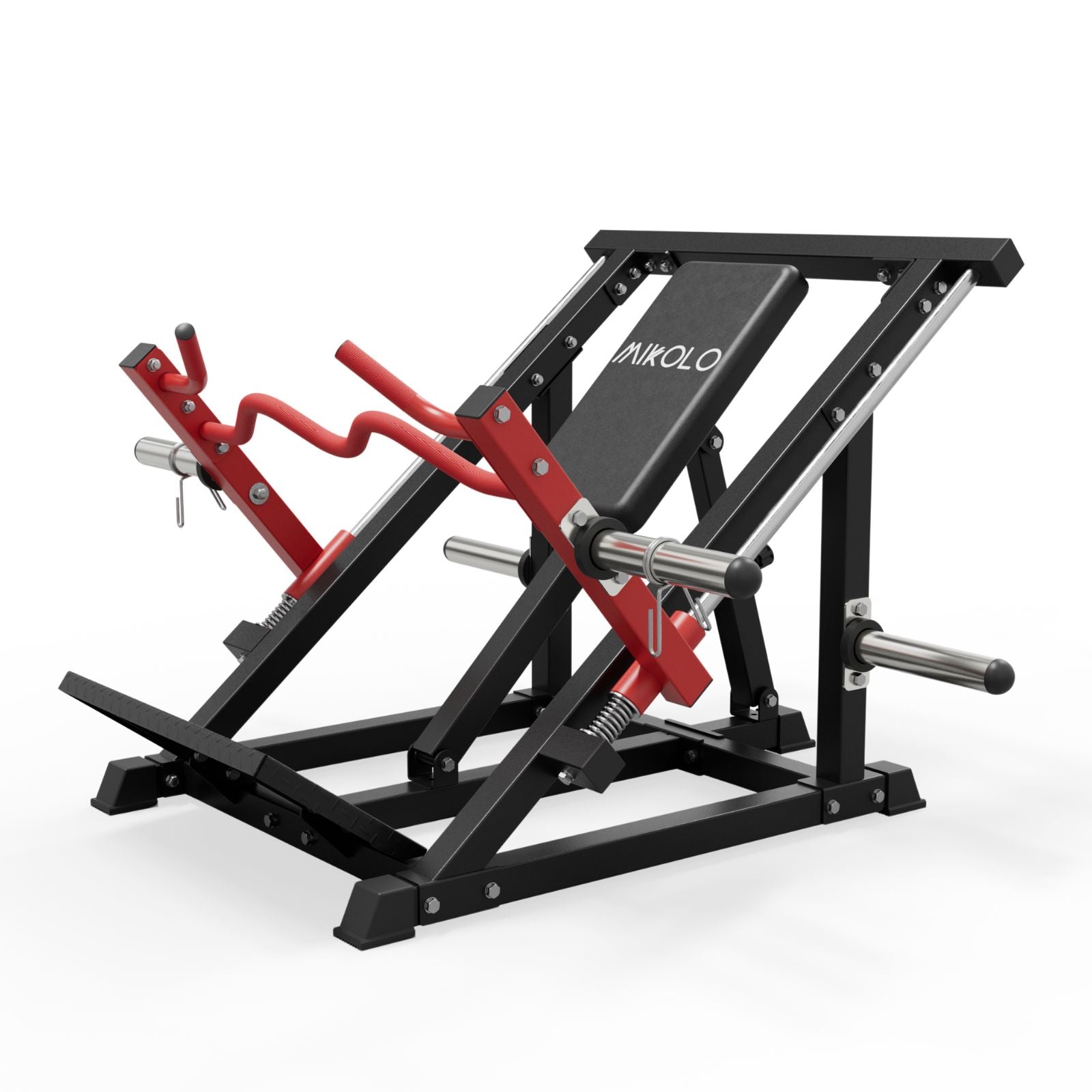
Calf raise machine: Useful for stable, heavy loading.
Personal Reflection on Calf Training
When I began focusing on calf training seriously, I realized how much it helped my squat stability and sprint speed. Initially, my calves were underdeveloped, leading to ankle instability during heavier lifts. After consistently adding standing and seated calf raises twice a week, I noticed not just visual improvement but also a stronger push-off during runs and more confidence at the bottom of squats. It’s a small addition to a program that yields meaningful results over time.
Should You Do Calf Raises?
If you want:
✅ Stronger, balanced legs
✅ Improved ankle and knee health
✅ Better performance in sports and compound lifts
then calf raises are worth including in your program. Just remember, as with any muscle group, consistency and progressive overload will determine how effective calf raises will be for your goals.
Final Thoughts
Calf raises are a simple yet powerful tool to strengthen and grow your lower legs while improving functional performance and aesthetics. If you’re asking, “Do calf raises work?” the answer is yes—when done properly, they will strengthen and grow your calves while enhancing your athletic performance.
Add them to your routine, challenge yourself with weight and volume over time, and your calves will thank you.


Leave a comment
This site is protected by hCaptcha and the hCaptcha Privacy Policy and Terms of Service apply.