



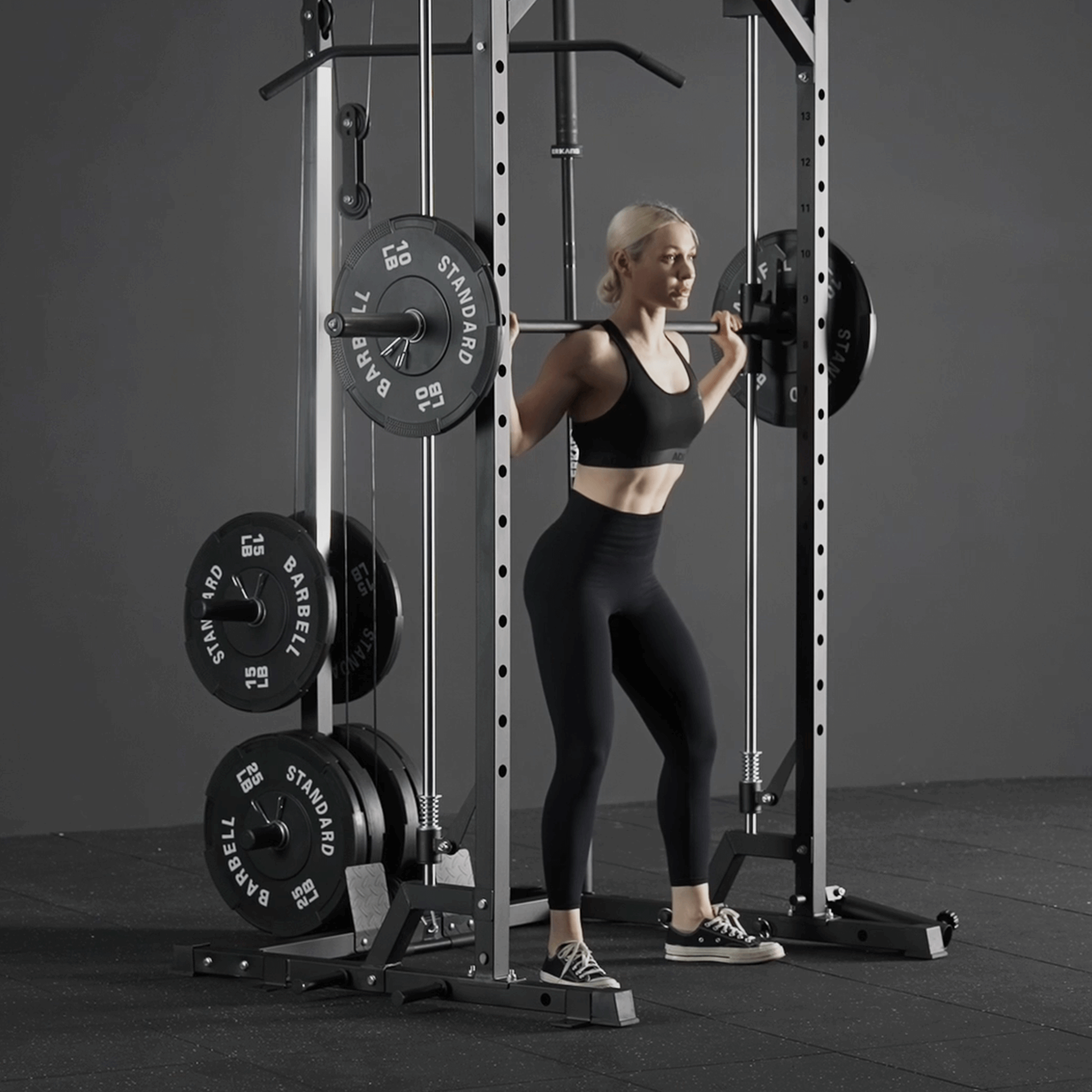












When it comes to strength training, few exercises rival the squat in terms of effectiveness and total-body impact. Whether you're a beginner or a seasoned lifter, understanding which muscles are primarily worked in a squat can help you maximize your training and avoid injury. Let’s dive into the anatomy of the squat and which muscle groups carry the load.
Squat Primary Muscles: The Powerhouses Behind the Movement
The quadriceps, located on the front of your thighs, are the main drivers during any type of squat. As you descend, your quads control the motion; as you rise, they contract forcefully to extend the knees and push your body back to standing.
Equally important are the gluteus maximus muscles—your glutes. These are responsible for hip extension, especially when you come out of the bottom of the squat. If your goal is to build strength, power, or shape in the lower body, squats are non-negotiable.
Completing the trio of primary movers are the hamstrings, located on the back of your thighs. Though they play a more stabilizing role compared to the quads and glutes, they assist in hip extension and help balance out the forces at the knee joint.
Squat Main Muscles Worked: Beyond the Obvious
While the quads, glutes, and hamstrings do the bulk of the work, squats also recruit several other muscles to stabilize and support the movement:
-
Erector Spinae (Lower Back): Keeps the spine neutral and resists rounding.
-
Adductors (Inner Thighs): Assist in hip stabilization and help control knee alignment.
-
Calves (Gastrocnemius and Soleus): Provide ankle stability during descent and ascent.
-
Core Muscles (Rectus Abdominis & Obliques): Act as a natural weight belt to brace the torso.
This wide network of engaged muscles is what makes the squat such a powerful functional movement—it trains your body to work as a unit.
Personal Experience: What I Learned from Rebuilding My Squat
I’ll never forget the first time I returned to barbell squats after recovering from a low back strain. I had always thought of squats as mainly a "leg day" move. But as I reintroduced them with proper form and lighter weights, I felt my entire body respond—especially my core and upper back. That was a wake-up call.
By dialing in my form and paying attention to which muscles were engaging, I finally started making real progress—not just in muscle gains, but also in how stable and controlled I felt in everyday movements. For anyone struggling with balance, posture, or athletic performance, mastering the squat with the right muscle focus is a game-changer.
Final Thoughts: Train Smarter, Not Just Harder
The squat is more than a lower-body exercise—it's a full-body challenge when performed correctly. Focusing on the squat’s primary muscles—quads, glutes, and hamstrings—while understanding how supporting muscles contribute will help you train with purpose. Whether you’re lifting heavy or working on mobility, the squat belongs in your routine. And the more you understand it, the more effective—and safer—your results will be.


Leave a comment
This site is protected by hCaptcha and the hCaptcha Privacy Policy and Terms of Service apply.