













Ever grab a pair of dumbbells for lateral raises, only to realize your shoulders feel like they’re on fire after just a few reps—even if the weight isn’t that heavy? You’re not alone. Many lifters wonder why lateral raises feel so much harder than pressing or rowing movements, even when using lighter weights. Let’s break down what’s happening and how you can train smarter.
Why Lateral Raises Challenge Your Shoulders
Lateral raises primarily target your side deltoids (middle delts), which give your shoulders that rounded look. Unlike pressing movements that allow you to use multiple muscle groups for support, lateral raises isolate these smaller muscles without much help from larger ones like the chest or triceps.
Additionally, lateral raises involve long lever mechanics. When you hold a weight out to your sides with straight arms, the load is farther from your shoulder joint, increasing the torque your delts must overcome. This makes even light dumbbells feel significantly heavier compared to exercises where the weight is kept close to your body.
Why Cable Lateral Raises Feel Even Harder
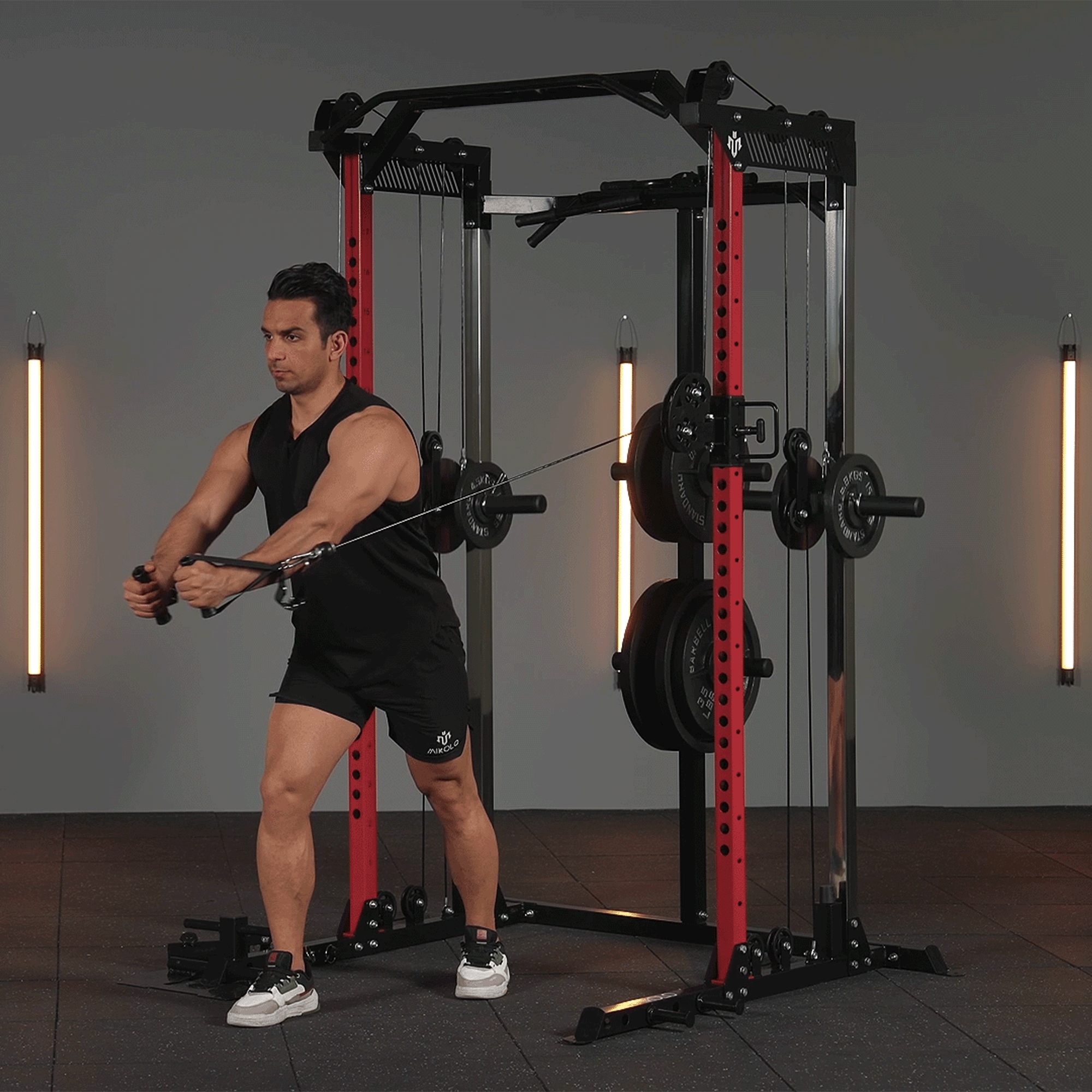
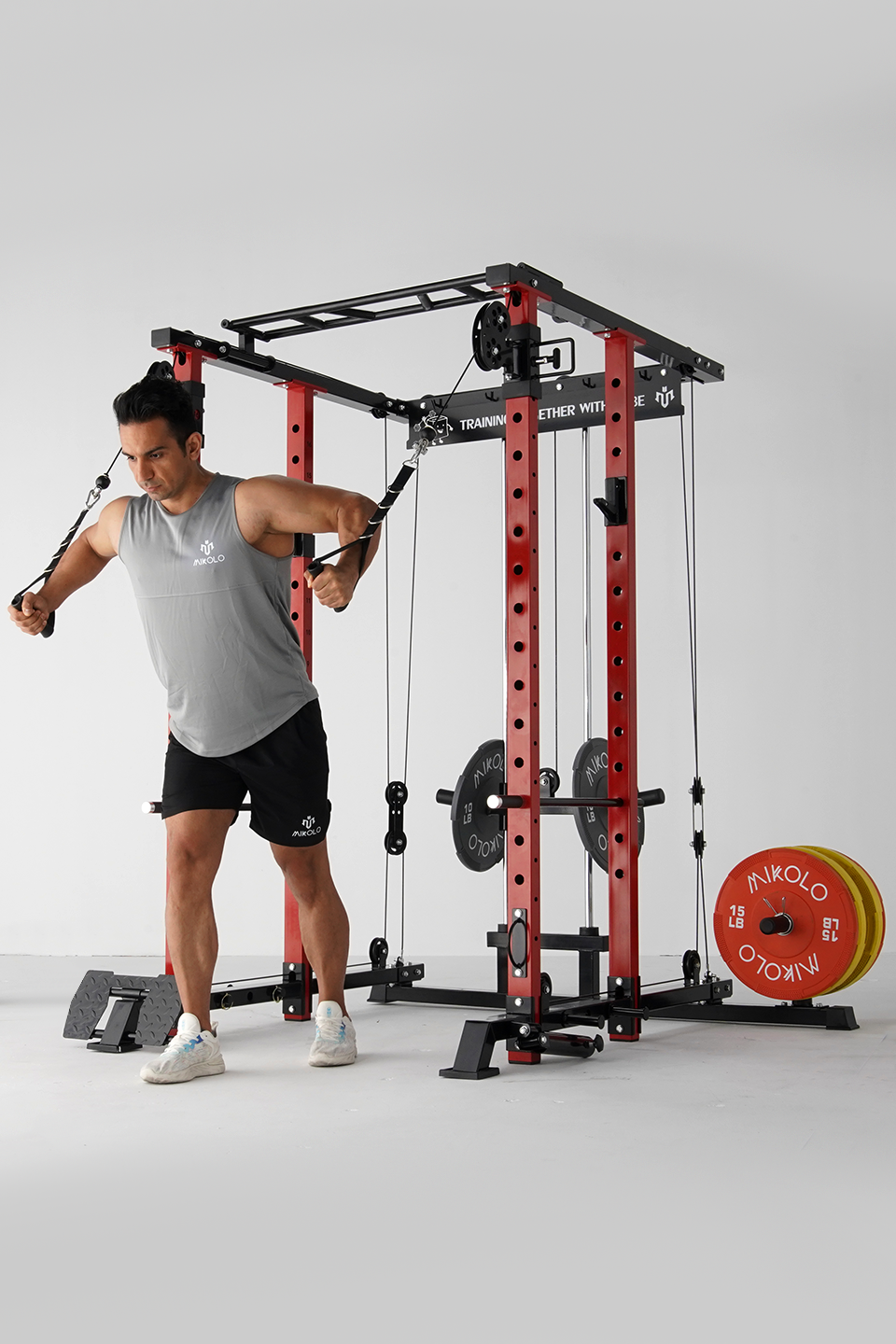
If you’ve tried cable lateral raises and found them even more challenging, it’s because cables provide constant tension throughout the entire range of motion. With dumbbells, tension decreases at the bottom of the lift, giving your shoulders a brief moment to rest. With cables, your delts stay under tension from the moment you begin the movement until you lower your arm completely.
This constant tension recruits stabilizing muscles around your shoulder joint and forces your middle delts to work harder, leading to a deeper burn and a more intense pump.
Personal Perspective: Learning the Hard Way
I remember training shoulders in a garage gym during a humid summer, thinking I’d breeze through lateral raises with 10-pound dumbbells after heavy pressing. By the third set, my arms were trembling, and I couldn’t lift them past shoulder height. It wasn’t a matter of strength; it was a matter of control, stability, and respecting how isolating these movements truly are.
What I learned was the importance of focusing on form over weight—controlling the lift, pausing at the top, and lowering the weight slowly. Once I prioritized these details, my shoulders developed better, and I reduced the nagging aches that came with sloppy form.
Tips to Make Lateral Raises More Effective (And Manageable)
-
Use Lighter Weights: Don’t let ego dictate your weight selection. Even 5–10 lb dumbbells can be effective when performed with control.
-
Focus on Form: Keep your elbows slightly bent, wrists neutral, and lift only to shoulder height.
-
Control the Tempo: Avoid using momentum. A 2-second lift and a 3-second controlled lowering phase can increase muscle engagement.
-
Try Seated Variations: Seated lateral raises reduce momentum and force your shoulders to do the work.
-
Incorporate Cables Gradually: If cables feel too intense, start with a lower weight than your dumbbell lateral raises and build up as your shoulders adapt.
Bottom Line
Lateral raises are hard because they isolate a smaller muscle group with a long lever arm while demanding stability. Cable lateral raises amplify this challenge by maintaining constant tension, requiring your delts to work overtime. Instead of seeing the difficulty as a setback, view it as an opportunity to refine your technique, build a strong mind-muscle connection, and develop the rounded shoulders you’re aiming for—without risking injury.
Take your time, respect the movement, and let consistency drive your progress.


Leave a comment
This site is protected by hCaptcha and the hCaptcha Privacy Policy and Terms of Service apply.