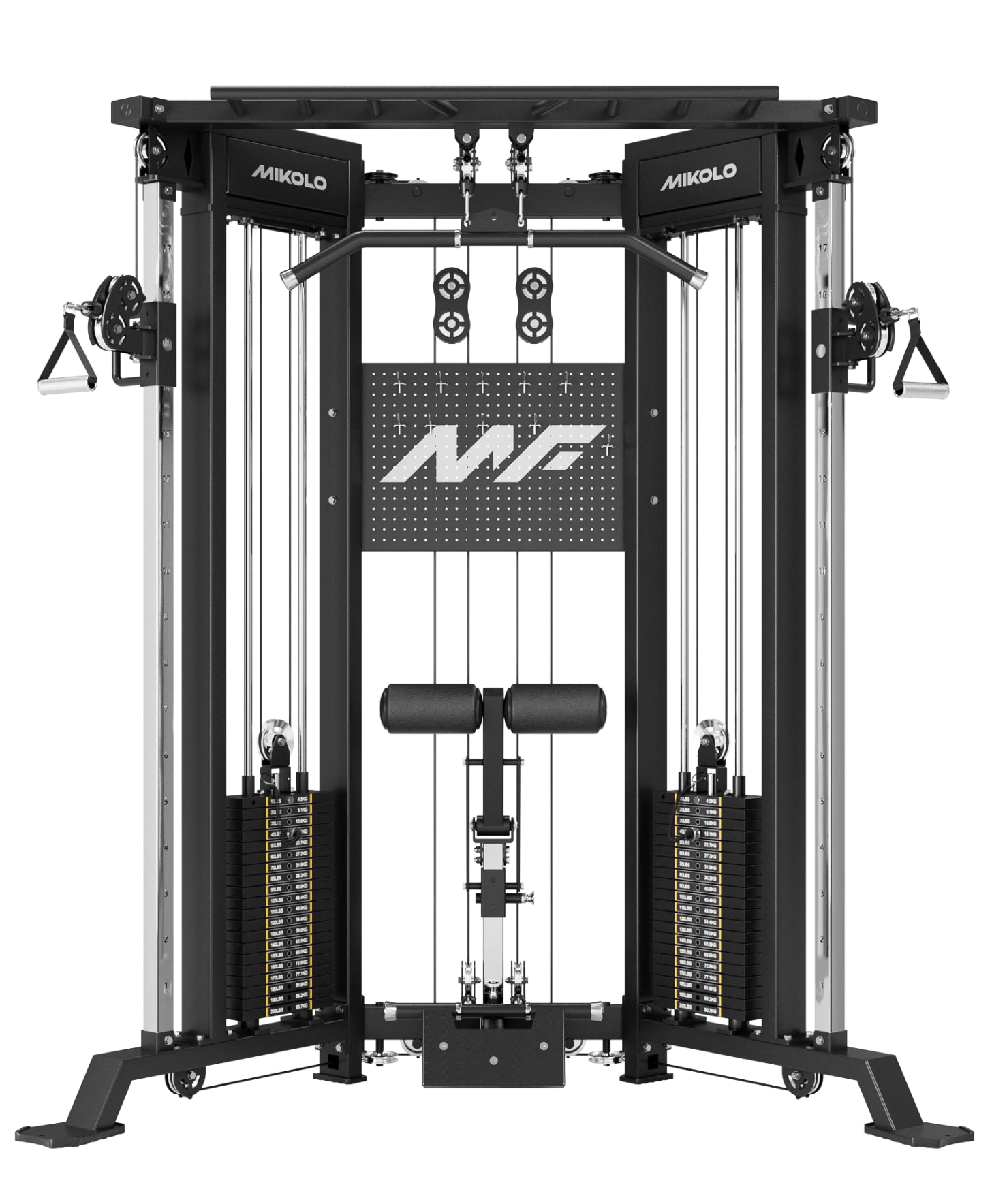
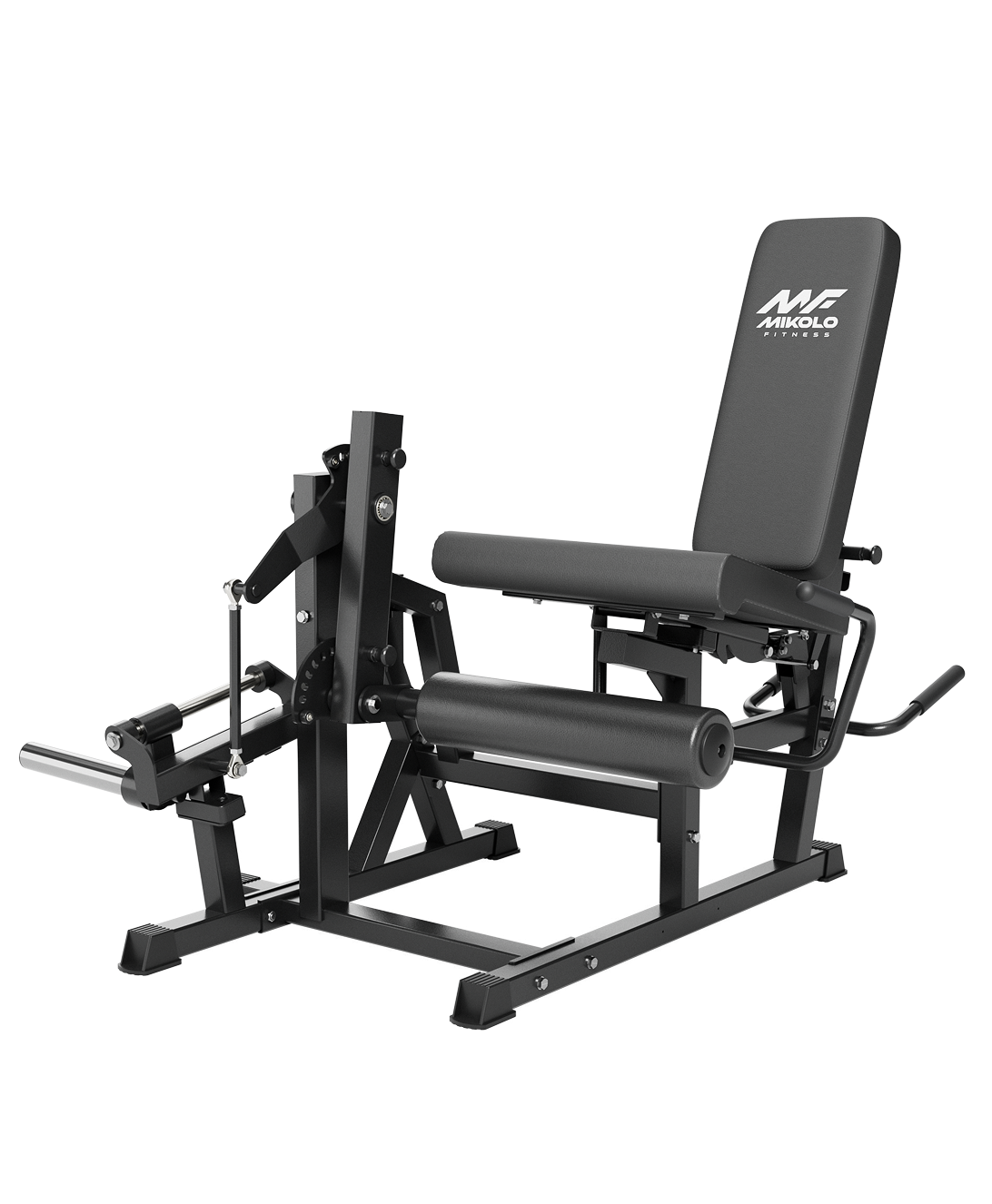
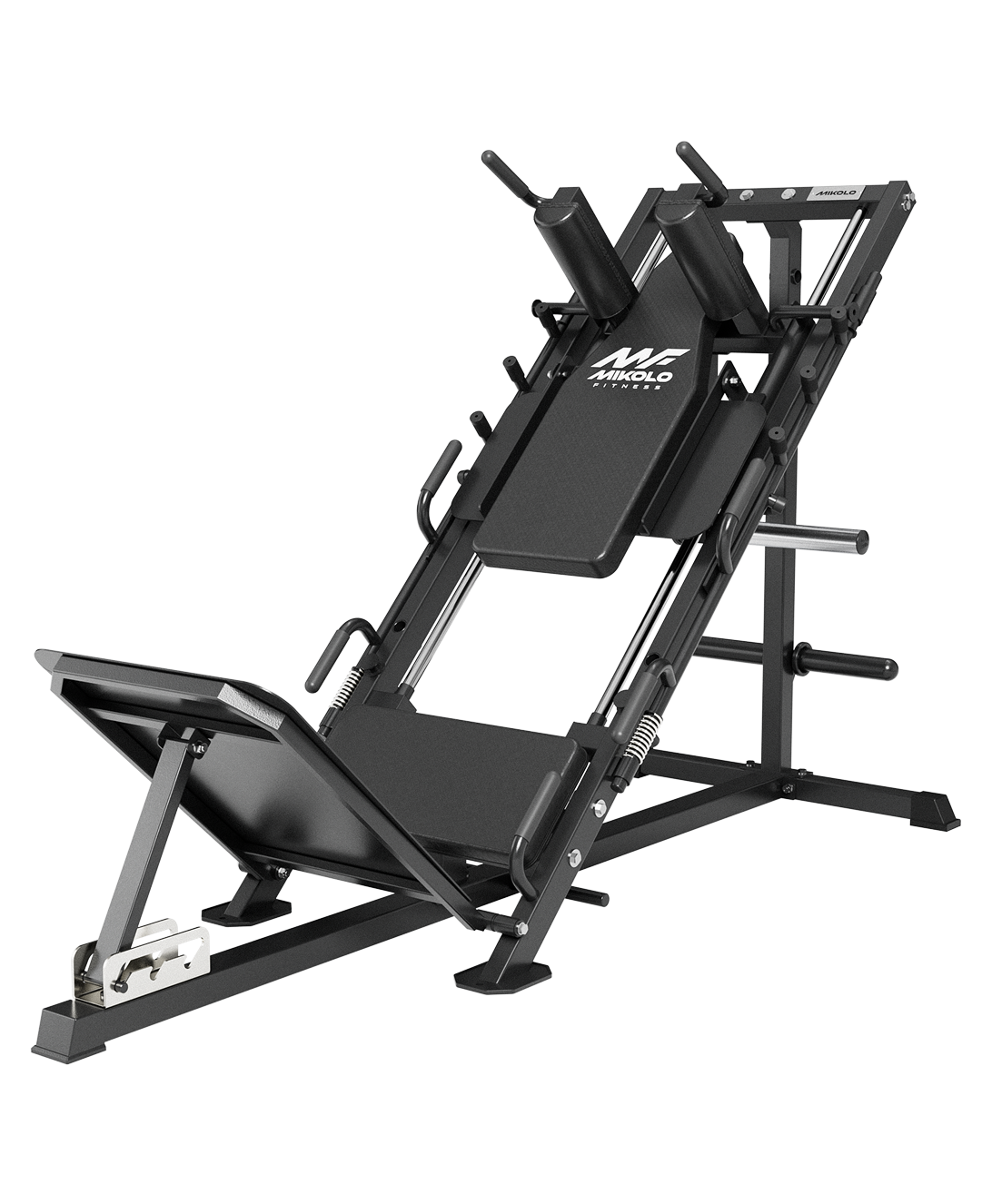
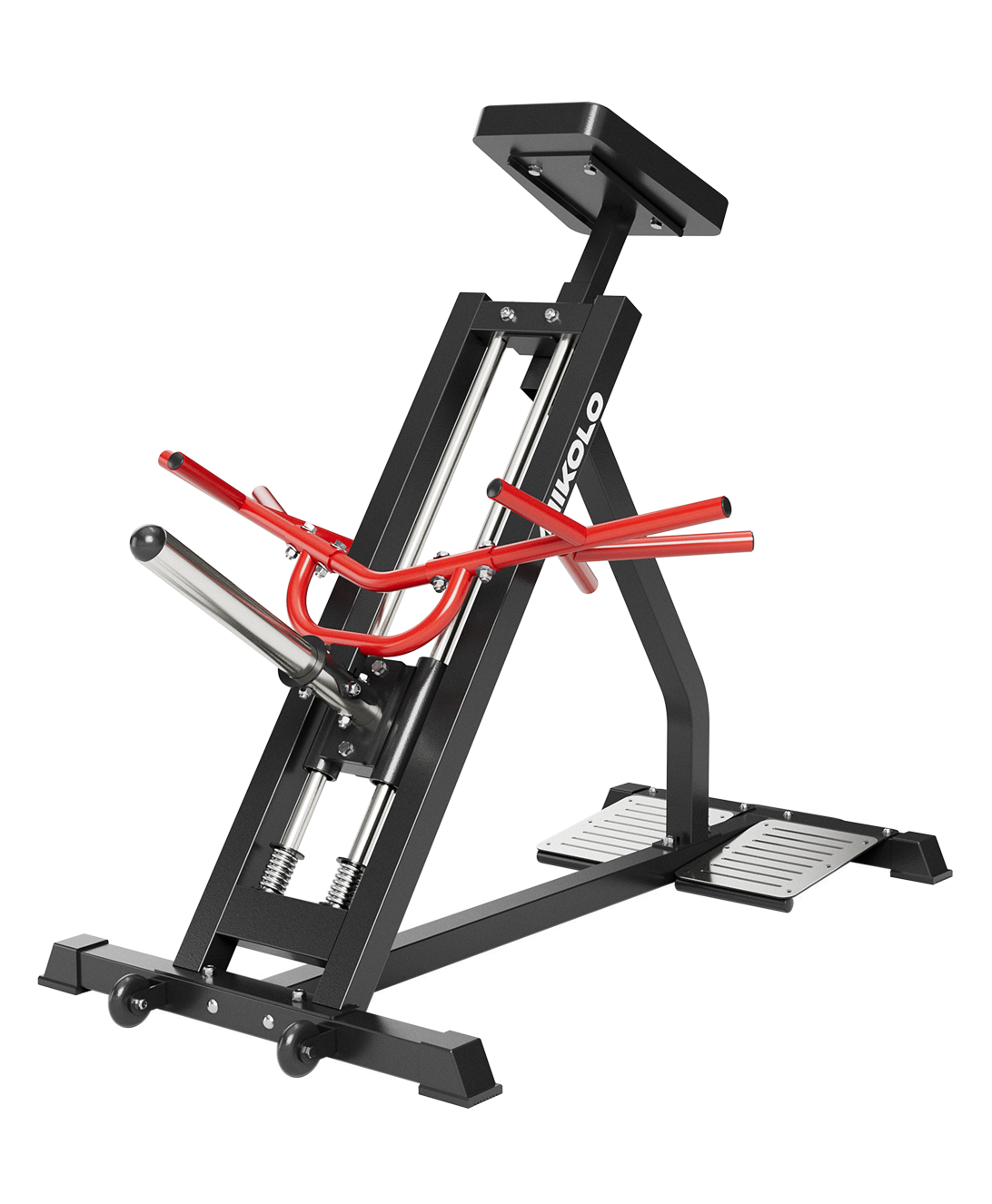
Why Personalization Matters in Today’s Gym Industry

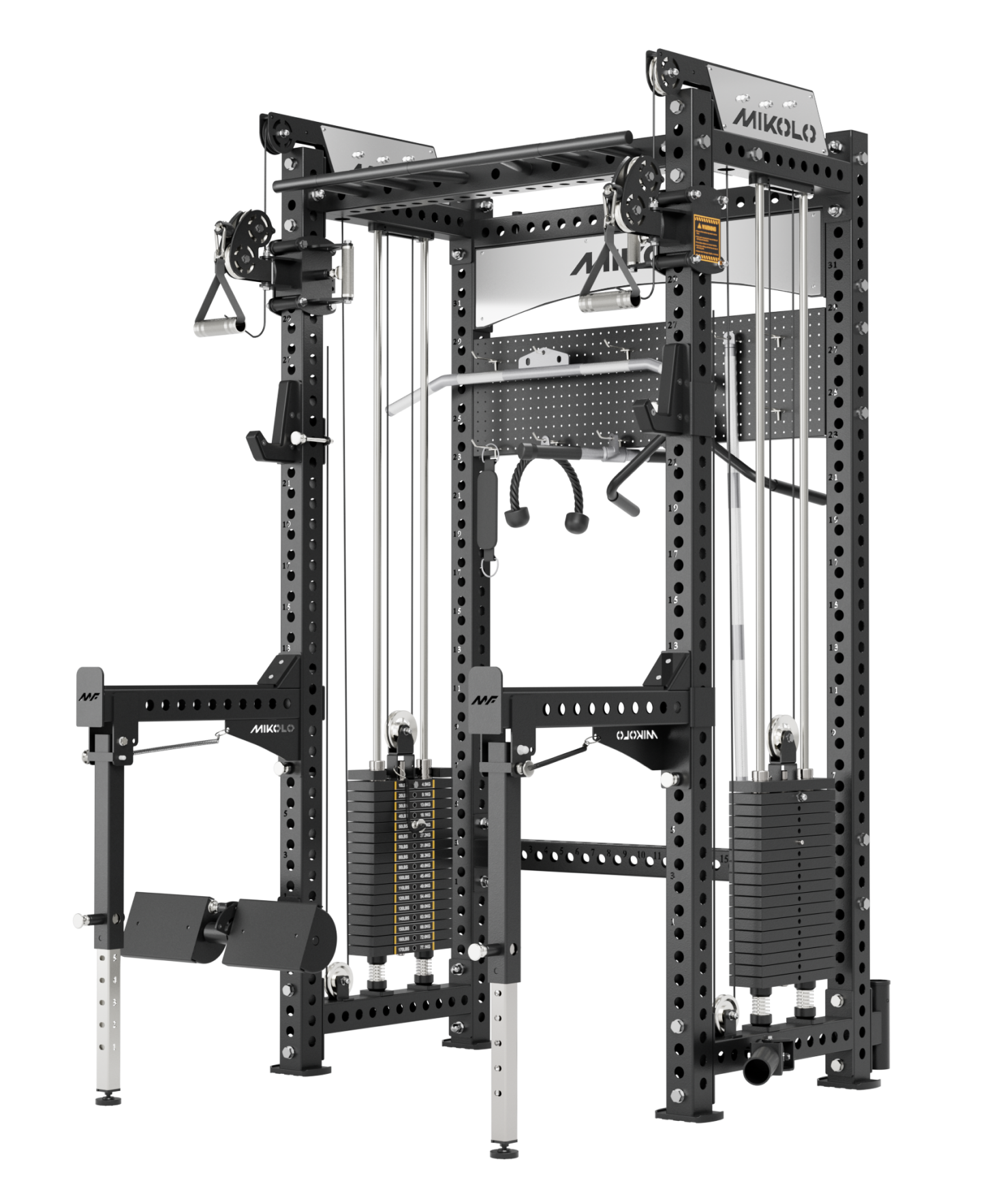
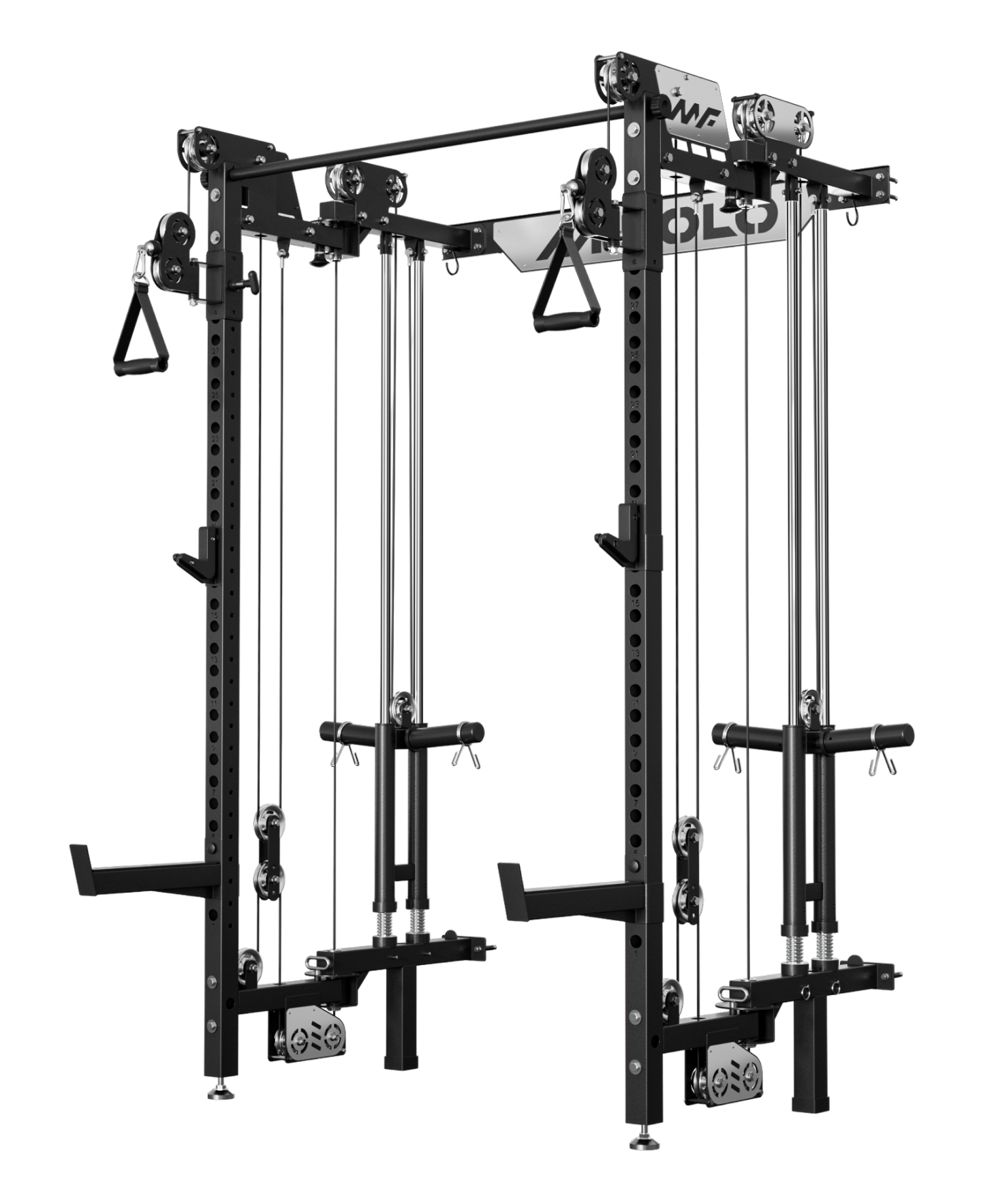
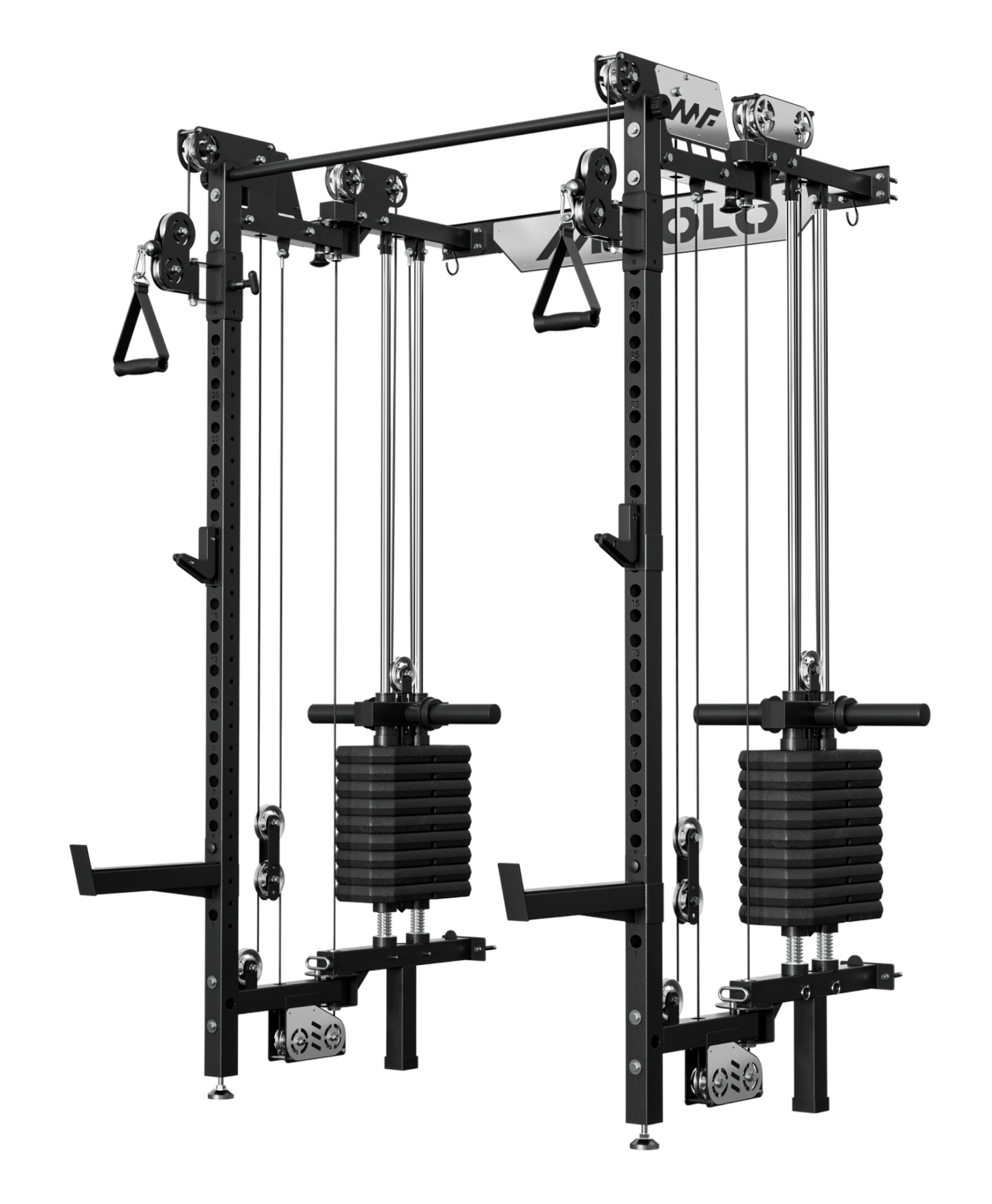
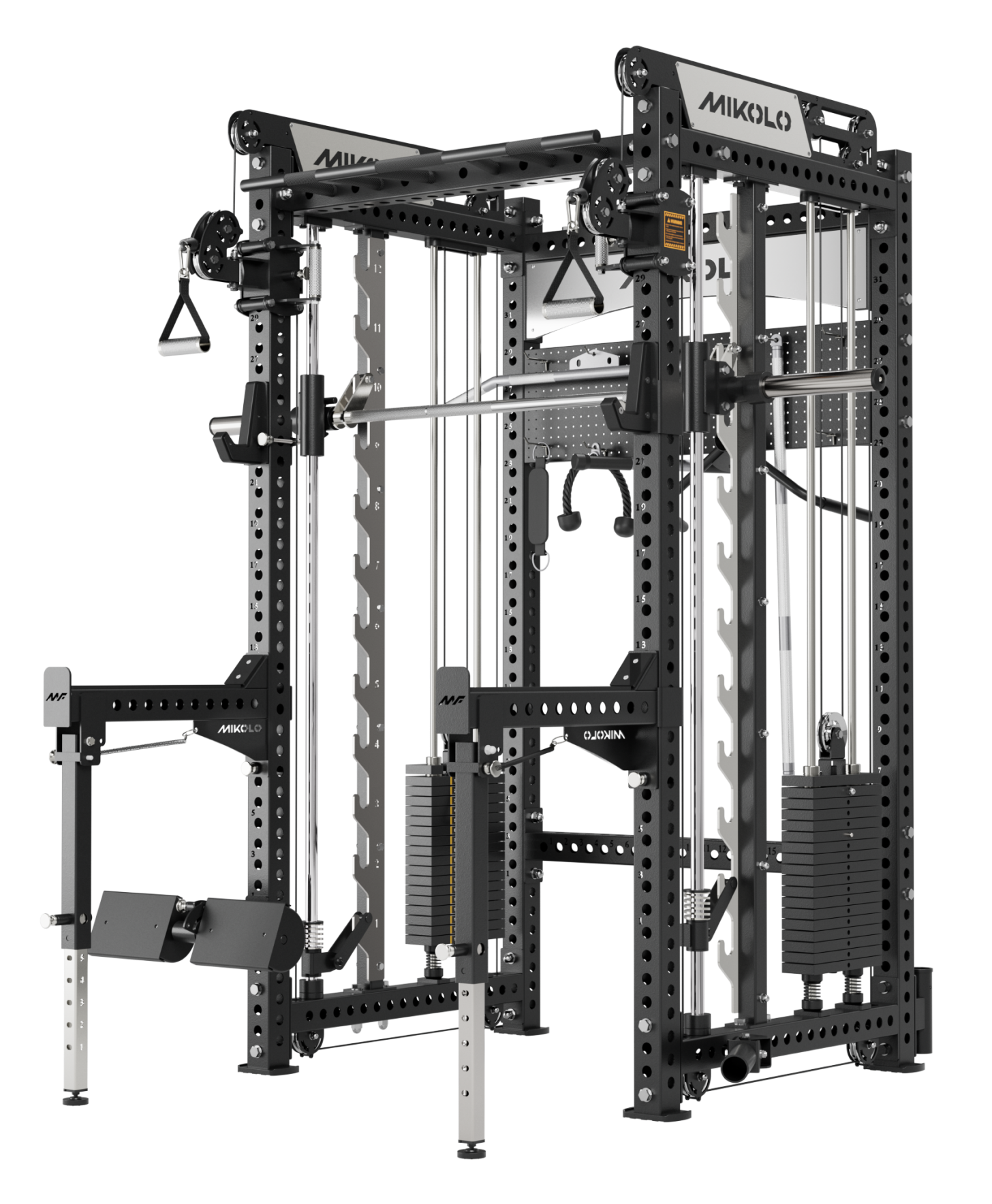
In today’s fast-evolving fitness world, having the right gym equipment is essential not only for performance but for creating a unique brand identity. Branded and custom gym equipment offers a solution that goes beyond functionality, allowing fitness enthusiasts, businesses, and gym owners to elevate their workout experience while also aligning with their personal or corporate values. Whether it’s a customizable fitness system or personalized gym equipment, the shift toward bespoke solutions is transforming the fitness industry.

The Value of Customization in Fitness Equipment

Customization has become a buzzword across various industries, but its impact on the fitness equipment sector is particularly noticeable. Custom gym machines and custom built gym equipment offer tailored solutions that meet specific needs—whether for individual athletes, fitness centers, or even corporate branding. Custom fitness equipment allows users to personalize their workouts to their unique body types, goals, and preferences, leading to better results and a more engaging experience.

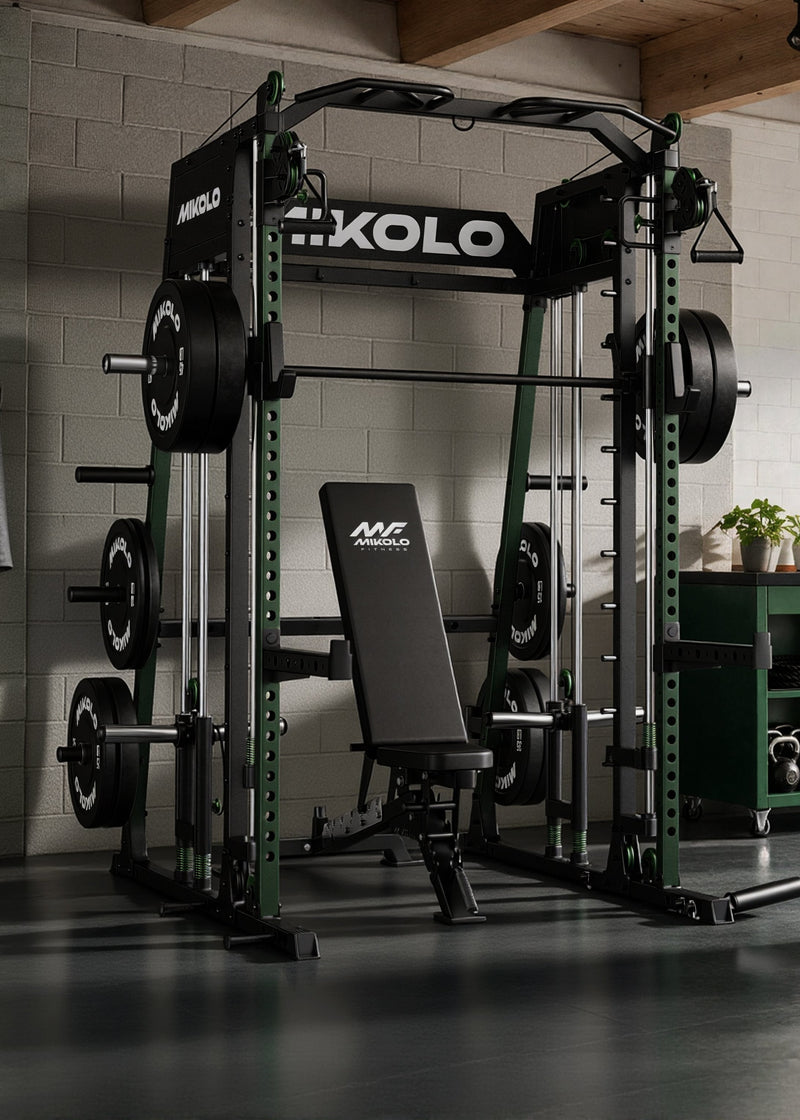
For gym owners, custom gym equipment manufacturers offer the opportunity to stand out by incorporating a unique aesthetic or functionality that reflects the business’s ethos. Custom-designed gym machines and accessories create an environment that attracts clients and enhances brand loyalty. For instance, a custom logo gym equipment setup immediately establishes a sense of exclusivity and professionalism, making the equipment not just a functional tool but also an integral part of the gym's identity.

Key Types of Customizable Fitness Equipment

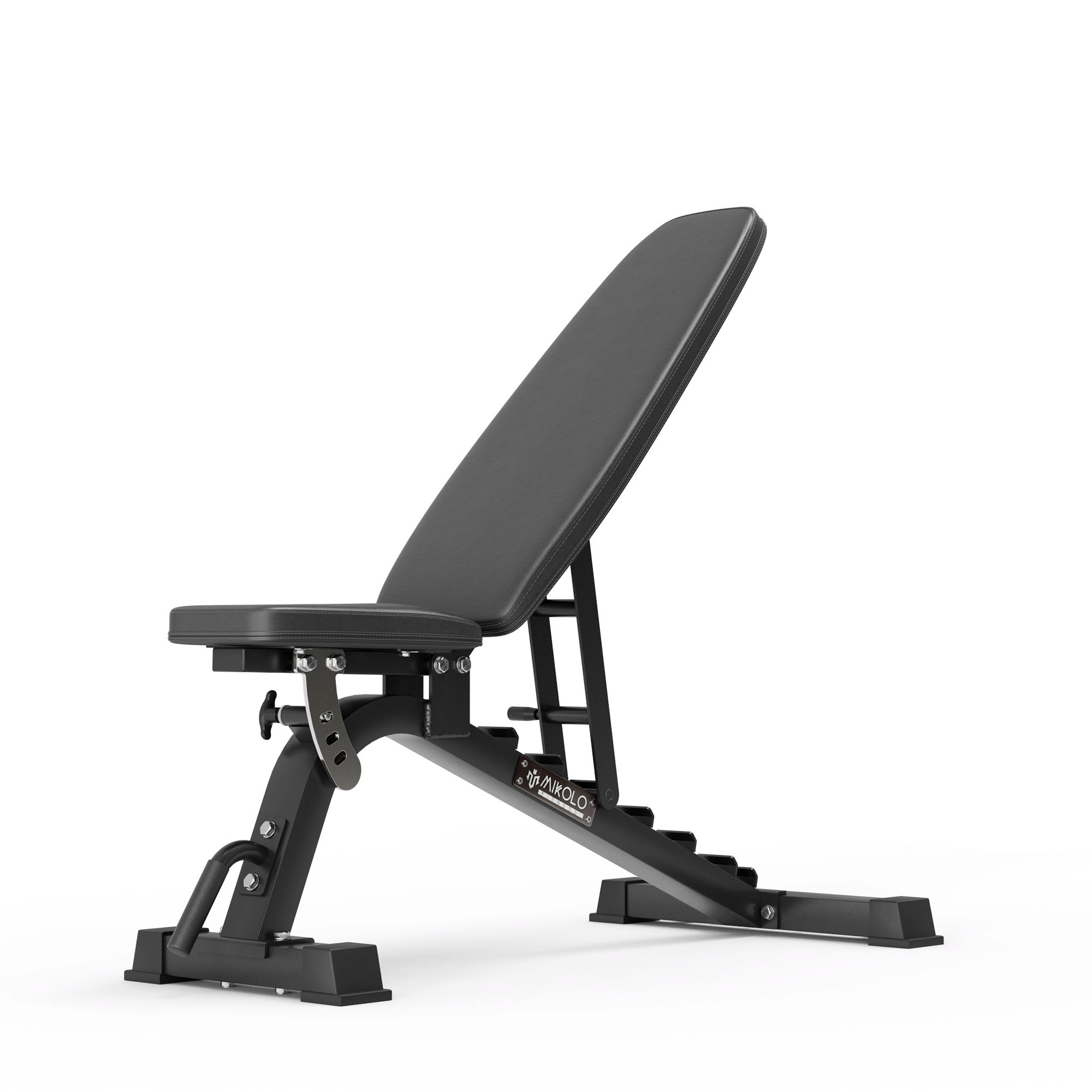
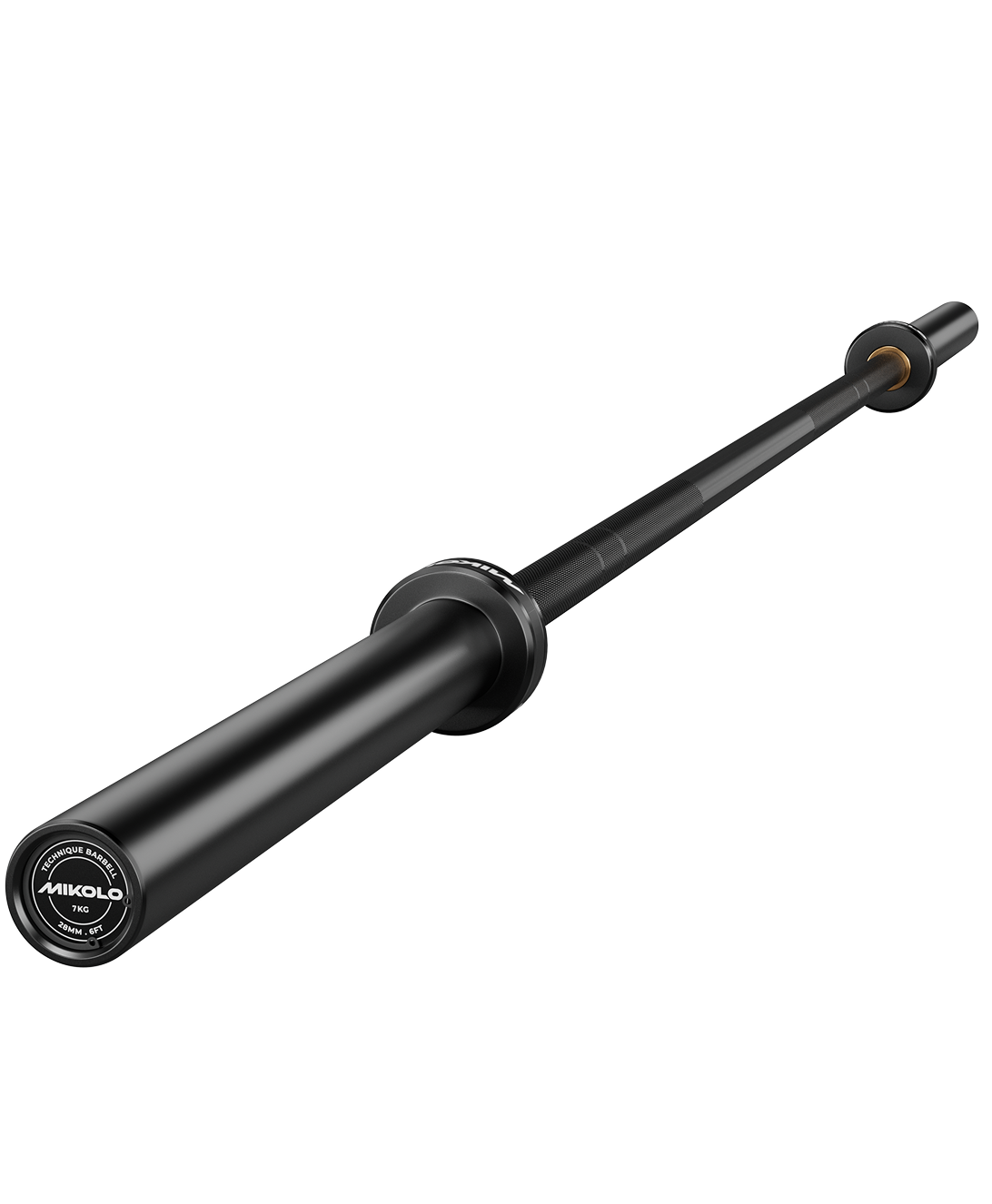
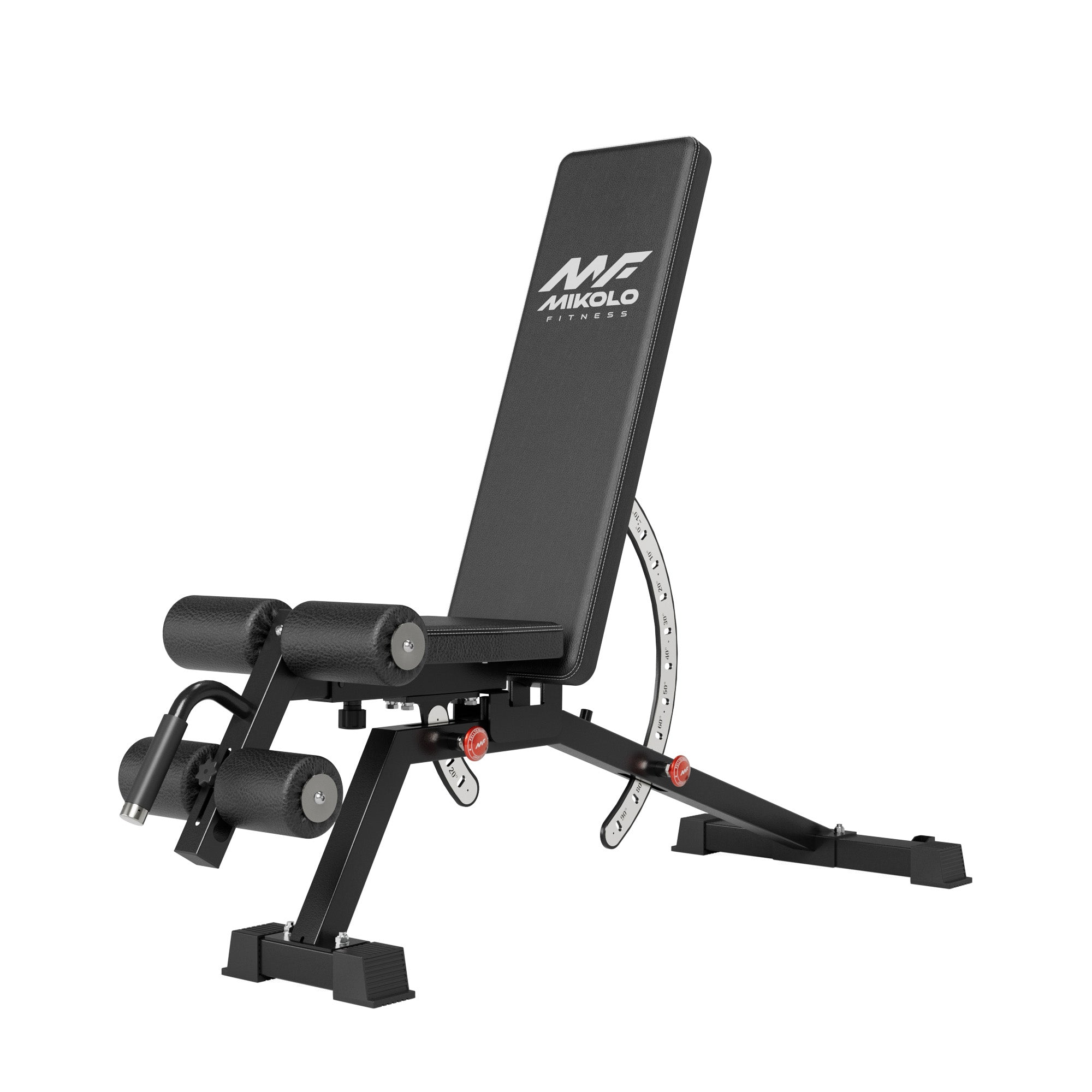
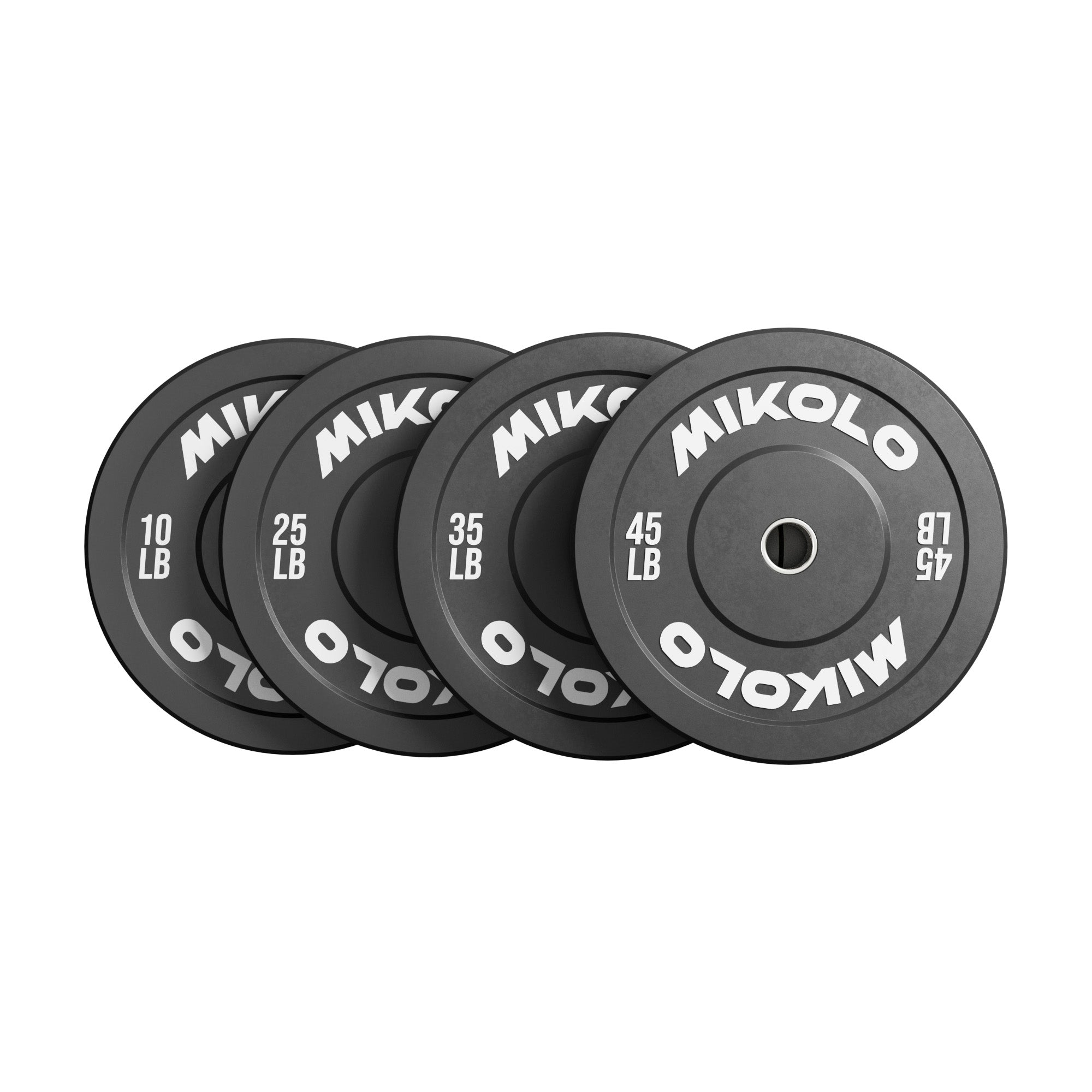
  1. Custom Weight Equipment: Whether you need a custom weight bench designed to match specific needs or a complete custom strength equipment line, weight-based equipment can be optimized for better comfort, durability, and design. Customization options can range from the type of padding used to the color and texture of the finish.

  2. Personalized Gym Equipment: From custom workout machines to custom gym accessories, personalized gym equipment helps athletes perform at their best. Tailored machines designed for individual movement patterns or personalized custom workout equipment can reduce injury risks and increase efficiency.

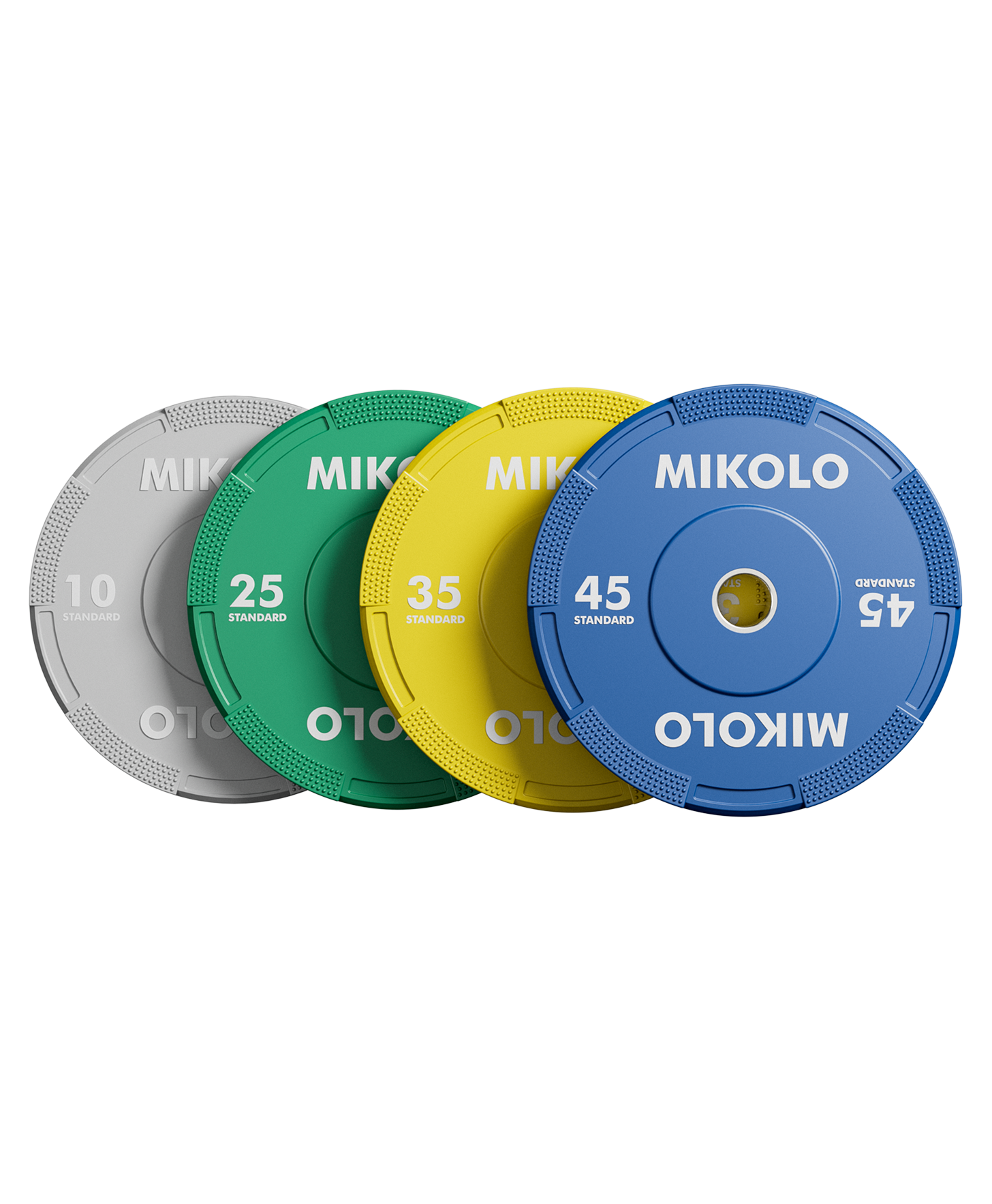
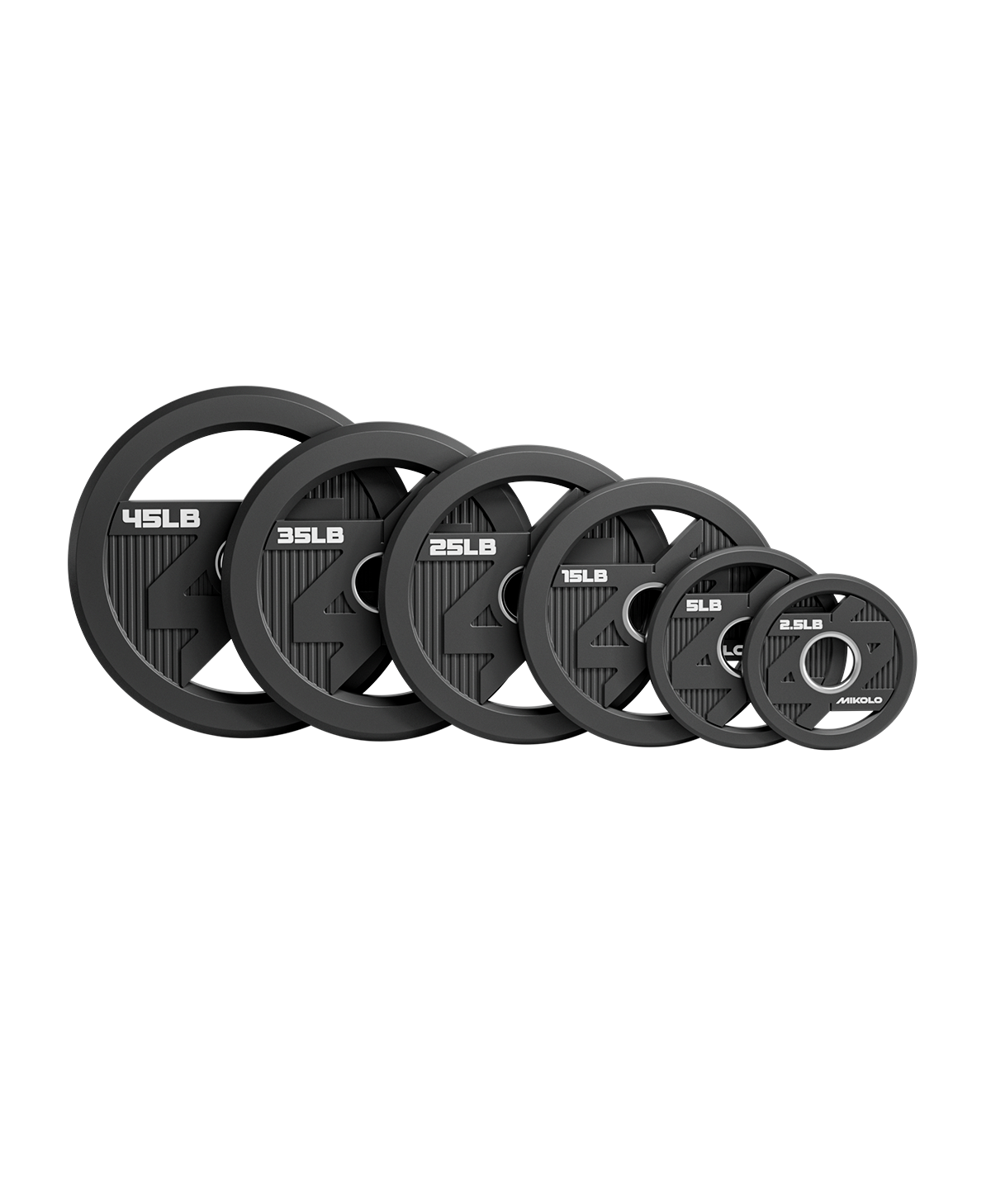
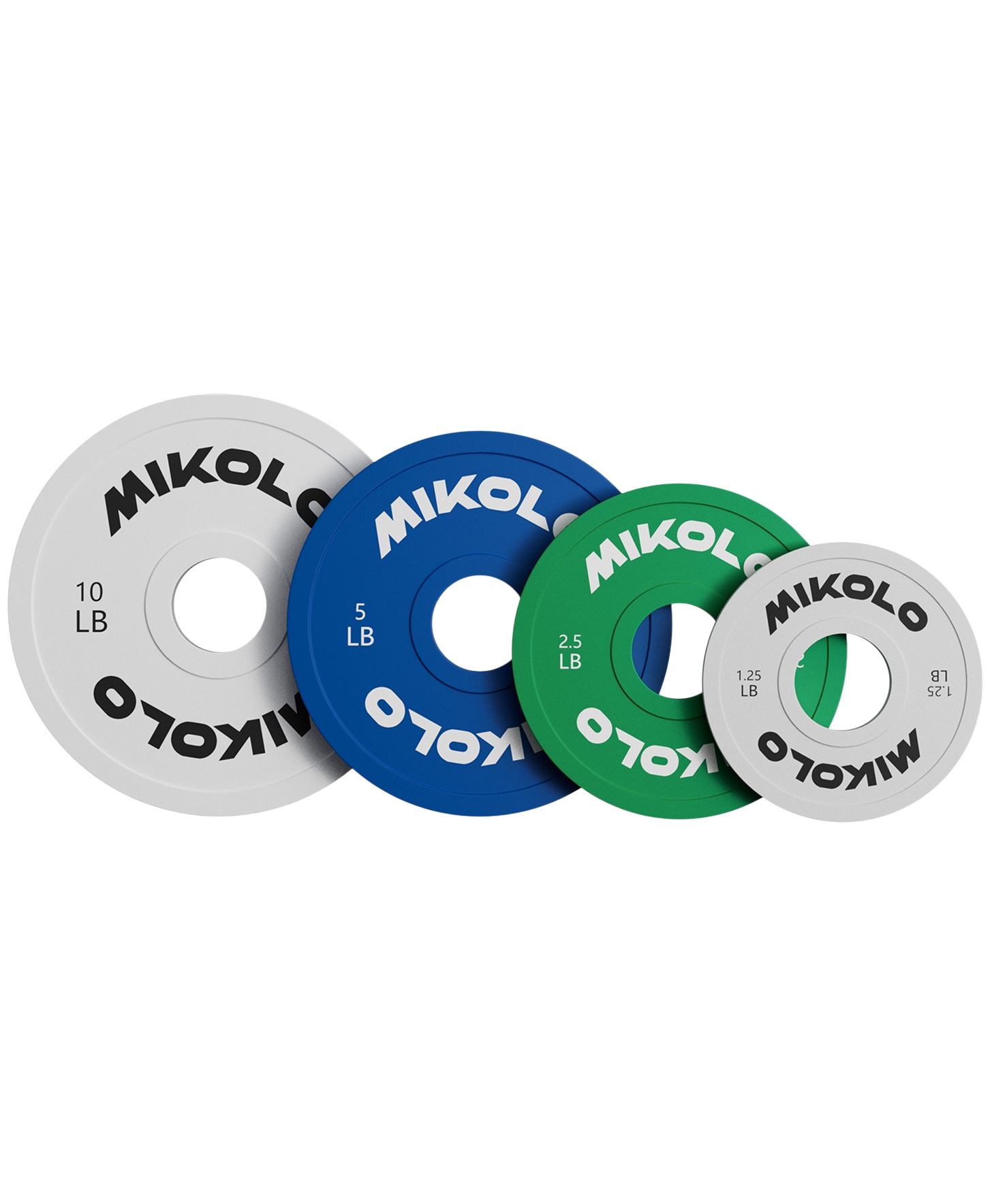
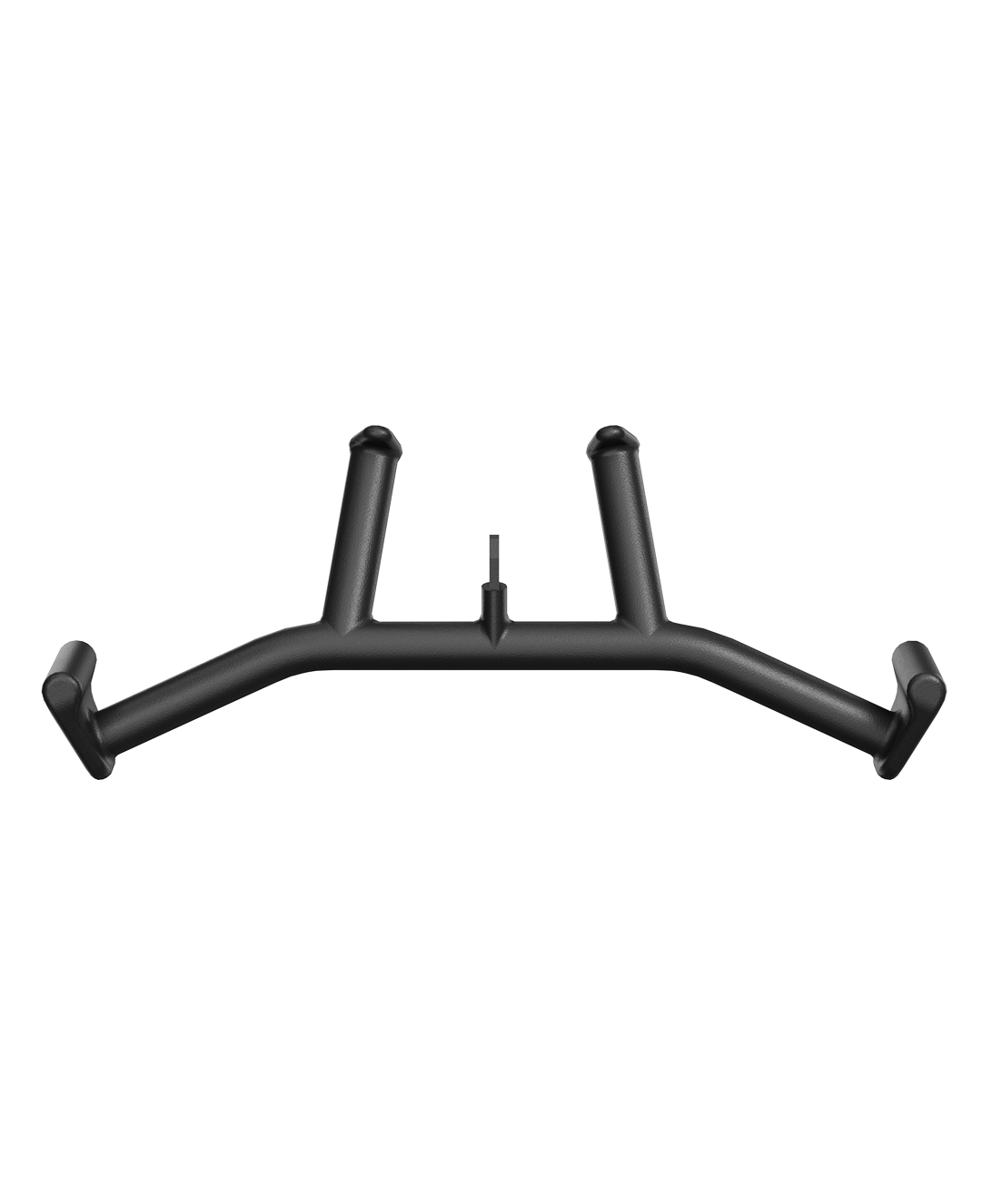
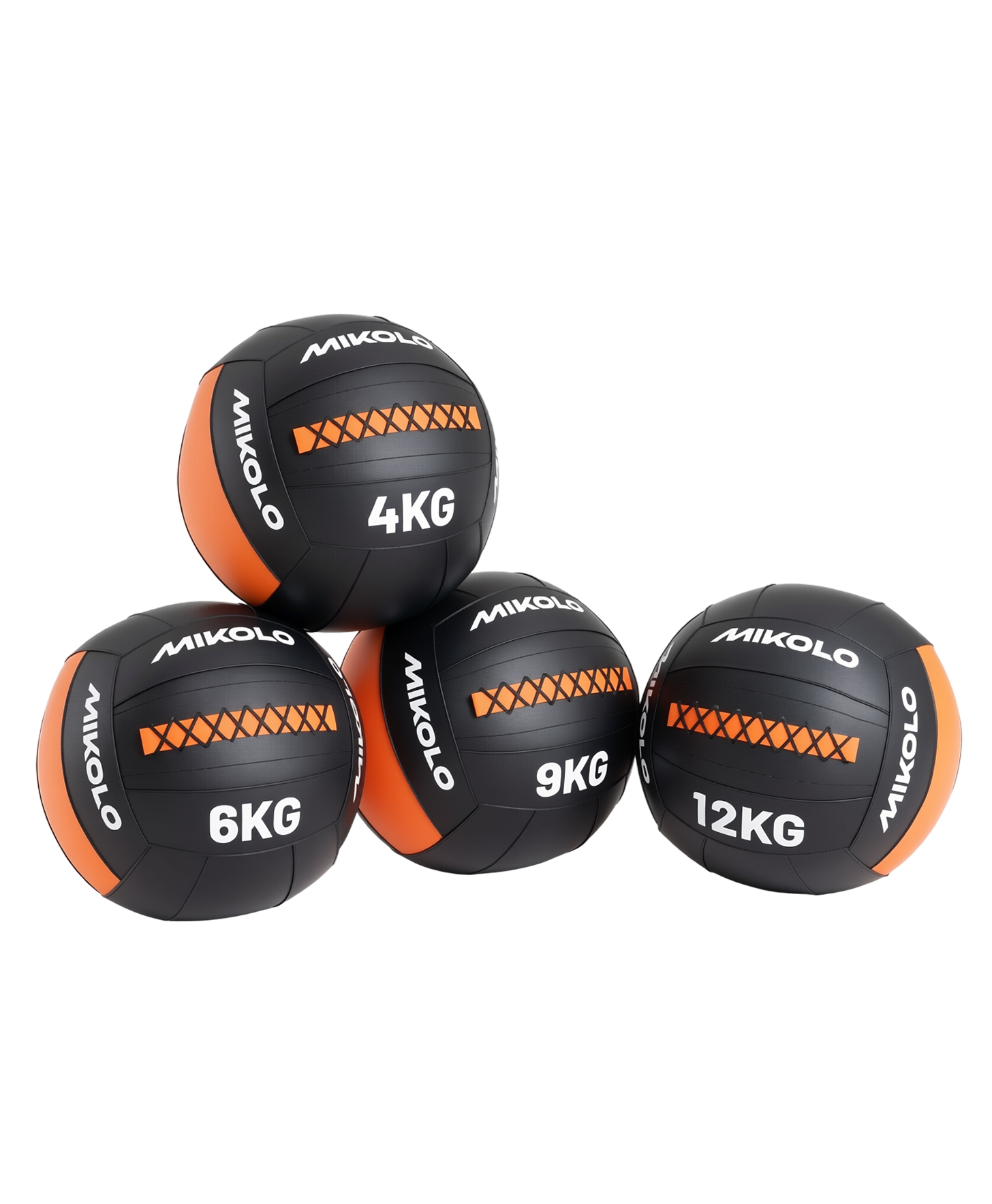
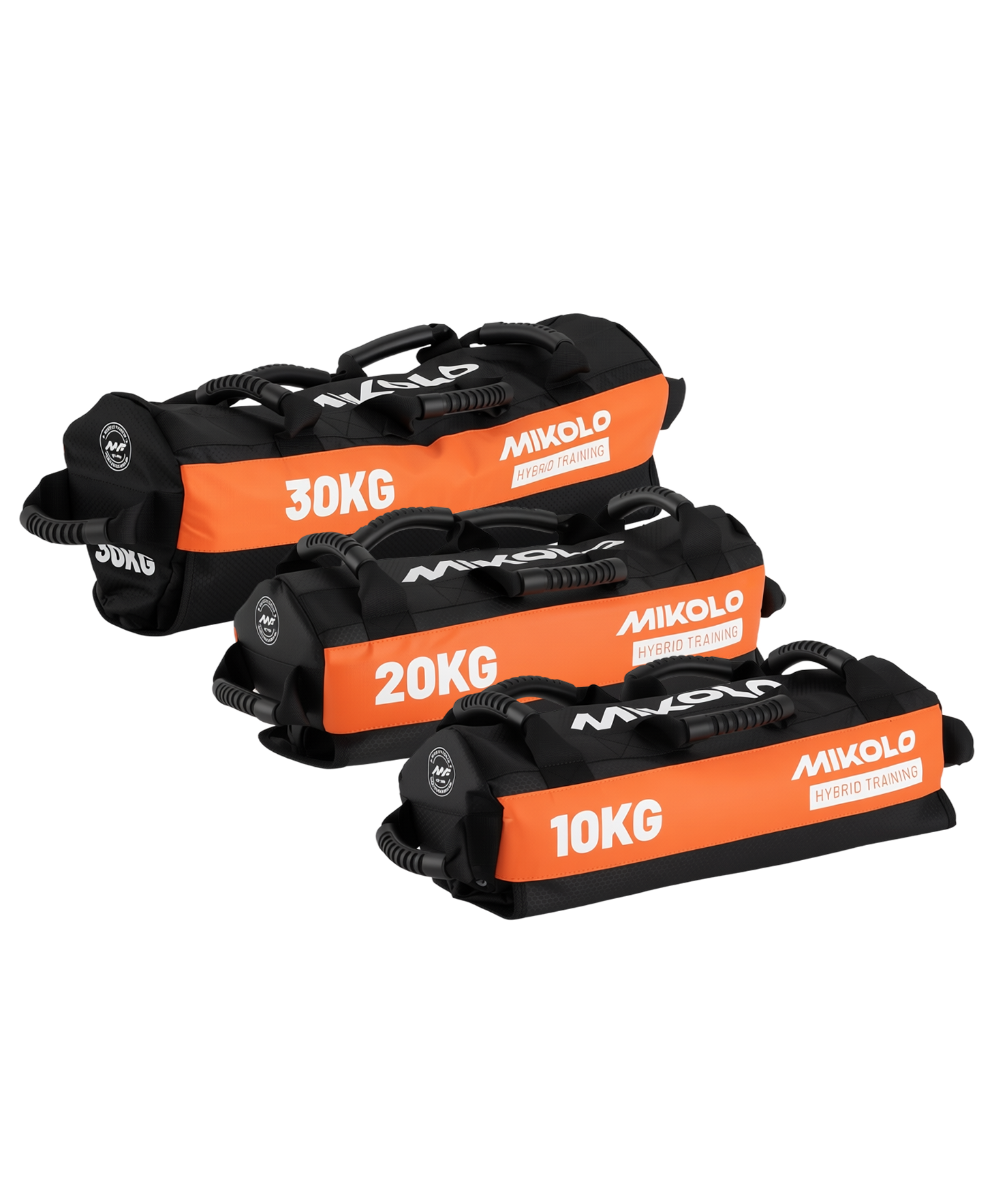
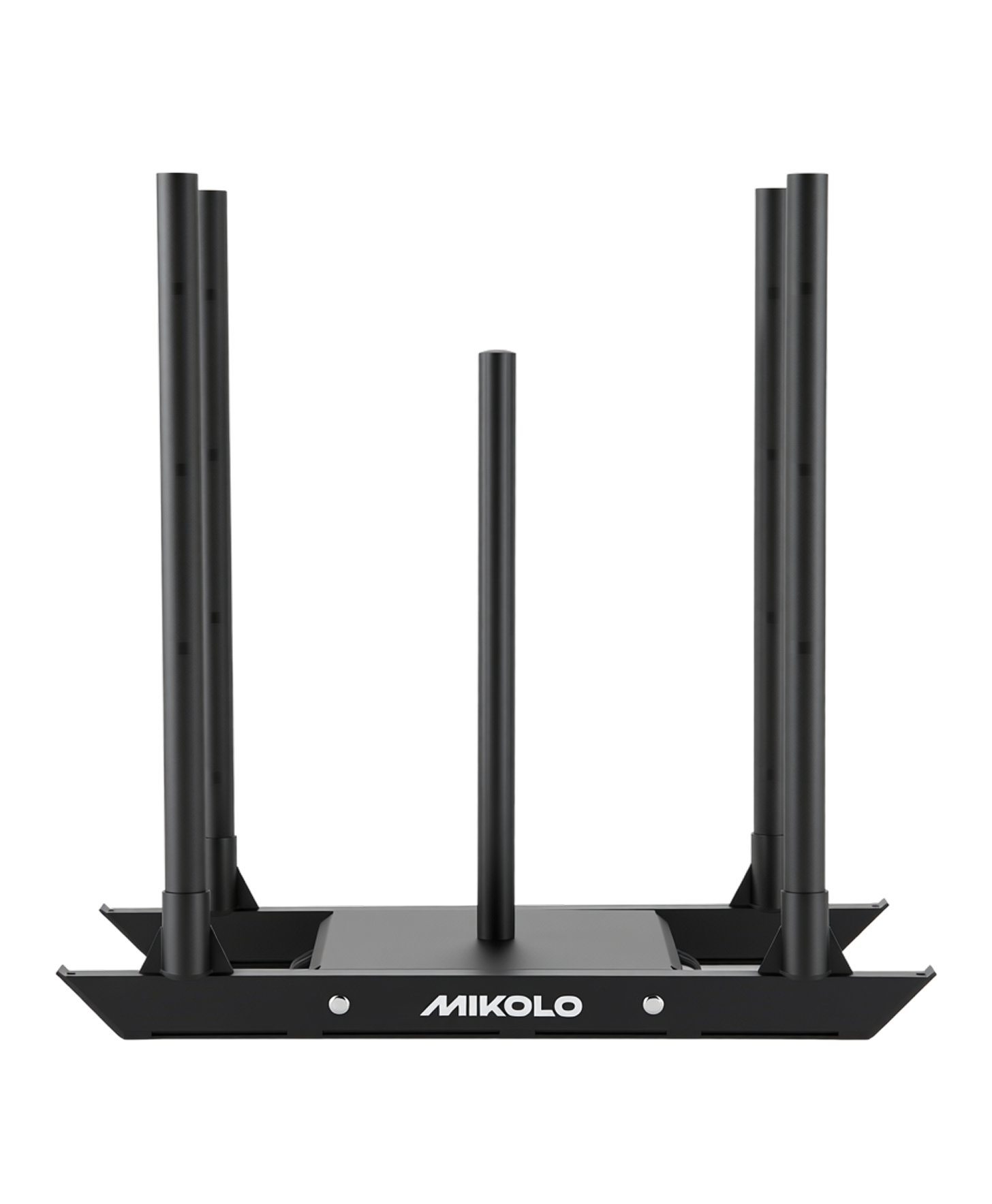
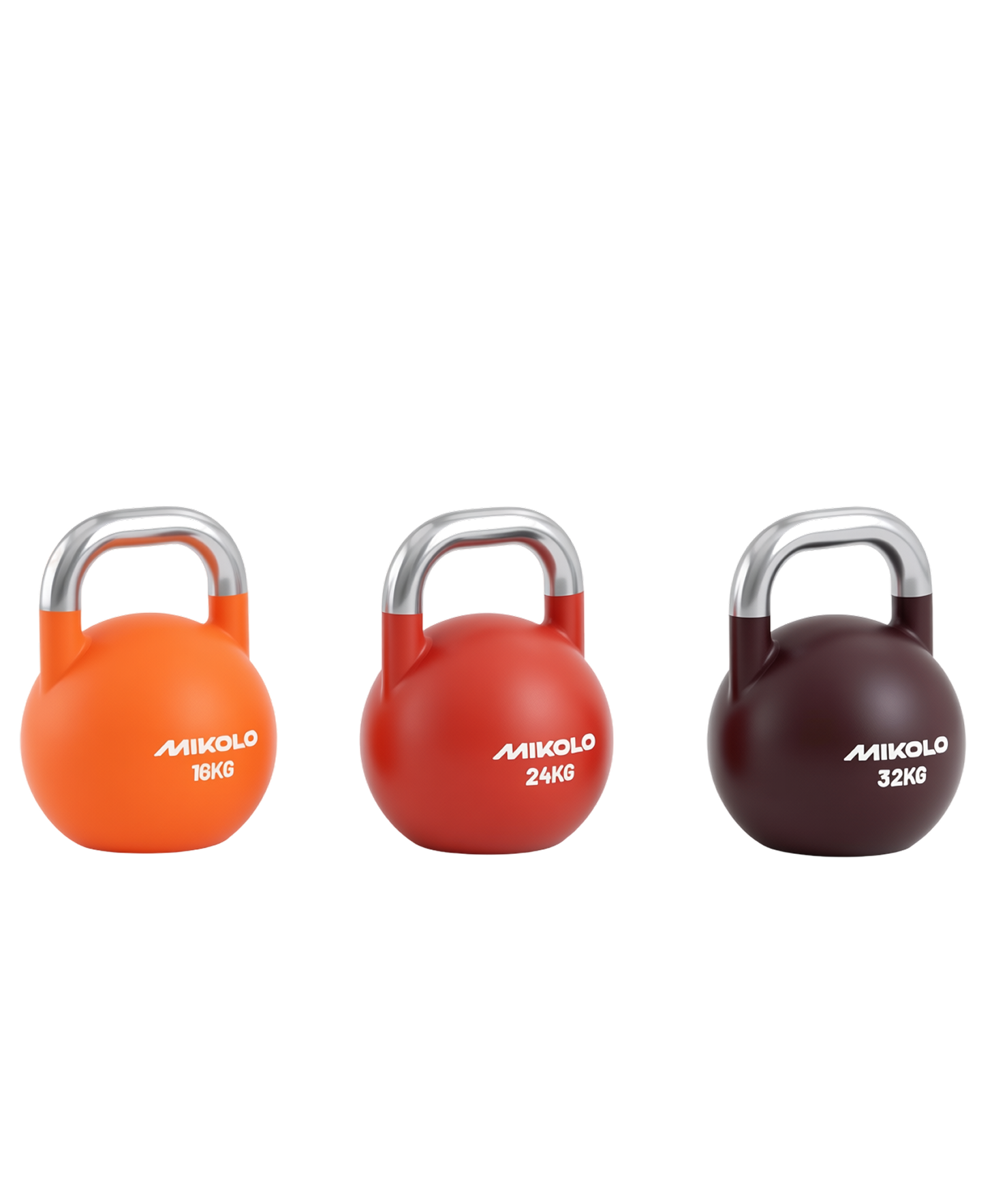
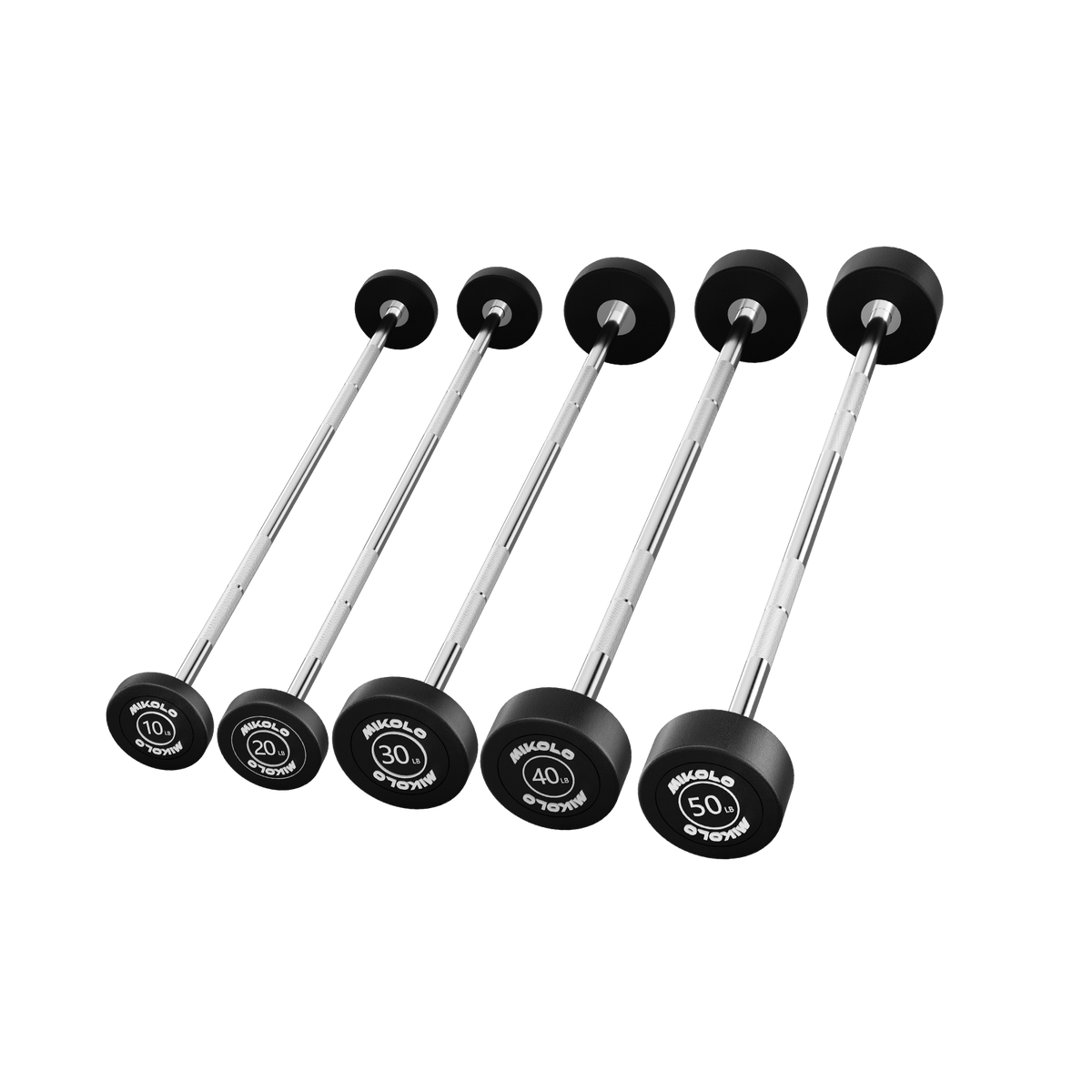
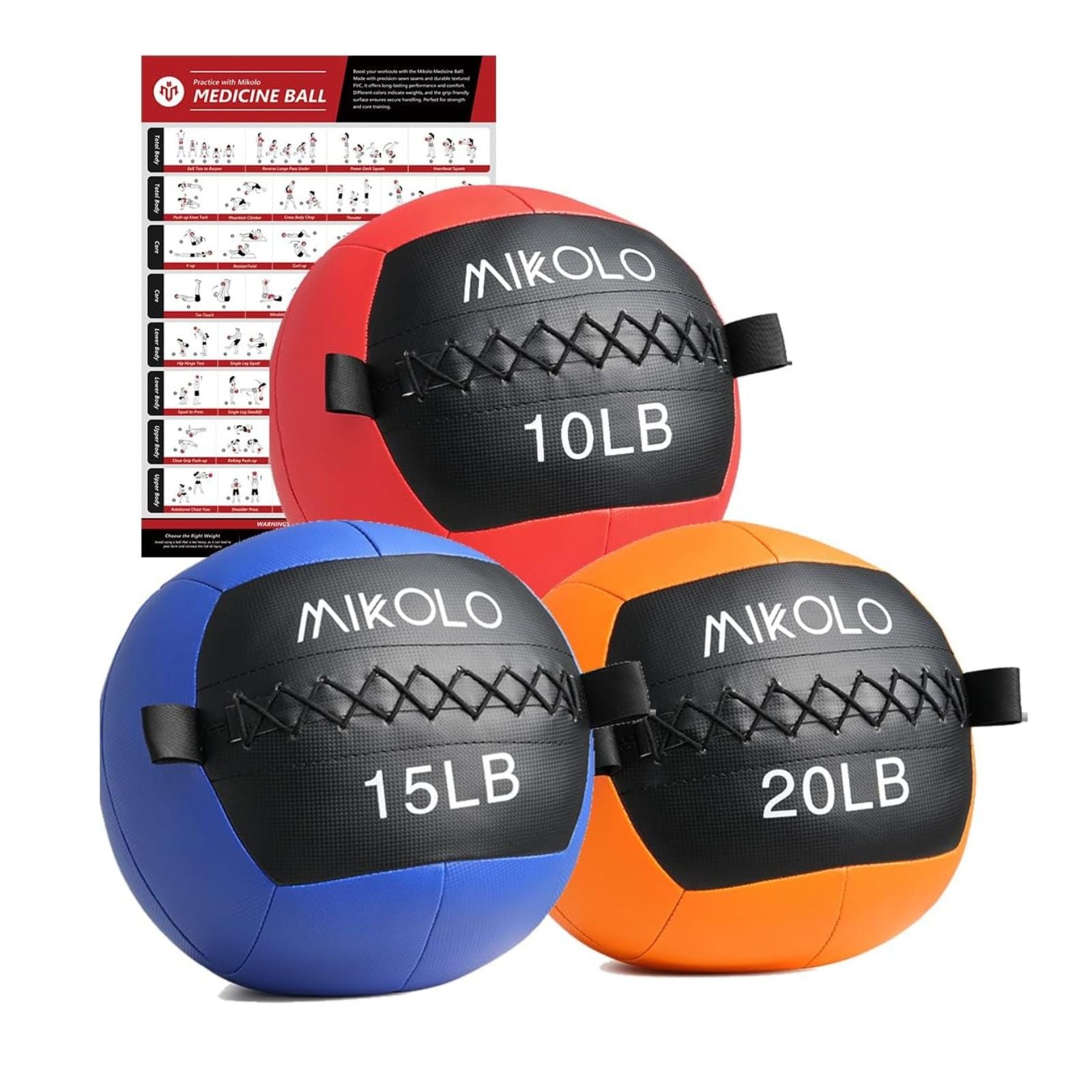
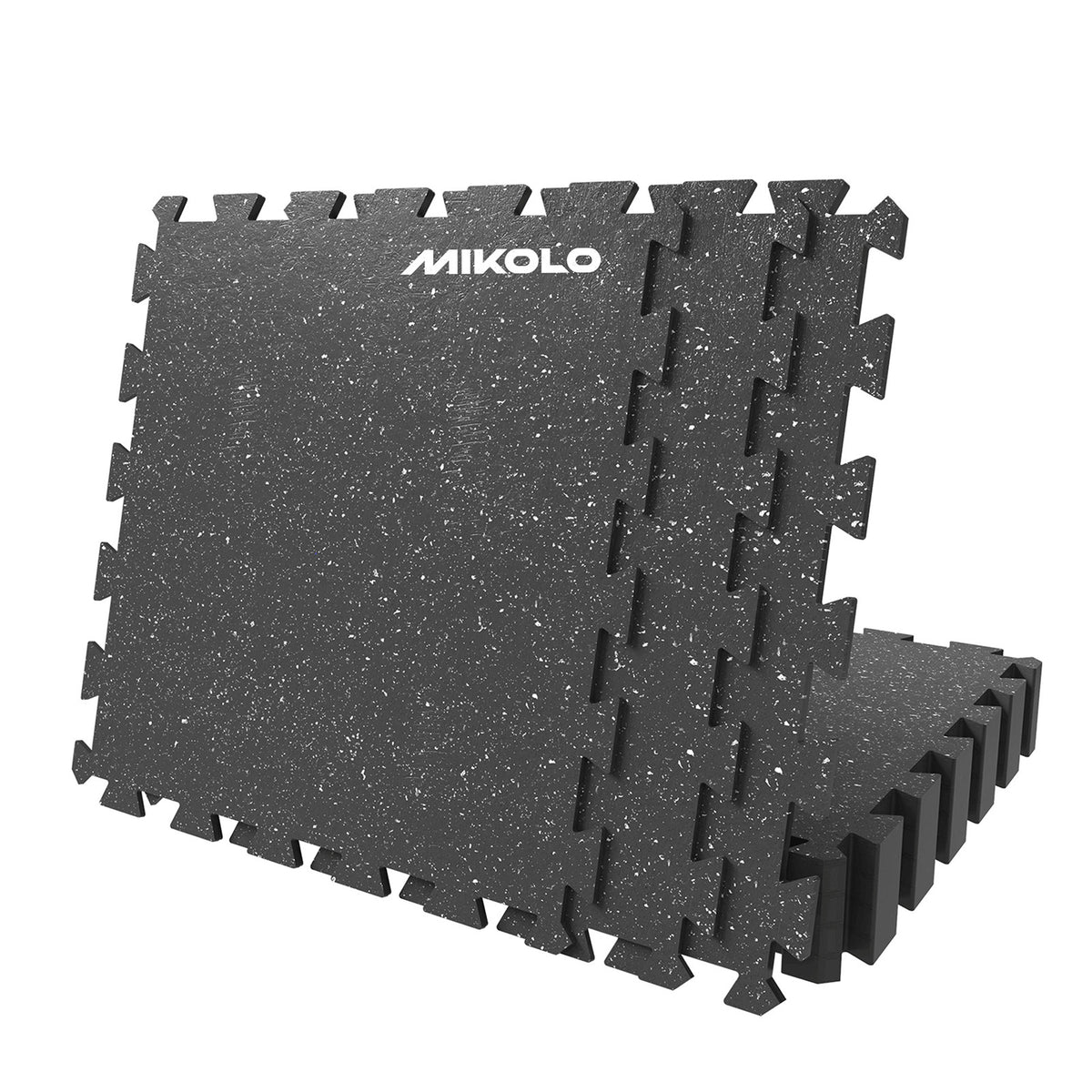
  3. Custom Gym Accessories: Small yet vital parts of the gym setup, custom gym accessories like kettlebells, dumbbells, mats, and resistance bands can be customized with logos, colors, and weights. These additions don’t just enhance the gym's functionality—they contribute to creating a cohesive environment that speaks to your brand’s personality.

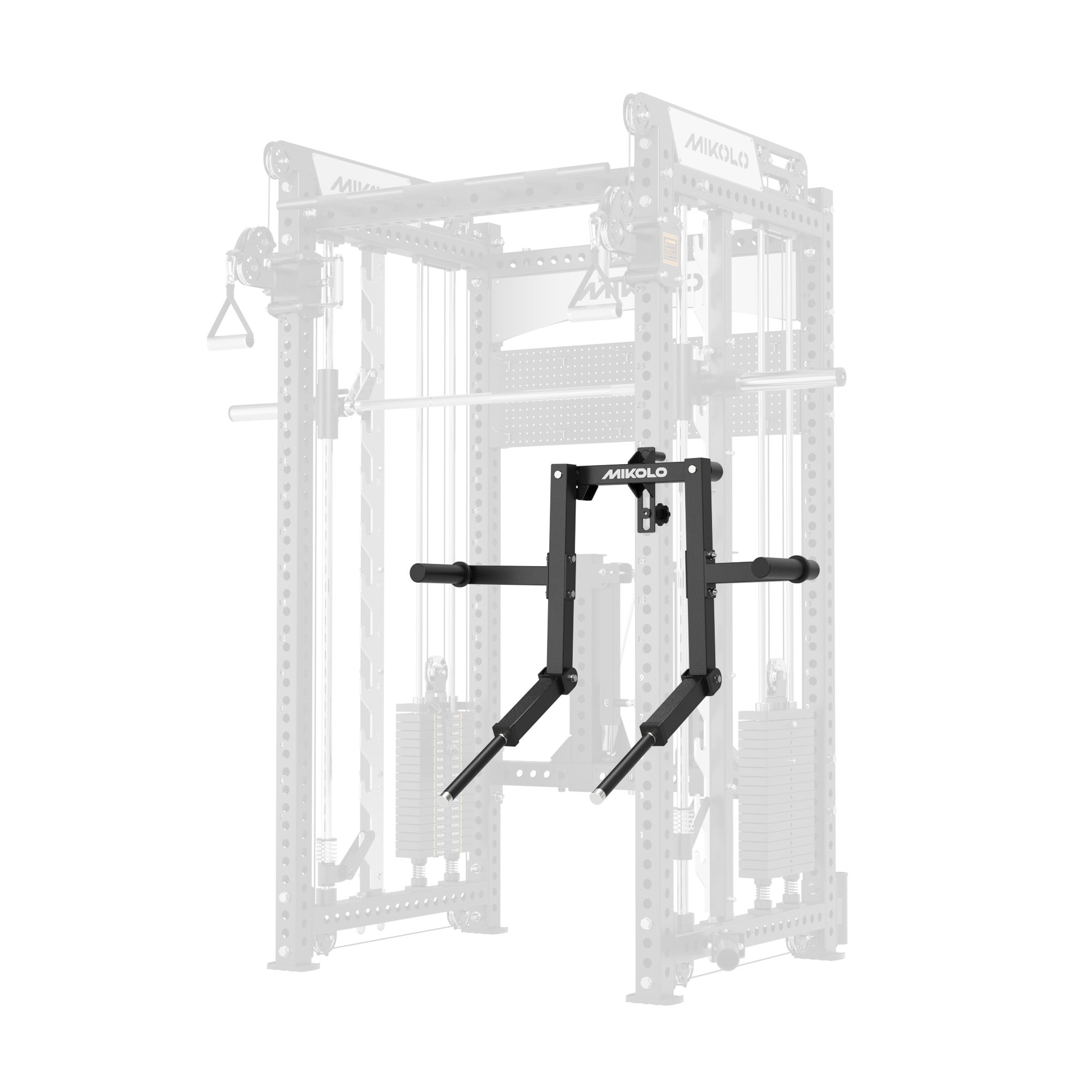
  4. Customized Fitness Systems: A customized fitness system allows you to design a complete workout experience that suits your facility’s needs. From high-tech cardio machines to adjustable weights, a fully integrated, custom-designed system creates a seamless experience for gym-goers. This approach can help gyms reduce clutter while maintaining a high level of variety in their offerings.

  5. Custom Built Gym Equipment: For those looking to design a one-of-a-kind workout space, custom built gym equipment provides endless possibilities. Whether you’re building a gym for commercial use or a home fitness center, the ability to design equipment that fits perfectly into the space and meets precise training needs is invaluable.

Why Choose Branded and Custom Fitness Equipment?

  1. Brand Identity: The fitness industry has become a highly competitive market, and businesses must find ways to stand out. Offering custom logo gym equipment or personalized workout equipment provides an opportunity for gyms, fitness studios, and health brands to reinforce their identity with customers. A personalized touch gives your gym an edge and cultivates an experience that clients will remember.

  2. Enhanced Functionality: Custom equipment can be designed with specific features that cater to unique fitness goals. Custom strength equipment, for example, can be designed to target particular muscle groups more effectively, while custom weight equipment allows for adjustments that match an individual’s strength training needs. Whether for professional athletes or casual gym-goers, personalized fitness gear ensures optimal performance.

  3. Tailored Experience for Clients: For fitness businesses, offering customizable fitness equipment that reflects the personal preferences of clients is a significant draw. Clients feel valued when the equipment they use aligns with their goals and preferences. Offering personalized fitness equipment not only enhances customer satisfaction but also increases membership retention.

  4. Durability and Quality: When investing in custom-made gym equipment, you can ensure that each piece is built to the highest standards. Custom gym equipment manufacturers typically provide equipment made from premium materials, resulting in products that stand the test of time. For those in need of long-lasting solutions, a well-crafted, custom built gym equipment can offer both longevity and style.

  5. Versatility: From custom weight benches to custom gym machines, tailored equipment offers flexibility in terms of space usage and exercise variety. This versatility allows gyms to adapt to a broader range of users, from casual exercisers to elite athletes, creating an inclusive atmosphere for all.

The Future of Custom Fitness Equipment

As the fitness world continues to grow, there’s no doubt that the demand for personalized gym equipment will increase. Gym owners are increasingly prioritizing customization as a way to offer a more immersive, personalized experience for their members. Meanwhile, fitness enthusiasts can expect even more innovation in the types of custom workout equipment available, from smart tech integrations to ergonomic designs that cater to every workout type.

Whether you're a gym owner looking to differentiate your business or an individual seeking a more tailored workout experience, the growing availability of custom gym equipment and personalized fitness systems promises to reshape the way we approach fitness training. As we move into the future, the possibilities for customizable fitness equipment will only continue to expand, pushing the boundaries of both performance and design.

In conclusion, branded and custom fitness equipment is not just a passing trend but a strategic investment in performance, brand identity, and client satisfaction. Whether through custom strength equipment, custom gym machines, or custom weight equipment, it’s clear that the future of fitness will be personalized, one workout at a time.

Leave a comment

This site is protected by hCaptcha and the hCaptcha Privacy Policy and Terms of Service apply.

Share this article

Popular Series

Hybrid Training
Recovery
Oasis Series
Power Racks

Article & Guide

What Is a Squat Rack: How to Choose the Right One for Your Home Gym

If you're setting up a home gym, choosing the right squat rack can feel overwhelming. There are squat stands, half racks, power racks, and folding racks—and they all seem similar at first.But the real question is simple: which one actually fits your training?In this guide, we’ll break down each type of squat rack and help you choose the right setup based on your space, budget, and training goals. What Is a Squat Rack (and Why It Matters) A squat rack is designed to hold a barbell at adjustable heights so you can safely perform exercises like squats, bench press, and overhead press. But for most home gym users, it becomes much more than that. A good squat rack: Lets you train heavy without a spotter Keeps you safe when you fail a rep Supports full-body strength training That’s why it’s often the first major piece of equipment people invest in. Main Types of Squat Racks 1 Squat Stands Compact & Entry-Level Squat stands are the simplest option, using two separate uprights instead of a full frame. Best for: Beginners, very small spaces, light to moderate lifting Downside: limited stability and safety 👉 Most users eventually upgrade once they start lifting heavier. 2 Half Racks Balanced Option Half racks provide a stronger frame and include spotter arms for added safety. Best for: Intermediate lifters, home gyms with moderate space, users who want stability without a full cage They're a solid middle ground—but still not the safest option for heavy solo lifting. 3 Power Racks Best for Safety & Long-Term Use Power racks (full cages) are the most complete solution. They surround you with four posts and include adjustable safety bars on all sides. Why they stand out: Maximum safety for solo training, high weight capacity, expandable with attachments 👉 If you're building a serious home gym, this is usually the best investment.For example, a system like a power rack with cable system gives you: built-in safety bars, pull-up station, and cable training options. This turns one rack into a full-body training station instead of just a squat setup. 4 Folding Squat Racks Best for Limited Space Folding racks mount to the wall and fold away when not in use. Best for: Garage gyms, shared spaces, minimalist setups Trade-offs: Lower weight capacity, requires wall installation Squat Rack vs Power Rack: What's the Difference? Many people use these terms interchangeably—but they're not the same. Feature Squat Rack Power Rack Structure Open Enclosed Safety Limited Full protection Stability Moderate High Best for Light training Heavy lifting 👉 If you train alone, a power rack is almost always the safer choice. How to Choose the Right Squat Rack Instead of overcomplicating things, match your rack to your situation: ✔ Small spaceGo compact — a folding rack or stand works if space is tight. ✔ Balanced setupHalf rack — good mix of size and stability. ✔ Serious trainingPower rack — go with a full setup like an all-in-one Smith machine & power rack combo. This type of system combines: Smith machine + Cable system + Power rack — so you can train safely while also expanding your exercise options. What Can You Do With a Squat Rack? A squat rack supports full-body training: 🦵 Lower Body Squats · Lunges 💪 Upper Body Bench press · Overhead press 🏋️ Back Pull-ups · Rows With the right setup, you can build an entire training program around it. If you’re using a system with cables (like many functional trainer power rack setups), you can also add: lat pulldowns, cable rows, and isolation movements. Final Thoughts: Which Squat Rack Is Worth It? If you're just starting, a basic setup can work. But if you want something that: grows with your training keeps you safe replaces multiple machines 👉 then a power rack or all-in-one system is the smarter long-term choice. Instead of upgrading later, you start with a setup that can handle everything from day one.

Learn more

What Do Preacher Curls Work: Complete Guide to Target Muscles and Benefits

Preacher curls are a go-to move for building bigger, stronger arms. Whether you’re using a preacher curl bench, dumbbells, or a cable machine setup, this exercise is designed to isolate your biceps and eliminate momentum. If you’ve ever caught yourself wondering which muscles this exercise really targets, you’re not alone. Preacher curls mainly hit your biceps brachii—especially the long head—while also getting help from muscles like the brachialis and brachioradialis. The way the preacher bench is set up, you can’t cheat by swinging the weight, so your arms have to do all the heavy lifting. Knowing exactly how preacher curls work your arms can really help you dial in your training. Here’s a closer look at which muscles get involved and why preacher curls might just be worth adding to your routine. Muscular Focus of Preacher Curls Primary Muscles Activated The biceps brachii is the star here. It’s got two parts—the long head and the short head. The preacher curl really stretches out the long head, which runs along the outside of your upper arm. Your biceps brachii bends your elbow against the weight. Thanks to the bench’s angle, your arms stay in front of your body, giving the long head more of a stretch than regular curls. Since you can’t use momentum or body swing, your biceps are left to do the work—no shortcuts here. Secondary Muscle Engagement The brachialis muscle, tucked under your biceps, helps with elbow flexion. It gets a good workout during preacher curls. Your brachioradialis, running from elbow to wrist, also helps flex your elbow. When you use an underhand grip, the supinator muscles in your forearm also get involved to help rotate and support the lift. Stabilizing Muscle Groups Your forearm flexors help you maintain a solid grip on the weight, while your anterior deltoid helps stabilize your upper arm against the bench. Your core also helps keep your torso steady, even though it’s not the main focus here. Benefits of Preacher Curls Enhanced Muscle Isolation The preacher bench prevents you from using momentum, so your biceps stay loaded from start to finish without relying on momentum. Strength and Hypertrophy Potential Because the movement is so controlled, it’s easier to gradually increase the weight over time. Impact on Arm Aesthetics Preacher curls emphasize the lower portion of the biceps and the brachialis, contributing to fuller, more defined arms. What Equipment Is Best for Preacher Curls? While preacher curls are traditionally performed on a preacher bench, you can still do them a few different ways depending on what equipment you have: Dumbbells: Great for correcting muscle imbalances and improving control Barbell or EZ Bar: Ideal for heavier loading and strength progression Cable Machines: Provide constant tension throughout the movement Smith Machine Setups: Offer added stability and safety, especially for beginners or solo training For home gym users, an all-in-one setup that combines a Smith machine with a cable system makes this much easier to do at home. You get more control, smoother resistance, and the ability to switch between exercises without changing machines. Example: Mikolo All-in-One Smith Machine Preacher Curls vs Regular Curls Unlike regular bicep curls, preacher curls eliminate momentum and reduce shoulder involvement, making them more effective for strict isolation. Regular curls allow heavier weights and more natural movement, while preacher curls focus on control and muscle tension. FAQ Are preacher curls better than regular curls? They’re better for isolation, while regular curls are better for overall strength and functional movement. Can preacher curls build bigger biceps? Yes. They’re highly effective for hypertrophy when combined with progressive overload. Should beginners do preacher curls? Yes, especially since the setup helps enforce proper form and reduces cheating. Can you do preacher curls at home? Absolutely. With the right equipment setup—like a bench, dumbbells, or a cable/Smith machine—you can perform effective preacher-style curls at home. Final Tip: If you’re training at home, choosing versatile equipment can make exercises like preacher curls easier, safer, and more effective to perform consistently.

Learn more

Smith Machine Guide: Benefits, Exercises & Best Options for Home Gym

The Smith machine is a staple in many gyms—a barbell fixed on steel rails, moving only up and down in a straight path. Unlike free weights, it guides your motion and comes with built-in safety hooks so you can catch the bar whenever you need. That’s a big reason it attracts both beginners and seasoned lifters. The Smith machine gives you more control and safety than free weights, especially if you’re working out solo. You can lock the bar in place with a quick twist of your wrists, so there’s no need for a spotter if you can’t finish a rep. The set path also lets you hone in on specific muscles without stressing about balance the whole time. For home gym users, modern all-in-one Smith machine systems combine multiple stations—like cables, pull-up bars, and storage—into one compact setup, making them a practical choice for building a complete training space. Once you get the hang of the Smith machine, it can really boost your workouts. You’ll see how different machines work, which exercises hit your legs, chest, glutes, and back, and how to dodge the usual mistakes that slow your progress. Understanding the Smith Machine The Smith machine stands out because of its fixed barbell path and safety features. The guided rails control the bar’s movement, and you can lock it in place at any time with simple hooks along the track. Core Components and Design At its core, the Smith machine is a barbell attached to vertical steel rails—these rails typically run from the floor to about seven or eight feet high. The bar slides smoothly up and down on these tracks. The barbell usually weighs between 15 and 25 pounds, which is less than a standard Olympic barbell (that’s 45 pounds). It’s worth knowing your machine’s bar weight so you can actually track your lifts. Safety hooks are spaced every few inches along the rails. Twist the bar, and you can hook it at any height—perfect if you’re tired or lose control mid-set. Most machines also have adjustable stops to keep the bar from dropping too low. Guided Barbell Mechanics The bar only moves vertically (sometimes with a slight forward angle). You can’t move it forward, back, or side-to-side. This locked-in path means you don’t have to balance the weight as you would with free weights. Every rep follows the same route, start to finish. To lock or unlock the bar, just twist your wrists a bit and it’ll catch or release from the safety hooks. Because the machine does the stabilizing, your smaller support muscles aren’t as involved as they’d be with free weights. The Smith machine handles the bar’s position for you. Comparison With Traditional Free Weights With free weights, you’re balancing and controlling the barbell in every direction. Your stabilizers are working overtime to keep it steady. The Smith machine takes that job away. Free weights let you adjust the bar path to fit your body’s natural movement. The Smith machine locks you into one line. That’s handy for isolating muscles, but it might not match how your joints want to move. If things go south with free weights, you can bail by dropping or rolling the bar away. On the Smith machine, just twist and lock the bar wherever you are—super quick exit. Safe Operation Tips Getting the setup right, actually using the safety features, and keeping good form are the basics for staying safe and getting stronger on the Smith machine. Proper Setup and Positioning Always adjust the bar height before you add weight. For squats, set the bar at shoulder height. For bench presses, you want it so your arms are slightly bent when you’re lying down. Make sure your body lines up naturally with the bar’s path. If you have to twist or reach awkwardly, adjust until it feels right. Double-check the safety stops—those are your last line of defense. Set them just below your lowest point in the movement. Give the machine a quick once-over. The bar should rotate smoothly and all the pins should be locked in. Engaging Safety Locks The Smith machine’s hooks lock the bar in place. To unlock, lift the bar a bit and twist your wrists—usually just a small turn forward or back. It’s smart to practice this locking move with no weight first. You want it to be second nature in case you get stuck mid-lift. The twist-and-lock should be automatic. Keep the safety stops at the right height for every exercise. They should catch the bar if you fail, but not block your range of motion. Try them with a light load to make sure they’re set right. Correct Lifting Techniques Brace your core every rep. This protects your back and helps with balance, even though the machine’s guiding the bar. Use a steady tempo—lower the weight for 2-3 seconds, lift it back up in 1-2. Don’t just let it drop with gravity. Keep your feet flat. Don’t let your heels pop up during squats or push through your toes on the bench press. Remember to breathe: inhale as you lower, exhale as you push up. Holding your breath for a whole set? Not a good idea. Common Mistakes to Avoid Don’t get lazy with your stabilizers—the machine helps, but you still need to engage your core and supporting muscles. Resist the urge to pile on weight too fast. The fixed path can make things feel easier, but your joints might not agree. Don’t lean your body into the bar or use momentum to move it. That’s not the point of the exercise. And seriously, never skip setting the safety stops. Even pros can miss a rep, and you want that backup. Varieties of Smith Machines Smith machines come in a few flavors, and the design can really change how the bar feels to lift. The track angle, counterbalance system, and extra features all play a role in which model fits your needs or space. Multi-Functional Hybrid Machines Hybrid Smith machines combine the Smith bar with other workout stations, giving you more options in one big setup. This is exactly where all-in-one systems stand out for home gyms. Typical add-ons: cable crossovers, pull-up bars, plate storage, sometimes even a power rack on the side. Example setups: Mikolo All-in-One Smith Machine | Mikolo Anubis 2.0 (Dual Weight Stack) They’re great for saving space in home gyms—you get lots of exercise variety without buying tons of separate gear. But they’re pricier and take up more room than a basic Smith machine. Standard Linear Smith Machines Standard linear Smith machines move the bar straight up and down—no angle at all. This rigid path doesn’t always match how your body wants to move. They’re solid for calf raises and shrugs, since those moves are already pretty vertical. But for squats or bench presses, that straight line can feel a bit forced. You might have to tweak your stance or bar position, and honestly, it’s not always comfortable compared to free weights. Most gyms go with this type—they’re cheaper and don’t need much maintenance. Angled Track Smith Machines Angled Smith machines tilt the bar path at about a 7 to 12 degree angle. That slant is closer to how your body actually moves during big lifts. The angle makes squats feel more natural—your knees and hips track better, and there’s less strain on your joints. Bench presses benefit too, since the bar moves in a slight arc, more like what you’d get with free weights. Downside? You can’t change the angle. What’s great for squats might not be perfect for other lifts. Counterbalanced and Non-Counterbalanced Models Non-counterbalanced Smith machines start with the full bar weight—usually anywhere from 15 to 45 pounds depending on the brand. Counterbalanced machines use weights or springs to offset the bar, so it can feel as light as 5 to 15 pounds empty. That’s awesome for beginners who want to nail their form before loading up plates. Some key differences: How much weight you start with How smooth the bar feels Price tag How much maintenance the machine needs Counterbalanced systems have more moving parts, so they can wear out and cost more up front. But that lighter starting weight is great for learning the ropes safely. Benefits and Limitations The Smith machine shines for stability and controlled movement, but it does limit your natural motion and how much your stabilizers get involved. Stability and Injury Risk The fixed bar path provides built-in stability that helps lower your risk of dropping weights or losing balance during lifts. Range of Motion Considerations The Smith machine locks your movement into a single line, which may not match natural movement patterns for every lifter. Versatility Across Exercises You can perform a wide range of exercises including squats, presses, rows, and isolation work. Suitability for Different Experience Levels Beginners benefit from safety and control, while advanced lifters use it for hypertrophy and accessory work. Should You Buy a Smith Machine for Your Home Gym? If you’re building a home gym, a Smith machine is one of the most versatile pieces of equipment you can invest in. Best for: Beginners, solo training, safer heavy lifting Great for: Space-saving all-in-one setups Less ideal for: Pure free-weight purists Best Smith Machine for Home Gym Setup All-in-One Smith Machine (Best Overall) Mikolo All-in-One Smith Machine Dual Weight Stack System (Premium) Mikolo Anubis 2.0 Strategic Integration Into Training Use free weights for primary lifts and Smith machine for controlled accessory work. FAQ Is a Smith machine good for beginners? Yes, it provides safety and guidance for learning movements. Can you build muscle with a Smith machine? Yes, especially for hypertrophy-focused training. Is a Smith machine worth it for a home gym? For most users, yes—especially when training alone. Smith machine vs free weights? Both are valuable when used together.

Learn more
View all