MIKOLO Fitness · Workout Guide
Thirty minutes on the clock, one sequence of exercises, and a full-body workout that hits legs, push, pull, and core. That is the core appeal of circuit training, whether you train in a garage gym, spare room, or commercial facility.
A well-designed circuit delivers strength, cardio, and muscular endurance in a single session without requiring separate lifting and cardio days.
Circuit training moves through stations with minimal rest, balancing full-body movement patterns instead of isolating single muscle groups. You can easily adjust the load, pace, and work intervals to match goals like fat loss, work capacity, or general strength.
Key Takeaways
- A 30-minute circuit workout develops strength, cardiovascular fitness, and endurance in one efficient session.
- Circuit training focuses on continuous movement through stations, while HIIT emphasizes near-maximal cardio intervals.
- Routines scale easily using bodyweight, dumbbells, or full home-gym equipment setups.
How Circuit Training Works and What It Improves
A circuit session strings together several exercises performed back-to-back with brief transitions, repeating the sequence for multiple rounds. Continuous movement keeps your heart rate elevated, distinguishing circuit training from traditional strength workouts that use long rest periods.
This format blends resistance training with aerobic conditioning in a compact timeframe. Compound lifts build muscular strength, while reduced downtime improves aerobic capacity, stamina, and metabolic conditioning.
What Counts as One Complete Circuit?
One circuit is a single pass through every exercise station in the routine. For example, completing squats, push-ups, rows, lunges, planks, and jumping jacks once equals one circuit. Most 30-minute workouts target three to five total rounds.
Circuit Training vs. HIIT and Interval Training
Circuit training is a workout structure rather than a specific intensity level. HIIT specifically alternates all-out bursts of effort with strict rest periods, often relying on cardio modalities like sprints or stationary bike intervals. In contrast, circuit workouts often blend strength moves with conditioning exercises. They can run at a moderate, steady pace or high intensity depending on your programming goals.
Benefits for Strength, Endurance, and Cardio
Circuits build strength by loading foundational movement patterns such as squats, presses, hinges, and pulls. Short rest intervals simultaneously challenge the heart and lungs, making this format exceptionally time-efficient.
Tangible progress includes completing more reps per station, recovering faster between rounds, and sustaining consistent form and power throughout the final round.
When Circuits Are Not the Primary Choice
Circuit training is not optimal for peak maximal strength or powerlifting preparation. Moving quickly between stations requires moderate loads rather than the heavy weights and full recovery needed to test a one-rep max.
How to Build a Balanced 30-Minute Circuit Workout
A balanced 30-minute circuit rotates through push, pull, squat, hinge, and core movements. This balanced rotation ensures no single muscle group fatigues prematurely while others remain underworked.
Choose Exercises by Movement Pattern
Organize your circuit by functional movement patterns rather than isolated muscle groups. A standard six-station lineup covers total-body mechanics smoothly:
- Squat or goblet squat (lower-body push)
- Push-up or overhead press (upper-body push)
- Romanian deadlift or kettlebell swing (hip hinge)
- Dumbbell row or pull-up (upper-body pull)
- Reverse lunge or step-up (unilateral leg)
- Plank or dead bug (core stability)
Use Reps, Timed Stations, or AMRAP Formats
Rep-based circuits (8-12 reps per station) prioritize form and controlled tempo. Timed stations (30-45 seconds of work) suit conditioning and steady pacing.
As Many Rounds as Possible (AMRAP) formats challenge work capacity over a fixed block of time, such as 20 minutes. Pick one format per workout to measure progression accurately over time.
Set Work Intervals and Recovery Between Rounds
A dependable starting ratio is 40 seconds of work followed by 20 seconds of transition between stations, with 60 to 90 seconds of rest after each full round. Beginners can extend post-round rest to two minutes.
Short station transitions maintain cardiovascular intensity. Longer recovery between rounds lets you catch your breath and maintain clean technique on subsequent passes.
Select Loads That Preserve Good Form
Choose weights that permit crisp execution through the very last round. If your lifting mechanics falter by round three, reduce the resistance immediately.
Dumbbells, kettlebells, and resistance bands work particularly well because they allow fast transitions between exercises without complex setup changes.
A Beginner Bodyweight Circuit for Home
A bodyweight circuit requires no equipment and fits into a small living room or garage space. It offers an ideal entry point to build movement competency, joint stability, and aerobic base.
The 30-Minute Beginner Bodyweight Routine
Perform each station for 40 seconds, rest 20 seconds between movements, and rest 90 seconds between rounds. Complete three total rounds following a brief warm-up.
| Station |
Exercise |
Target Area |
| 1 |
Bodyweight squats |
Quads and glutes |
| 2 |
Push-ups (incline or knee mod) |
Chest and triceps |
| 3 |
Glute bridges |
Hamstrings and glutes |
| 4 |
Inverted rows or doorframe rows |
Upper back and biceps |
| 5 |
Forearm plank |
Core stability |
| 6 |
Jumping jacks or high knees |
Cardiovascular conditioning |
For more programming strategies and modifications, explore our beginner circuit workout guide.
Low-Impact Exercise Substitutions
High-impact cardio moves can stress sensitive joints or hard garage floors. Swap jumping jacks for brisk marching in place, mountain climbers for standing knee raises, and burpees for step-back planks.
Substitute reverse crunches or bird-dogs for standard crunches if you experience lower-back discomfort. These variations maintain cardiovascular demand while reducing joint impact.
Pacing Your First Few Sessions
Start with two rounds during your first week instead of pushing straight to three. Focus on smooth, full-range movement at every station.
By week three or four, add a third round or trim 15 seconds off the rest intervals between rounds as your conditioning improves.
Full-Body Home-Gym Circuits With Weights and Cables
Equipping your space with adjustable dumbbells, a power rack, or a cable station expands exercise variety and enables progressive overload.
A Beginner Dumbbell Circuit
A pair of adjustable dumbbells is all you need for an effective loaded circuit. Perform 45 seconds of work, take 15 seconds of transition, and complete three rounds:
- Goblet squats
- Bent-over dumbbell rows
- Dumbbell curl-to-overhead press
- Romanian deadlifts
- Alternating reverse lunges
This compact routine strengthens major muscle groups without demanding extensive floor space.
A Strength-Focused Rack and Bench Circuit
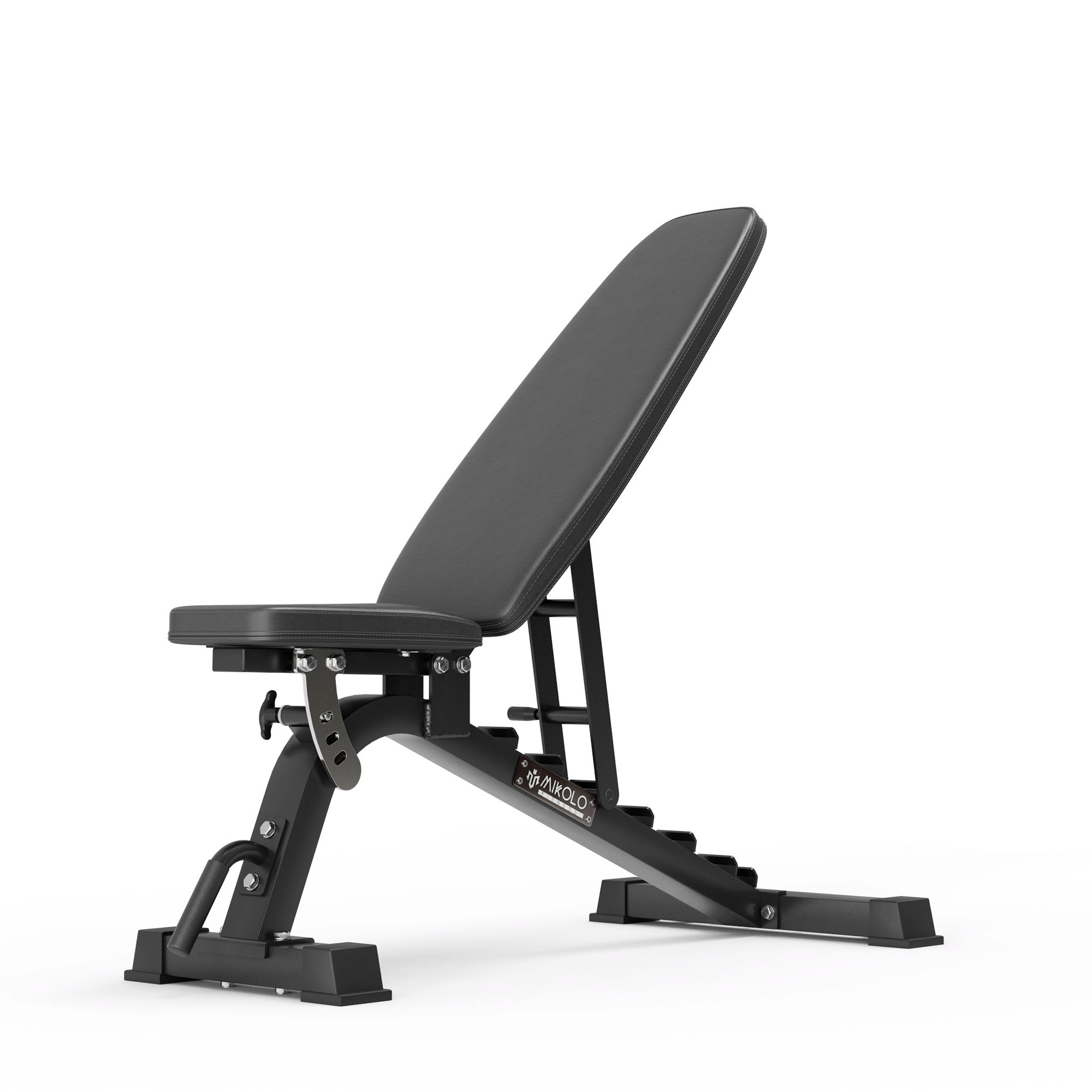
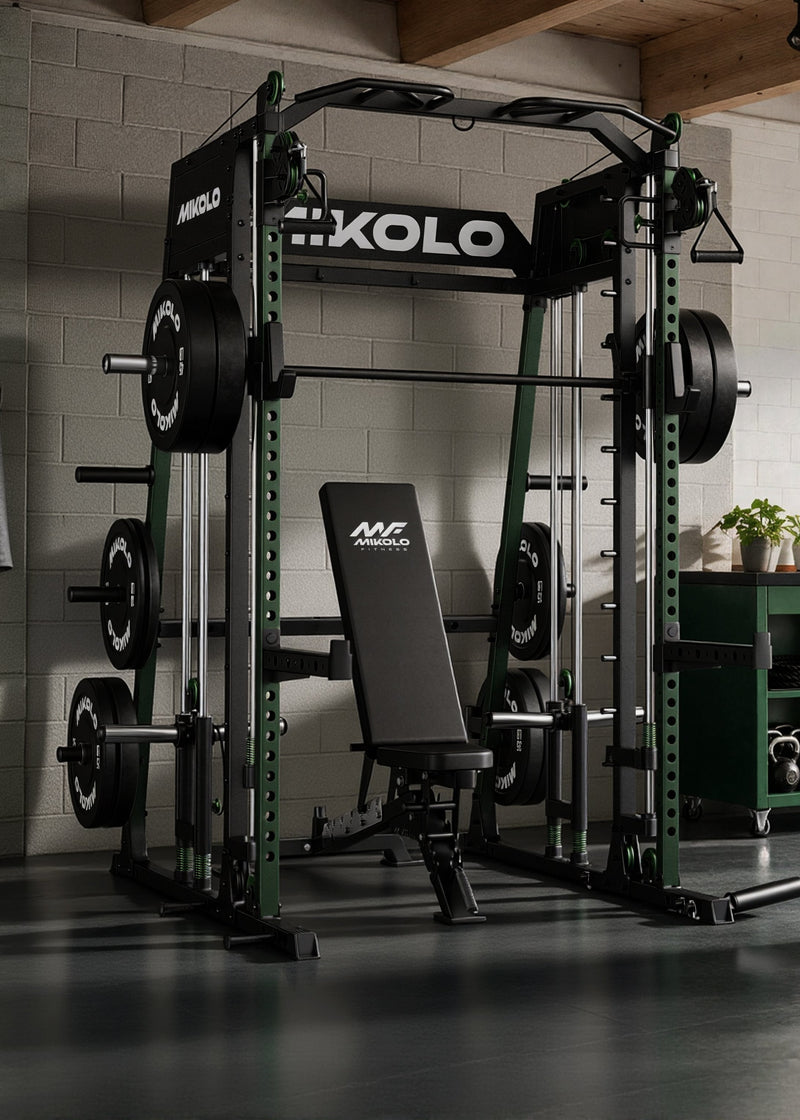
A power rack and adjustable bench enable heavier circuit training centered on foundational compound lifts: squats, flat bench presses, Romanian deadlifts, barbell rows, and overhead presses.
Perform four rounds of 6 to 8 reps with 60 to 90 seconds of rest between stations. Modular rack attachments and quick-adjust J-hooks keep transitions fast and safe within a single training station.
A Conditioning Circuit With Cables and Carries
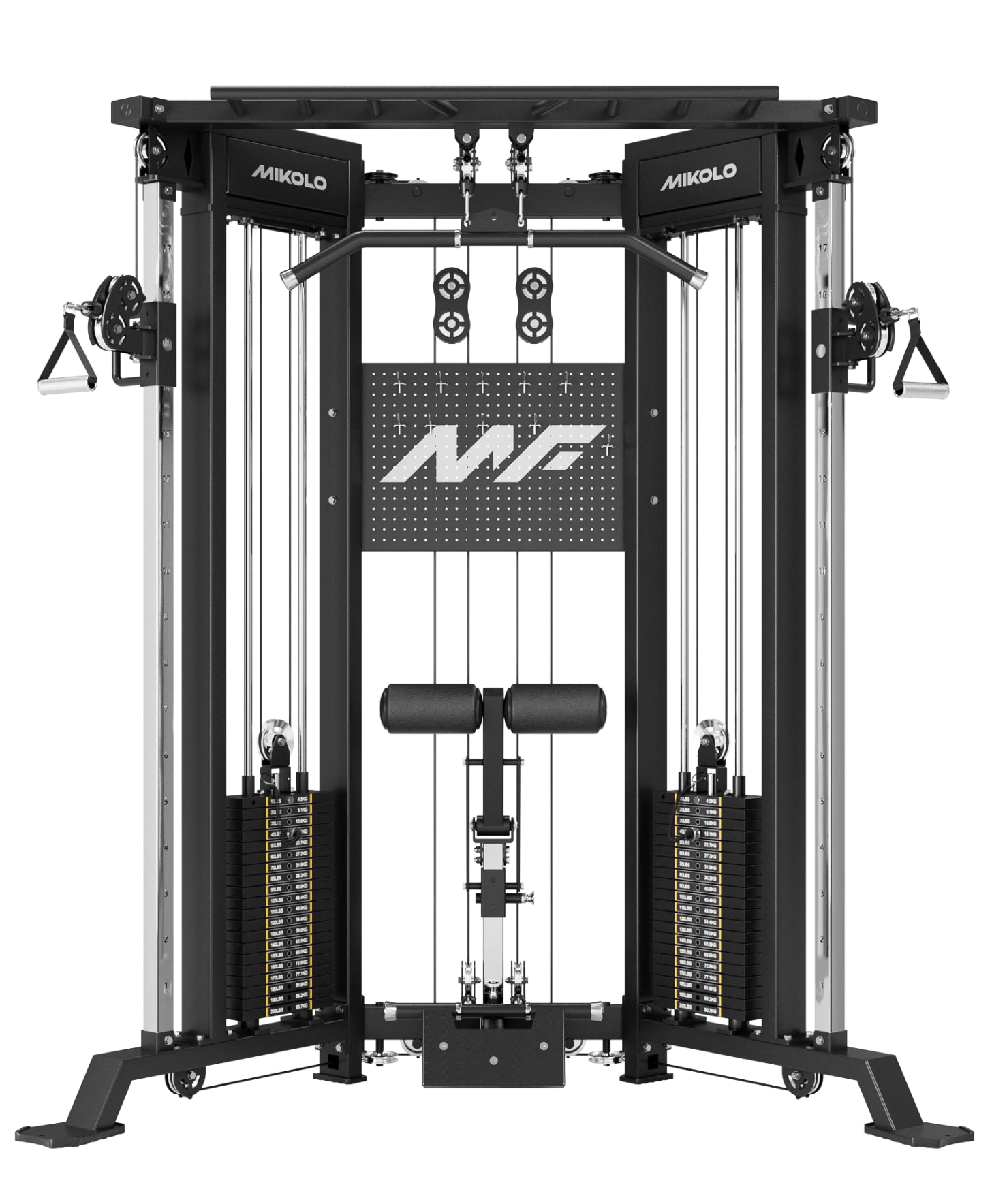
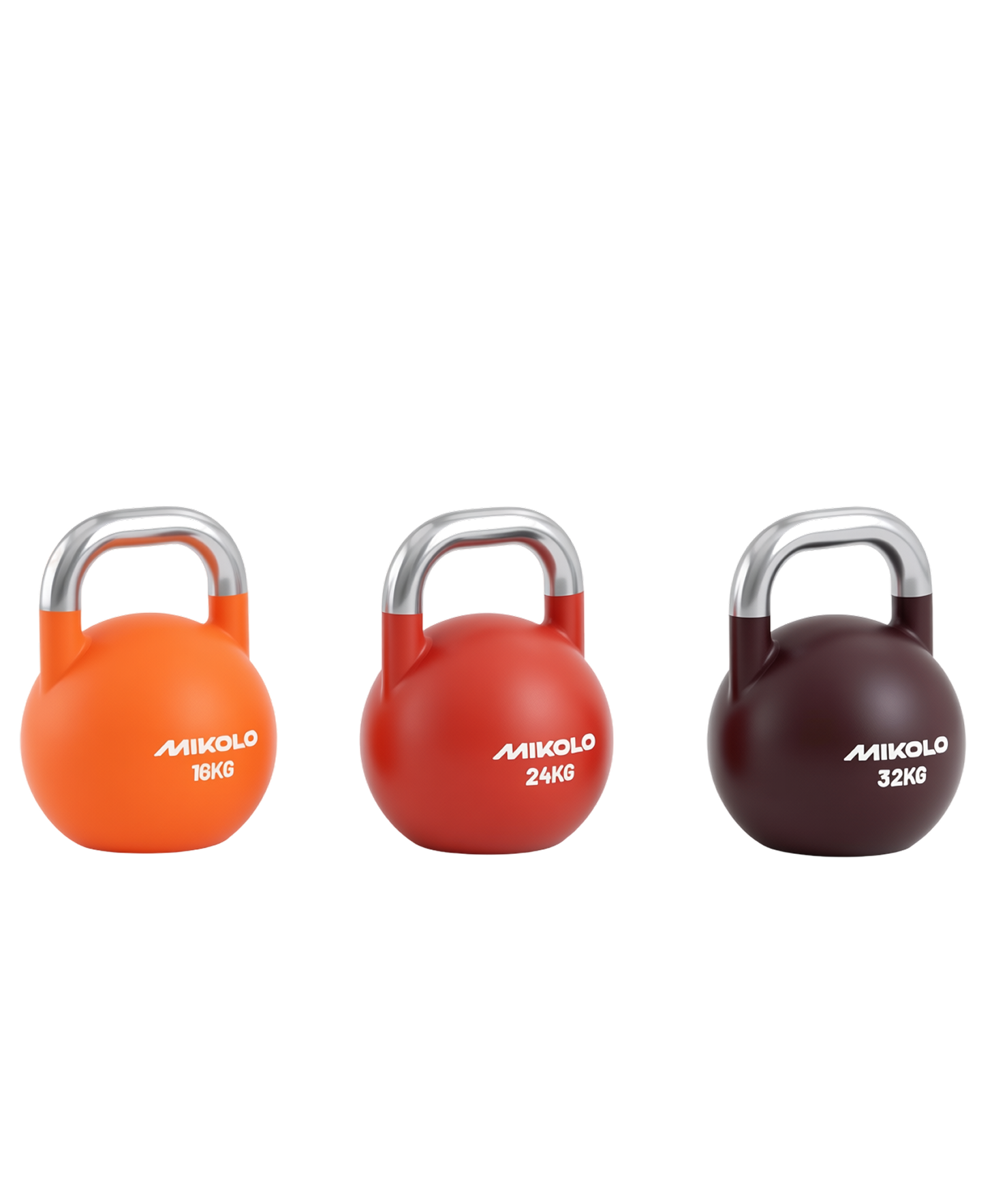
Cable machines provide continuous tension throughout a movement's range of motion. Pair cable rows, face pulls, and cable woodchoppers with kettlebell swings and farmer carries for comprehensive conditioning.
Review our guides on full body workouts using a cable machine and our cable workout roundup for additional exercise combinations.
Organizing Stations in a Compact Space
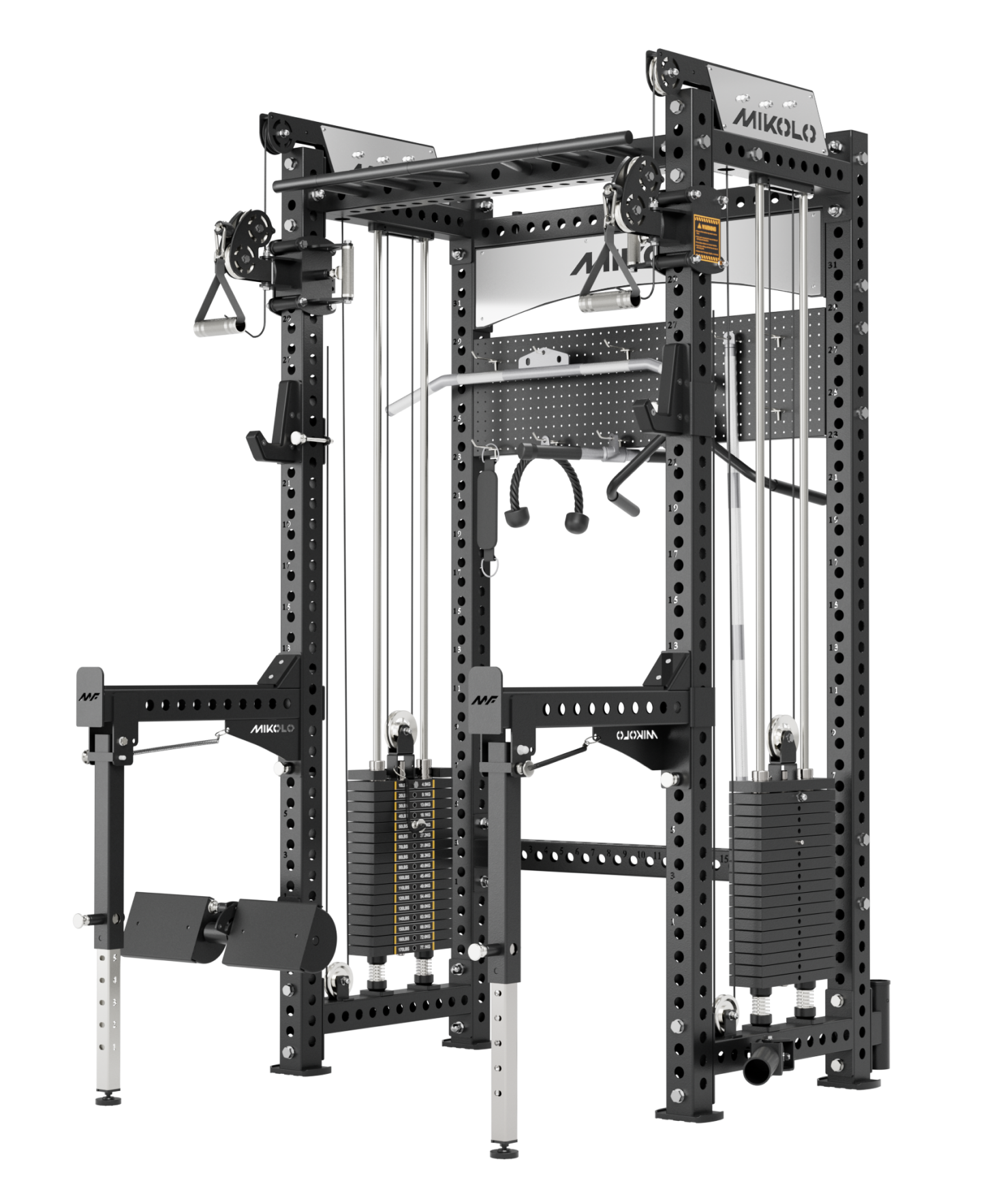
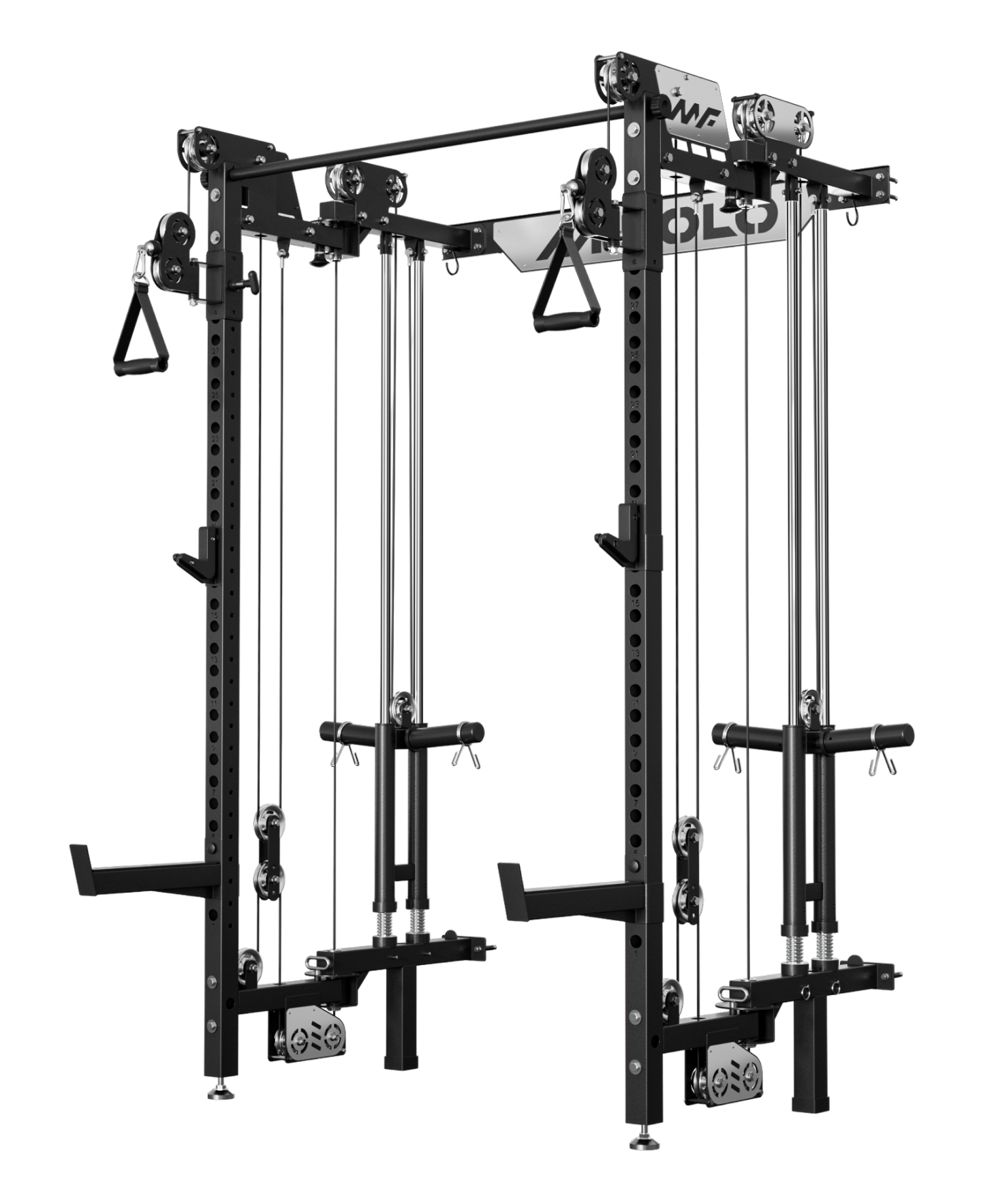
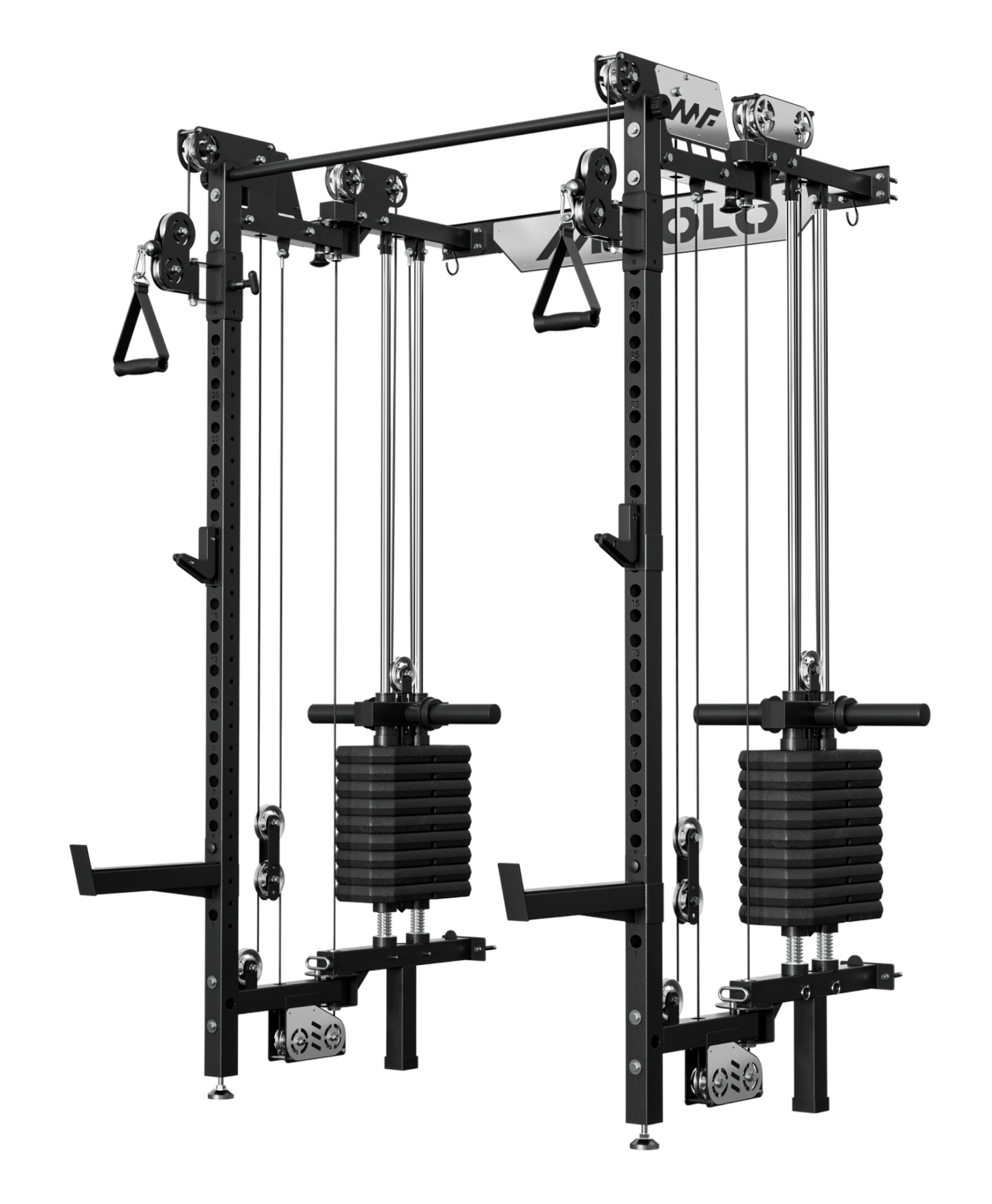
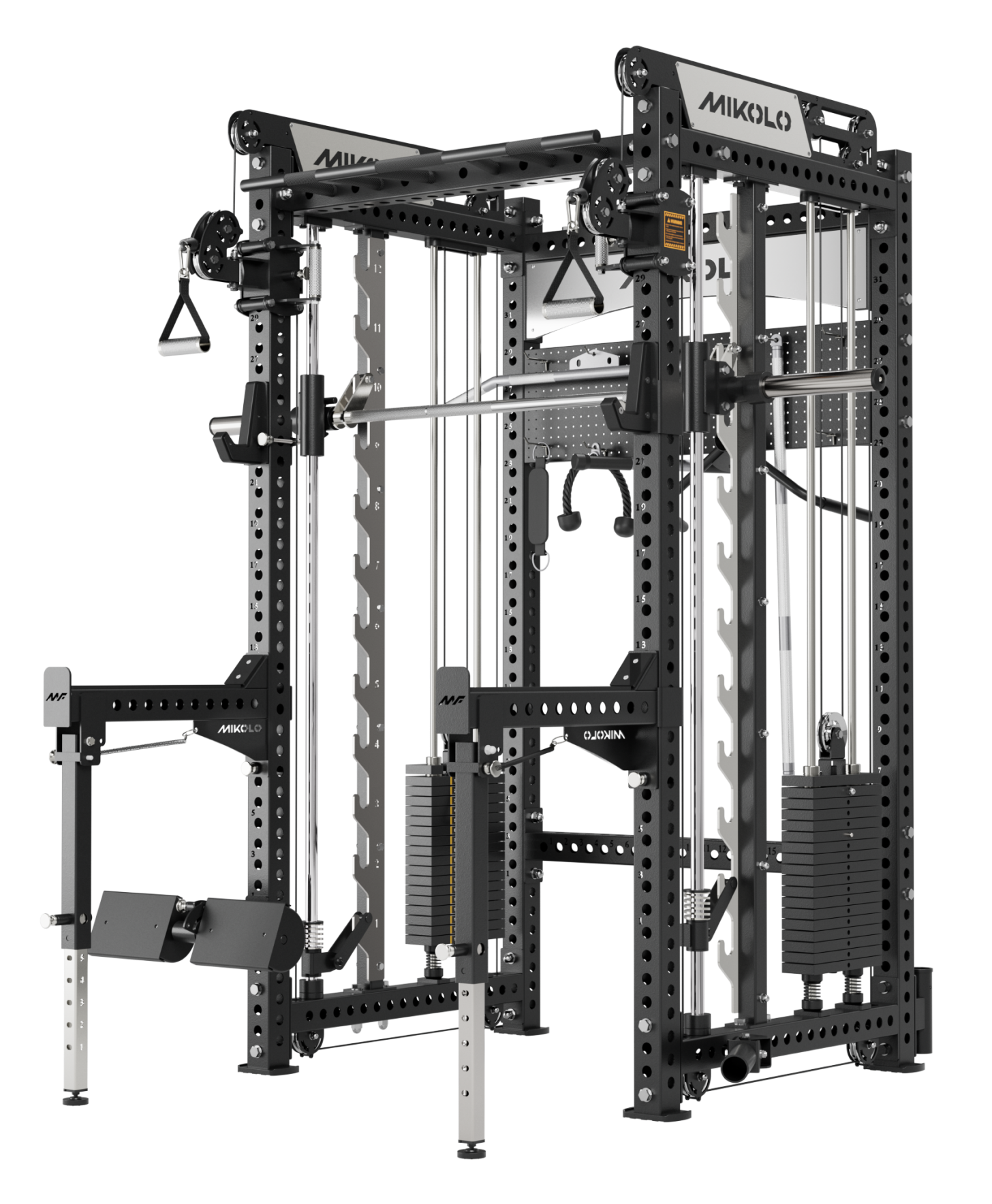
Arrange your equipment in a tight loop so transitions take only a few steps. Multi-functional equipment, like a power rack with integrated cable pulleys, lets you train the whole body within the footprint of a single parking stall.
Progression and Recovery Strategies
Progress in circuit training stems from deliberate weekly adjustments. Because circuits push both muscular and aerobic systems, structured progression prevents overtraining and burnout.
Match Frequency to Fitness Level
Two to three circuit sessions per week provide significant conditioning while allowing sufficient recovery. Beginners should start with two sessions spaced at least 48 hours apart.
Schedule rest days or active recovery between intense circuit days. Back-to-back strenuous sessions can compromise form and increase injury risk.
Adjust One Variable at a Time
Progress your workouts systematically: add 2-5 pounds of resistance, perform one additional rep per station, reduce rest intervals by 10 seconds, or add a round. Adjusting only one variable at a time ensures sustainable adaptation.
Warm Up, Cool Down, and Support Recovery
Begin each workout with five minutes of dynamic mobility—such as arm circles, hip openers, and bodyweight lunges—to prepare joints and elevate core body temperature. Save static stretching for post-workout recovery.
Prioritize protein intake, hydration, and 7 to 9 hours of sleep. Consistent recovery practices fuel athletic performance and long-term stamina.
Build Long-Term Consistency
A 30-minute circuit workout offers an adaptable, results-driven format for any fitness level. Progressing steadily with consistent movement patterns ensures durable strength and cardio gains.
To configure your training space with versatile equipment, explore MIKOLO's home-gym equipment or reach out through MIKOLO's contact page for personalized gym setup guidance.
Frequently Asked Questions
What is an example of a 30-minute circuit workout?
A classic full-body circuit combines bodyweight squats, push-ups, dumbbell rows, lunges, planks, and jumping jacks. Performing each move for 40 seconds followed by 20 seconds of rest for three to four rounds completes an effective 30-minute session.
Is circuit training the same as HIIT?
No. While both can elevate heart rate, HIIT relies on near-maximal effort sprints and strict rest intervals. Circuit training is a broader training format that alternates between different strength and conditioning stations.
Can circuit training help with fat loss?
Yes. Circuit training burns calories during exercise and elevates post-workout energy expenditure through resistance loading and elevated heart rates, supporting fat loss when combined with a balanced diet.
How many days per week should I do circuit workouts?
Most lifters thrive on two to three circuit training sessions per week. Incorporating rest or light cardio days between workouts supports muscle recovery and injury prevention.
Can I do circuit training at home without weights?
Yes. Bodyweight movements like push-ups, squats, lunges, and planks deliver an intense, functional workout with zero equipment needed.
How long should rest periods be during a circuit?
Aim for 15 to 30 seconds of transition between exercises and 60 to 90 seconds of rest between full rounds. Adjust these intervals based on your current fitness level and target workout intensity.






















Leave a comment
This site is protected by hCaptcha and the hCaptcha Privacy Policy and Terms of Service apply.