

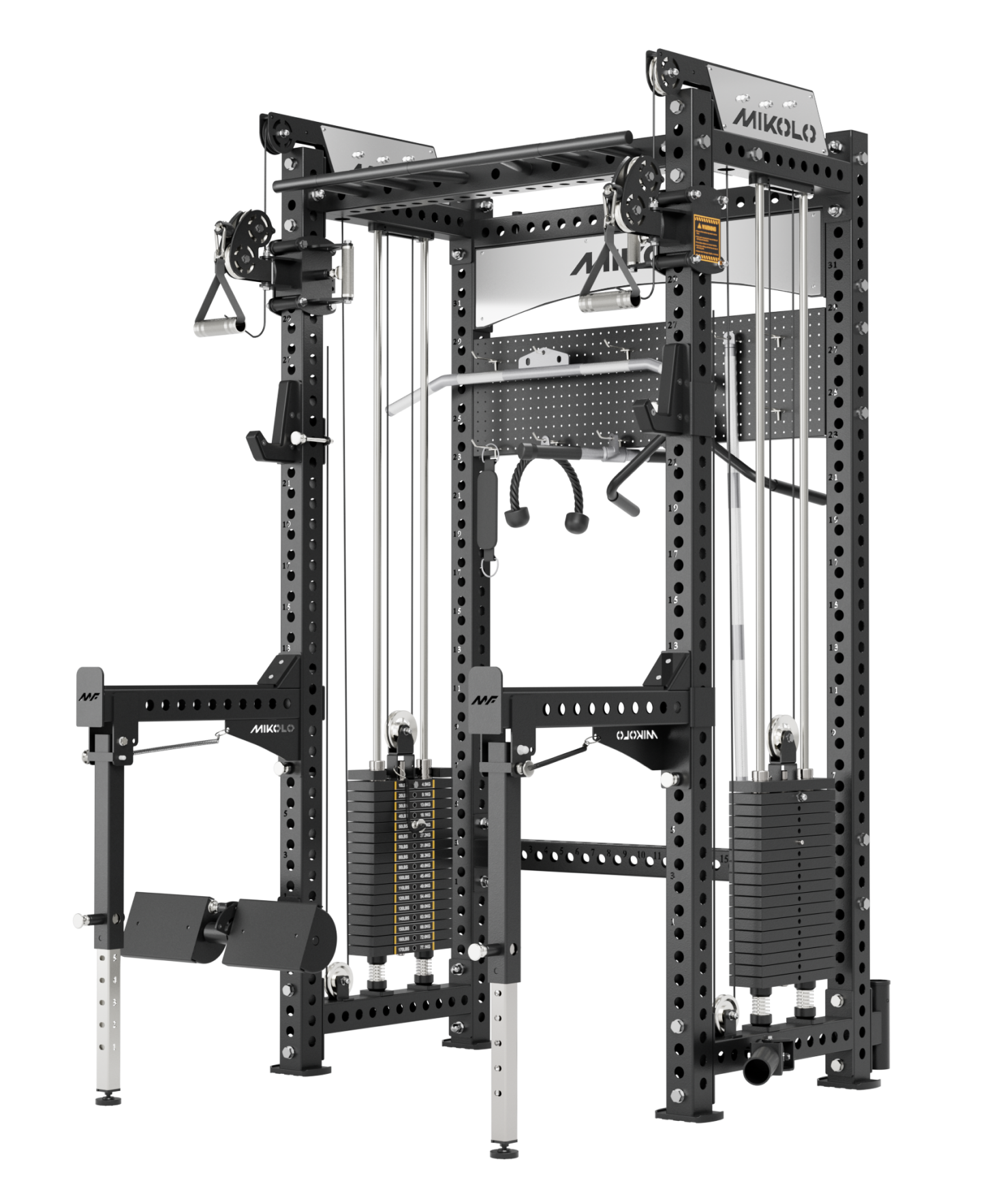


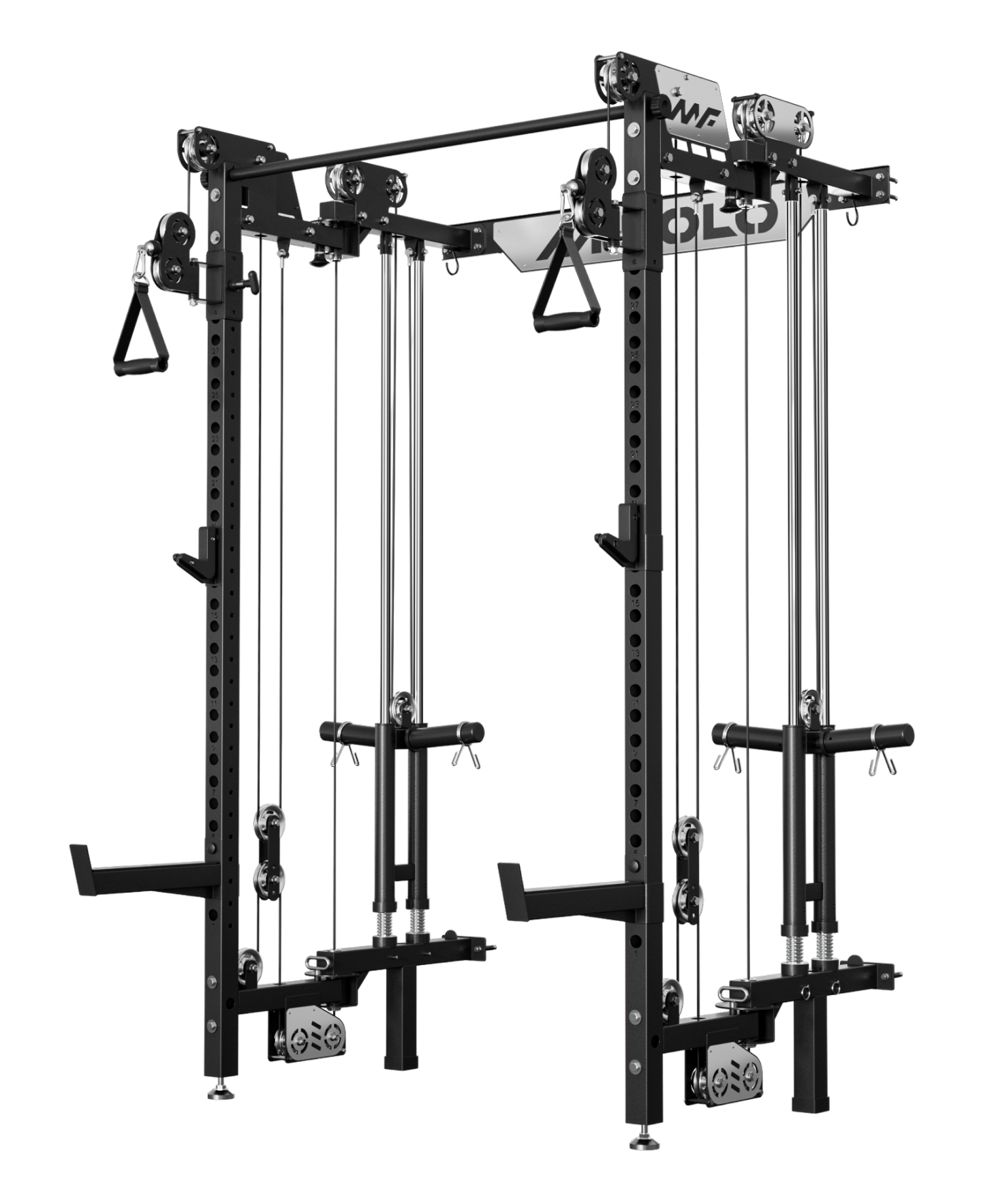
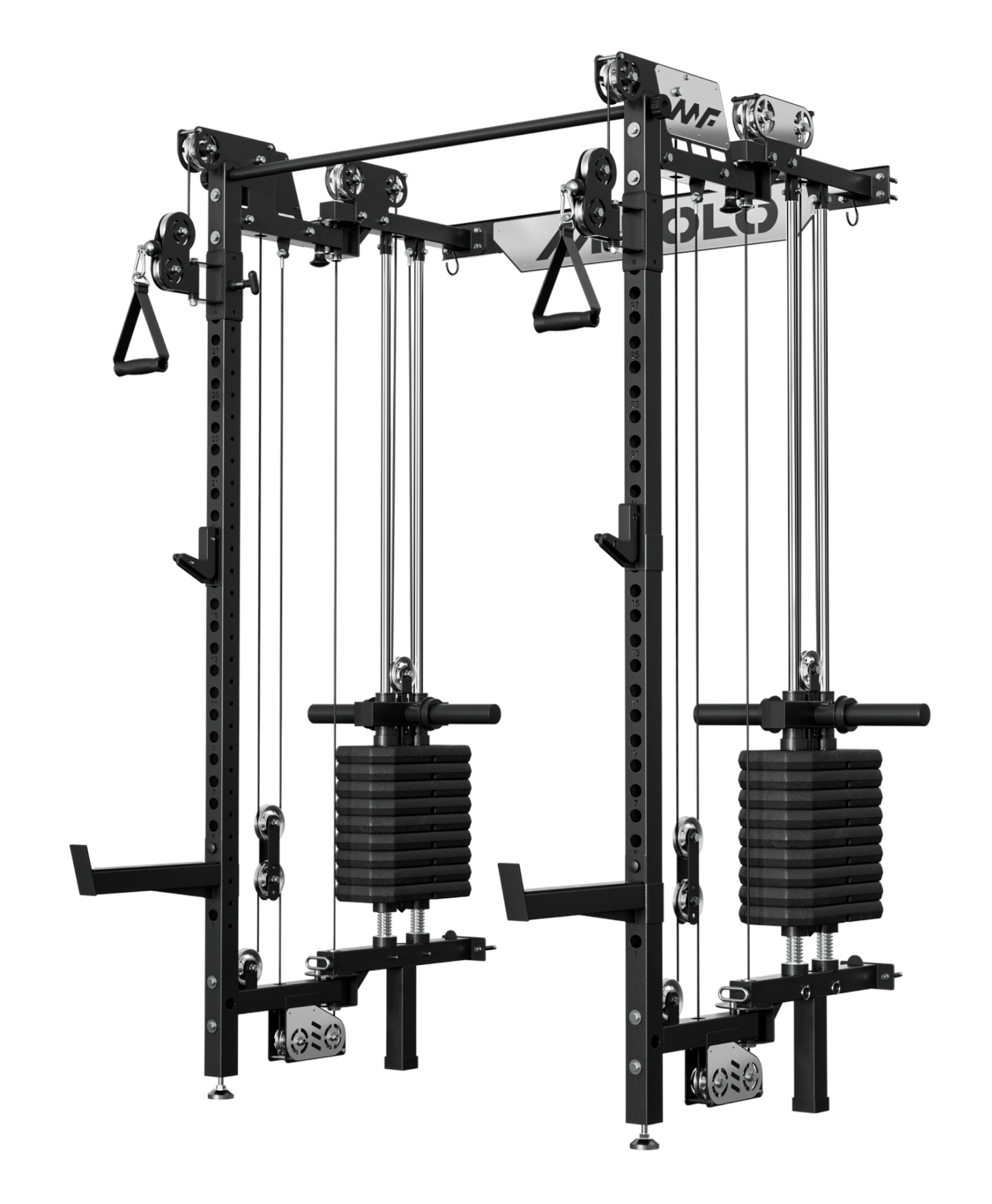

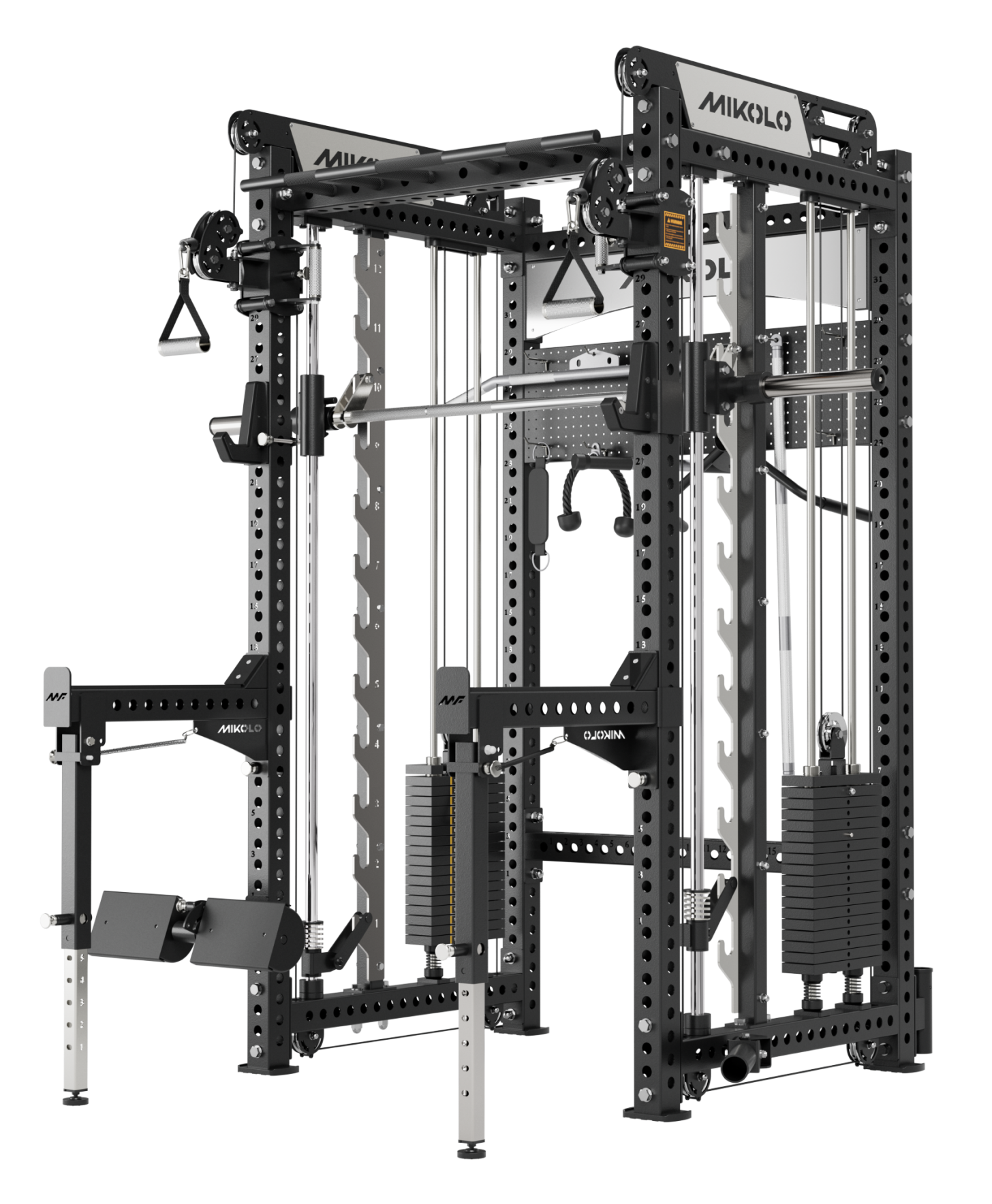


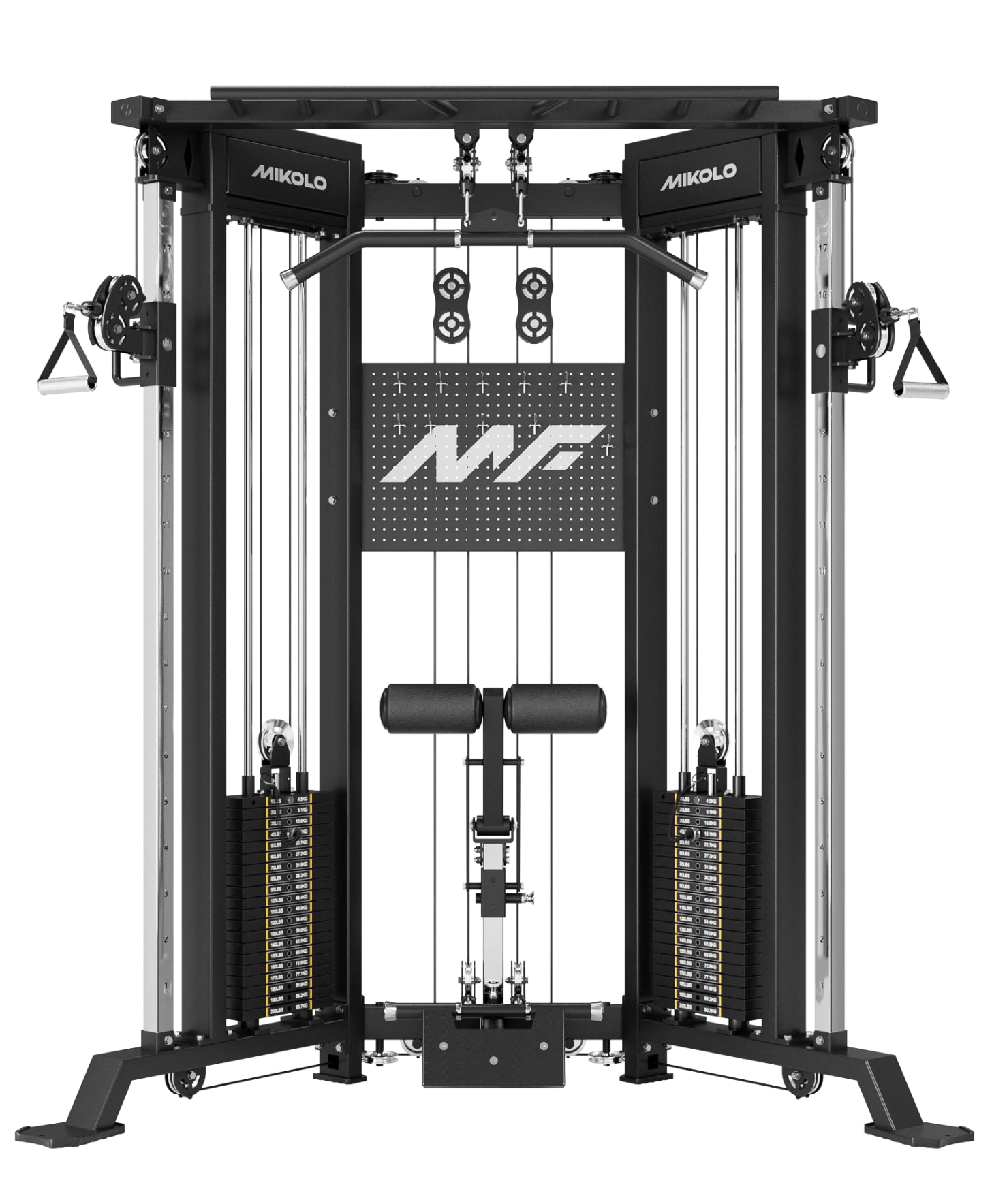
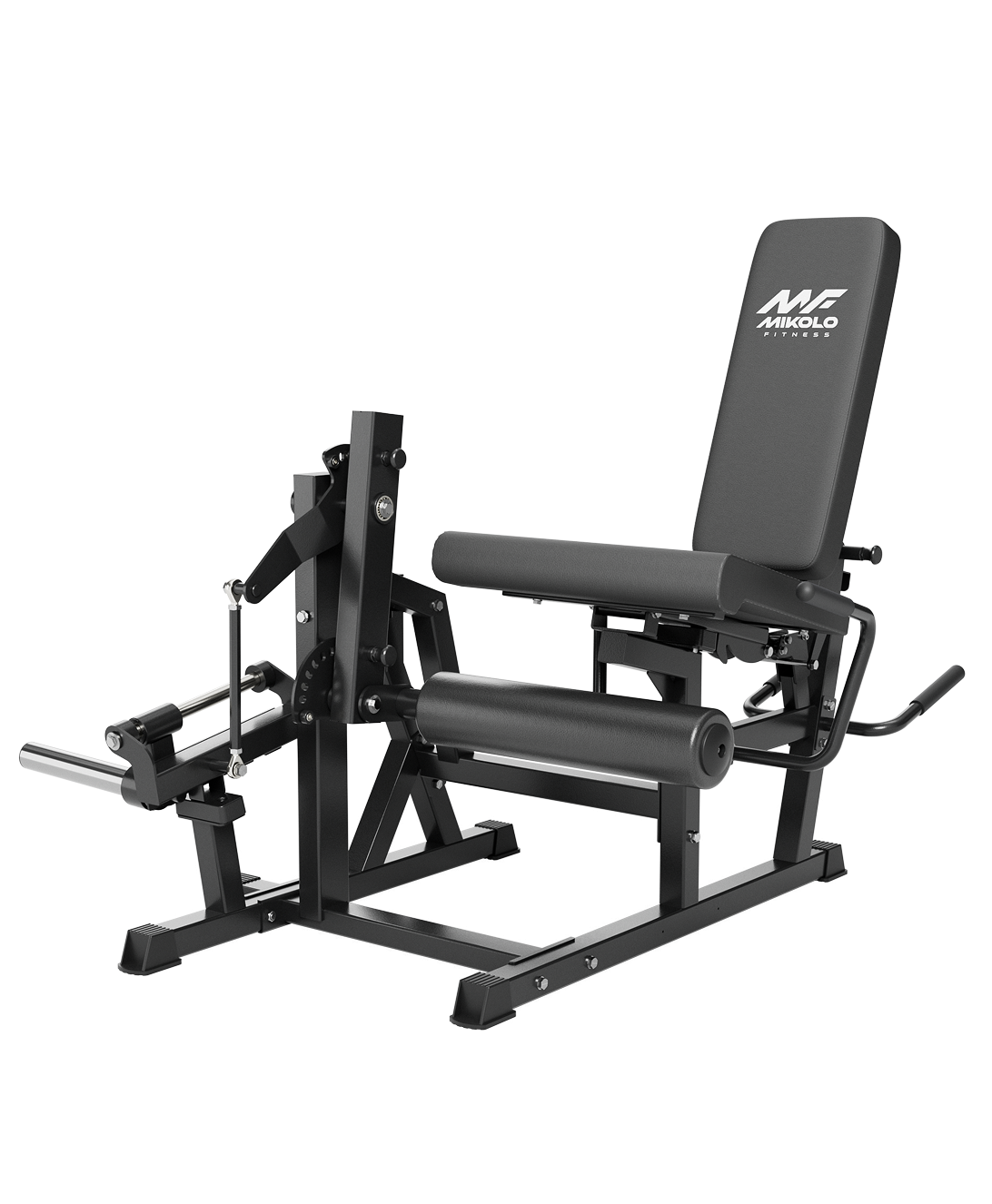
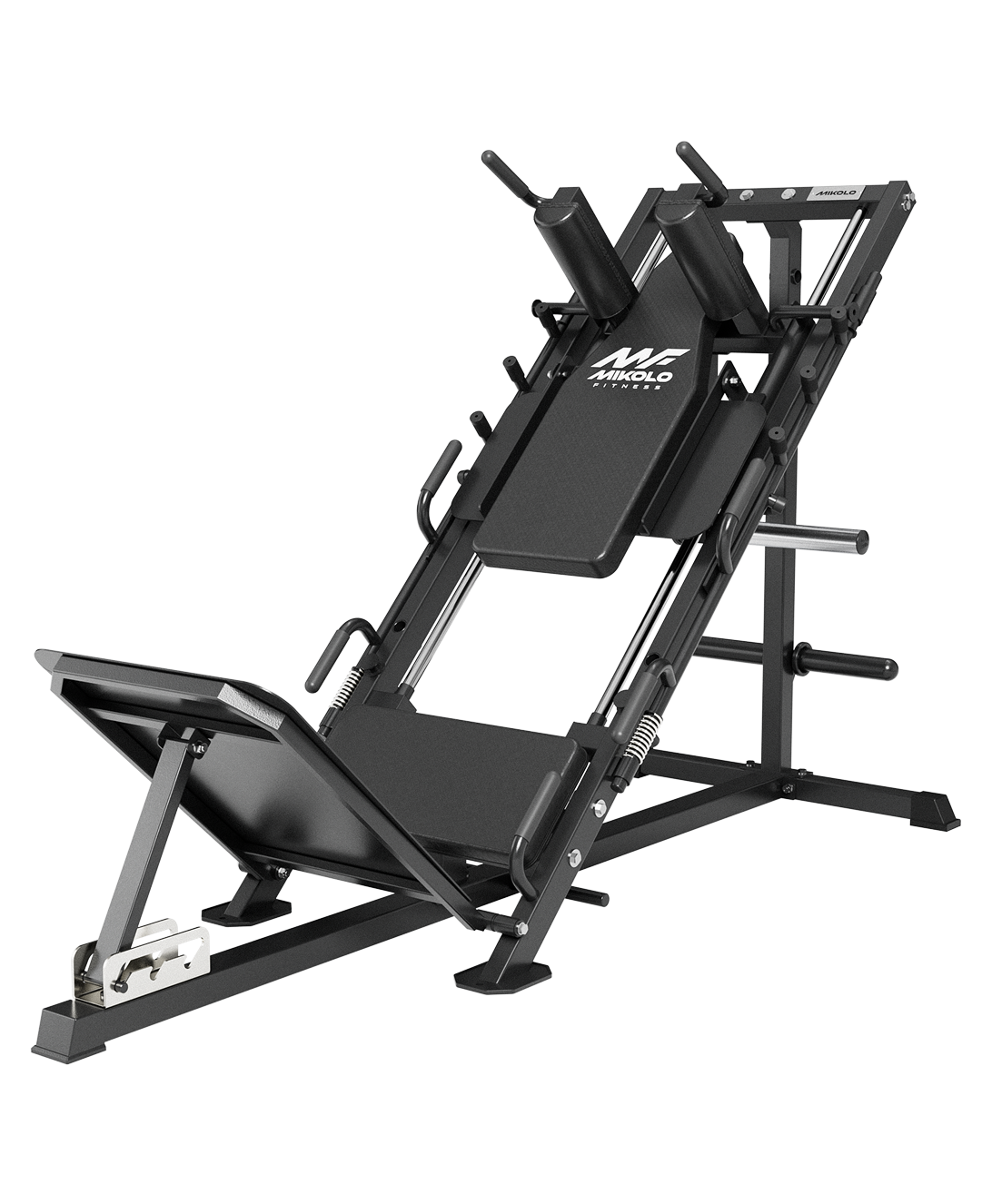
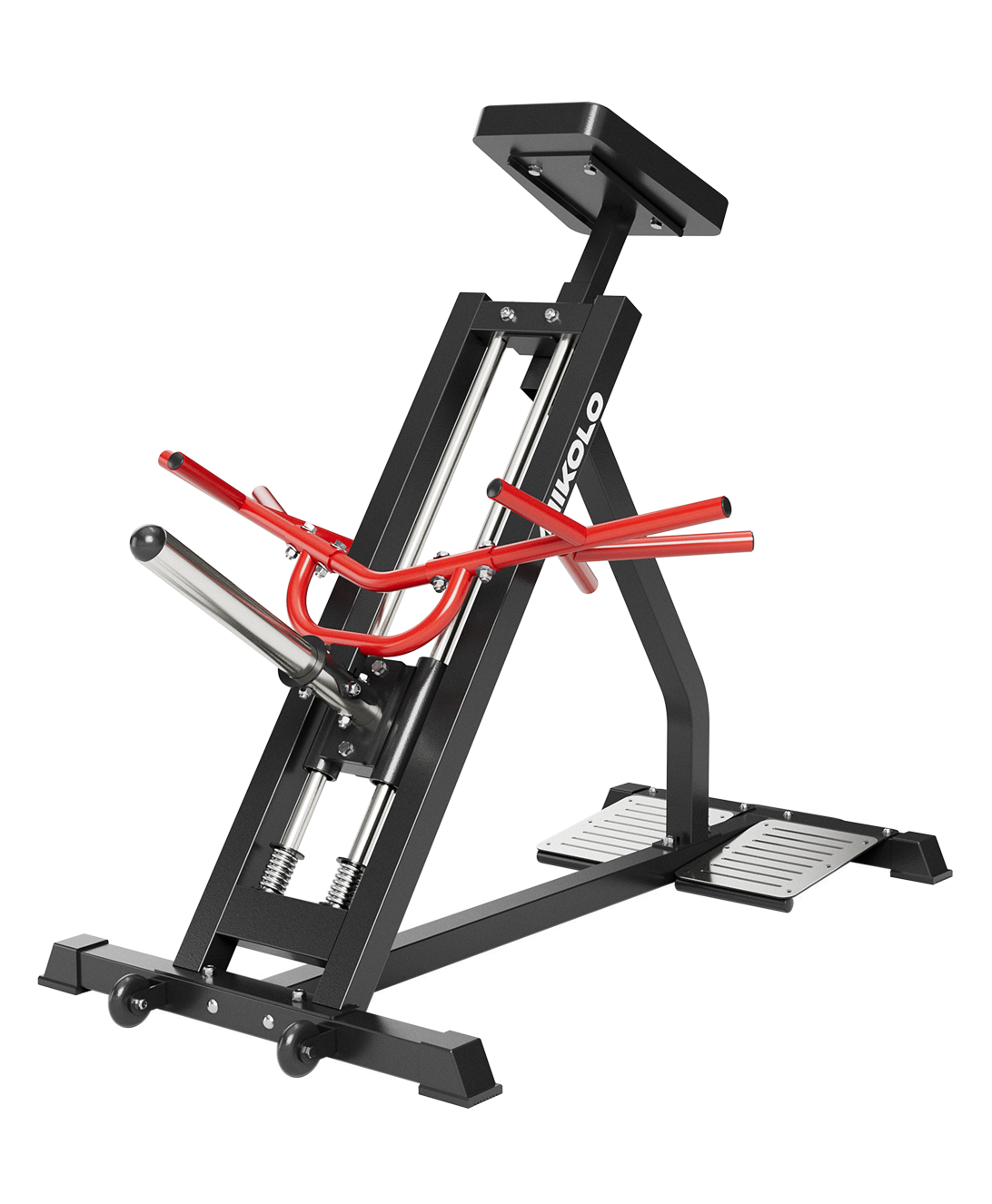











L3 Series Smith Machine

Filters
4 products
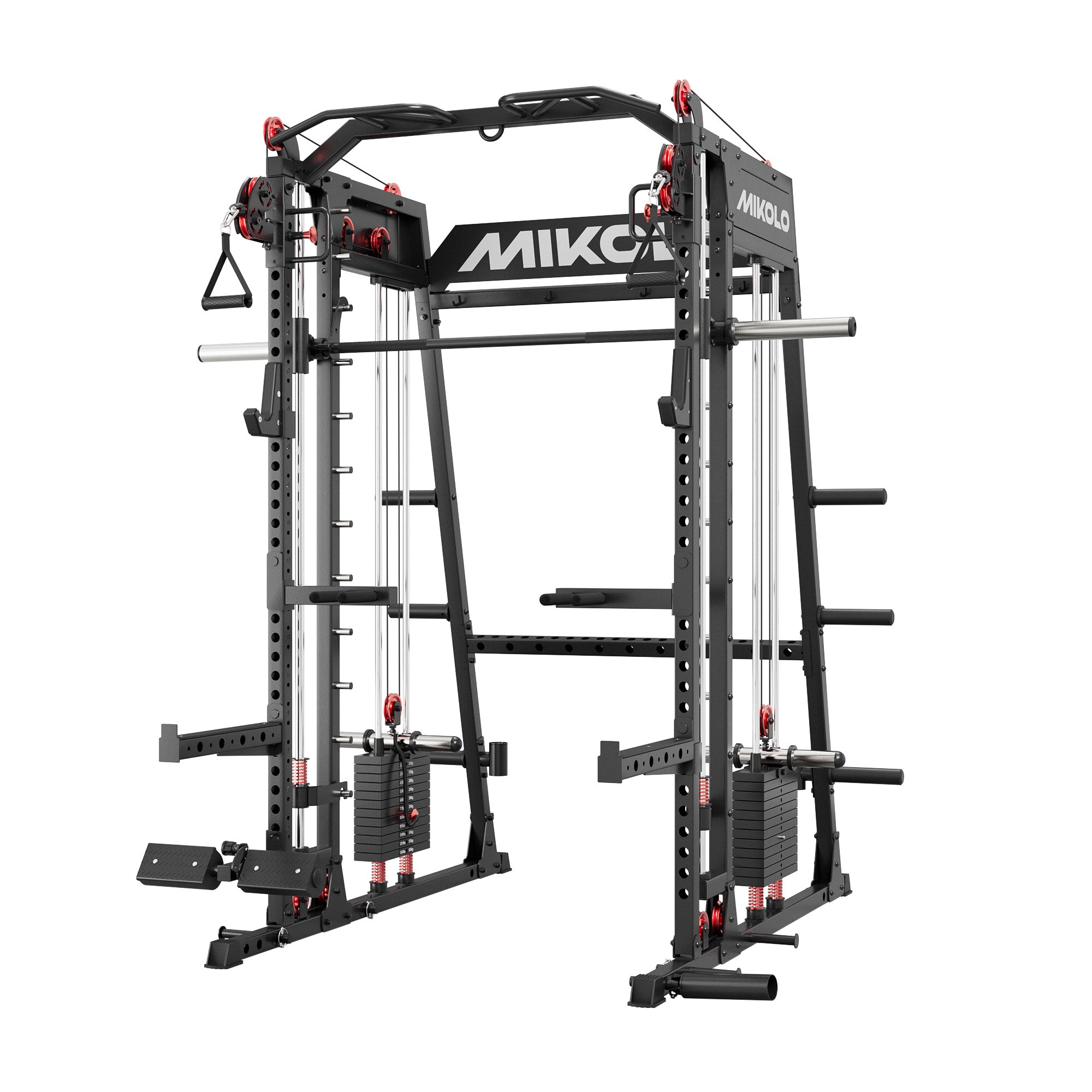
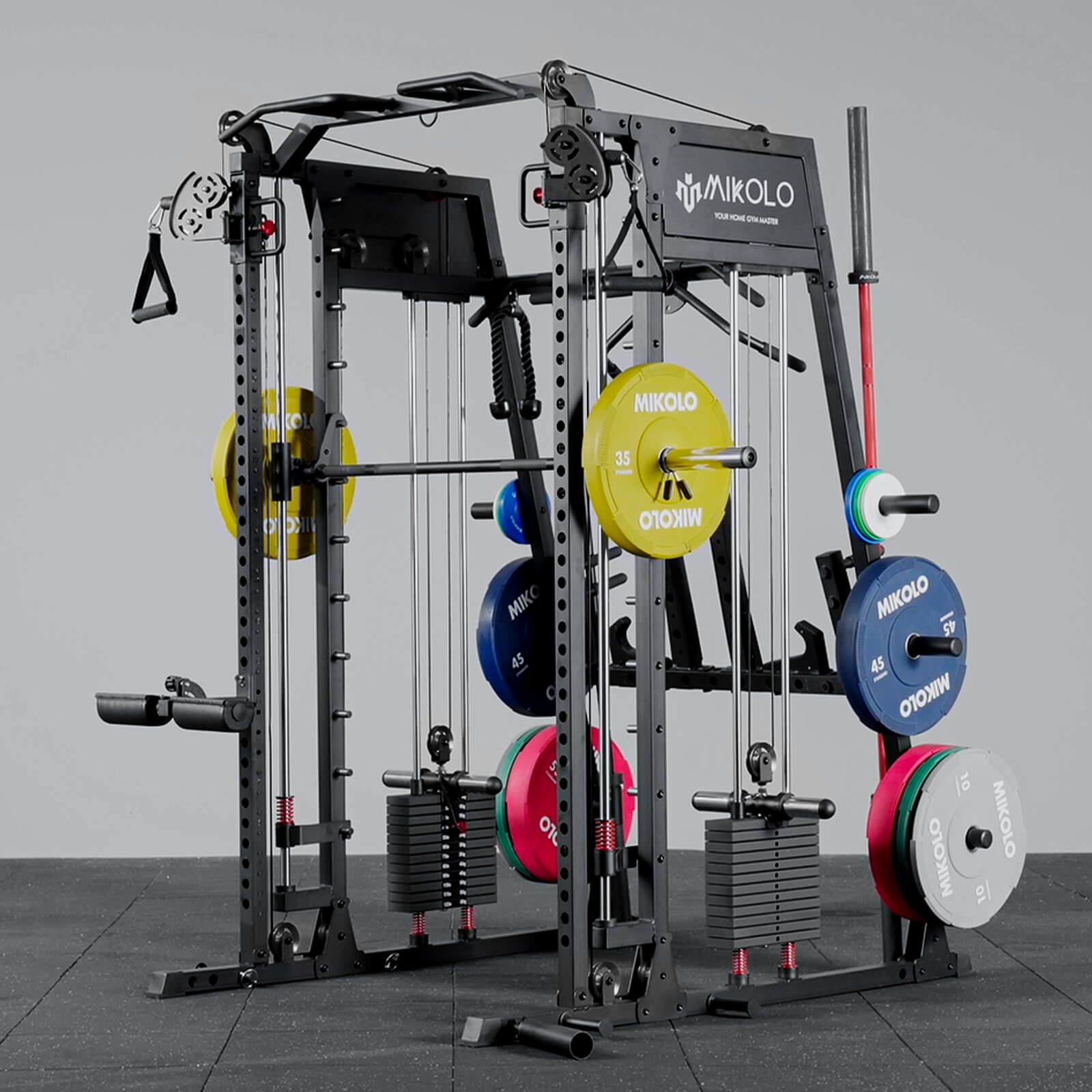
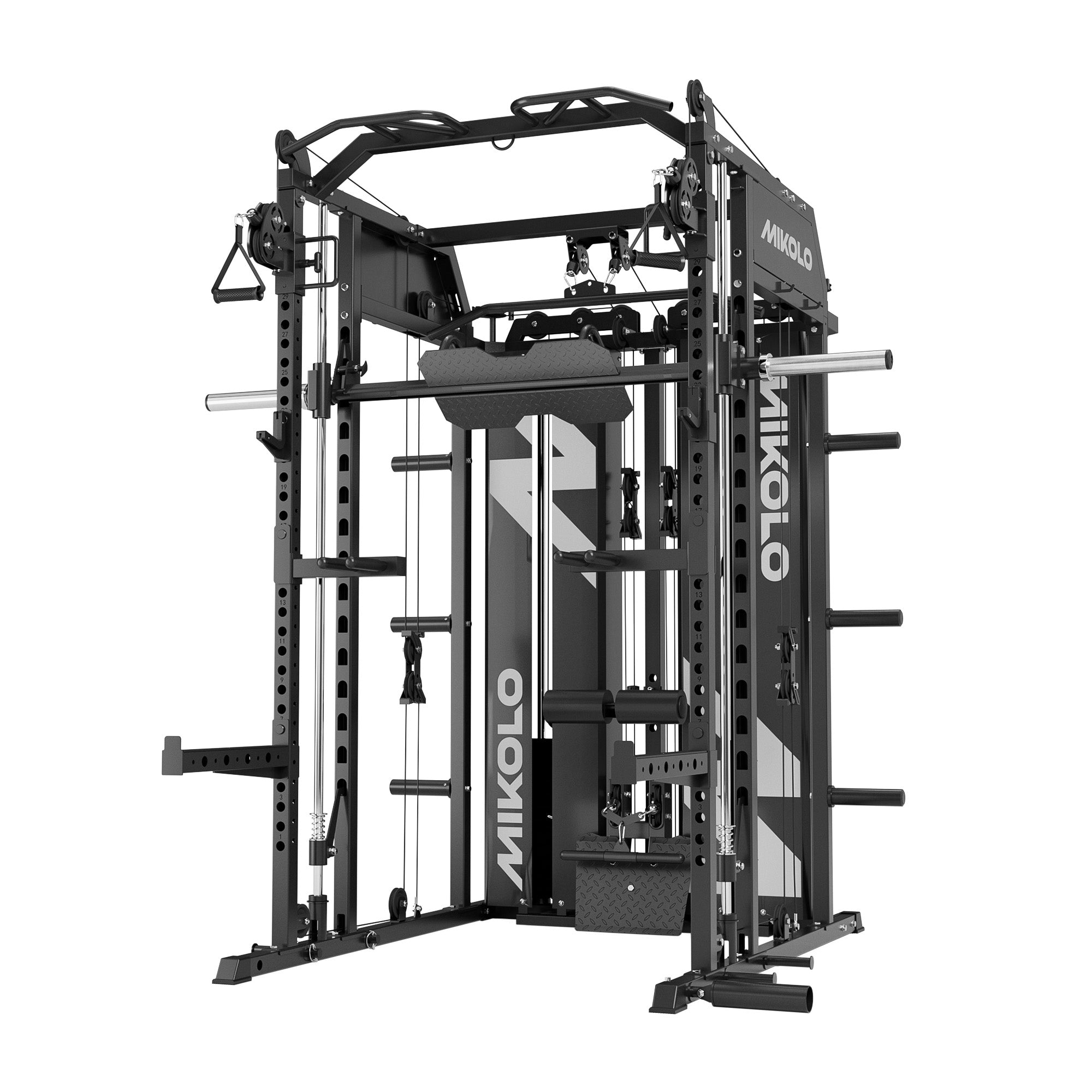
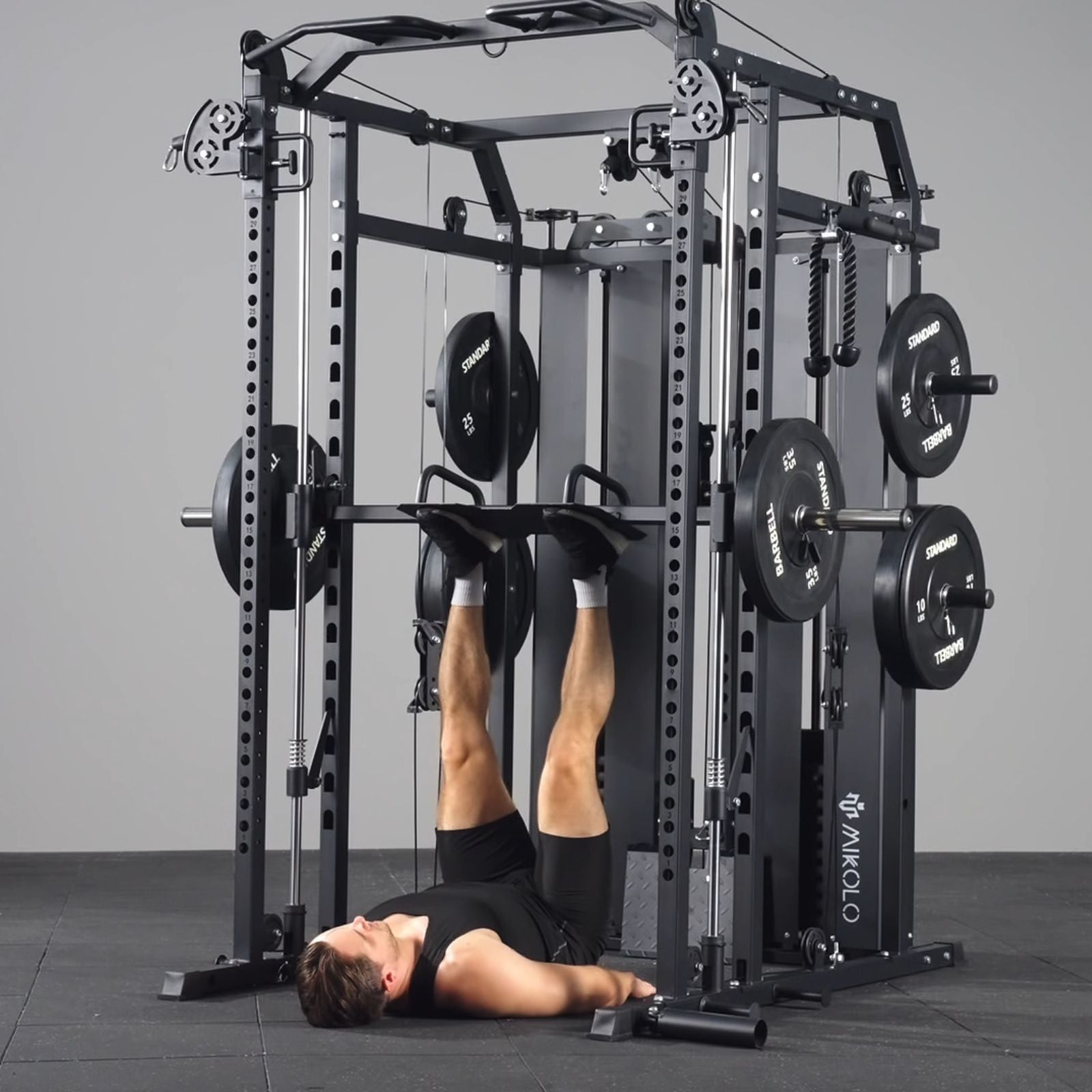
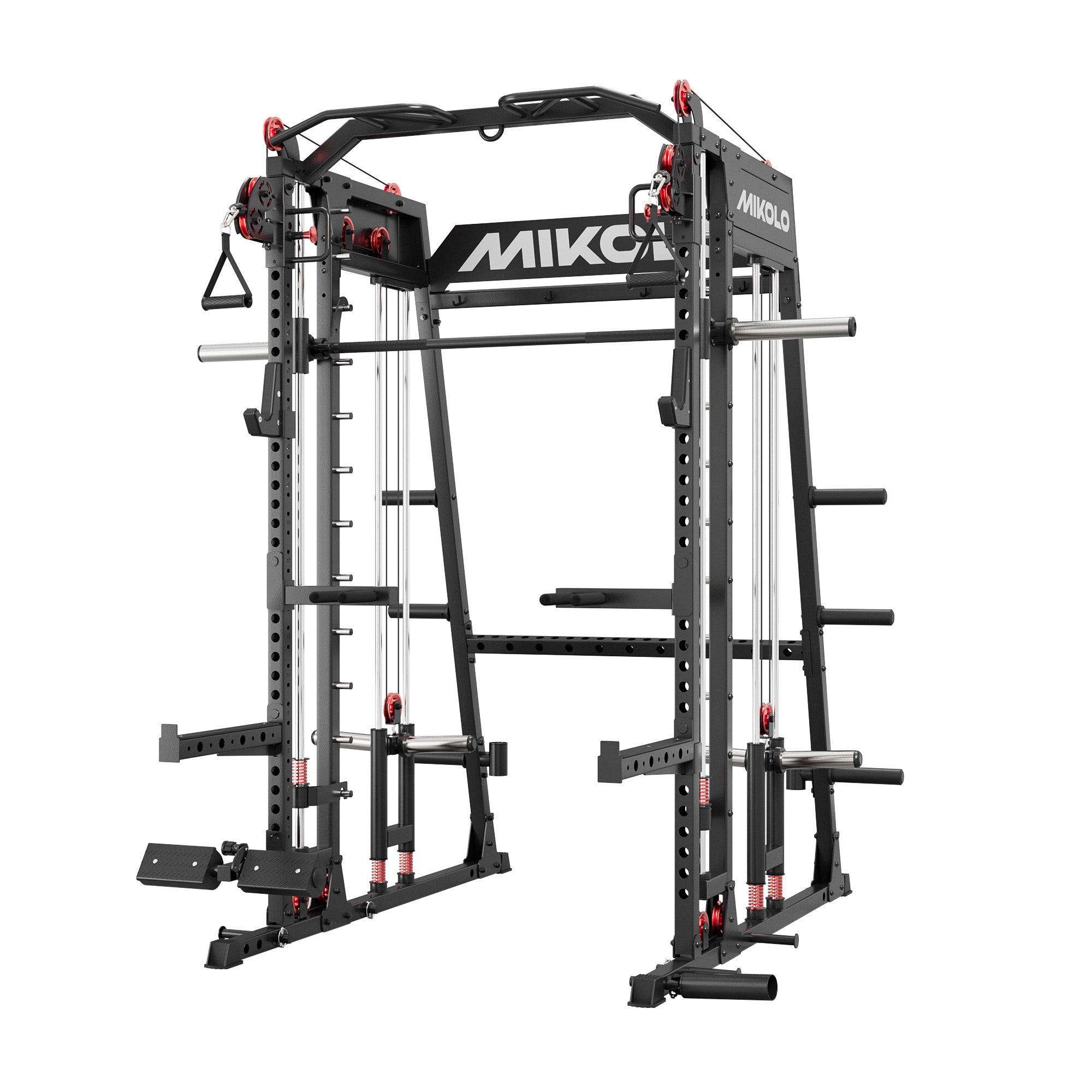
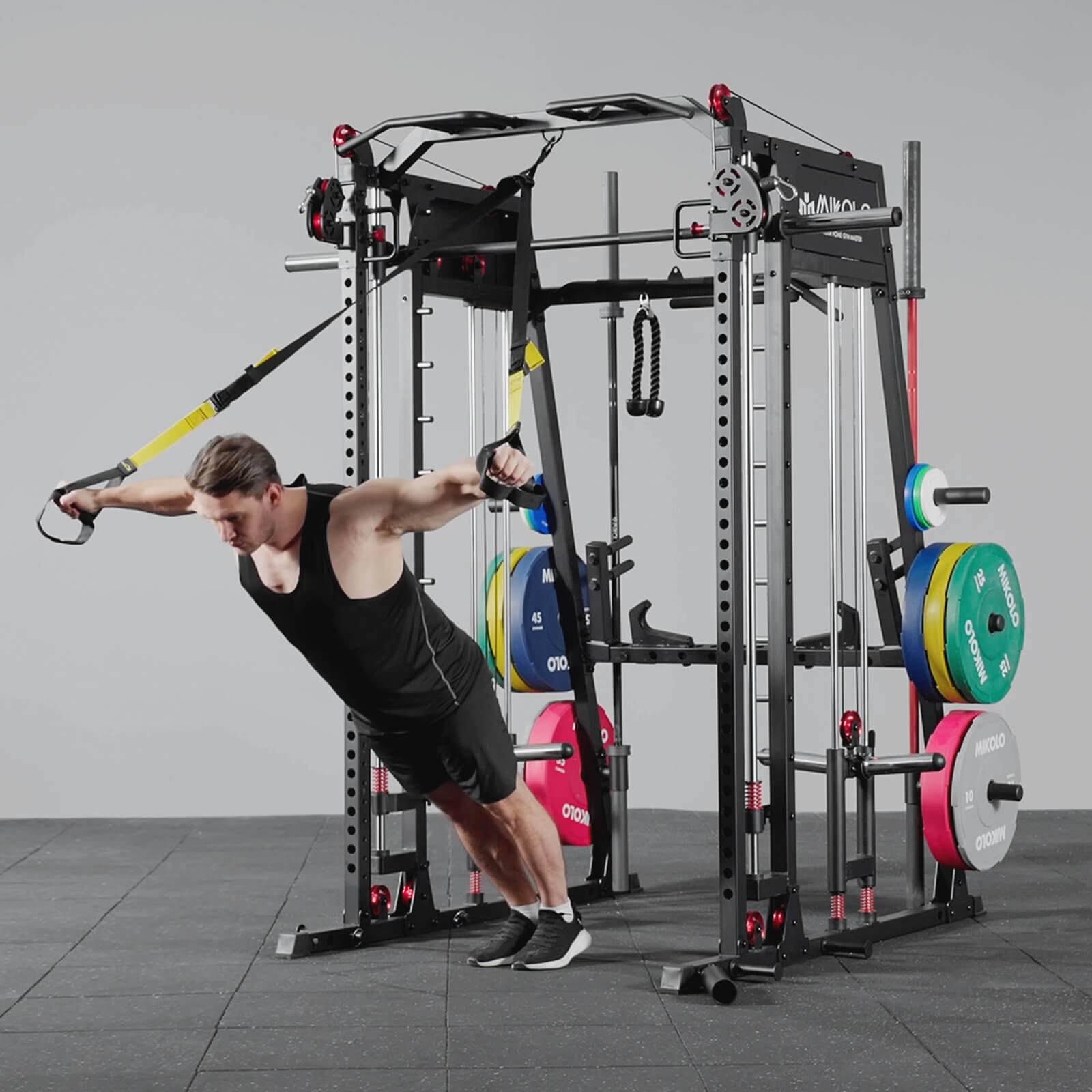
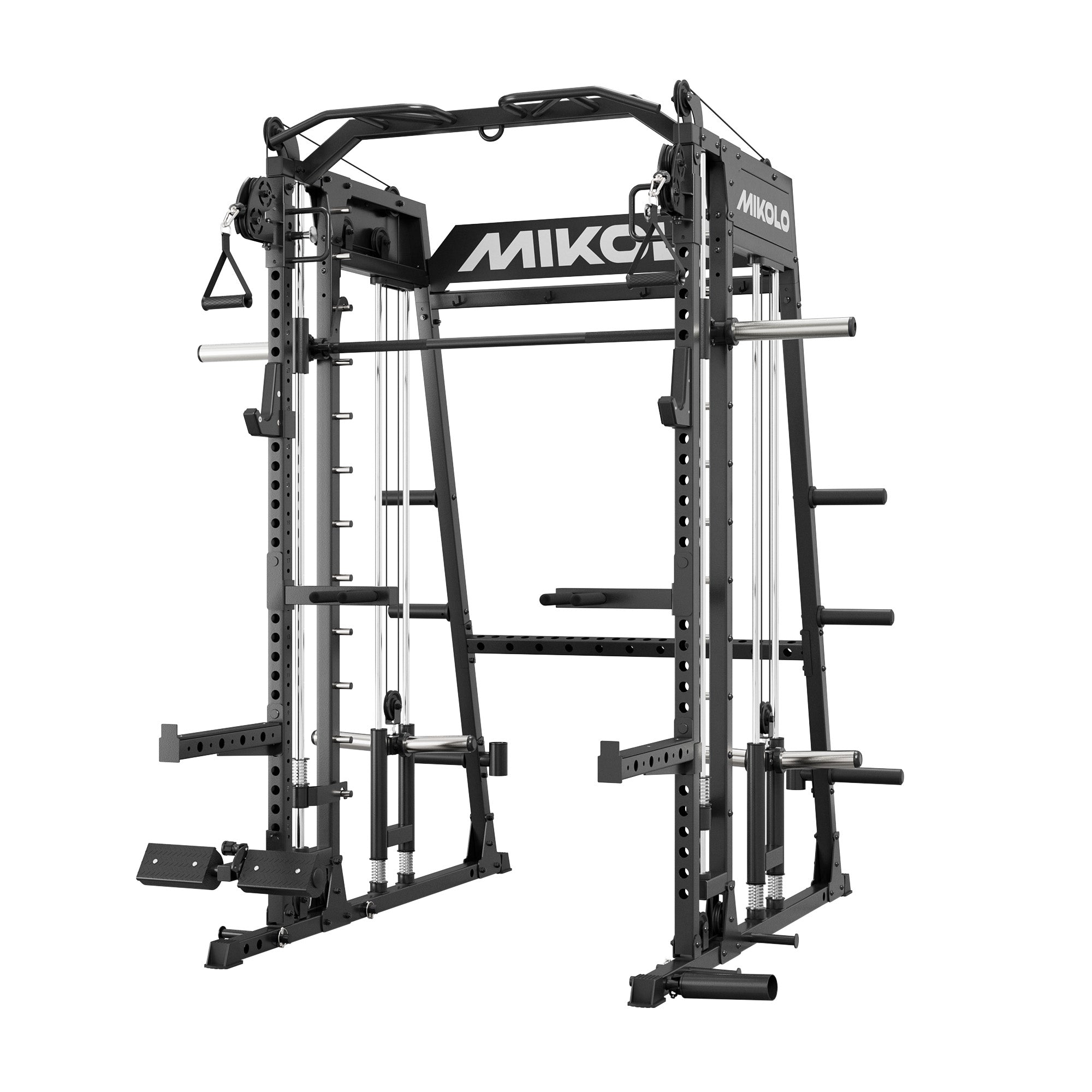
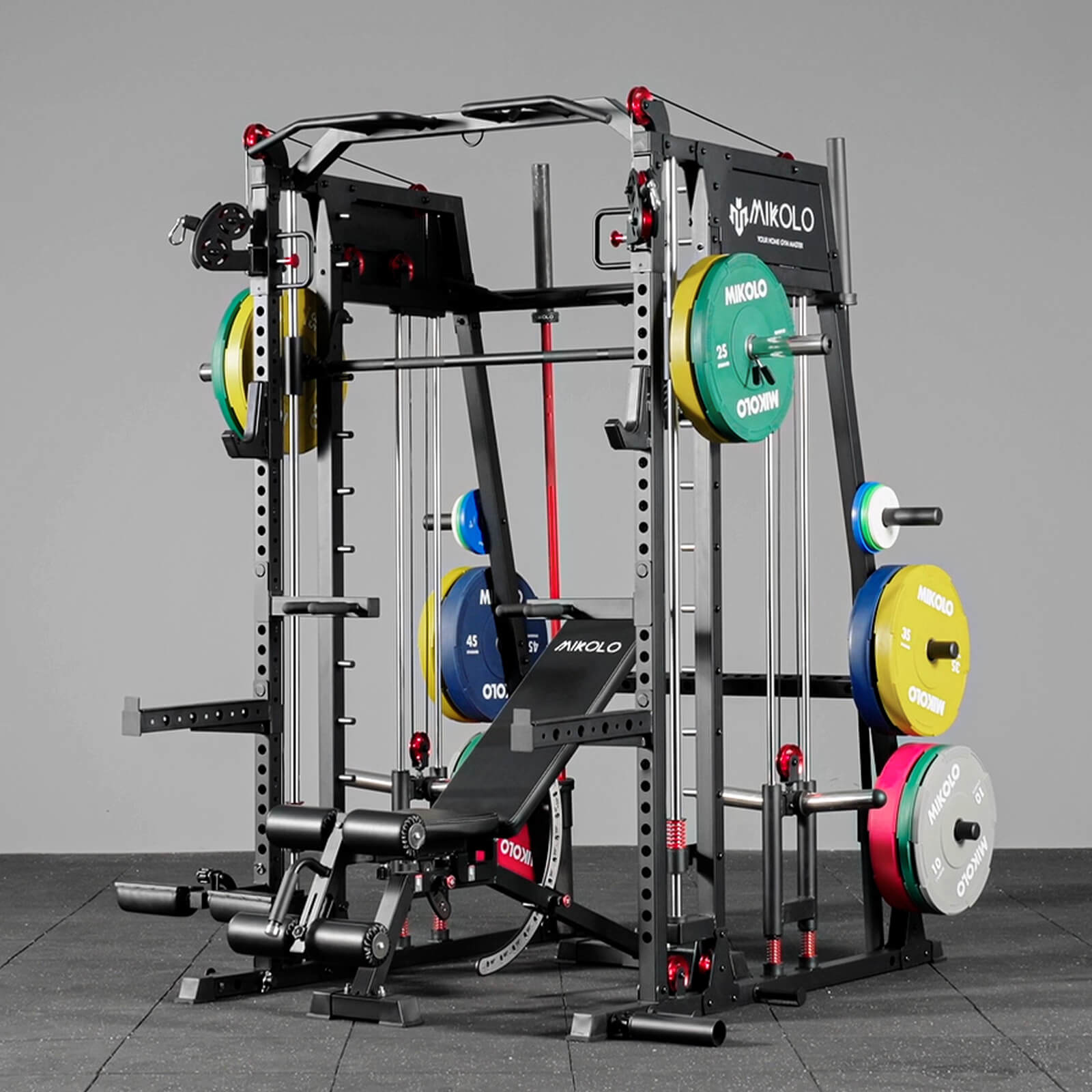
The Smith machine is a solid, versatile gym tool that can really shake up your strength training routine. This guided barbell system brings stability and control, making it easier to target major muscle groups—legs, glutes, chest, back, shoulders—without stressing about balance or safety. Whether you’re just getting started or already know your way around a weight room, learning how to use the Smith machine properly can help you build muscle and get stronger.
- Lets you focus on muscle groups—less worry about balance
- Safe to use even without a spotter
- Great for both beginners and experienced lifters
Is the Smith machine worth it? Honestly, yes—when you use it right, it’s more than just gym furniture. It lets you train hard, safely, and alone if you need to. Here’s what you need to know about the main advantages, best exercises, targeted muscles, and attachments you might want for full-body workouts.
Benefits of the Smith Machine
- Built-in safety features
- Consistent strength progression
- Works for all skill levels
- Helps you isolate muscles
Safety Features and Stability
- Fixed bar path—bar moves on rails, so it won’t tip
- Lock the bar at any point with hooks/catches
- Train heavy or to failure without a spotter—just twist your wrists to rack the bar
- Less risk of losing balance, especially when learning new lifts
Progressive Overload and Strength Gains
- Lets you add weight in small increments
- Fixed path means every rep is consistent
- Easy to track progress and measure strength increases
- Push close to failure safely for more muscle growth
Versatility for Different Fitness Levels
- Beginners: guided movement teaches proper form
- Start light—just the bar if needed—then add weight
- Advanced: use for isolation, burnout sets, drop sets
- Works well for solo training at home
Improved Muscle Isolation
- Removes need for stabilizer muscles—more tension on target muscles
- Great for focusing on chest, quads, or shoulders
- Easy to adjust foot/hand position or angle for variety
- Try different bench angles to hit upper chest or other areas
Best Smith Machine Exercises
- Supports compound lifts—squats, presses, rows
- Guided path keeps movements controlled
- Works legs, chest, shoulders, core
Smith Machine Squats
- Bar across upper back, feet shoulder-width, toes out
- Squat down—thighs parallel to floor
- Chest up, core tight, focus on form
- Adjust foot position to target different muscles
Foot positions:
- Standard: shoulder-width, toes out
- Wide: hits inner thighs
- Forward: more glute/hamstring focus
Bench Press Variations
- Set bar at chest height, grip just wider than shoulders
- Incline: bench at 30-45°, targets upper chest (link)
- Decline: bench angled down, works lower chest, can lift heavier
- Smith machine catches keep you safe if you hit failure
Smith Machine Lunges
- Bar on upper back, step forward, lower back knee to floor
- Front knee over ankle, push through heel to stand
- Reverse lunges: step back instead, easier on knees
- Walking lunges: alternate legs, move forward
- Bulgarian split squats: back foot on bench, single-leg focus
Shoulder Press Techniques
- Sit or stand, bar at upper chest, hands just wider than shoulders
- Press bar straight up until arms extend
- Behind-the-neck: bar starts behind head—advanced, skip if you’ve got shoulder issues
- Seated: more stability, lift heavier; standing: more core engagement
- Lock bar at different heights as needed
Muscles Targeted and Attachments for Full-Body Workouts
- Targets all major muscle groups
- Use attachments (benches, cables, specialty bars) for more variety
- Adjust position and add-ons for full-body training
Primary Muscle Groups Engaged
- Quads, hamstrings, glutes—squats, lunges (details)
- Chest—bench/incline presses
- Shoulders—overhead presses, front raises
- Back—rows, pulls (bar position matters)
- Core—engaged for stability in most exercises
Using Attachments for Expanded Exercise Options
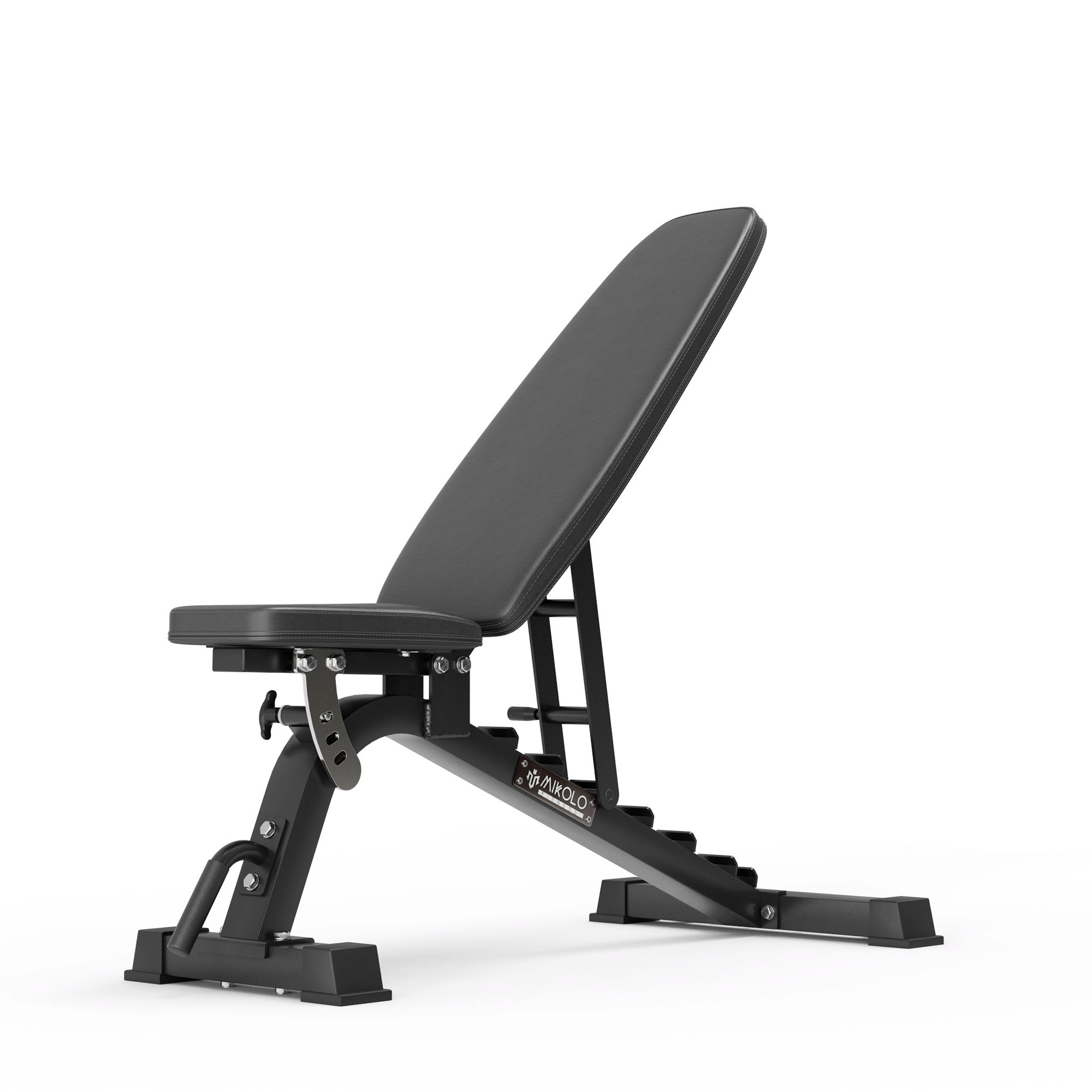
- Adjustable bench: incline, decline, flat pressing
- Cable attachments: tricep pushdowns, curls, rows (over 50 exercises with some machines)
- Seat attachment: seated presses, more lower body support
- Resistance bands: loop around bar for variable resistance
Targeting Upper and Lower Body Muscles
- Bench press: chest
- Shoulder press: deltoids
- Bent-over rows: back
- Upright rows: traps
- Triceps: bar as anchor for extensions
Lower body:
- Back squats: overall legs
- Front squats: quads
- Bulgarian split squats: single-leg strength
- Calf raises: lower legs
- Deadlifts: posterior chain
- Change stance or foot position to shift muscle emphasis
Creating Full-Body Workout Routines
- Combine upper and lower body lifts in one session
- Start with compound moves (squats, bench press)
- Add isolation for specific muscles
- Typical full-body routine: 6-8 exercises, 2-3x per week
- Or split: upper body one day, lower body next—more volume, better recovery
Frequently Asked Questions
The Smith Machine gives you a stable, controlled way to lift—great for newbies and seasoned gym folks alike. But, compared to free weights, you might miss out a bit on stabilizer muscle work and that natural movement feel.
What are the top benefits of incorporating Smith Machine workouts into your fitness routine?
- Fixed bar path for safety—no spotter needed
- Quick-rack hooks and safety catches keep you protected
- Great for learning proper form and building confidence
- Lets you isolate target muscles easily
- Focus on higher reps without worrying about balance
Which exercises are considered the most effective for a full-body workout on the Smith Machine?
- Squats—hit legs, glutes, and quads
- Bench press—builds chest, safer heavy lifts
- Shoulder press—targets deltoids, easier on stabilizers
- Bent-over row—strengthens back
- Lunges and calf raises—work lower body
What specific muscle groups are predominantly engaged while using the Smith Machine?
- Quadriceps & glutes—main movers in squats/lunges
- Hamstrings—secondary role in lower body moves
- Chest—bench variations
- Shoulders & triceps—support pressing moves
- Back—lats, rhomboids, traps during rows
- Core—some engagement, but less than with free weights
Can you list the essential attachments needed for a comprehensive full-body workout on the Smith Machine?
- Flat bench—for presses and lying moves
- Adjustable bench—for incline/decline options
- Cable attachments—add pulling exercises (if available)
- Pull-up bar—bodyweight training
- Functional trainer arms—for cable movements (on some models)
- Standard barbell & safety catches—usually included
What are the main differences between free weights and the Smith Machine in terms of workout efficiency?
- Free weights—activate more stabilizer and core muscles
- Smith Machine—moves only vertically, more controlled
- Smith Machine—lets you lift heavier safely
- Free weights—better for functional, real-life strength
- Learning curve—Smith Machine is simpler, free weights take more skill
Are there any significant drawbacks to using the Smith Machine for strength training?
- Fixed bar path—limits natural movement, especially during squats and presses
- Can put odd stress on joints and connective tissues
- Stabilizer muscles get less work than with free weights
- May leave smaller muscles underdeveloped if you rely on it too much
- Range of motion is restricted—you can't move the bar forward or back to fit your body
- Some folks find the fixed path awkward or uncomfortable for their biomechanics