











Got a home with ceilings around 7 feet or less? Yeah, setting up a gym there sounds tricky, but honestly, you don’t need cathedral ceilings to get a solid workout in.
You can build a complete home gym even in tight, low-ceilinged spaces—if you pick smart equipment and plan your layout carefully. The trick? Go for compact machines and tweak your workouts as needed. Most moves can be adapted for shorter rooms.
This guide covers the best gear for low ceilings and how to set up your space for safe, effective training. We'll look at which machines actually fit, how much ceiling height you really need, and ways to arrange your gym for the most options.
Find compact gym equipment that actually fits your space.
Explore Compact Gym Equipment
Choosing the Best Home Gym for Low Ceilings
Picking equipment for low ceilings means paying close attention to measurements, types of gear, and—let’s be honest—what’s actually safe to use. The right setup lets you train hard without worrying about scraping the ceiling or wasting money on stuff that won’t fit.
Key Considerations for Low Ceiling Spaces
- Measure your ceiling height before you do anything else. Standard gym gear is usually about 79 inches tall, so if your ceiling is 84 inches or less, you’ll need to double-check. Leave at least 6 inches above the tallest part of any equipment for safety.
- Add up your own height, your arm reach, and the height of any weights or handles you’ll be lifting. For instance, if you’re 6 feet tall with a 10-inch reach and using 12-inch handles, you’ll need at least 94 inches for overhead moves. If that’s not happening, it’s time to adapt.
- Check the footprint, not just height. Compact doesn’t always mean short. Look for gear that folds, adjusts, or has a small base. Some power racks for low ceilings are just 72–76 inches tall, way shorter than the usual 83-inch monsters.
- Door frame pull-up bars and wall-mounted stuff save vertical space. These mount to existing doorways or walls and don’t eat up floor area.
Top-Rated Compact Home Gym Equipment
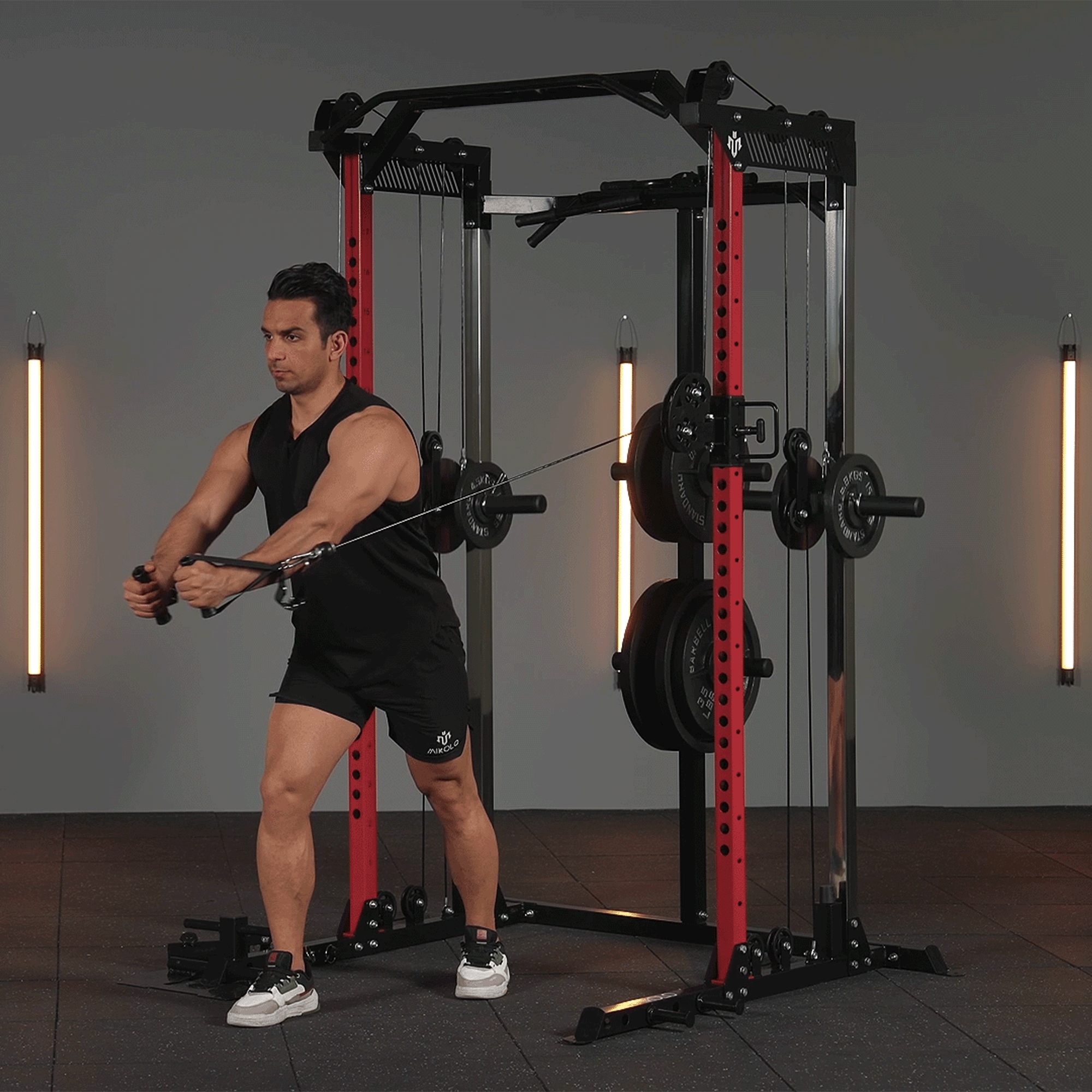
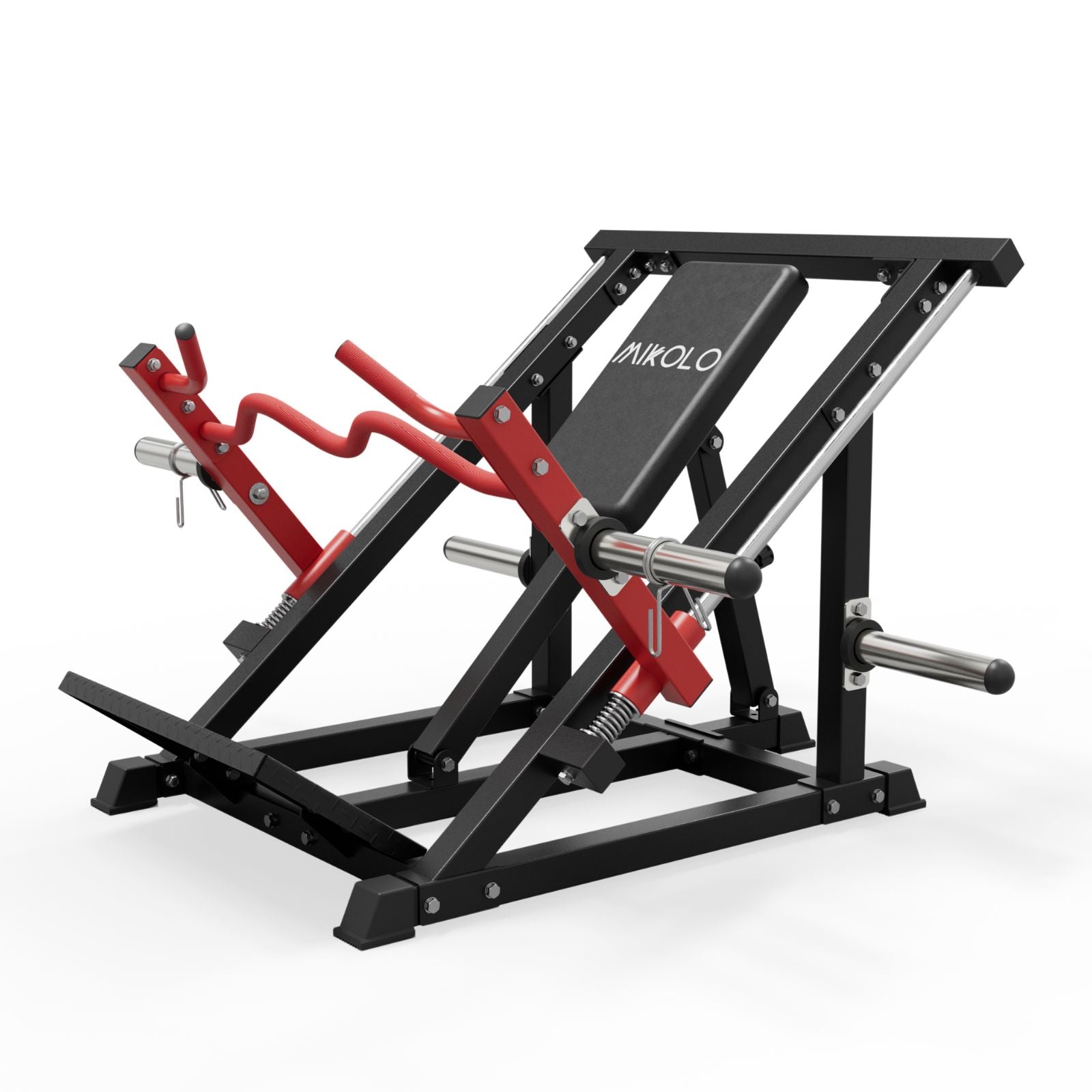
- Resistance-based systems are great for low ceilings. Cable machines with low pulleys, resistance bands with door anchors, and plate-loaded machines usually stay under 72 inches tall.
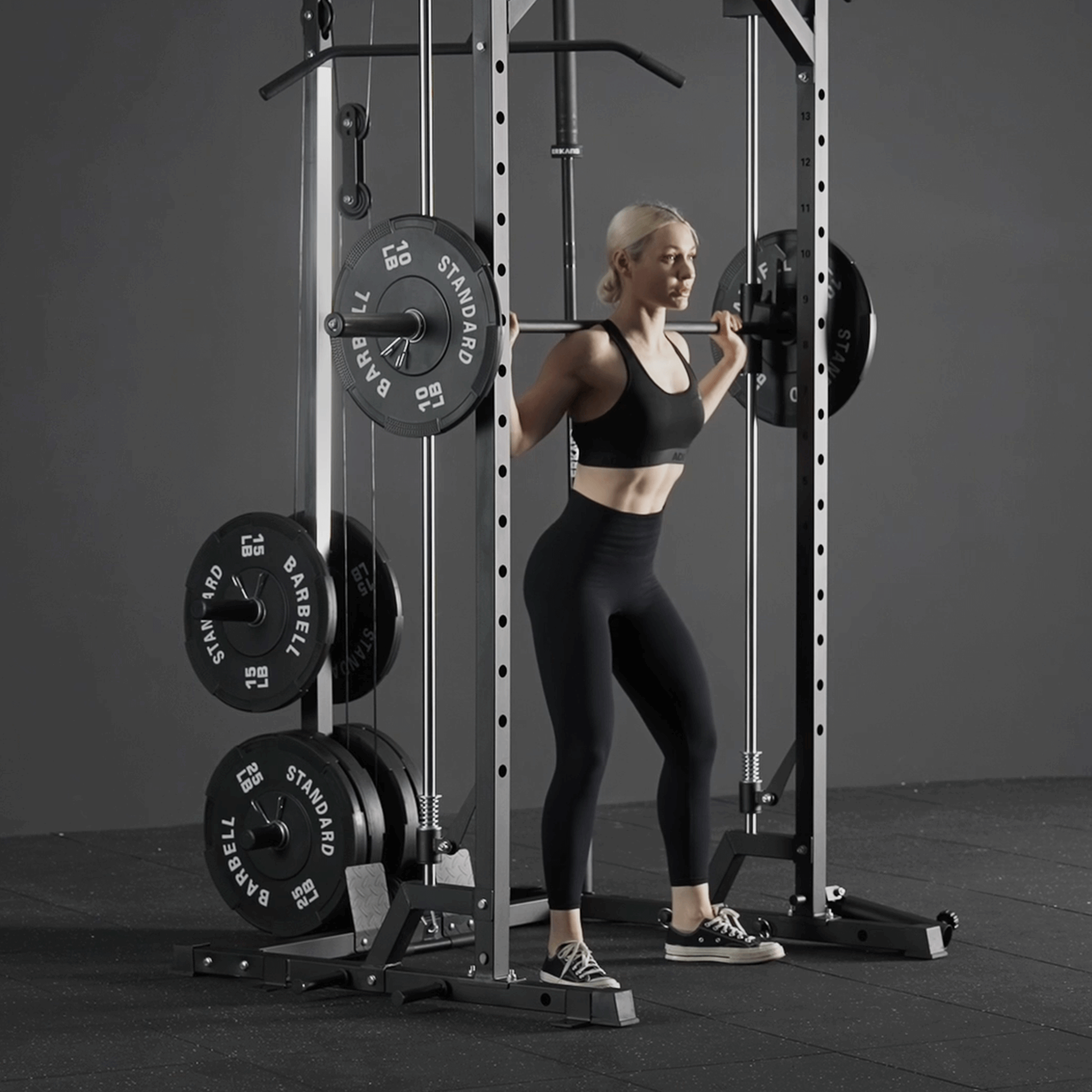
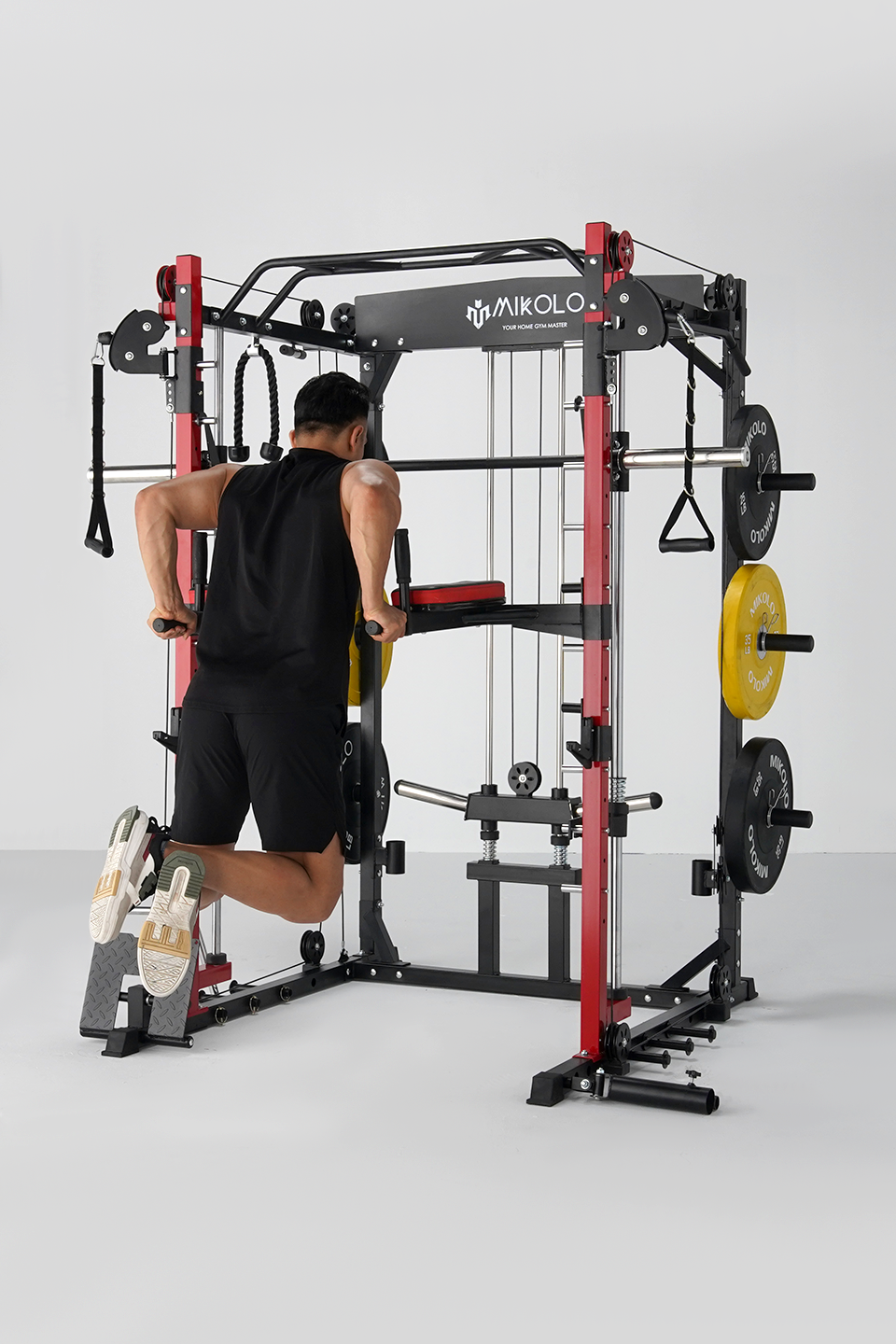
- Smith machines for low ceilings run about 72–76 inches. They’re good for squats, bench, and shoulder presses—without needing tons of headroom.
- Adjustable dumbbells and kettlebells offer the most flexibility. You can do tons of exercises sitting, kneeling, or lunging. A set from 5 to 50 pounds per dumbbell is enough for most people.
- Compact all-in-one gyms with seated stations keep you off your feet, so you don’t need overhead space. These are usually 70–76 inches tall and let you do 10–15 different exercises with one setup.
Safety and Installation Tips
- Double-check equipment measurements before buying. Measure twice, and watch out for ceiling lights, fans, or ductwork that might get in your way. Add 4–6 inches to any listed equipment height to be safe.
- Secure everything properly. Wall-mounted racks need to be anchored to studs that can handle the weight. Floor gear should go on rubber mats to protect your floor and keep things quiet.
- Modify exercises that need full overhead extension. Swap standing presses for seated ones. If you can’t safely install a pull-up bar, use bands at chest height instead.
- Always use a spotter or safety catches for lifts near the ceiling. Even short racks can be risky if a barbell hits the ceiling mid-rep.
Maximizing Space and Comfort
- Multi-purpose gear cuts clutter. One adjustable bench and a set of dumbbells can easily replace a few big machines. Look for benches that fold flat and can stand up against a wall when you’re done.
- Wall-mounted folding racks drop down for use and fold away when you’re finished. These save 3–4 feet of floor space compared to regular squat racks.
- Make zones for different workouts. Put cardio stuff like rowers or small ellipticals in one spot, and keep your strength gear in another. It keeps things organized and safer.
- Mirrors on the wall help you check your form without needing extra space to move around. Good lighting is a must—no one wants to bang their head on a low beam they couldn’t see.
Optimizing Your Low Ceiling Home Gym Setup
Low ceilings mean you have to plan smart—think equipment placement, creative storage, and making the most of your environment. It’s totally possible to have a functional training space if you’re willing to get a bit creative.
Customizing Workouts for Restricted Height
- Adjust exercises to fit your ceiling. Swap overhead presses for seated versions, or kneel with dumbbells to keep the same movement without needing extra headroom.
- For pull-ups or chin-ups, try a doorway bar in a room with higher ceilings, or use resistance bands for pull-downs. Inverted rows with a suspension trainer are another solid alternative.
- Jump moves are tough in spaces under 8 feet. Instead of box jumps, do step-ups or lateral bounds. Burpees? Try sprawls or mountain climbers to keep your cardio up without jumping.
Low-Ceiling Exercise Alternatives:
- Standing overhead press → Seated dumbbell press
- Box jumps → Step-ups or Bulgarian split squats
- Pull-ups → Resistance band pull-downs or inverted rows
- Medicine ball slams → Wall balls or Russian twists
Storage Solutions and Organization
- Wall-mounted storage keeps the floor clear and makes the room feel bigger. Pegboards or slatwall panels are great for hanging bands, jump ropes, and smaller gear. Mount dumbbell racks to wall studs at waist height for easy access.
- Go vertical with storage towers for weight plates—they take up less space than horizontal trees. Store barbells on low-profile wall racks about a foot off the ground.
- Keep foam rollers, mats, and accessories in slim rolling carts that tuck under benches or into corners. Label containers so you can grab what you need without digging around mid-workout.
Lighting and Ventilation Strategies
- Keep your low-ceiling gym feeling open by using LED panel lights that sit flush with the ceiling. These save headroom and help avoid any accidental bumps during workouts. It’s usually smarter to put lights around the room’s edges instead of right overhead.
- For airflow, a standing fan is quick to set up, or you can try a ceiling fan—just make sure it’s out of the way. Good air movement stops the space from getting stuffy or damp, which nobody wants mid-squat. Got windows? Crack them open when you can for a breeze.
- Stick with light paint colors like white or pale gray. It’s surprising how much bigger and brighter the room feels. Dark walls? They just make everything seem a bit too boxed in.
Build a Smart Home Gym—Even with Low Ceilings
Compact, safe, and powerful equipment designed for limited space.
Shop Space-Saving Equipment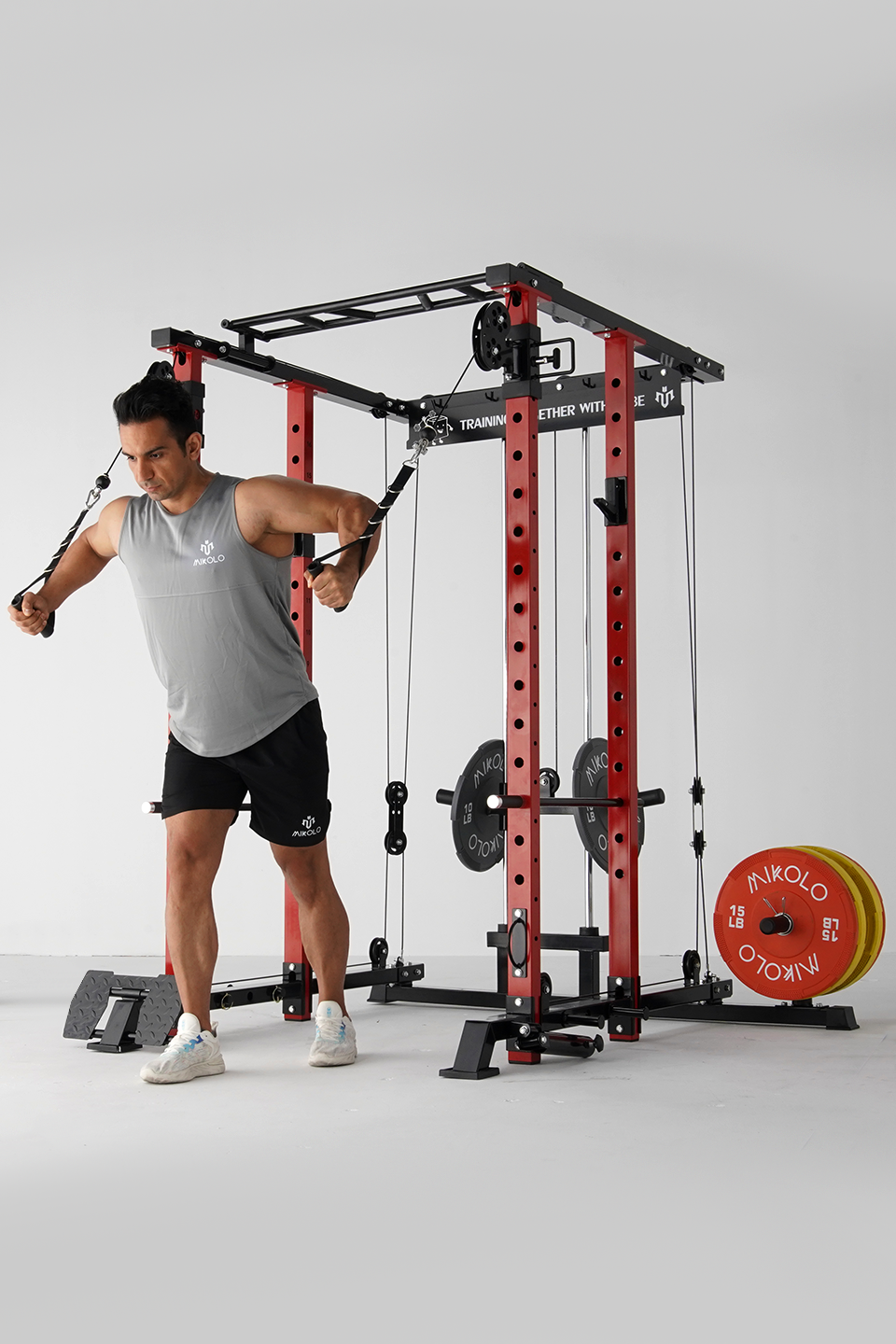


Leave a comment
This site is protected by hCaptcha and the hCaptcha Privacy Policy and Terms of Service apply.