












Warming up before a bench press session is more than just a good habit—it’s essential for preventing injury, maximizing strength, and mentally locking in for the lift ahead. Yet, many lifters either skip warm-up sets entirely or do them incorrectly, jumping straight to their working weight. Here’s how to properly structure your bench press warm-up sets to build strength safely and effectively.
Why Warm-Up Sets Matter
Before pressing heavy iron, your muscles, joints, and nervous system need preparation. Bench press warm-up sets gradually elevate body temperature, improve blood flow to the chest, shoulders, and triceps, and help reinforce proper movement patterns. More importantly, they give your central nervous system (CNS) time to fire up, allowing you to lift more efficiently and with better control.
How to Structure Warm-Up Sets for Bench Press
A proper warm-up for bench press includes two parts:
-
General Warm-Up (5–10 minutes):
Start with light cardio or full-body movement—jump rope, brisk treadmill walking, or dynamic arm swings. This gets your heart rate up and preps your joints. -
Specific Warm-Up Sets:
Here’s a practical structure based on your working weight.
Let’s say your working set is 225 lbs (for 3–5 reps). Your warm-up might look like this:
-
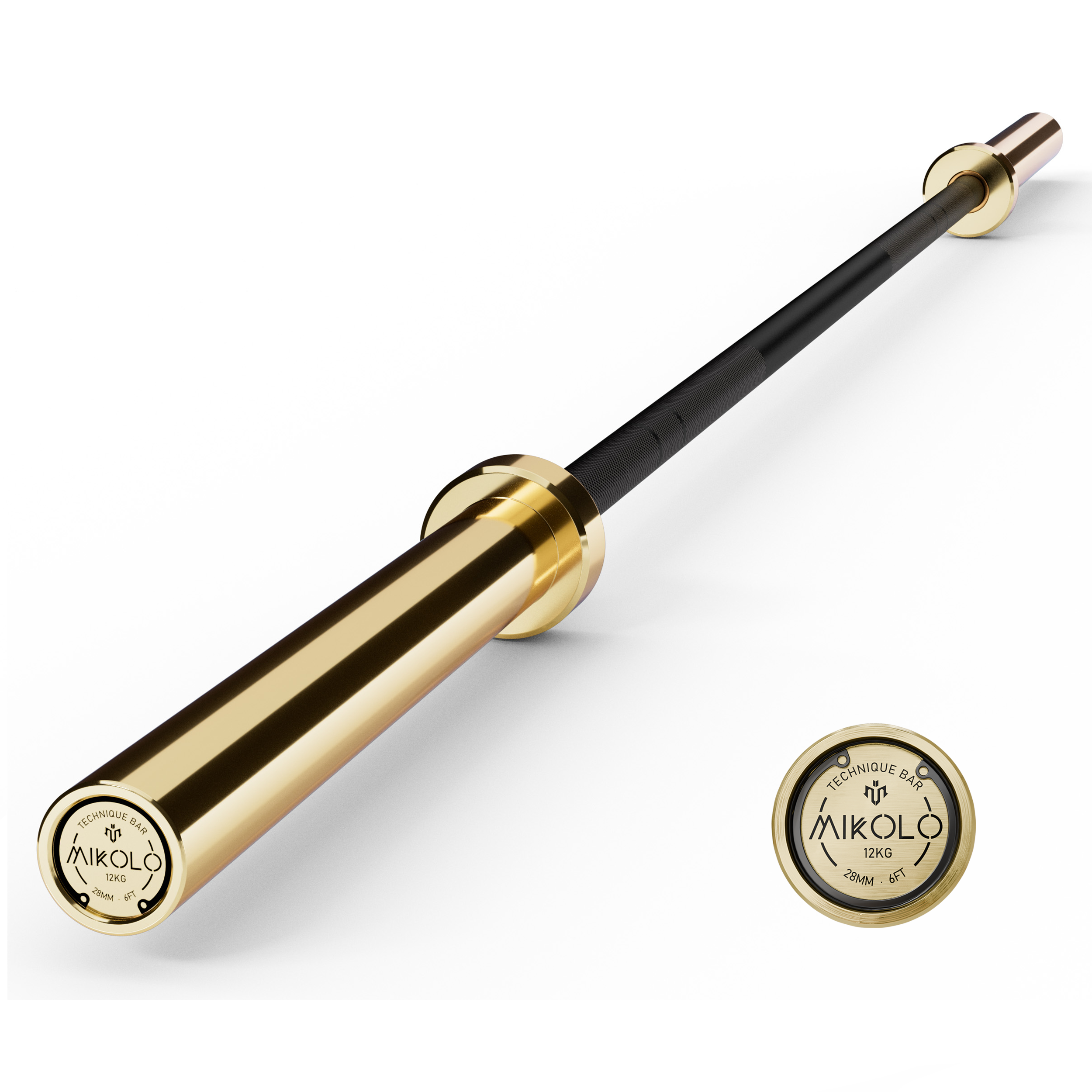
Bar only (45 lbs) – 2 sets of 10–15 reps
-
95 lbs – 8 reps
-
135 lbs – 5–6 reps
-
185 lbs – 3 reps
-
205 lbs – 1–2 reps
-
Then: move into your working sets at 225 lbs
Keep rest short between warm-ups (30–60 seconds), and avoid fatigue—each warm-up set should feel light and smooth, not draining.
If your working weight is lighter (e.g., 95–135 lbs), you may only need 2–3 ramp-up sets, such as:
-
Bar only – 1–2 sets
-
65–75% of your working weight – 6–8 reps
-
85–90% of your working weight – 2–3 reps
-
Then: proceed to your top set
Mistakes to Avoid
-
Too Many Reps: High-rep warm-up sets can cause unnecessary fatigue. Once past the empty bar, keep reps moderate.
-
Jumping Up Too Quickly: Going from bar to working weight skips critical loading stages. Your CNS and joints need progressive loading.
-
Neglecting the Movement Pattern: Warm-up sets aren’t just to "get warm"—they help reinforce your bench press form. Treat each rep like it matters.
Personal Take: What Changed My Bench Game
Early in my training years, I used to hop straight from the bar to 185 lbs because it “felt light.” I thought warm-ups were just wasting time. But after a minor pec strain that sidelined me for weeks, I changed my approach.
Now, I treat warm-up sets as a ritual. I focus on tempo, shoulder stability, and bar path from the very first rep with the empty bar. Since making this shift, not only have I stayed injury-free, but I’ve also added over 40 pounds to my max bench in the past year—all while feeling more in control under the bar.
Final Thoughts
Warm-up sets for bench press aren't optional if you’re serious about making progress safely. Done right, they prepare your body and sharpen your form, setting the stage for stronger, more confident lifts. Take a few extra minutes and build them into your routine—you’ll feel the difference where it counts: under the bar.


Leave a comment
This site is protected by hCaptcha and the hCaptcha Privacy Policy and Terms of Service apply.