

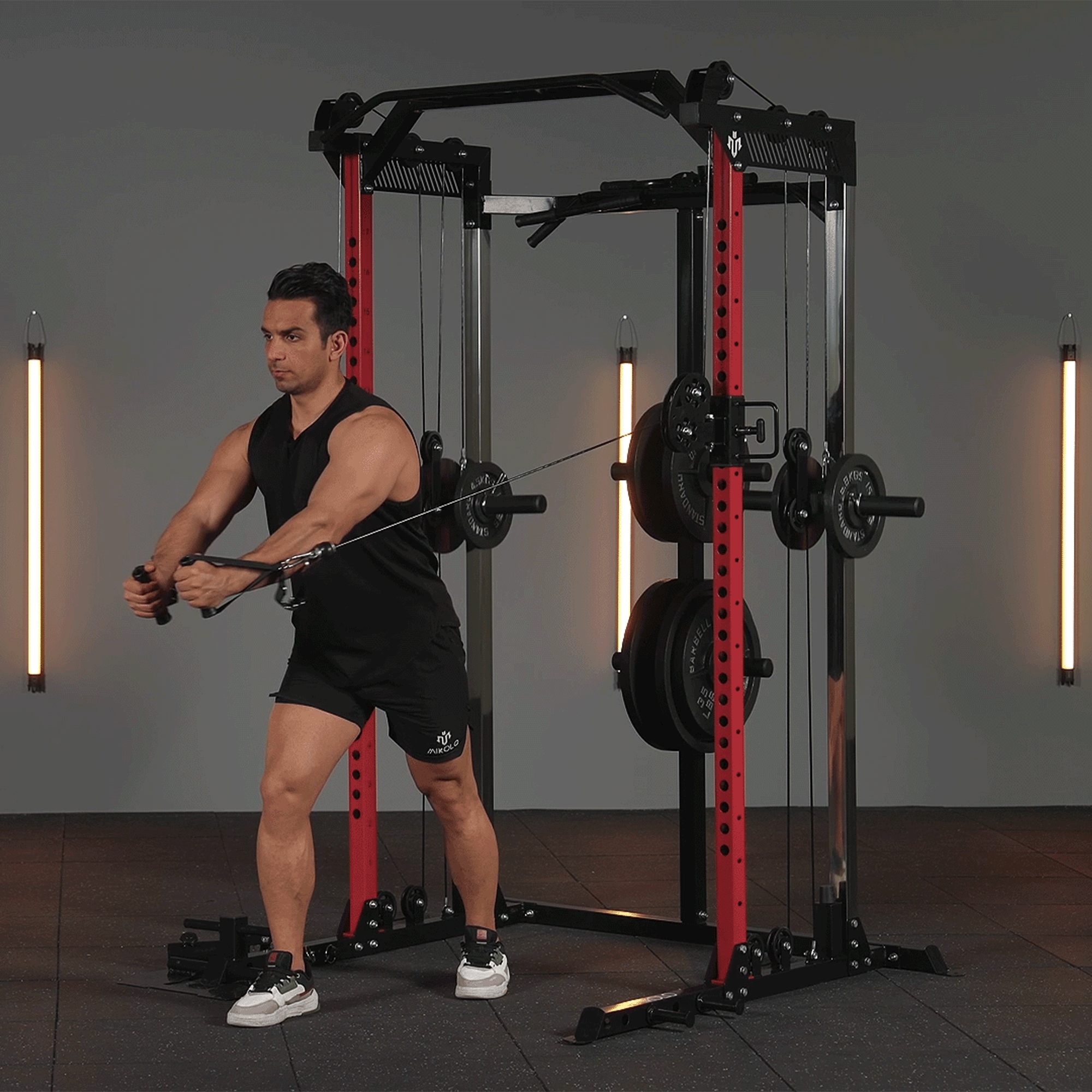


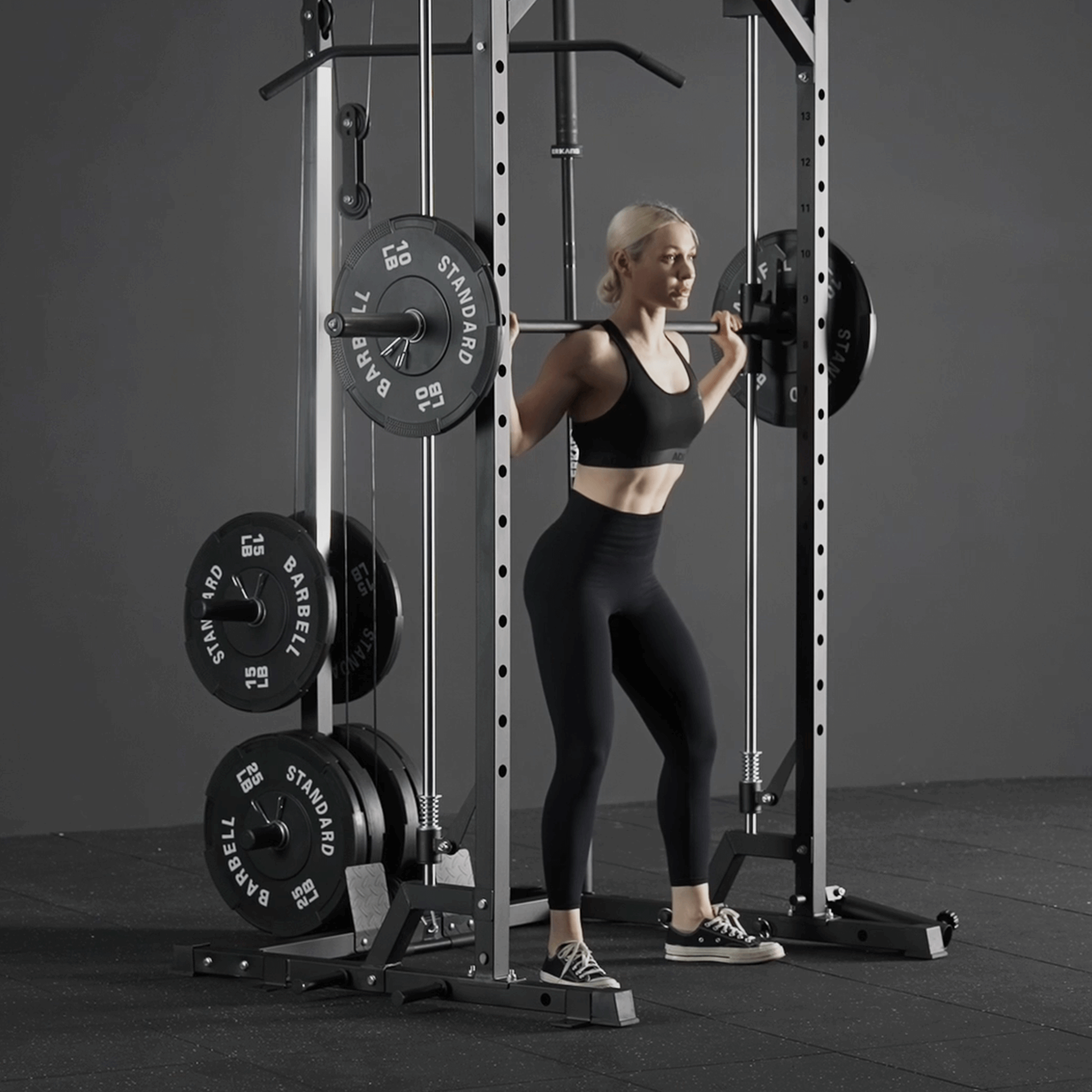


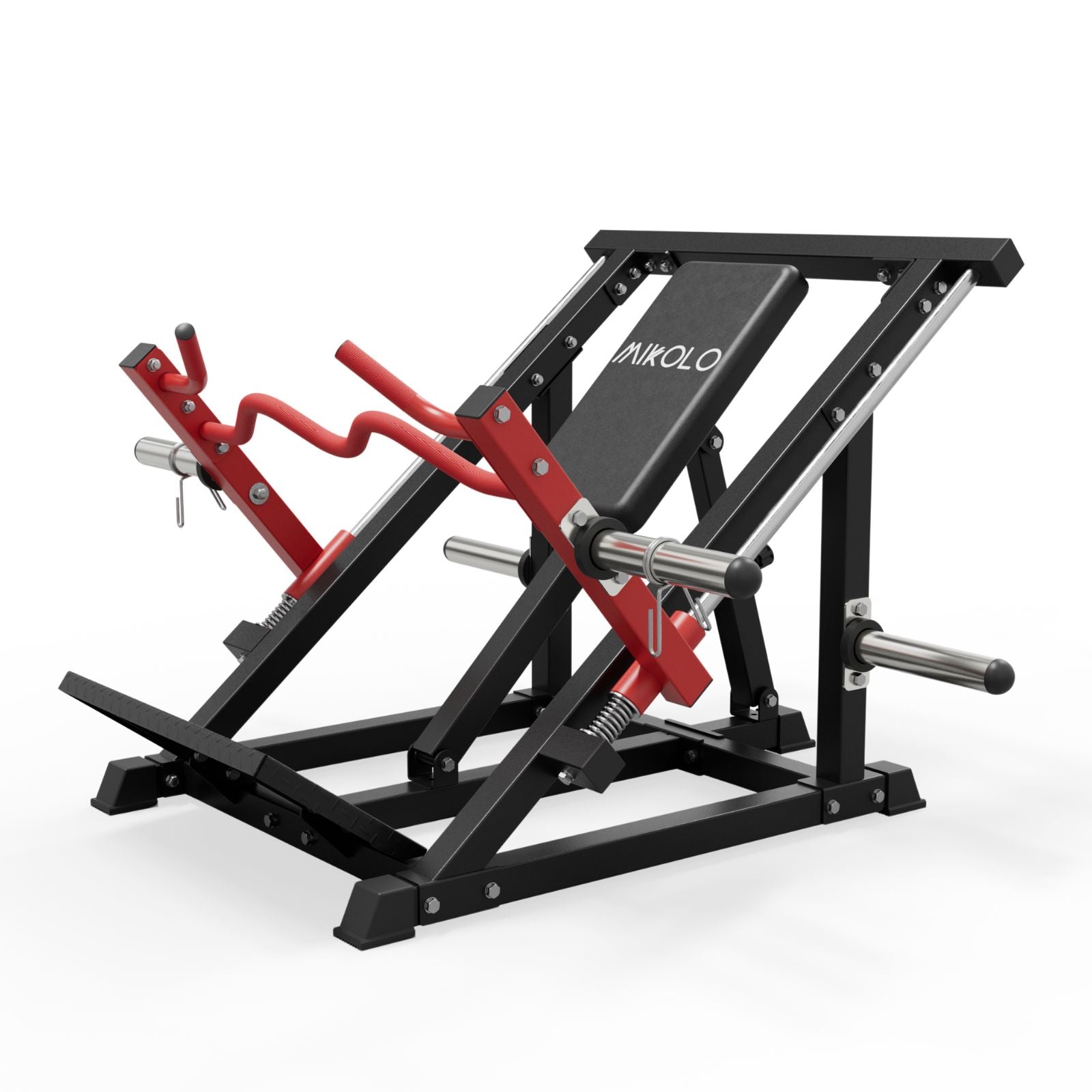






When setting up a gym—whether in a commercial space or at home—flooring often doesn’t get the attention it deserves. Yet, it’s one of the most critical elements for performance, comfort, and safety. Investing in the right gym floor tiles can transform your workout experience, prevent injuries, and protect your equipment and foundation.
Why Gym Flooring Tiles Matter
High-quality gymnasium floor tiles are designed to handle the demands of heavy lifting, high-impact workouts, and regular foot traffic. They provide cushioning to reduce joint stress, enhance grip to prevent slipping, and safeguard floors from scratches and damage caused by dropped weights or machines. Proper gym floor tiling can also significantly dampen noise, creating a quieter and more enjoyable training environment.
Rubber Gym Floor Tiles: The Gold Standard
Rubber flooring tiles are among the most popular choices for both home and commercial gyms. They offer an optimal balance of durability, shock absorption, and easy maintenance. Rubber gym floor tiles are resistant to wear and tear, making them ideal for spaces with frequent use. The material is also easy to clean—simply sweep and mop for a fresh, hygienic workout area.
In my own garage gym, switching to thick rubber tiles made a huge difference. Before installing them, my joints would ache after heavy squats or plyometrics. The moment I installed high-density rubber floor tiles, the shock absorption improved dramatically, making workouts more comfortable and safer, especially for my knees and lower back.
Choosing Rubber Flooring Tiles for Home Gyms
For home gyms, rubber floor tiles provide flexibility and convenience. Many tiles come with interlocking edges, making installation straightforward without the need for adhesives. Rubber tiles for home gyms are typically available in varying thicknesses, from light-use options for yoga or bodyweight workouts to extra-thick versions that can absorb the impact from dropped barbells or kettlebells.
If you’re setting up a compact workout space, gym tile mats can be an affordable and practical solution. You can cover only the workout area and leave the rest of the room untouched. Rubber tiles are also ideal for apartments or upper-floor rooms since they reduce noise and vibration.
Gymnasium Floor Tiles for Commercial Use
In commercial gym settings, durability is key. Gym rubber floor tiles are built to withstand continuous traffic and the weight of heavy equipment. They offer an easy-to-replace solution—if one tile wears out or gets damaged, it can be swapped without tearing up the entire floor. Commercial spaces often choose gym tiles flooring in neutral colors or speckled designs to maintain a professional appearance while hiding dirt between cleanings.
Key Considerations When Choosing Gym Flooring Tiles
-
Durability: Consider the weight load and frequency of use. Thicker tiles handle heavy lifting better.
-
Shock Absorption: Essential for joint protection and noise reduction.
-
Ease of Installation: Interlocking tiles are ideal for DIY setups, especially in home gyms.
-
Maintenance: Rubber tiles require minimal maintenance compared to foam or carpet options.
-
Aesthetics: Tiles come in various finishes—from plain black to colorful speckles—allowing you to customize the look of your gym.
Conclusion
Choosing the right gym flooring tiles can make a noticeable difference in how you train. Whether you need robust gym rubber floor tiles for a commercial facility or flexible rubber tiles for a home gym, investing in quality flooring will pay off through improved comfort, reduced risk of injury, and protection for your equipment and floors. From personal experience, it’s one upgrade you’ll never regret.


Leave a comment
This site is protected by hCaptcha and the hCaptcha Privacy Policy and Terms of Service apply.