

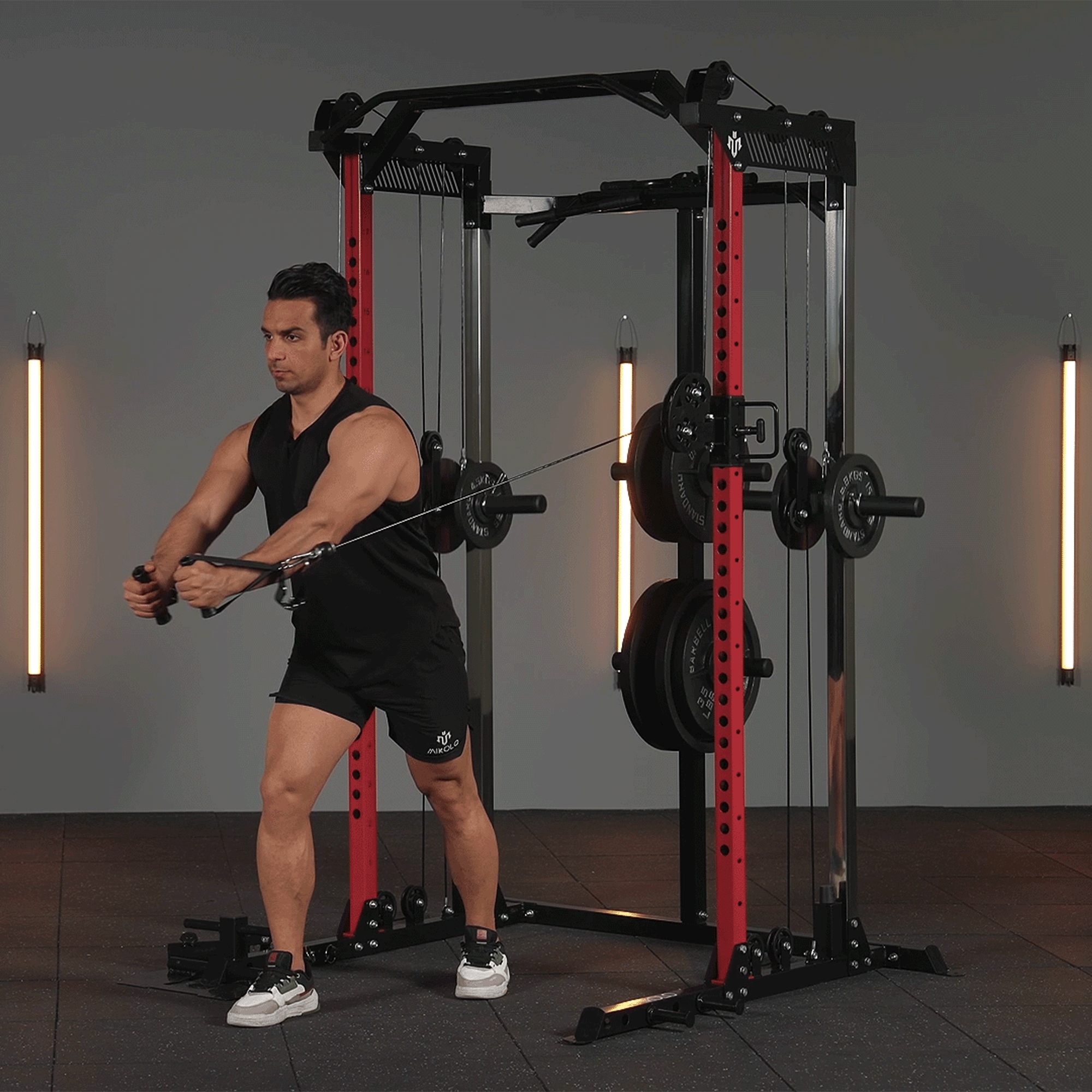


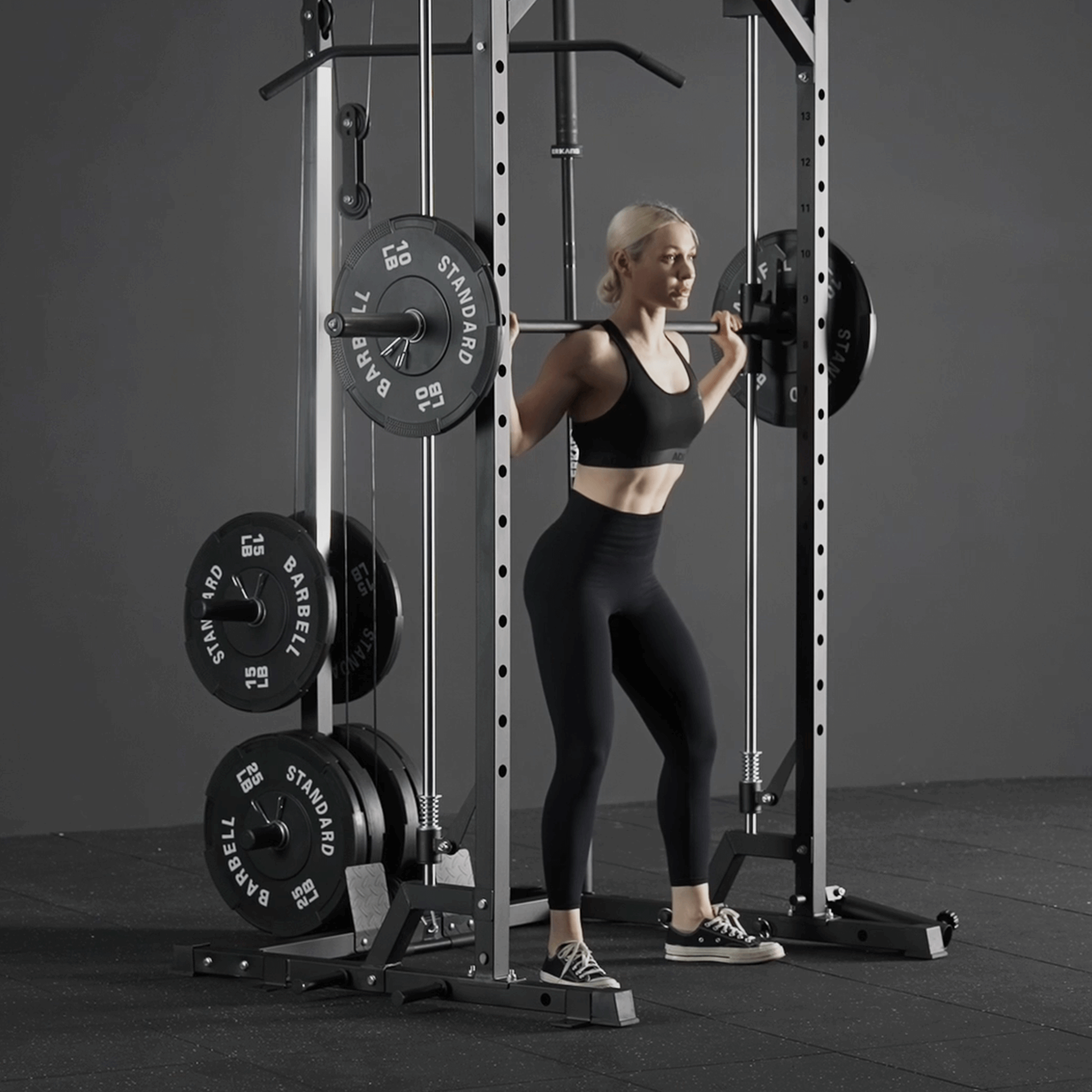






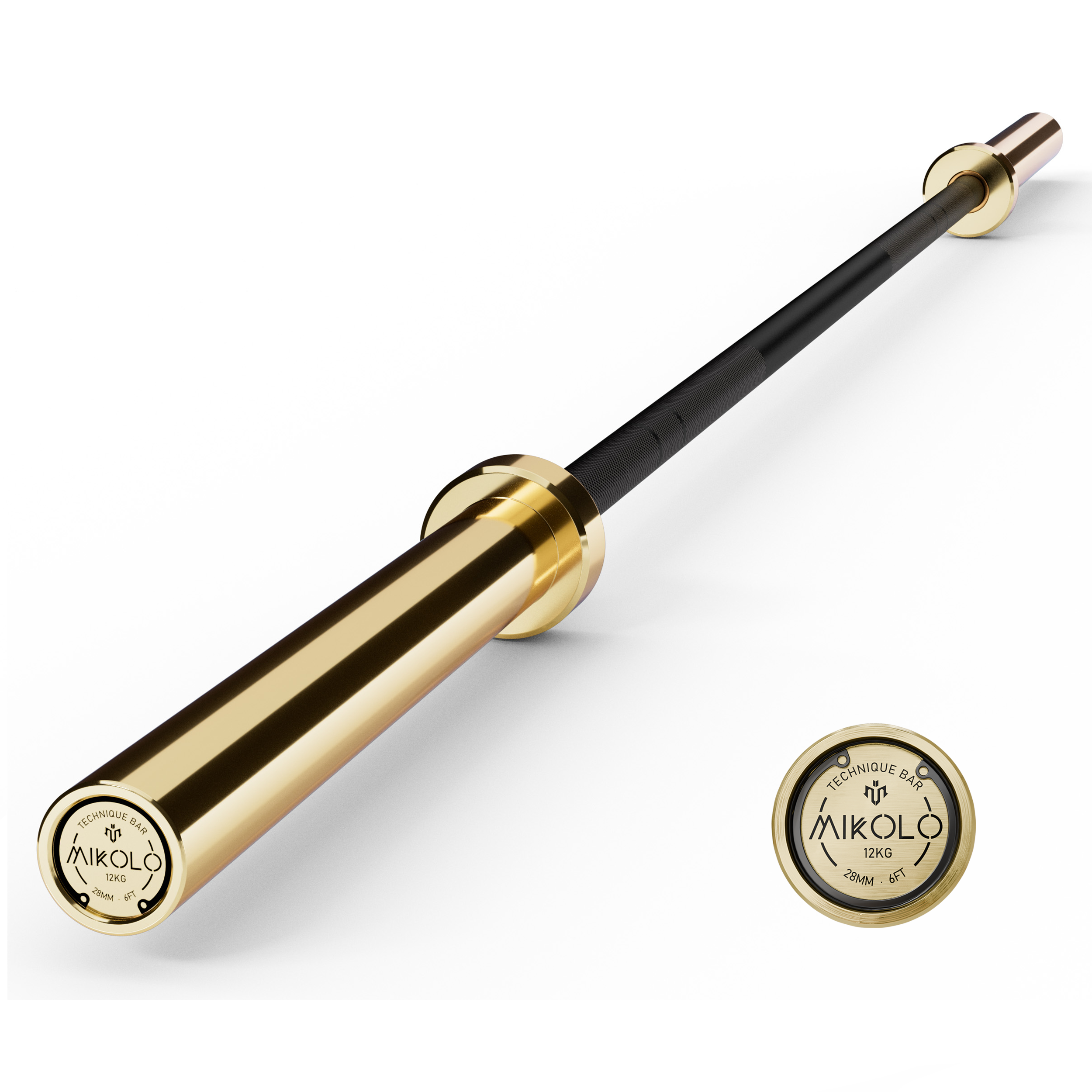




If you’ve ever stepped into a gym—whether it’s a big box facility or a home garage setup—you’ve probably seen a 7-foot bar resting on a squat rack or loaded up for deadlifts. The 7-foot Olympic barbell is a staple in strength training, and understanding its specifications and purpose can help both beginners and seasoned lifters get the most out of their workouts.
How Much Does a 7-Foot Olympic Barbell Weigh?
A standard 7-foot Olympic barbell weighs 45 pounds (20.4 kg). This is the regulation weight used in powerlifting and Olympic lifting competitions. It’s the default bar you’ll find in most commercial gyms, and it's used for exercises like squats, bench presses, and deadlifts.
While 45 pounds is the most common, not all 7-foot bars are identical. Some bars labeled as “Olympic” may have slight weight variations—ranging from 44 to 47 pounds—depending on the brand, material, and intended use. For example, a powerlifting-specific bar may weigh slightly more and have different knurling or stiffness compared to a general-purpose Olympic bar.
Why Is the 7-Foot Bar the Standard?
The 7-foot length (approximately 2.2 meters) provides a balanced combination of stability, load capacity, and compatibility with standard racks and weight plates. The longer shaft allows for proper spacing during compound lifts, especially squats and presses, while the rotating sleeves help with dynamic lifts like cleans and snatches.
Here’s what sets the Olympic bar apart:
-
Sleeve Diameter: Olympic bars have 2-inch (50mm) sleeves, compatible with Olympic plates.
-
Knurling: The textured grip areas support better handling, often with center knurling for squats and dual ring marks for different grip standards.
-
Load Capacity: Most Olympic bars can hold up to 1,000–1,500 pounds, though heavy-duty options go even higher.
My Experience with the 7-Foot Bar
I’ll never forget my first squat session with a true Olympic barbell. Until then, I had trained with a shorter, lighter bar at home. When I finally got under a 45-pound 7-foot bar, the difference was immediately clear—not just in weight, but in feel and performance. The knurling gave me a confident grip, and the longer shaft helped with bar stability during my lifts. It taught me that equipment matters more than I once thought.
Since then, I’ve trained countless clients—beginners and competitive lifters alike—on 7-foot Olympic bars. No matter their level, learning how to handle the standard bar properly gave them a real sense of progression.
Choosing the Right Bar for You
If you're building a home gym or looking to upgrade your barbell, consider the following:
-
Purpose: If you’re training for general strength, a standard 45 lb 7-foot Olympic bar is ideal. If you’re into Olympic weightlifting, look for bars with high whip and smooth sleeve rotation.
-
Finish: Chrome, zinc, or cerakote finishes resist rust and wear differently. Think about your environment—garage gyms may need more rust resistance.
-
Tensile Strength: Indicates how much stress the bar can handle before bending. Look for 190,000 PSI or higher for serious lifting.
Final Thoughts
Whether you're benching in a commercial gym or deadlifting in your garage, the 7-foot Olympic bar is a timeless tool that forms the foundation of strength training. Knowing exactly how much a 7-foot Olympic bar weighs—and how to use it effectively—can make a big difference in both safety and performance. Once you’ve trained with the real thing, there’s no going back.


Leave a comment
This site is protected by hCaptcha and the hCaptcha Privacy Policy and Terms of Service apply.