

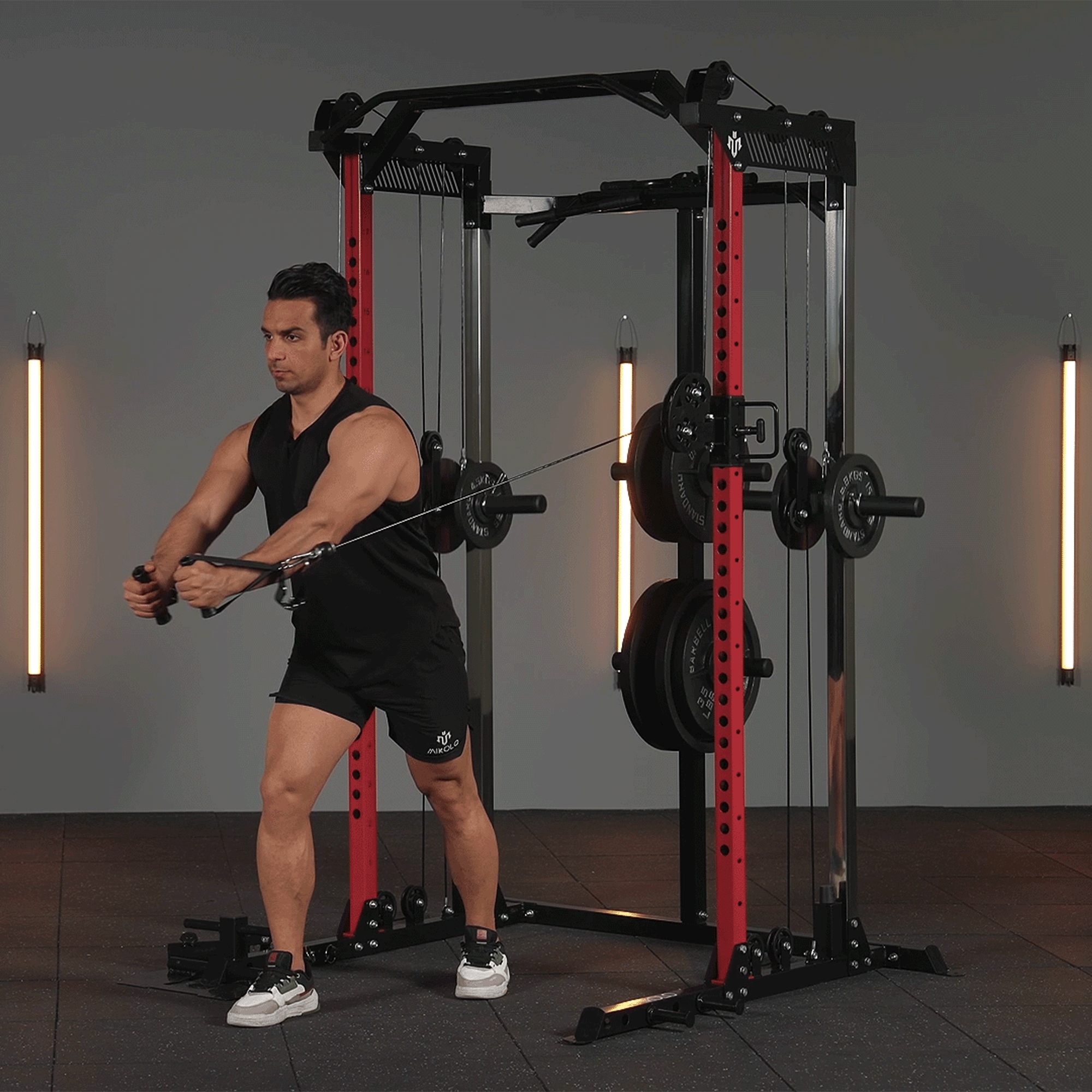


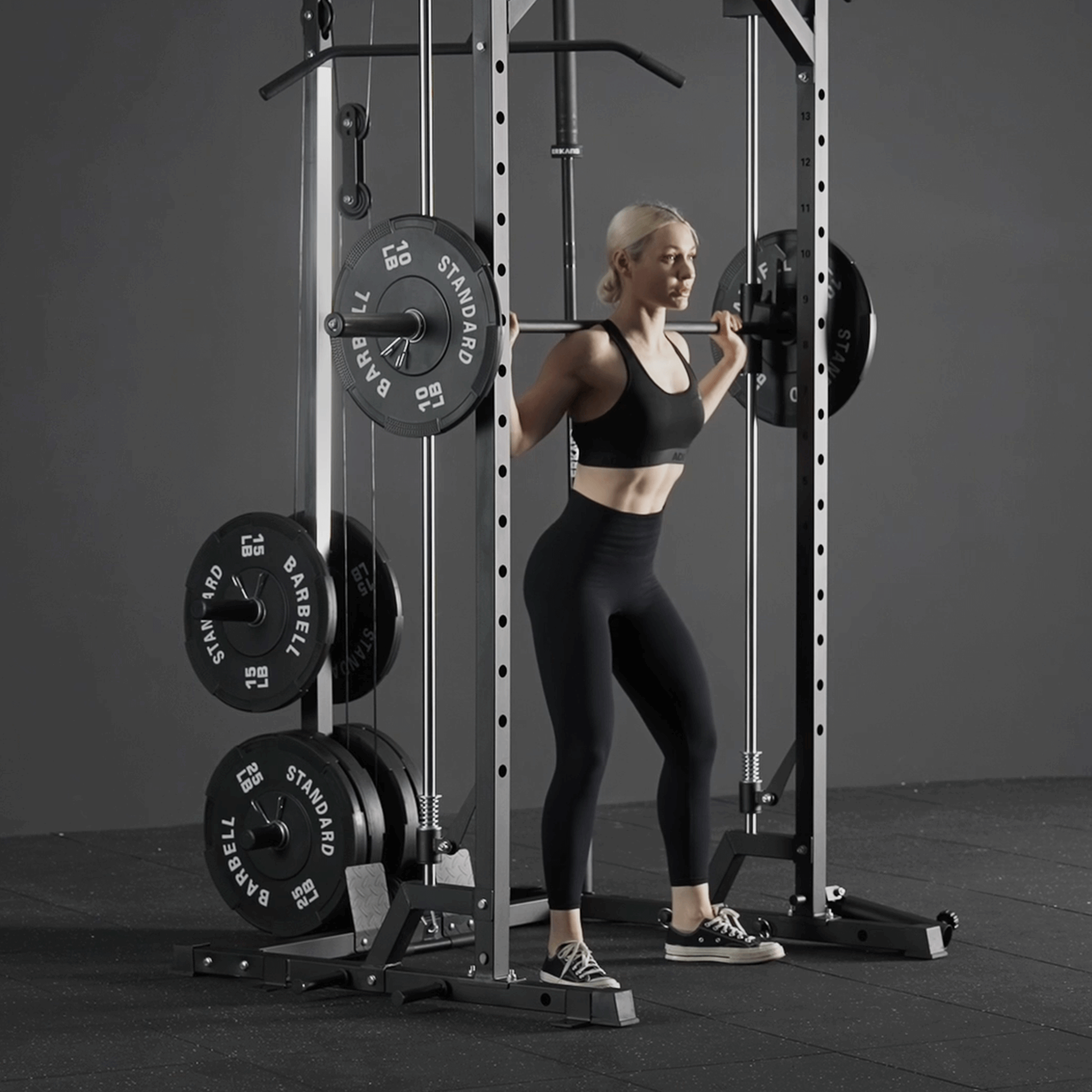








Walk into any gym or scroll through a workout plan, and you’ll hear “reps” tossed around constantly. A rep, which is short for repetition, just means one full movement of an exercise from beginning to end. So, when you lower yourself and push back up during a push-up, that’s a rep. Simple as that.
Understanding reps is kind of the backbone of any workout. They’re how you keep track of progress, whether you’re trying to get stronger, build muscle, or just not feel winded going up stairs. The number of reps you do actually matters a lot, more than you might think at first.
This guide breaks down what reps are, how they actually work, and why you should care if you’re chasing any fitness goal at all. You’ll also see how different rep ranges can change your results, and how to use them in your own workouts.
Understanding Reps in Fitness
A rep is just one complete movement of an exercise, and knowing how reps work makes following workout plans way easier. Reps and sets are the building blocks of strength training, really.
Definition of a Rep
So, a rep (again, short for repetition) is a full cycle of an exercise. For a bicep curl, that’s lifting the weight up and lowering it back down—one rep. Push-up? Down and up, that’s a rep. Pretty much every exercise has a starting position and an ending position. If you move through that whole range, you’ve done a rep. Squats? Stand, squat down, stand up—that’s it.
You just keep repeating reps until you hit your target number. If your plan says 10 reps, you do the movement 10 times, then take a break.
Difference Between Reps and Sets
Reps and sets aren’t the same, but they work together. A rep is one movement. A set is a group of those movements done back-to-back, no stopping.
Let’s say you do 10 push-ups in a row. That’s 10 reps, 1 set. Rest, then do another 10? Now you’ve done your second set. If you see “3 sets of 10 reps”, it means do 10, rest, do 10, rest, do 10 again. Easy enough to follow once you get the hang of it.
Think of reps as the individual moves and sets as the bigger chunks. You count reps while you’re moving, and sets when you’re resting.
Importance of Reps in Exercise Routines
The number of reps you do actually changes what you get from your workout. Different rep ranges hit different goals.
Low reps (1-5) with heavier weight are all about max strength. Medium reps (6-12) are great for muscle growth. High reps (15+) with lighter weight? That’s for endurance.
Your rep count changes how tough the workout feels and what you get out of it. Five heavy reps is a totally different challenge than cranking out 20 with a light dumbbell. Both have their place, depending on what you want.
Tracking your reps is one of the easiest ways to know you’re making progress. If you can do more reps with the same weight than you could last month, you’re getting stronger. That’s a win.
How Reps Impact Your Workout
The number of reps you do really shapes how your muscles adapt. Different rep ranges give you different results—sometimes it’s about raw strength, sometimes size, sometimes just being able to keep going.
Role of Reps in Building Strength
Reps tell your body what to get better at. Heavy weights for 1-5 reps? That teaches your nervous system to fire up more muscle fibers. It’s the go-to for max strength and power.
-
Medium ranges, like 6-12 reps, are the sweet spot for muscle growth. Your muscles are under tension long enough to grow, but you’re still lifting heavy enough for it to count. Kind of the best of both worlds.
-
High reps (15 or more) are all about endurance. You’re using lighter weights, but you’re asking your muscles to keep going and going. It’s a different kind of burn, honestly.
Your body adapts to whatever rep range you use most. Stick with low reps and heavy weights? You’ll get strong, but maybe not huge. Focus on high reps? You’ll last longer, but probably won’t lift as much.
How to Determine the Right Number of Reps
First, figure out what you want most. If it’s strength, go for 1-5 reps with heavy weights that really push you. For muscle growth, 6-12 reps with moderate to heavy weights is the classic choice. Endurance? 15+ reps with lighter weights works best.
Choose a weight that makes the last few reps tough, but you’re still using good form. If you breeze through, add weight. If you can’t finish the set with decent form, drop the weight a bit.
For most beginners, 8-12 reps is a safe place to start. It helps you learn the moves and build some strength and muscle without risking injury. As you get more experienced, you can tweak your rep ranges to match your goals.
Common Misconceptions About Reps
Lots of folks think low reps are just for building strength and high reps only help you burn fat. Actually, all rep ranges can play a part in both, as long as your nutrition is on point. Sure, reps influence how your muscles respond, but fat loss? That’s mostly about your total calorie intake.
Some people swear you have to push every set to absolute failure to see results. Not really. You can make serious progress without grinding yourself into the ground every time. Training close to failure—while keeping your form solid—usually leads to better gains over time and, honestly, fewer injuries.
There’s also this idea floating around that women should stick to high reps with tiny weights. That’s outdated. Women get just as much from various rep ranges as men do, depending on what they’re after. Heavy, low-rep training? It’s great for bone density and real-world strength, no matter your gender.


Leave a comment
This site is protected by hCaptcha and the hCaptcha Privacy Policy and Terms of Service apply.