







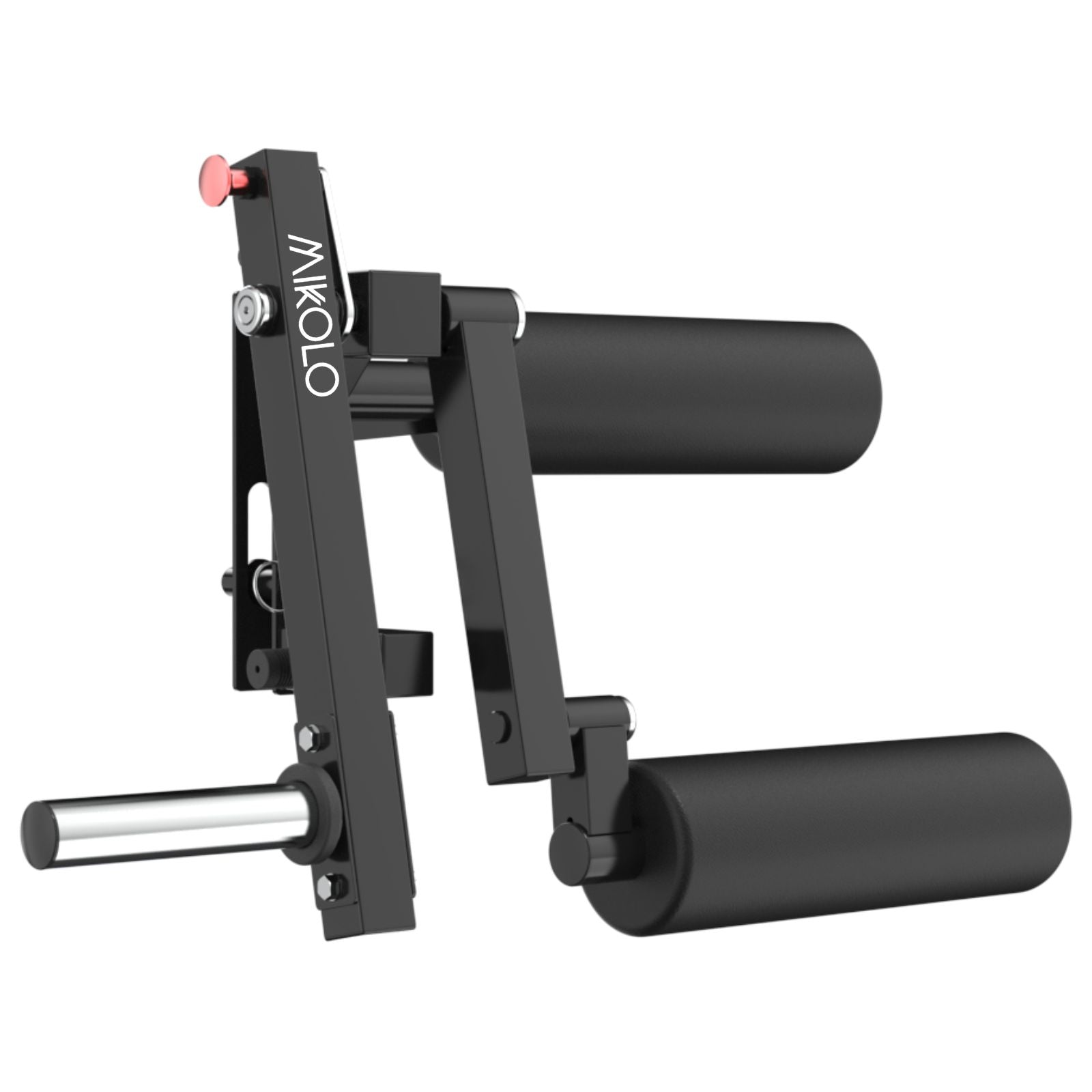






Leg extensions are all about working your quadriceps—the four muscles running down the front of your thigh. When you sit on a leg extension machine and push against the pad, you’re really hitting the rectus femoris, vastus lateralis, vastus medialis, and vastus intermedius. Sure, your hip flexors chip in a bit, but honestly, your quads do almost everything here.
Unlike big compound lifts, this exercise hones in on just one muscle group. That’s handy if you want to grow bigger quads or even out strength differences between your legs. Knowing which muscles are firing and how leg extensions work can help you get more from your workouts—whether you’re a beginner or just trying to fine-tune your leg routine.
Muscles Targeted by Leg Extensions
Quadriceps Structure
Your quadriceps consist of four muscles that all team up to straighten your knee. The rectus femoris sits right in front and is the only one that crosses both your hip and knee joints.
The vastus lateralis runs down the outside of your thigh. On the inside, closest to your knee, you’ll find the vastus medialis. The vastus intermedius hides underneath the rectus femoris, so you can’t really see it.
All four connect to your kneecap via the quadriceps tendon, and then the patellar tendon links them to your shin. When they contract together, you get knee extension.
Primary Muscle Activation
Leg extensions really isolate your quads, more than most other exercises. All four quad muscles kick in as you lift the weight and straighten your knee, but the rectus femoris is especially involved in that movement.
The vastus lateralis, vastus medialis, and vastus intermedius focus on knee extension too. Since your hips are locked in place, those three muscles end up shouldering a lot of the load.
Because the machine keeps tension on your quads the whole time, leg extensions are pretty effective for building both size and strength in your thighs.
Muscle Activation During Leg Extensions:
|
Muscle |
Role |
|
Rectus Femoris |
Knee extension, high activation |
|
Vastus Lateralis |
Knee extension, major workload |
|
Vastus Medialis |
Knee extension, major workload |
|
Vastus Intermedius |
Knee extension, major workload |
Secondary Muscle Involvement
Your tibialis anterior, on the front of your shin, helps steady your ankle during the movement. It keeps your foot flexed as you push the pad up.
Your hip flexors pitch in a bit to keep your thigh pressed against the seat. Meanwhile, your core works to steady your torso and keep your lower back from arching too much.
These muscles don’t do much compared to your quads, though. Leg extensions are still all about isolating those thigh muscles.
Advantages and Important Factors for Leg Extensions
Building Muscle Size and Strength
Leg extensions let you hit your quadriceps directly. This isolation works all four quad muscles: rectus femoris, vastus lateralis, vastus medialis, and vastus intermedius. The machine keeps tension on your quads from start to finish, so you really feel the burn.
You can safely train close to failure without needing a spotter. That’s great for building muscle size and pushing your muscular endurance in your thighs.
Key benefits include:
-
Pinpoint quad training without much help from other muscles
-
Consistent resistance the whole way through
-
Less total body fatigue compared to heavy compound exercises
-
More quad volume without overloading your nervous system
Since the rest of your body isn’t taking a beating, you can squeeze in more quad work without feeling wiped out like you might after a bunch of squats or deadlifts.
Applications in Physical Recovery
Therapists often use leg extensions in knee recovery programs. The controlled movement lets you load your quads precisely while sparing your other joints. That’s a big plus when you need to rebuild thigh strength but don’t want to stress your hips or lower back.
This exercise is especially helpful for restoring quad strength after injuries or surgery. The vastus medialis oblique (VMO) gets direct work during leg extensions, and that muscle is key for keeping your knee stable.
Training this area can help your kneecap track better and might even cut down your risk of future injuries. You can adjust the resistance easily, so it’s simple to match your current stage of recovery. Using light weights helps wake up weak muscles as you work your way back to full strength.
Incorporating Leg Extensions Into Your Workouts
Leg extensions really shine as a supplementary exercise—not the main event, but a solid sidekick. They go hand-in-hand with compound moves like squats, lunges, and leg presses, giving your quads some extra love without taking over your whole routine.
|
Placement |
Rep Range |
Purpose |
|
End of workout |
12-20 reps |
Muscle size and endurance |
|
Start of workout |
12-15 reps |
Pre-exhaustion technique |
|
Mid-workout |
6-10 reps |
Strength focus |
Most people tack leg extensions onto the end of their leg days. Others like to pre-fatigue their quads with them before hitting the big lifts, hoping for better muscle activation. But honestly, that can sap your strength for main lifts, so it's a bit of a trade-off.
Higher rep ranges—think 12 to 20—are popular for chasing muscle endurance and size. Sure, you can load up and grind out 6 to 10 reps, but let's be real: compound lifts usually work better for heavy strength sets anyway.


Leave a comment
This site is protected by hCaptcha and the hCaptcha Privacy Policy and Terms of Service apply.