Need to create a home gym in tight quarters? Small home gyms ideas can help you utilize your limited space effectively. Expect tips on smart layouts, compact equipment, and clever storage solutions.
Key Takeaways
-
Maximize small spaces by using foldable equipment, multifunctional furniture, and smart layout planning to create an effective home gym.
-
Incorporating vertical storage solutions like wall-mounted racks and pegboards can help keep your gym organized and clutter-free.
-
Personalizing your workout space with decor, motivational quotes, and plants can enhance motivation and create an inviting atmosphere.
Optimize Your Floor Space
Making the most of your floor space is crucial for a successful home gym setup. In small spaces, every inch counts, and with the right strategies, you can create a versatile and efficient workout area. Foldable equipment, multifunctional furniture, and smart layout planning are key elements to achieving this goal.
Explore these small home gym ideas to transform your limited square footage into your own home gym, a powerhouse of fitness.
Foldable Equipment
Foldable exercise equipment, like the Marcy Foldable Upright Exercise Bike, offers a perfect solution for small home gyms. This durable bike features a 14-gauge steel construction and eight levels of resistance, ensuring a robust workout. Its compact design allows for easy storage, freeing up floor space when not in use.
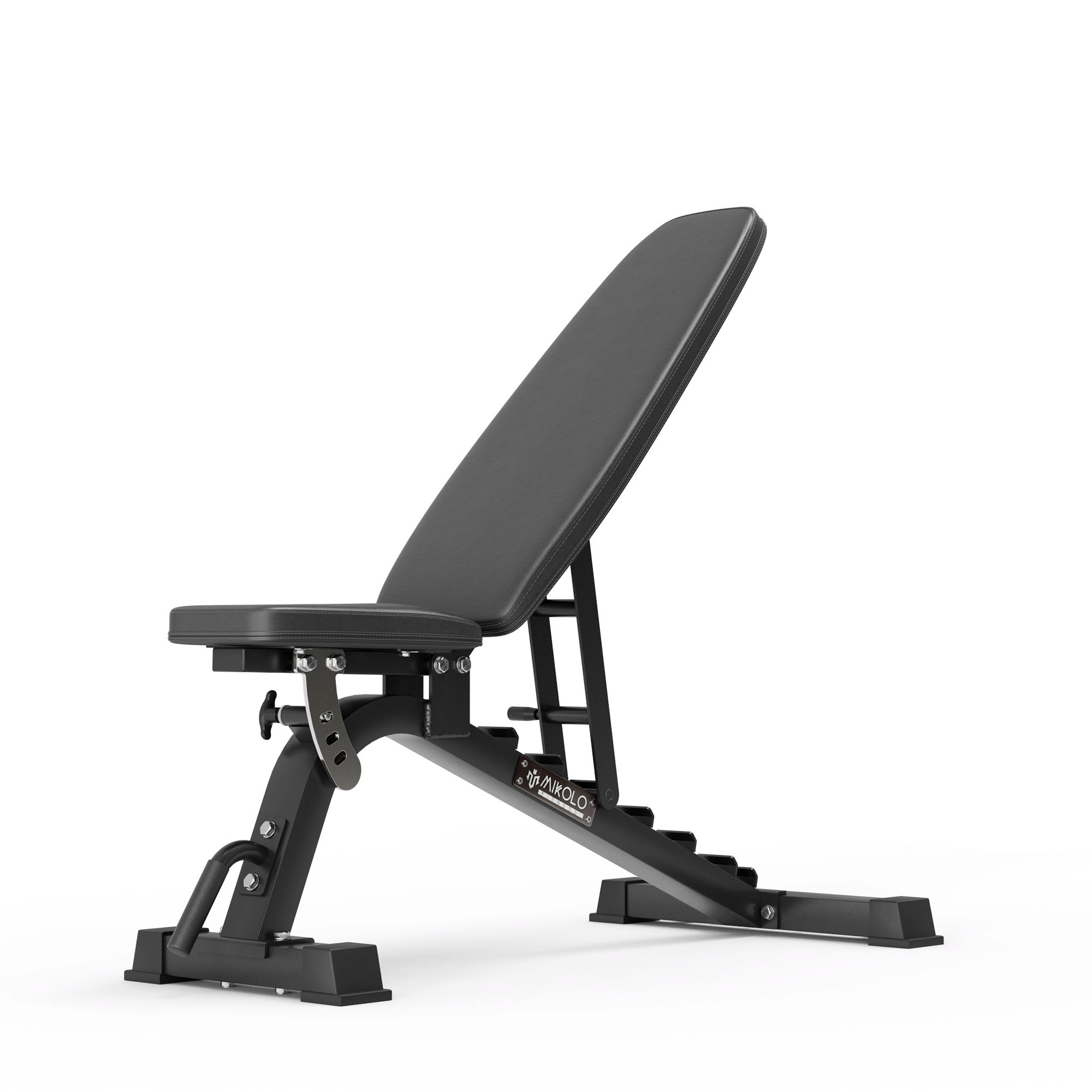
Similarly, foldable benches are versatile additions, enabling a variety of exercises with incline and decline adjustments. Utilizing foldable equipment helps maintain an organized and functional workout room without sacrificing square footage.
Multi-Functional Furniture
Multi-functional furniture can significantly enhance space efficiency in your home gym. Furniture such as ottomans with hidden storage compartments can keep your workout gear neatly organized while maintaining a clean and stylish look.
This approach not only maximizes floor space but also ensures that your workout room remains tidy and inviting.
Smart Layout Planning
Effective layout planning is essential for optimizing small home gyms. By strategically arranging equipment to utilize corners and walls, you can enhance the spaciousness of your workout area. Using ceiling space for hanging items and accessories further maximizes floor space.
A well-organized compact gym might feature hooks for straps, a wall-mounted weight rack, and storage nooks for mats, all contributing to a functional and efficient workout environment.
Vertical Storage Solutions
Utilizing vertical storage solutions is a game-changer for small home gyms. Keeping equipment off the floor and organized helps maintain a clear and functional workout area. Wall-mounted racks, hooks, pegboards, and shelving units are excellent options for maximizing storage without sacrificing floor space.
Here are some vertical storage ideas to consider.
Wall-Mounted Racks
Wall-mounted racks are essential for optimizing space in your home gym. These racks keep heavy equipment off the floor and neatly organized, enhancing the functionality of your workout area. They also reduce clutter, making it easier to move around and focus on your fitness routines.
Angled designs facilitate easier weight retrieval, adding to the convenience.
Hooks and Pegboards
Hooks and pegboards offer a flexible and efficient solution for storing various gym accessories. Pegboards, in particular, allow for adjustable storage, accommodating evolving equipment needs. You can use them to hang yoga mats, jump ropes, and other accessories, keeping your workout area tidy and easily accessible.
Shelving Units
Shelving units provide systematic organization for smaller fitness items like towels and water bottles. Open shelving enhances accessibility for gym essentials while maintaining a neat space.
Custom storage solutions, such as wall-mounted shelves, can be both practical and cost-effective, ensuring that your workout gear is always within reach.
Create a Motivational Atmosphere
Creating a motivational atmosphere in your home gym can significantly enhance your workout experience. Incorporating inspiring decor, proper lighting, and personalized touches helps build a space that keeps you motivated and energized.
Here’s how to create an environment that inspires you to achieve your fitness goals.
Inspiring Decor
Motivational artwork and vibrant color schemes can transform your workout room into an inspiring space. Fun wall art, available on platforms like Society 6, can keep your motivation high. Black industrial artwork can add a sleek aesthetic, while vibrant colors energize the space, making it more inviting.
Proper Lighting
Good lighting is crucial for both safety and motivation. Positioning mirrors near windows can reflect natural light, enhancing the ambiance of your gym.
Charcoal walls can be used to update small workout rooms, enhancing the effects of good lighting.
Personalized Touches
Adding personal elements such as family photos or favorite colors can make your home gym more inviting. Custom artwork that resonates with your fitness journey can personalize the space and serve as a constant reminder of your goals.
Decorative accents like plants and rugs can enhance the overall look of your gym, making it more enjoyable to use.
Compact Cardio Machines
Compact cardio machines are essential for small home gyms, allowing you to get effective workouts without taking up too much space. Folding treadmills, mini ellipticals, and portable rowing machines are excellent options to consider.
These machines provide full-body workouts and can be easily stored when not in use, making them perfect for small home gym setups.
Folding Treadmills
Folding treadmills, like the WalkingPad Folding Treadmill, offer easy storage and help save space in small home gyms. This treadmill folds down to just 32 inches long, allowing it to be stored almost anywhere.
With a user weight limit of 220 pounds and a maximum speed of under 4 miles per hour, it’s ideal for walking workouts.
Mini Ellipticals
Mini ellipticals, such as the Sunny Health & Fitness Magnetic Elliptical, provide effective cardio workouts in compact spaces. These low-impact machines are suitable for users with joint concerns and cost around $500, making them a budget-friendly option.
The Bowflex Max Trainer M6, though more premium, offers a compact design and effective cardio training.
Portable Rowing Machines
Portable rowing machines, like the Concept2 RowErg, are excellent for compact workout spaces. Weighing just 57 pounds, the Concept2 RowErg can be easily stored when not in use.
Its air resistance and maintenance-free design make it a reliable choice for effective at-home workouts.
Strength Training Essentials
Strength training is a crucial component of any fitness routine, and with the right essentials, you can effectively build muscle in a small home gym. Adjustable dumbbells, resistance bands, and compact weight benches are key items that make the most of limited floor space.
These versatile pieces of equipment can support a wide range of strength training exercises, making them indispensable for any home gym setup.
Adjustable Dumbbells
Adjustable dumbbells are a cost-effective choice that save space by replacing multiple sets of weights. Brands like Bowflex SelectTech 552 and NÜOBELL offer a range of weights in a single set, making them ideal for small home gyms.
The NÜOBELL Adjustable Dumbbells feature quick weight adjustment mechanisms, providing versatility for both heavy and light workouts.
Resistance Bands
Resistance bands are a versatile and economical tool for strength training. Brands like Living.Fit offer bands with various resistance levels to cater to different fitness needs. These bands are highly effective for full-body workouts and can be easily stored, making them perfect for small home gym setups.
Compact Weight Benches
Compact weight benches, like the PASYOU Adjustable Weight Bench, are essential for enhancing workout versatility. This bench features eight backrest settings and weight options, allowing for easy storage when not in use.
Incorporating a compact weight bench into your home gym can significantly improve your strength training routine without taking up too much space.
Incorporate Functional Zones
Creating designated zones within your home gym can help organize equipment and activities, making your workout space more efficient. By setting up specific areas for cardio, strength training, and flexibility and recovery, you can ensure that each type of workout is performed optimally.
Let’s explore how to incorporate these functional zones into your home gym design.
Cardio Zone
A dedicated cardio zone should include space for equipment like treadmills, stationary bikes, and jump ropes to facilitate heart rate training. Compact machines like stair climbers and jump ropes can be effective in small spaces, allowing for varied intensity levels to suit different fitness preferences.
Strength Training Zone
The strength training zone should be equipped with essential items like free weights, kettlebells, and benches to optimize workouts focusing on building strength and muscle. This dedicated area ensures that strength exercises are performed efficiently, supporting diverse training routines.
Flexibility and Recovery Zone
Creating a designated area for stretching and recovery exercises enhances the overall fitness routine. Incorporating yoga mats and props in this zone encourages regular stretching and promotes recovery after workouts.
Mats and foam rollers in this area support effective flexibility routines and recovery practices.
Utilize Mirrors for Form and Space
Mirrors can be a powerful tool in a small home gym, enhancing both form and the perception of space. They reflect light and create an illusion of a larger area, making the environment feel more open and spacious. Additionally, mirrors help you monitor your form during exercises, improving performance and preventing injuries.
Here are the benefits of full-length mirrors and their strategic placement.
Full-Length Mirrors
Full-length mirrors are essential for workout spaces, allowing users to monitor their posture and movement during exercises. Ensuring proper form with these mirrors can help prevent injuries and enhance workout effectiveness.
Mirror Placement
Strategically placing mirrors can enhance light and space perception in your home gym. Positioning mirrors across from windows can reflect natural light, giving the illusion of a larger space while improving visibility during workouts.
Adjusting the angle of mirrors can also reduce glare and improve overall room lighting.
Budget-Friendly Home Gym Ideas
Creating a home gym doesn’t have to break the bank. Budget-friendly solutions like DIY storage, repurposing household items, and choosing affordable equipment can help you build an effective workout space without overspending.
Here’s how to set up a cost-effective home gym that meets your fitness needs.
DIY Storage Solutions
DIY storage solutions can save money and be customized to fit your unique space and style. Built-in cabinets can accommodate weights, towels, and even a mini fridge for convenience.
Starting with essential equipment and gradually adding more equipment ensures a well-organized and motivating workout environment.
Repurposing Household Items
Repurposing household items can provide effective workout solutions without the need for expensive equipment. Common items like water bottles, chairs, or bags filled with books can be creatively transformed into workout tools.
This approach encourages creativity in fitness routines and reduces reliance on commercial gym equipment.
Affordable Equipment Options
Finding budget-friendly workout equipment that maintains quality allows you to build an effective home gym without overspending. A foldable weight bench is a great option that supports various exercises and can be easily stored.
Using a balance ball chair can improve posture and add stability to your workouts, enhancing your overall fitness experience.
Integrate Technology
Integrating technology into your home gym can elevate your workout experience. Smart fitness equipment, fitness apps, and streaming workouts provide interactive and engaging ways to stay motivated and track progress.
Here’s how to incorporate technology to make your home gym more effective and enjoyable.
Smart Fitness Equipment
Smart fitness equipment, like the NordicTrack S22i Studio Bike, features iFIT programming, Bluetooth connectivity, and a touchscreen display, making workouts more interactive and engaging. These smart bikes can automatically adjust resistance levels based on the selected workout, providing a tailored experience.
Fitness Apps
Fitness apps, such as Nike Training Club and SHRED, offer guided workouts that enhance the effectiveness of your training routine. These apps provide customization based on individual fitness history and preferences, helping users stay motivated and achieve their goals.
Streaming Workouts
Setting up a screen for streaming workouts can enhance engagement and motivation during exercise. Platforms like Peloton offer live and on-demand classes, allowing users to interact with the community and stay motivated.
This setup can be accomplished with minimal space, often requiring just a wall mount or a stand.
Outdoor Home Gym Ideas
Transforming outdoor spaces like patios, balconies, or yards into functional home gyms can enhance your workout experience. Outdoor gyms provide a refreshing environment and allow for varied routines.
Let’s explore how to set up an effective outdoor home gym.
Patio Gyms
Setting up a gym on the patio can offer a refreshing change of environment while staying fit. Using weather-resistant equipment is essential to withstand outdoor conditions, ensuring durability and functionality.
Balcony Gyms
Even small balconies can be transformed into workout spaces with resistance bands and compact equipment. Incorporating a compact exercise bike on the balcony allows for effective cardio workouts without occupying much space.
Foldable benches can also maximize the usability of limited balcony space for workouts.
Yard Workouts
Utilizing your yard allows for a functional outdoor gym that can accommodate various workout styles. Designating areas for specific activities and incorporating bodyweight exercises promotes a connection with nature, making exercise more enjoyable.
Varied routines keep workouts engaging and can target different muscle groups effectively.
Designing for Relaxation
Creating a relaxing atmosphere in your home gym can significantly enhance recovery after workouts. Incorporating cozy seating areas, calming colors, and aromatherapy can transform your gym into a space that balances intense workouts with calm recovery periods.
Here’s how to design a home gym that promotes both fitness and relaxation.
Cozy Seating Areas
Creating cozy seating areas in a gym can encourage relaxation and recovery after workouts. Including plush sectional sofas, decorative benches, or oversized cushions can offer stylish and comfortable spots for post-exercise relaxation.
Balancing active and calming elements in the gym’s design enhances the overall workout experience.
Calming Colors
Using soft, calming color palettes can enhance the ambiance of a gym, promoting tranquility. Shades like soft green and light blue are recommended for creating a serene environment in a workout space.
Incorporating a monochromatic color scheme can also create a peaceful atmosphere.
Aromatherapy
Introducing essential oil diffusers in a home gym can enhance the overall ambiance, promoting better relaxation and concentration during workouts. Using diffusers with calming essential oils like lavender can create a serene atmosphere, enhancing the workout experience.
Kid-Friendly Home Gym Ideas
Creating a kid-friendly home gym encourages a healthy lifestyle and makes fitness a fun family activity. Safe equipment, interactive activities, and family workout plans are key elements to designing a gym that accommodates the whole family.
Let’s explore how to set up a home gym that’s safe and enjoyable for kids.
Safe Equipment
Safety-focused equipment design is essential to ensure a secure environment for children during workouts. Choosing age-appropriate and safety-tested equipment is crucial for creating a kid-friendly home gym.
Interactive Activities
Fun activities for children in the home gym can foster a love for fitness and promote family bonding. Kid-friendly workout equipment, like lightweight dumbbells and resistance bands, ensures safety while encouraging physical activity.
Creating family workout plans that are enjoyable and interactive can motivate children to stay active and set a healthy example.
Family Workout Plans
Using equipment like hex dumbbells can promote safety and comfort, making family workouts more enjoyable. Designing family workout plans that accommodate different fitness levels and preferences ensures that everyone can participate and benefit from the exercise routines.
Stylish Home Gym Design
Creating a stylish home gym involves integrating personal style with functionality to make the space inviting. Modern design elements, effective color schemes, and decorative accents can enhance the aesthetics of your home gym.
Let’s explore how to design a home gym that’s both functional and visually appealing.
Modern Design Elements
Modern design elements, such as sleek lines and minimalistic decor, can enhance the aesthetic of a home gym. Using furniture with sleek designs and incorporating neutral colors with bold accents can create a visually interesting and modern space.
Color Schemes
Choosing a cohesive color palette enhances the overall appearance of your gym, making it more inviting and motivating. A simple gray monochrome palette provides a modern and clean look, while creamy white walls and light wood floors complement standard black equipment and colorful weights, creating a stylish vibe.
Decorative Accents
Adding unique decorative elements, like artwork or plants, can personalize the gym environment. Utilizing ladder shelves for decor and cute accessories adds a unique flair to the space, while baskets and decorative boxes provide stylish storage solutions.
Incorporating a variety of textures through rugs and wall hangings can enhance the visual appeal of your home gym.
Small Home Gym in Shared Spaces
Setting up a home gym in shared spaces requires careful planning to maintain functionality and aesthetics. Whether transforming a living room, bedroom, or office, integrating gym equipment seamlessly into these spaces can be achieved with the right strategies.
Let’s explore how to create a small home gym in shared spaces.
Living Room Gyms
Transforming a living room into a gym can be achieved with discreet equipment storage to maintain a tidy look. For example, disguising gym equipment within furniture or decor helps maintain the aesthetic of the living room.
This approach ensures that your living space remains inviting while still being functional for workouts.
Bedroom Gyms
Incorporating compact exercise equipment into a bedroom can promote convenience for workouts. Opting for compact and foldable exercise equipment can save space, ensuring that the bedroom remains peaceful and uncluttered.
This setup allows for easy transitions between rest and exercise without compromising the room’s primary function.
Office Gyms
Designing an office gym requires balancing workspace and workout area to maintain productivity. Incorporating an exercise ball as a chair can enhance both fitness and posture in a home office gym.
This dual-purpose setup allows you to stay active and healthy while working from home.
Basement Home Gym Transformation
Transforming a basement into a home gym can create a dedicated workout space away from the main living areas. Proper lighting, flooring solutions, and moisture control are essential elements to consider for a safe and energized environment.
Let’s explore the key aspects of setting up a basement home gym.
Flooring Solutions
Rubber flooring is an excellent choice for basement gyms as it can withstand heavy equipment and is resistant to moisture. Interlocking foam tiles provide cushioning and are easy to install, making them a cost-effective option for creating a comfortable workout surface.
Choosing moisture-resistant flooring is essential to protect against dampness common in basement gyms.
Lighting Enhancements
Using overhead lighting with a color temperature of around 5000k can enhance the brightness of a basement gym. Additionally, utilizing slim windows by the ceiling can bring in natural light, improving the ambiance and making the space feel less confined.
Moisture Control
Waterproofing is essential in a basement gym to protect equipment from potential water damage. Using dehumidifiers can help maintain a dry environment, preventing mold growth and ensuring a comfortable workout space.
Garage Home Gym Setup
Converting your garage into a home gym can be optimized with effective space utilization and climate control. Proper organization and choosing the right equipment ensure that the garage remains functional and inviting.
Let’s explore how to set up a versatile home gym in your garage.
Space Optimization
Utilize spaces that would otherwise go untouched by setting up your home gym along the back wall to avoid foot traffic and maintain a clear workout space. Incorporating movable storage solutions allows for flexibility in rearranging the gym setup as needed.
Essential Equipment
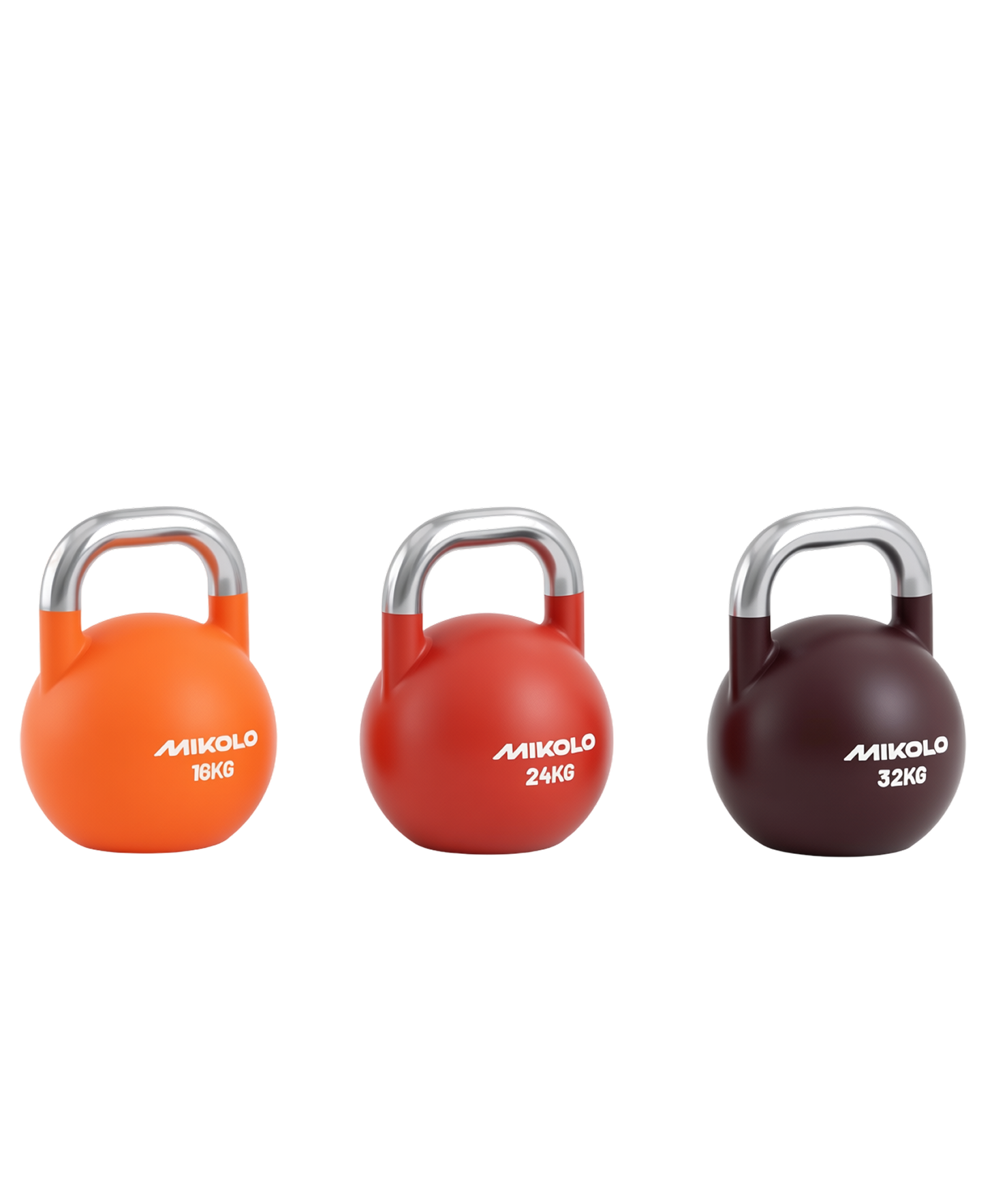
A pull-up bar is a versatile equipment option for upper body workouts that can be easily integrated into a garage gym setup. Kettlebells are compact and great for full-body workouts, making them perfect for small garage gym spaces.
A foam roller can help with post-workout recovery, enhancing muscle repair and flexibility.
Climate Control
Installing fans or a portable air conditioner can significantly improve airflow and comfort during workouts in a garage. Proper insulation in a garage helps maintain a comfortable temperature while working out, enhancing the overall experience.
Attic Home Gym Ideas
Setting up a home gym in an attic requires careful planning to make the most of the limited space. Choosing compact equipment, addressing structural considerations, and incorporating design inspiration can transform your attic into a functional workout area.
Let’s explore how to create an effective attic home gym.
Space-Saving Equipment
A compact treadmill or exercise bike serves as an excellent space-saving cardio machine for an attic home gym. A dumbbell set is essential for strength training, providing versatility without taking up much space.
An adjustable bench allows for various exercises while still being compact, making it ideal for an attic gym.
Structural Considerations
It’s important to assess the attic’s weight capacity before installing heavy gym equipment. Ensuring safety in attic gyms is critical to prevent accidents and maintain structural integrity.
Addressing these structural considerations ensures that your attic gym is safe, functional, and can support your workout needs.
Design Inspiration
Incorporating unique design elements in an attic gym can make it both functional and visually appealing. Using creative storage solutions and decor that reflect personal style can make the attic gym space more inviting.
A well-designed attic gym not only motivates you to work out but also creates a pleasant space where you can enjoy your fitness journey.
Incorporate Nature
Incorporating natural elements into your home gym can enhance motivation and create a comfortable workout environment. Indoor plants, natural light, and outdoor views can significantly improve the ambiance of your gym.
Here’s how to bring nature into your workout space.
Indoor Plants
Adding indoor plants improves air quality in a home gym and creates a calming environment. Houseplants contribute to increased humidity and release oxygen, which can improve focus and mood during workouts.
Incorporating greenery can help improve air quality while also promoting a calming and lively environment.
Natural Light
Natural light enhances the gym experience by making the environment more inviting and energizing. Positioning workout spaces near windows allows for maximum natural light, improving visibility and positively impacting mood and energy levels during workouts.
Outdoor Views
Positioning your gym to face scenic landscapes can enhance motivation and provide a visually inspiring workout environment. Creating windows that provide views of nature can lift spirits and encourage longer workout sessions.
Positioning workout spaces to overlook scenic views can significantly enhance the overall workout experience.
Personalize Your Workout Space
Personalizing your workout space can make it more inviting and motivating. Custom artwork, inspirational quotes, and memory boards can reflect your fitness journey and keep you inspired.
Let’s explore how to add a personal touch to your home gym.
Custom Artwork
Custom artwork can enhance the uniqueness of a gym and reflect personal style. Adding personal decorations, like family photos or neon signs with motivational quotes, can make your workout environment feel more inviting and encouraging.
Inspirational Quotes
Using motivational quotes, posters, and artwork can significantly enhance the energizing environment of your home gym. Incorporating motivational quotes in visible areas of your gym can provide encouragement and inspiration during workouts.
These elements can keep you focused and driven on your fitness journey.
Memory Boards
Memory boards serve as a creative way to visualize your fitness journey and keep you motivated. Displaying personalized motivational quotes and photos of past achievements can help track your progress and reinforce your fitness goals.
Efficient Cooling and Hydration
Effective cooling and hydration in a home gym can enhance workout performance and comfort. Incorporating elements like a mini fridge, fans, and hydration stations ensures that you stay cool and hydrated during your workouts.
Let’s explore these essential aspects.
Mini Fridge
A mini fridge is an excellent addition to keep beverages cold and within reach during workouts. Having cold beverages readily available encourages regular hydration during intense workout sessions.
This compact solution ensures that hydration options are always within easy reach.
Fans and Ventilation
Incorporating fans into the gym setup improves air circulation and comfort during workouts. Ceiling fans and oscillating fans can effectively circulate air, alleviating stuffiness in a home gym.
Proper ventilation is essential for maintaining a cooler environment and enhancing the overall workout experience.
Hydration Stations
Setting up hydration stations stocked with water and electrolyte drinks ensures easy access during workouts. This setup helps maintain proper hydration, which is crucial for optimal performance and recovery.
Summary
Creating a small home gym requires creativity and careful planning to maximize space and efficiency. By optimizing floor space, utilizing vertical storage solutions, and incorporating motivational elements, you can transform any area into a functional and inspiring workout environment. Compact cardio machines, strength training essentials, and personalized touches make your home gym unique and effective. Whether you’re setting up in a basement, garage, attic, or shared space, these ideas can help you achieve your fitness goals. Get started today and turn your small space into a powerhouse of fitness and motivation.
Frequently Asked Questions
How can I maximize floor space in my small home gym?
To maximize floor space in your small home gym, use foldable equipment and multifunctional furniture while planning your layout efficiently. This way, you can create an effective workout environment without feeling cramped.
What are some budget-friendly home gym ideas?
You can easily create a budget-friendly home gym by using DIY storage, repurposing items you already have, and opting for affordable equipment. It’s all about being creative and resourceful!
How can I create a motivational atmosphere in my home gym?
To create a motivational atmosphere in your home gym, use inspiring decor, good lighting, and add personal touches that resonate with you. This will help keep your energy high and motivation strong!
What are the benefits of using mirrors in a home gym?
Using mirrors in a home gym not only makes the space feel bigger but also allows you to check your form while working out, helping to prevent injuries. It's a simple addition that can really enhance your workout experience!
How can I integrate technology into my home gym?
Integrating technology into your home gym is a game changer! Consider using smart fitness equipment, fitness apps, and streaming workouts to keep your routine interactive and engaging.





















Leave a comment
This site is protected by hCaptcha and the hCaptcha Privacy Policy and Terms of Service apply.