Not sure if weight training machines vs free weights are better for your workouts? Both have their own advantages. This article will clarify the differences, benefits, and help you decide which is best suited for your fitness goals.
Key Takeaways
-
Weight training can be done using either machines or free weights, and both methods have unique benefits based on personal preferences and fitness goals.
-
Weight machines offer safety, stability, and targeted muscle isolation, making them suitable for beginners and those with injuries, while free weights engage multiple muscle groups and enhance functional fitness.
-
Combining both weight machines and free weights in a workout routine can provide a balanced approach, targeting various muscles and improving overall strength and performance.
Understanding Weight Training Machines and Free Weights
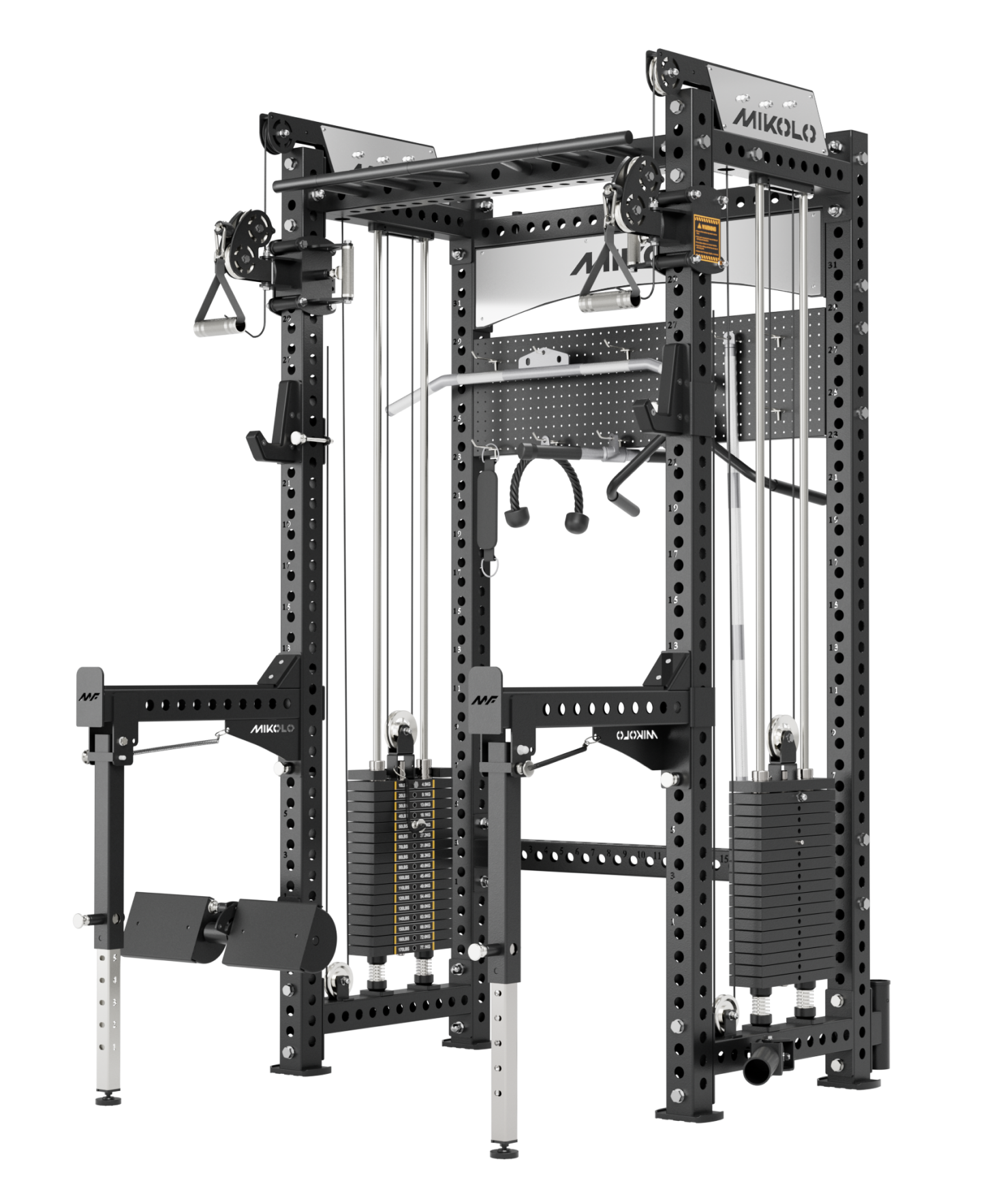
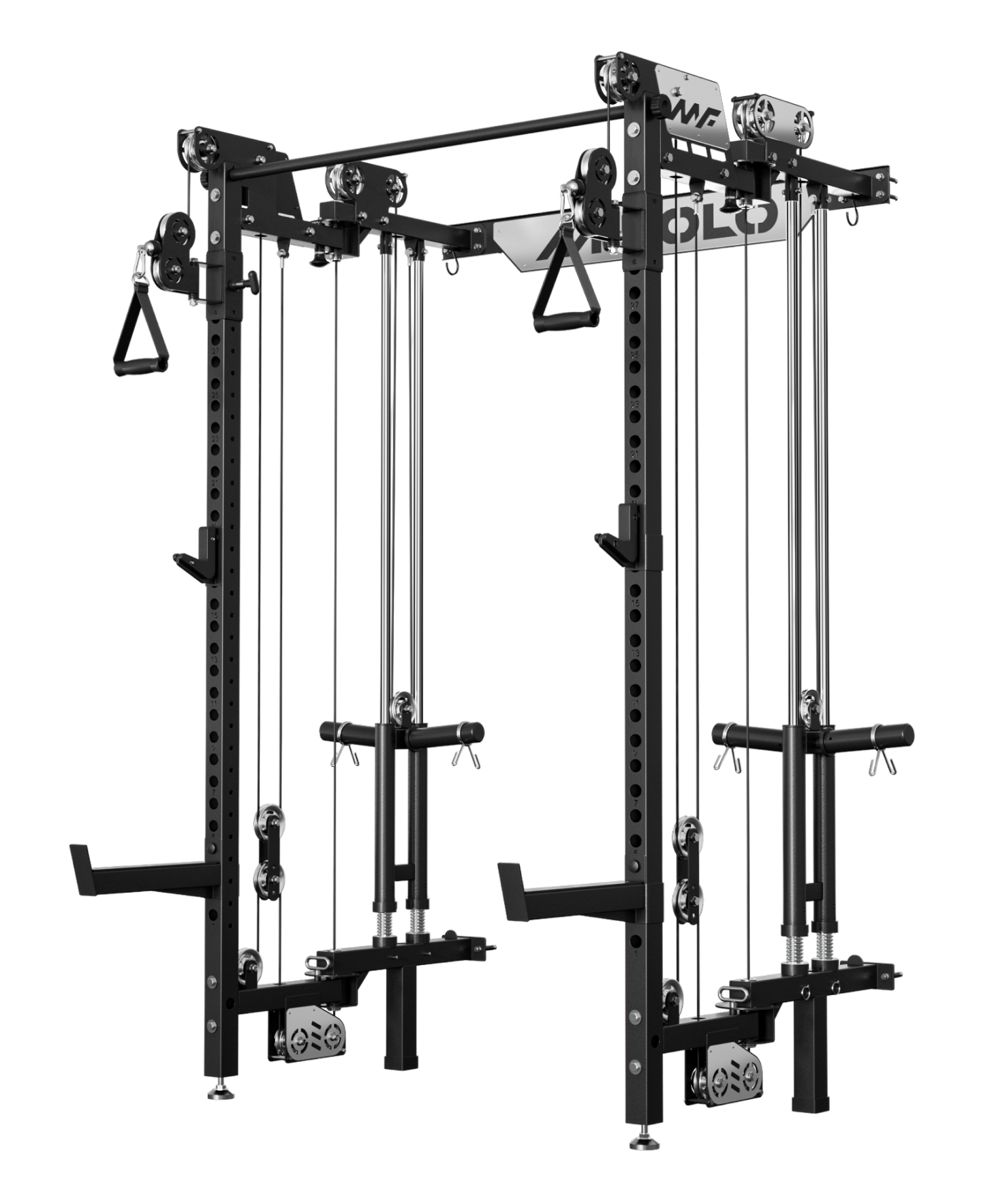
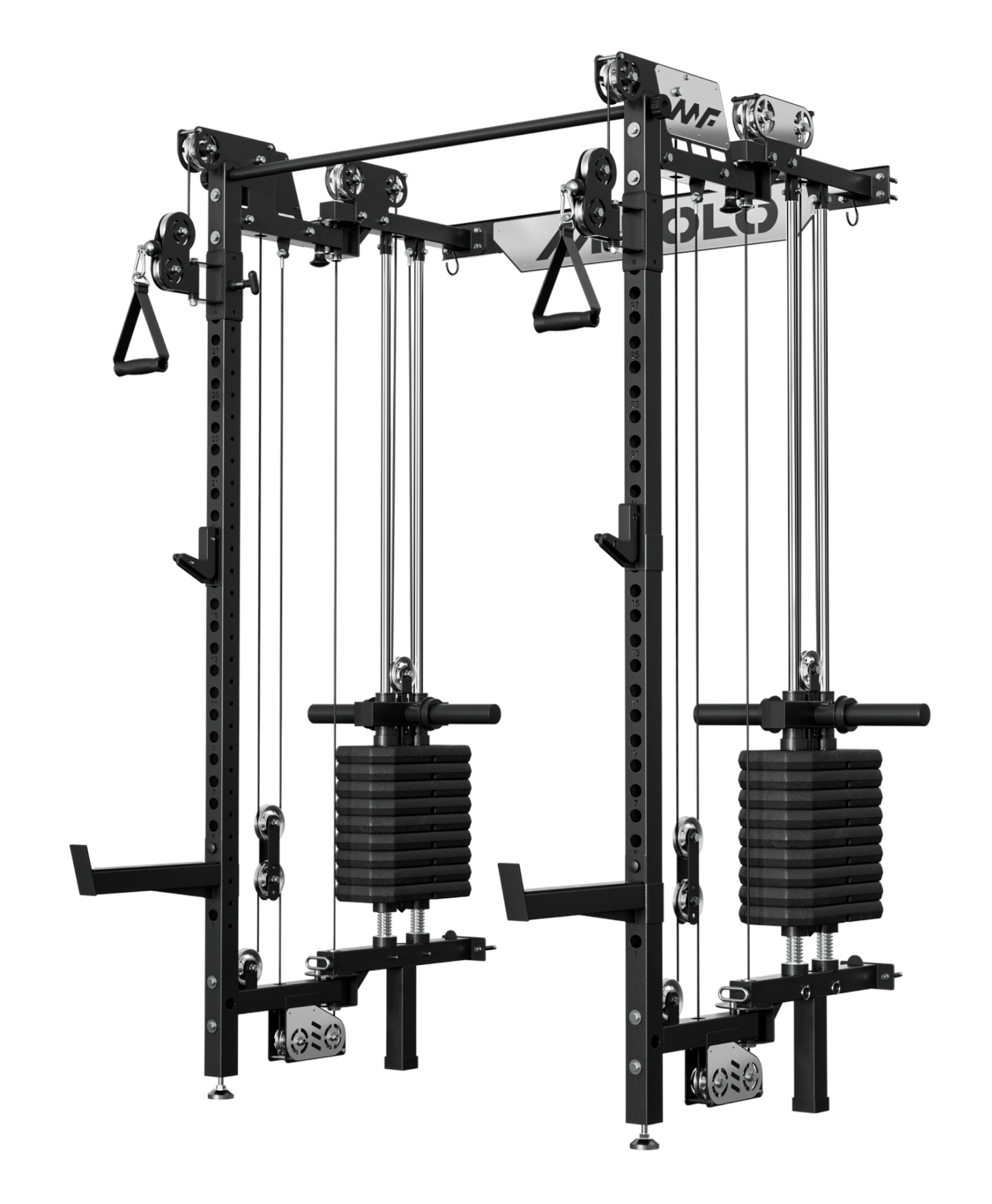
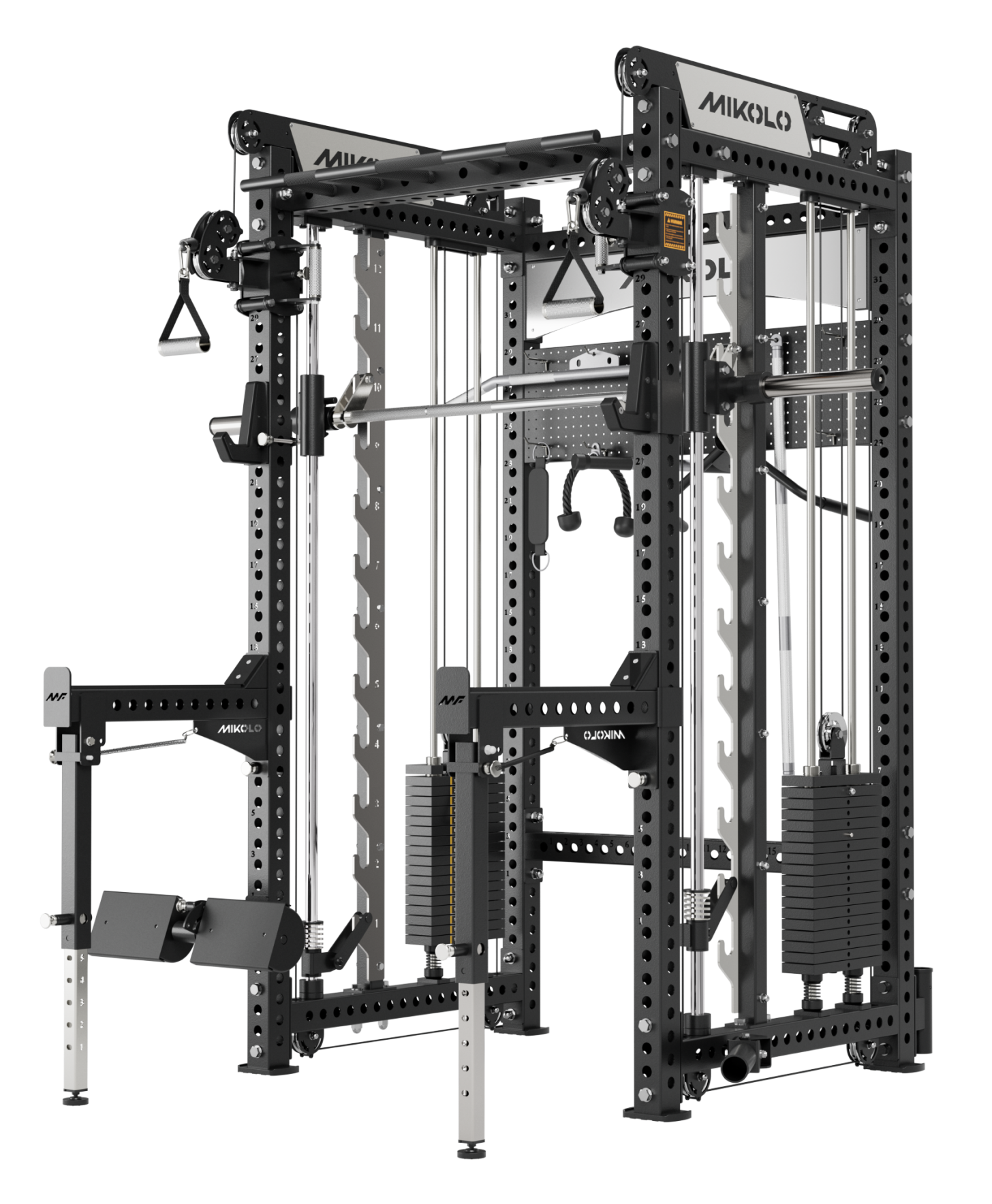
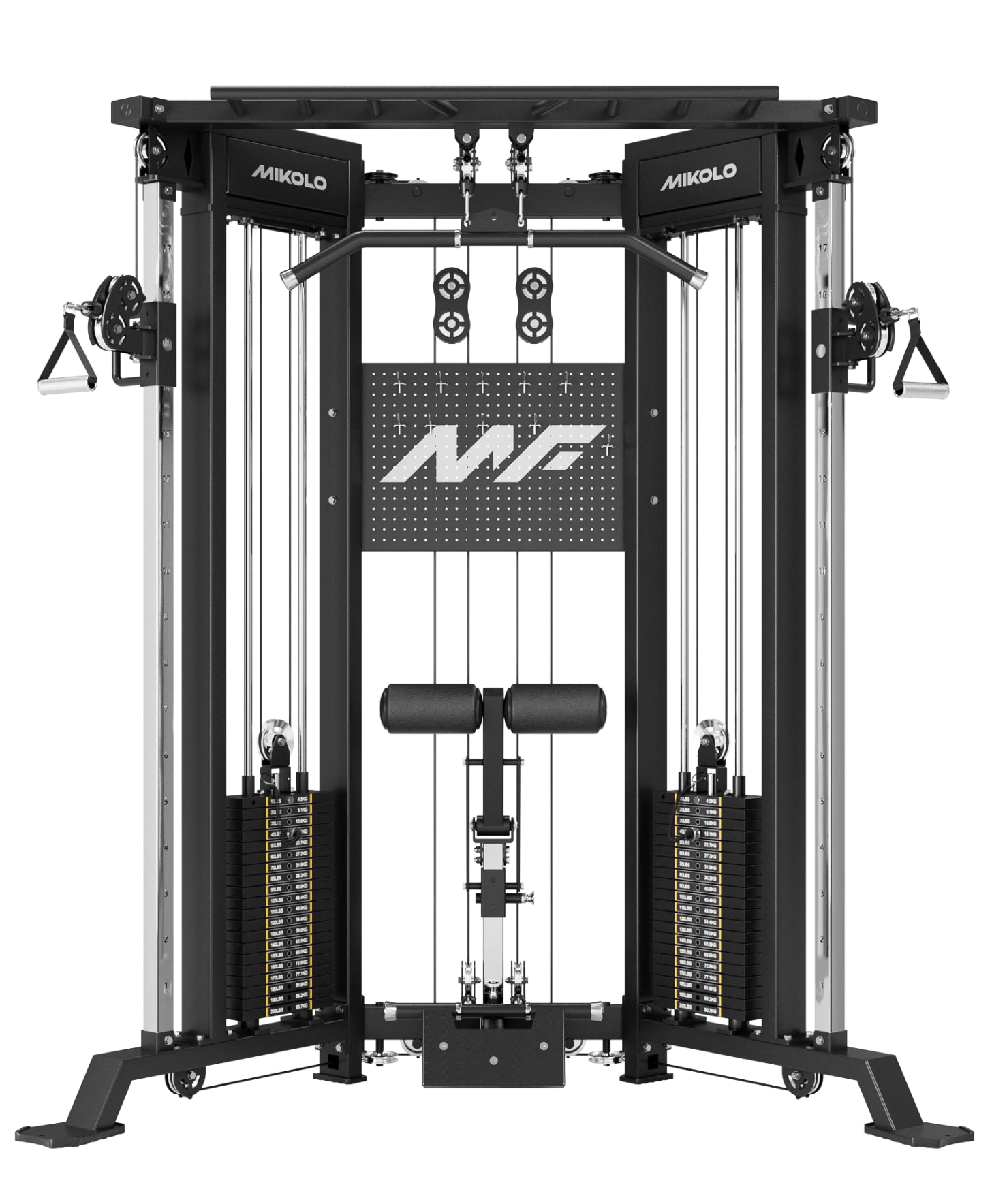
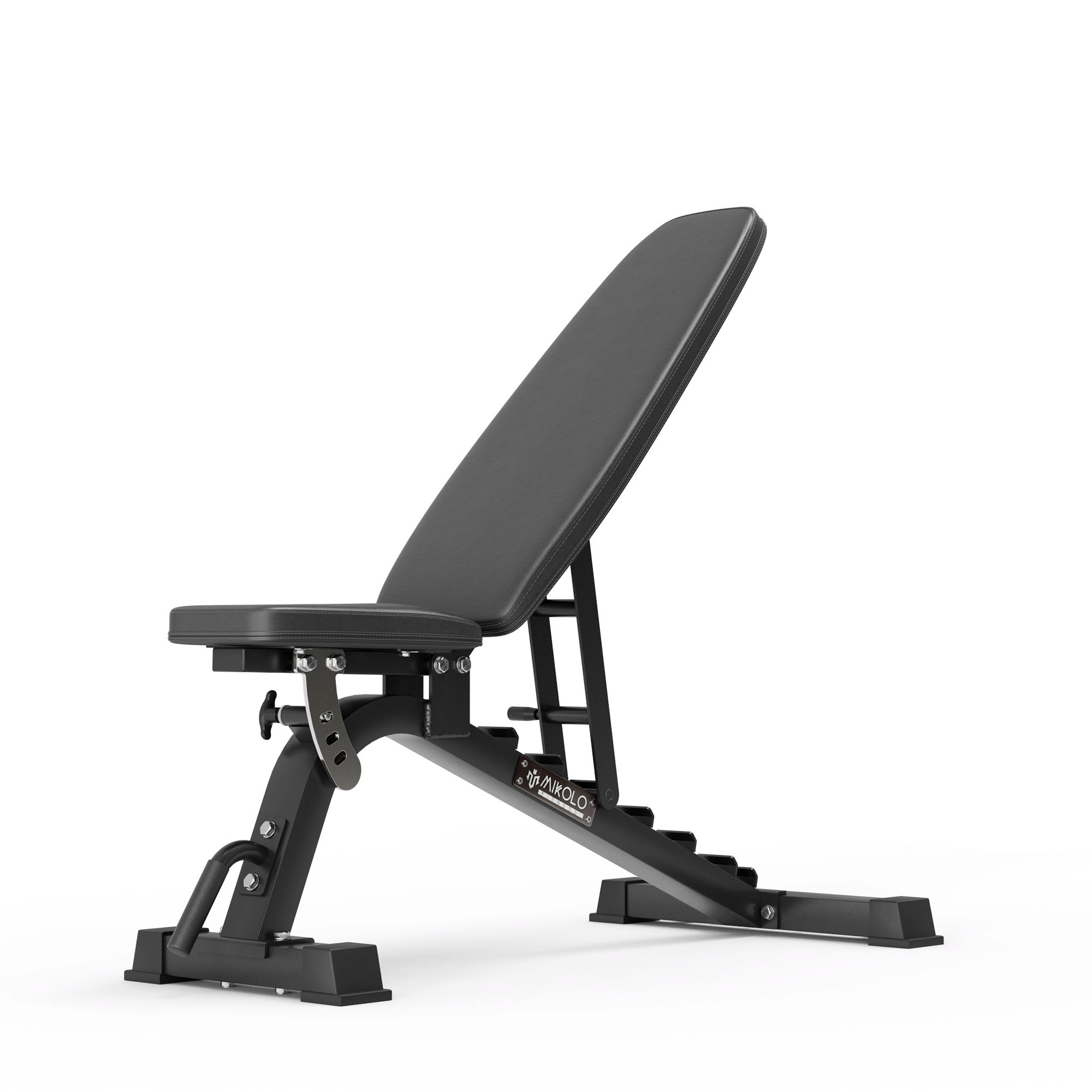
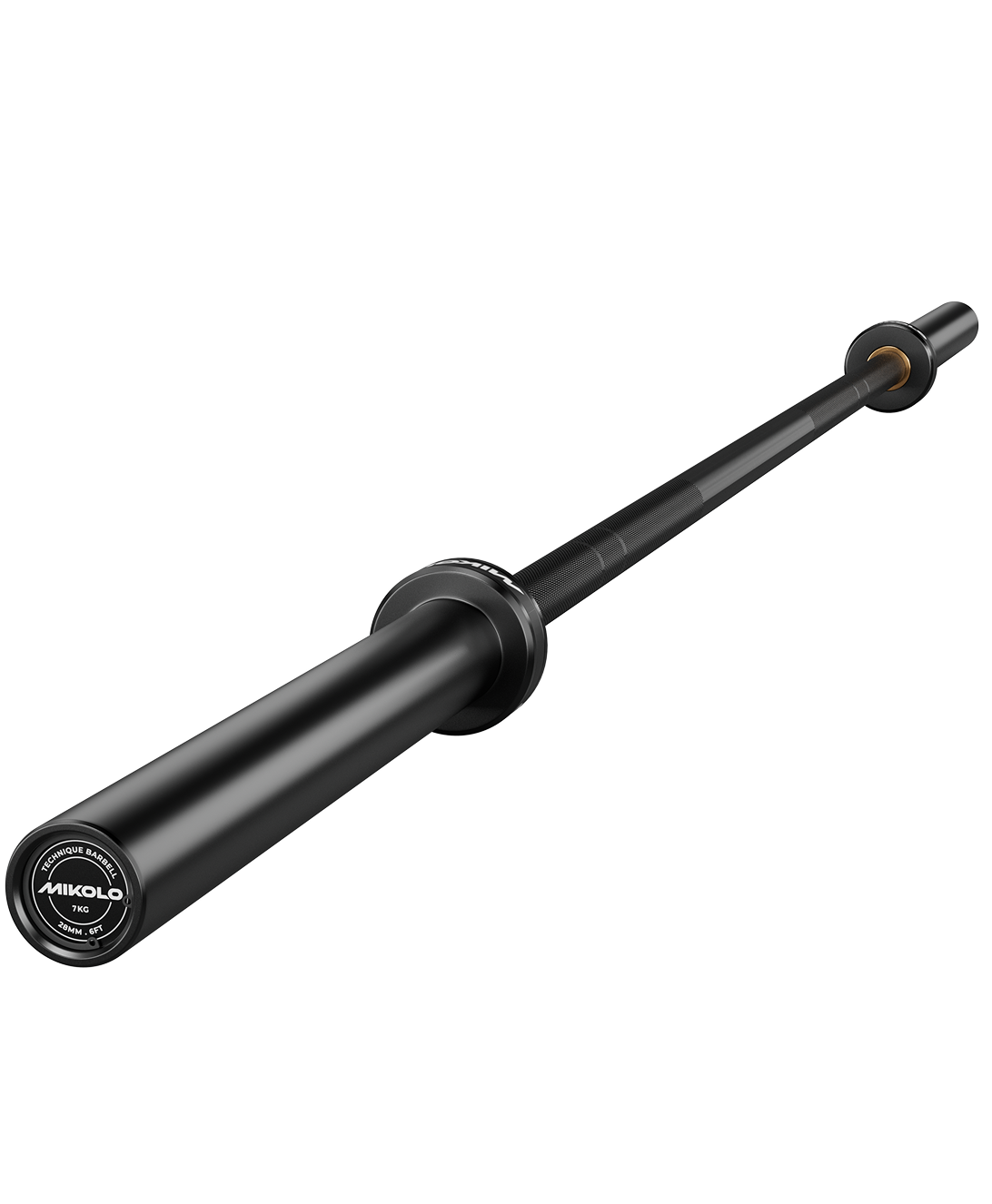
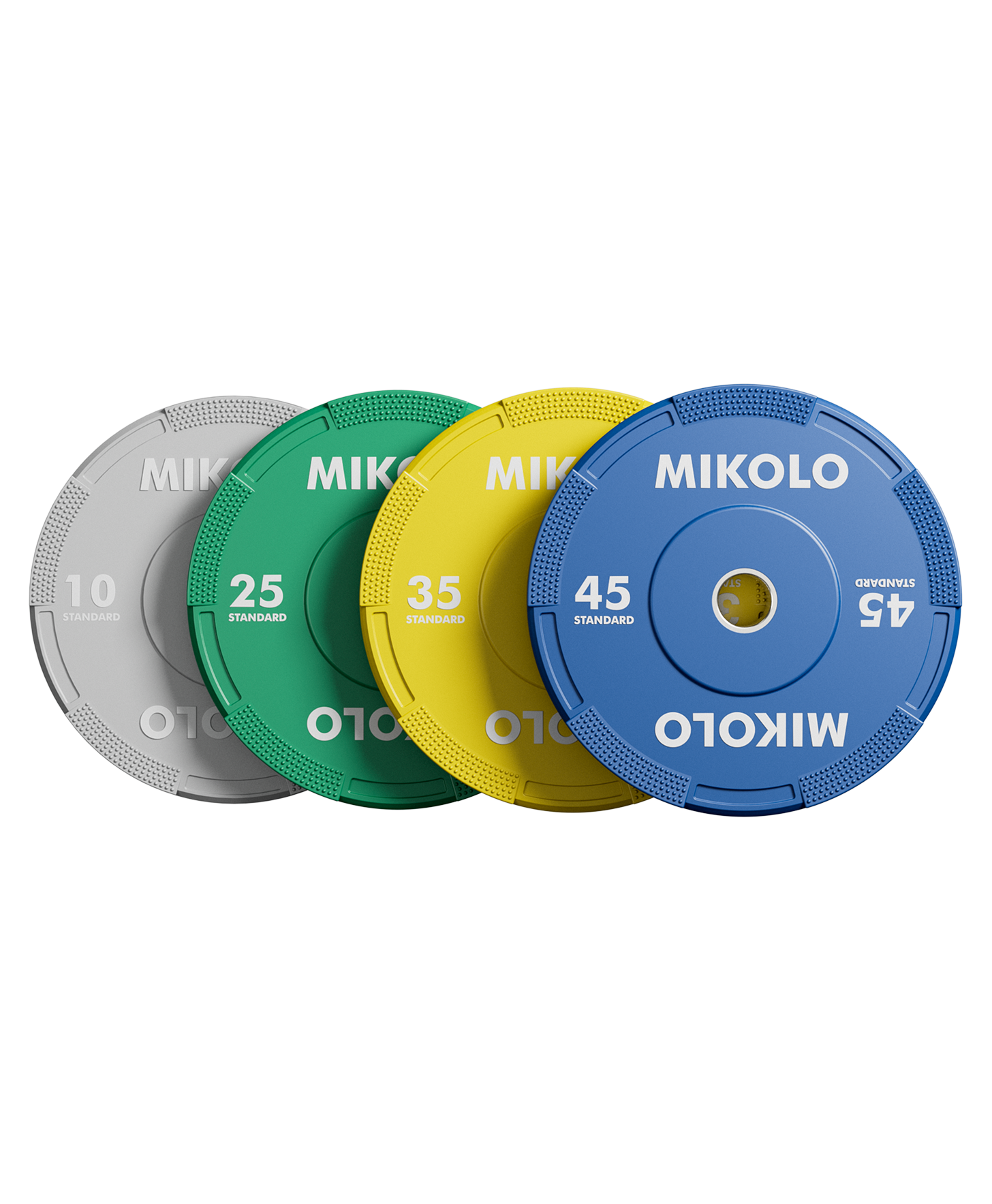
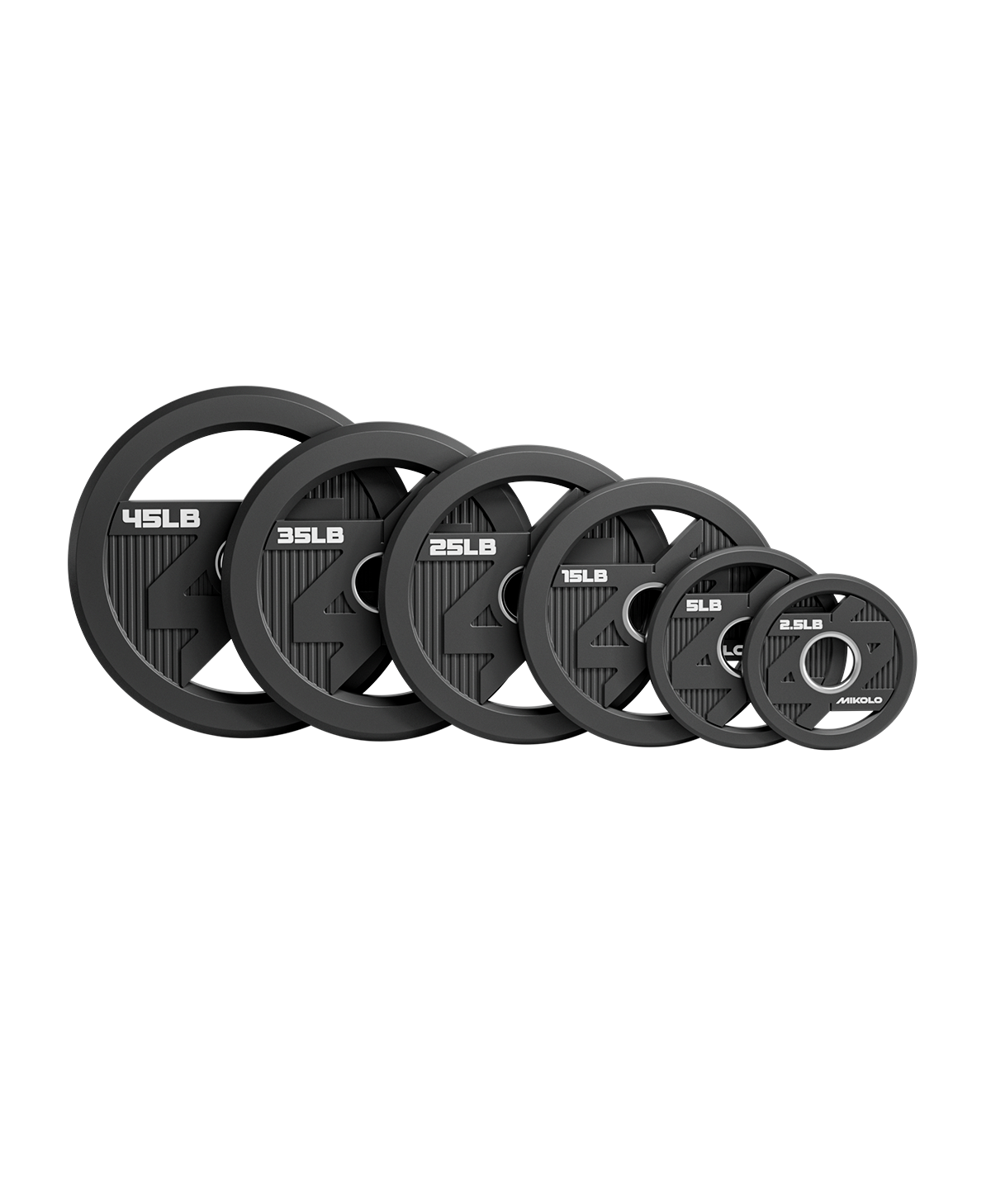
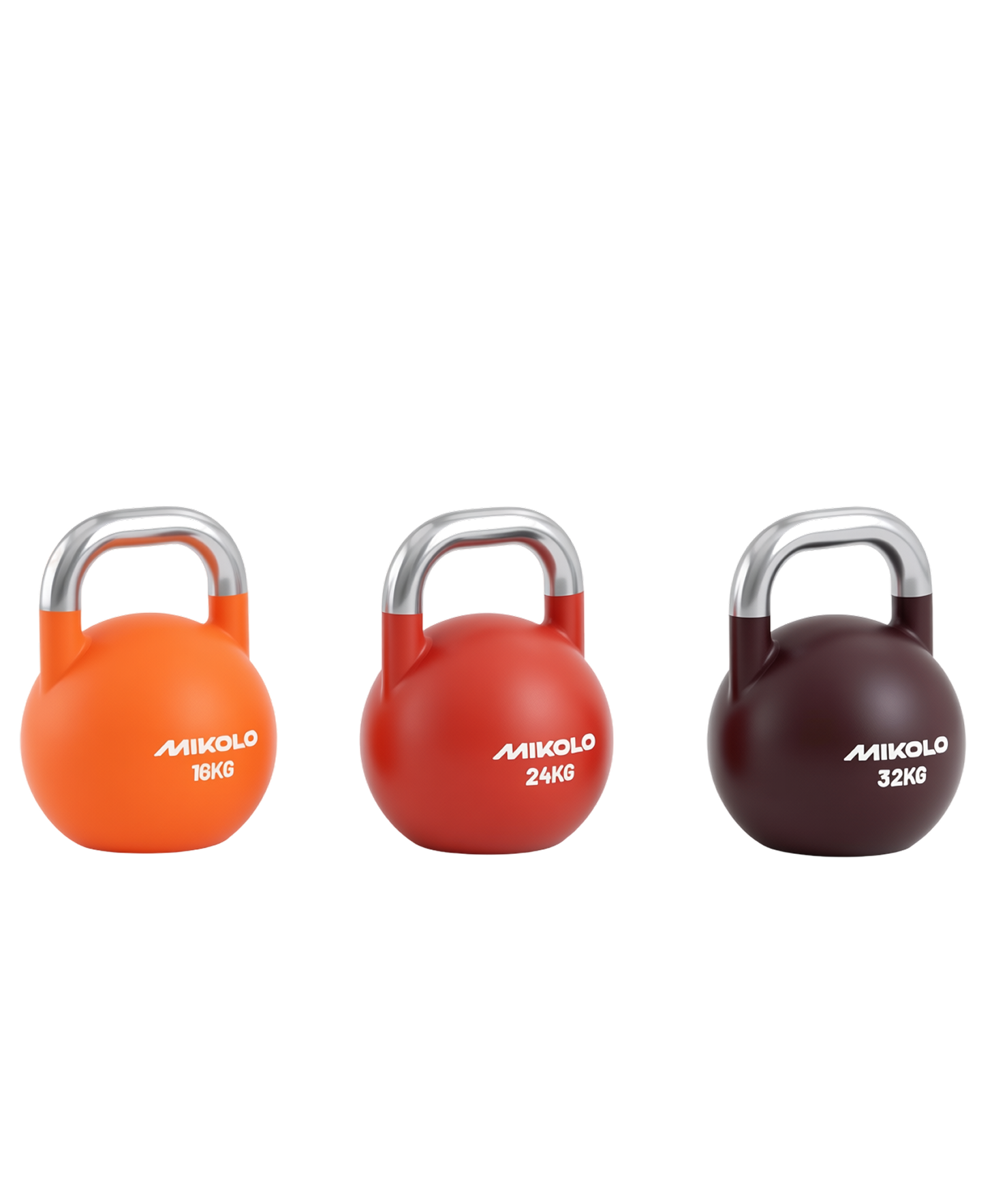
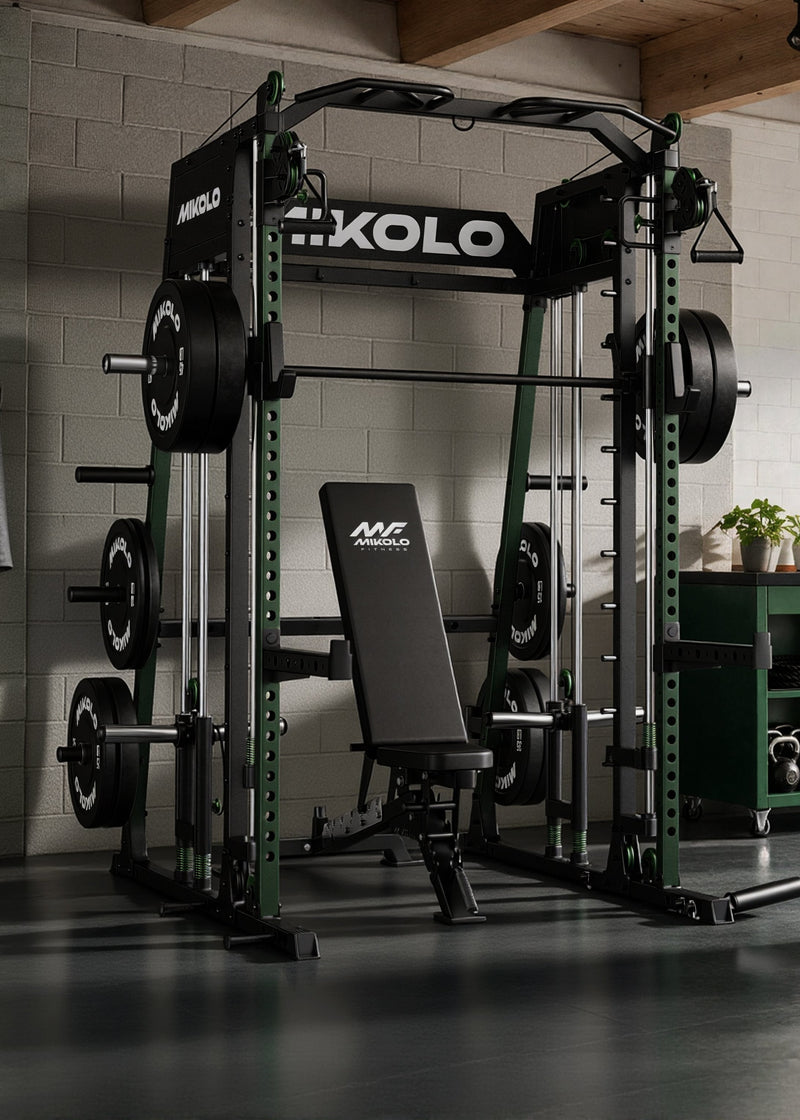
Weight training is conducted using either machines or free weights, each serving unique preferences and goals. Free weights include dumbbells, barbells, and kettlebells, offering a broad range of movement patterns that mimic real-life activities. In contrast, weight machines are designed for specific exercises, providing a fixed path of motion that guides the user through the movement.
Individual preference and fitness goals often dictate the choice between free weights versus machines. Free weights allow for greater strength gains in free-weight exercises, while machines enhance strength in machine-specific exercises. Despite the ongoing debate, there’s no definitive answer as both methods can yield similar strength increases. Understanding the basics of each can help you tailor your workout to meet your personal fitness objectives.
The key is to recognize that both free weights and machines have valuable places in fitness routines. Exploring their design, functionality, and usability helps you appreciate the unique benefits each offers and how they can complement one another in your training regimen.
Design and Functionality
Weight machines provide a fixed path of motion, which can be beneficial for beginners learning the mechanics of various exercises. This fixed motion helps in maintaining proper form, minimizing the risk of injury due to incorrect technique.
On the other hand, free weights allow for multi-directional movement, offering a more dynamic workout that engages multiple muscle groups. The ability to move weights in any direction provides a greater range of motion with free weights, which can be particularly advantageous for those looking to enhance their overall strength and functional fitness. Free weights require more effort to maintain stability, engaging more stabilizer muscles compared to weight machines. This engagement of stabilizer muscles not only builds strength but also improves coordination and balance.
Weight machines restrict movements to specific designed exercises, limiting the engagement of additional muscles that would otherwise be activated during free weight exercises. While this can be seen as a limitation, it also ensures that the primary muscle group targeted by the machine gets the most focus, which can be beneficial for muscle isolation and hypertrophy.
Accessibility and Usability
When it comes to accessibility, free weights are considered more inclusive due to their adjustable movement patterns and unrestricted weight selection. This flexibility allows users of all fitness levels to tailor their workouts to their specific needs and goals. However, the design of weight machines may sometimes restrict exercise execution or force users into positions that might not be suitable for everyone, impacting usability.
Knowing the differences in accessibility and usability between weight machines and free weights helps tailor workouts to individual fitness levels and preferences. While weight machines can be beginner-friendly due to their guided movements and instructional placards, free weights offer a more adaptable approach that can grow with the user’s progress.
Ultimately, accessibility and usability play crucial roles in choosing between weight machines and free weights. By considering these factors, you can create a workout routine that is safe, effective, and enjoyable, catering to your unique fitness journey.
Benefits of Using Weight Training Machines
Weight training machines offer a range of benefits that make them a valuable addition to any strength training routine. These machines are crucial for maintaining strength, bone health, and overall day-to-day function. They are particularly beneficial for those who may feel uncomfortable or unprepared for the complexities of free weight exercises.
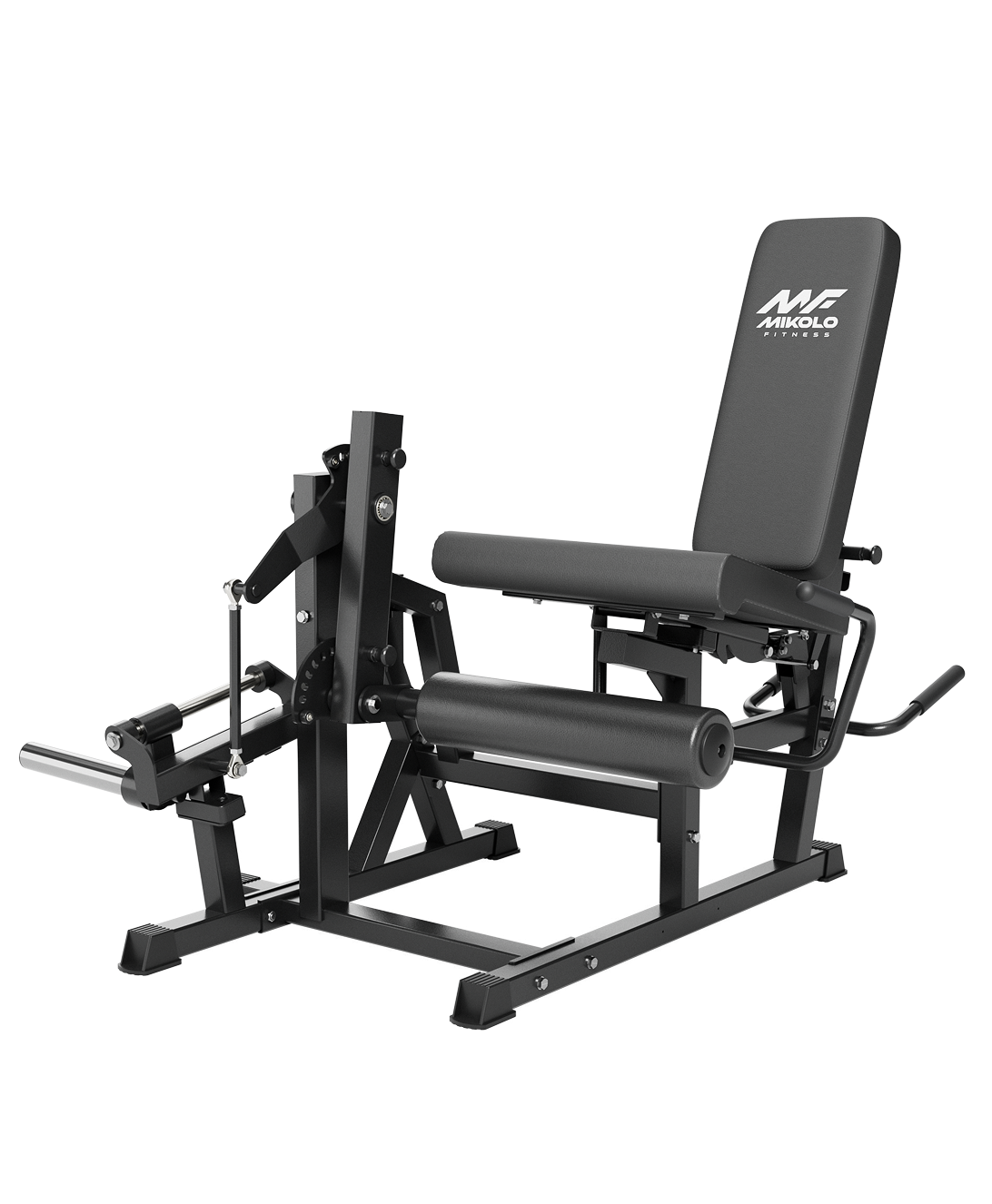
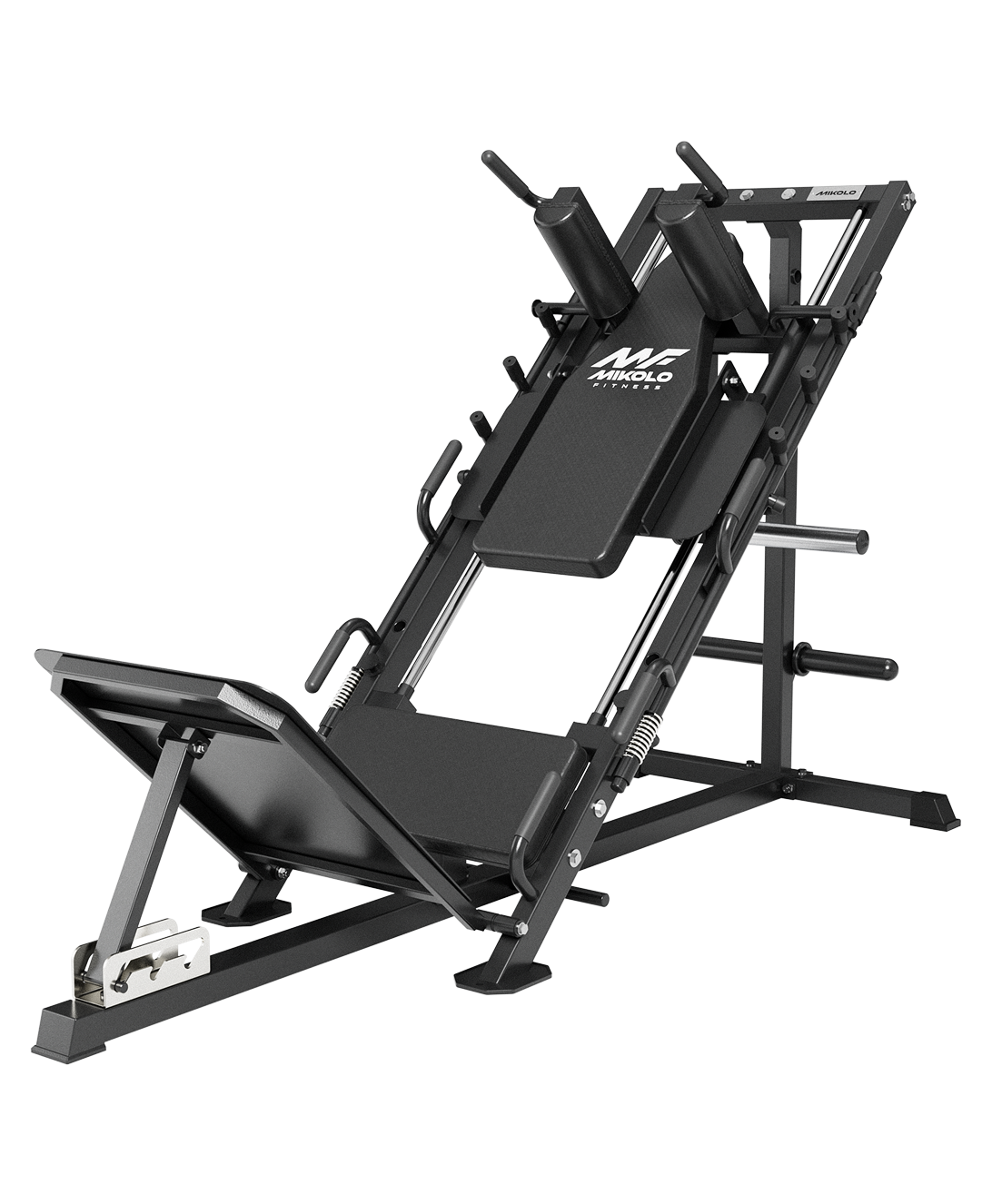
A comprehensive meta-analysis comparing free-weight and machine-based strength training highlights the importance of both methods in achieving muscle growth and strength. Weight machines like the leg curl, leg extension machine, leg press, chest press, and shoulder press provide targeted muscle workouts that can help in specific muscle development.
The following sections delve into the specific benefits of using weight training machines, including targeted muscle isolation, safety and stability, and ease of use. Whether you’re a beginner or an experienced lifter, understanding these benefits can help you make the most of your workout routine.
Targeted Muscle Isolation
One of the significant advantages of weight machines is their ability to isolate specific muscle groups, allowing for focused and efficient workouts. These machines are ideal for learning movement mechanics and accommodating injuries, providing a safer training option for those with physical limitations. Isolating certain muscle groups with weight machines promotes overload and hypertrophy, leading to muscle growth.
Weight machines assist in targeting muscle groups by allowing users to concentrate on one muscle group at a time, reducing the effort required from stabilizing muscles. This focused approach makes it easier to overload the primary muscles, promoting muscle hypertrophy and size. Additionally, weight machines reduce the risk of overuse injuries, facilitating safer muscle development.
For those looking to build muscle mass efficiently, weight machines offer a structured and less taxing way to achieve their goals. By providing a controlled environment, these machines ensure that the targeted muscles receive the most attention, leading to more effective workouts.
Safety and Stability
Safety and stability are paramount in any strength training routine, and weight machines excel in this aspect. The fixed path of motion provided by these machines reduces the risk of injury by ensuring that the weights move in a controlled manner. This is particularly beneficial for beginners who are still learning proper mechanics, as the machines offer support and stability during the exercises.
Weight machines also help build confidence in those new to fitness by minimizing the risk of dropping weights or losing control. For individuals dealing with injuries or mobility limitations, weight machines provide a safer option by reducing the range of motion and supporting proper technique.
Ease of Use
Weight machines are designed to be user-friendly, making them an excellent choice for beginners. These machines often come with instructional guidance and illustrations, helping users understand how to execute exercises correctly. This ease of use allows beginners to achieve good results without feeling rushed or overwhelmed by the complexity of free weight exercises.
The ability to make quick adjustments on weight machines facilitates a smooth and efficient workout experience. Users can easily change weights and settings, ensuring that their workouts remain fluid and uninterrupted. This user-friendly nature makes weight machines a convenient and effective option for those new to strength training.
Benefits of Using Free Weights
Free weights offer a range of benefits that make them a valuable component of any strength training program. Here are some key advantages:
-
They engage multiple muscle groups, providing a more comprehensive workout compared to weight machines.
-
This engagement of various muscles helps in building overall strength.
-
They improve functional fitness.
Research has shown that free weights and machines yield similar hypertrophic gains, indicating that both methods are effective for muscle growth. However, the versatility and wider range of motion offered by free weights make them particularly advantageous for those looking to enhance their overall physical development.
The subsequent subsections will explore the specific benefits of using free weights, including the engagement of stabilizer muscles, versatility and range of motion, and cost and space efficiency. Understanding these benefits can help you incorporate free weights effectively into your strength training routine.
Engagement of Stabilizer Muscles
Free weight exercises engage stabilizing muscles in addition to the primary muscle groups, providing a more versatile and functional workout. Unlike weight machines, which do not recruit stabilizer muscles, free weights enhance coordination by requiring the use of stabilizing movements. This engagement of stabilizer muscles not only improves overall strength but also contributes significantly to functional fitness through free weight exercise.
The inclusion of stabilizer muscles in training helps improve an individual’s ability to perform everyday activities, making free weights particularly beneficial for enhancing functional fitness. By working multiple muscle groups simultaneously, free weight exercises provide a more comprehensive workout, promoting overall muscle development and coordination.
For those looking to build functional strength and improve their overall physical performance, free weights activate a dynamic and effective training method. The engagement of stabilizer muscles ensures that the body works cohesively, leading to better balance, coordination, and strength.
Versatility and Range of Motion
Free weights are considered more versatile than weight machines due to their ability to accommodate a wider range of movements and exercises. Unlike weight machines, which often restrict users to a fixed path of motion, free weights vs weight machines allow for greater variety in movement patterns, enabling users to adjust their positions for a customized workout experience.
This versatility makes free weights ideal for targeting multiple muscle groups and accommodating personal preferences and specific fitness goals. Whether you’re aiming to improve your overall strength, enhance functional fitness, or prepare for other sports, free weights offer the flexibility to tailor your workouts to meet your needs in a free weight group.
Cost and Space Efficiency
Free weights are typically more affordable than larger weight machines, making them accessible to a wider audience. This affordability allows more individuals to incorporate strength training into their routines without a significant financial investment. In addition to being cost-effective, free weights occupy less space than bulky weight machines, making them an ideal choice for home gyms with limited room.
Overall, the combination of affordability and space efficiency positions free weights as a practical option for anyone looking to engage in free weight training, especially in a home environment. For those with limited budgets or space, free weights provide an effective and versatile solution for building strength and improving fitness.
Common Mistakes to Avoid
Safety is a main priority in weight training, and recognizing and avoiding common mistakes is crucial for a successful and injury-free workout routine. One of the frequent mistakes in strength training is using weights that are too heavy, which can compromise form and lead to injuries. Overloading without proper progression can also cause fatigue and hinder overall progress.
Maintaining proper form during exercises is essential to prevent injuries and ensure effective workouts. By avoiding these common mistakes, you can enhance your strength training experience and achieve better results.
Incorrect Form
Maintaining proper form is crucial as incorrect technique can result in injury and reduced effectiveness of the exercise. Weight machines help users maintain proper form during exercises, minimizing injury risk. However, free weights require more attention to form, as accidentally dropping weights or losing balance can increase the risk of injury.
Beginners might need the help of a certified personal trainer to ensure they are performing free weight exercises correctly. If unable to perform an exercise with proper form, it’s advisable to reduce the weight or the number of repetitions.
Overloading
Overloading is a crucial concept in strength training, focusing on gradually increasing weights to enhance performance. However, lifting too much weight too soon can lead to injuries and hinder overall progress. It’s essential to listen to your body and gradually increase weight to prevent injuries and ensure a sustainable weight training journey.
Following a progressive overload approach allows for safe strength and muscle building without undue stress on the body. This method helps in achieving long-term fitness goals while minimizing the risk of injury and fatigue.
Choosing Between Weight Training Machines and Free Weights
Choosing between weight training machines and free weights can be challenging, but understanding your fitness goals and preferences can help make the decision easier. Both methods offer unique benefits, and using a combination of both can provide compounded benefits for strength training.
Utilizing both free weights and machines can help fill gaps in strength training by providing varied movement patterns and addressing strength imbalances that may not be corrected with one type alone. Whether you’re a beginner or an experienced lifter, incorporating both methods can enhance your overall fitness and performance.
The next sections provide guidance on choosing the right equipment based on specific fitness goals, such as for beginners, muscle building, and injury prevention.
For Beginners
Weight machines, such as the chest press, lat pulldown, and leg press, are typically shown to beginners during gym induction. These machines provide pre-set use cases and instructions, helping beginners feel more comfortable and confident while exercising. This beginner-friendly nature makes weight machines an excellent starting point for those new to strength training.
However, beginners using free weights often face a learning curve as they adapt to the various movements and techniques required. Despite this, effective full-body workouts with free weights can build strength and endurance, setting a strong foundation for future muscle training.
For Specific Muscle Building
Weight machines provide a fixed path of motion, allowing users to focus on specific muscle groups efficiently. These machines are designed to isolate specific muscle groups, enhancing targeted muscle development. This targeted approach makes weight machines ideal for those looking to build muscle mass in specific areas.
On the other hand, free weights engage stabilizer muscles, which are crucial for enhancing overall strength and functional fitness. While weight machines excel at targeted muscle growth, free weights offer versatility and support varied movements for comprehensive physical development.
For Injury Prevention and Rehabilitation
Weight machines provide built-in safety features and support, significantly reducing the risk of injury, particularly for individuals recovering from physical limitations. These machines often guide users, making it easier to maintain correct positioning and proper form, which is crucial in preventing injuries.
Gradually increasing weights while avoiding overloading helps prevent injuries, particularly important for those in rehabilitation. Weight machines excel at isolating specific muscles, allowing those with injuries to focus on muscle growth without compromising their safety.
Integrating Both into Your Routine
Integrating both weight training machines and free weights into your routine can compound their benefits and lead to a more balanced workout. A combination of both modalities could yield the best results, offering a comprehensive approach to strength training.
A balanced approach that combines free weights and machines is recommended. This method ensures that you target different muscle groups effectively and reduce the risk of injury by gradually increasing resistance.
Creating a Balanced Workout Plan
A balanced workout routine can alternate between free weight and machine exercises to target different muscle groups effectively. In a mixed routine, aim for 5-6 exercises, including both compound and isolation movements. Supersets that mix machine and free weight exercises can optimize training efficiency while maintaining engagement.
An effective routine can include exercises like the barbell squat, dumbbell bench press, leg press, and chest press machine, providing a comprehensive and rounded workout. This balanced approach ensures that all major muscle groups are targeted, promoting overall strength and building muscle growth.
Sample Workout Routine
A sample workout routine that incorporates both free weights and weight machines might look like this:
-
Warm-up: 5-10 minutes of light cardio and dynamic stretching.
-
Barbell Back Squat (free weight squat): 3 sets of 8-12 reps.
-
Leg Press (machine): 3 sets of 10-15 reps.
-
Dumbbell Bench Press (free weight): 3 sets of 8-12 reps.
-
Chest Press Machine: 3 sets of 10-15 reps.
-
Smith Machine Squat: 3 sets of 8-12 reps.
-
Cooldown: 5-10 minutes of stretching and foam rolling.
This routine provides a balanced mix of free weight and machine exercises, targeting different muscle groups and ensuring a comprehensive workout.
Summary
In summary, both weight training machines and free weights offer unique benefits and play valuable roles in strength training. Weight machines provide a safe and user-friendly option, ideal for beginners and those focusing on specific muscle isolation. Free weights, on the other hand, offer versatility, engage stabilizer muscles, and enhance overall functional fitness.
By understanding the benefits and potential pitfalls of each method, you can make an informed decision that aligns with your fitness goals. Whether you choose weight machines, free weights, or a combination of both, the key is to stay consistent and listen to your body. Embrace the journey, and remember that the best workout routine is one that you enjoy and can sustain over the long term.
Frequently Asked Questions
What are the disadvantages of weight machines?
Using weight machines can be limiting because they may lead to injuries, burn fewer calories, and don't engage your core as effectively. They can also be less time-efficient compared to free weights, which might not challenge your muscles as much.
Which is better for building muscle, weight machines or free weights?
Free weights are generally considered better for building muscle since they engage stabilizer muscles and offer a greater range of motion. However, using weight machines also has its benefits, especially for isolating specific muscles.
Are weight machines safer than free weights?
Weight machines are often seen as safer since they guide your movements and reduce injury risks. But remember, whether you're using machines or free weights, good form and technique are key to staying injury-free.
Can beginners use free weights?
Absolutely, beginners can use free weights! Just start with lighter weights and consider getting guidance from a trainer to nail down your form.
How can I integrate both weight machines and free weights into my workout routine?
You can easily integrate both by alternating between free weights and machines in your routine, or by using supersets that combine them for more efficiency. This way, you’ll target different muscle groups while keeping your workouts dynamic and effective.





















Leave a comment
This site is protected by hCaptcha and the hCaptcha Privacy Policy and Terms of Service apply.